
Oil Mill: Machines, Working Process, and How to Start an Oil Extraction Business
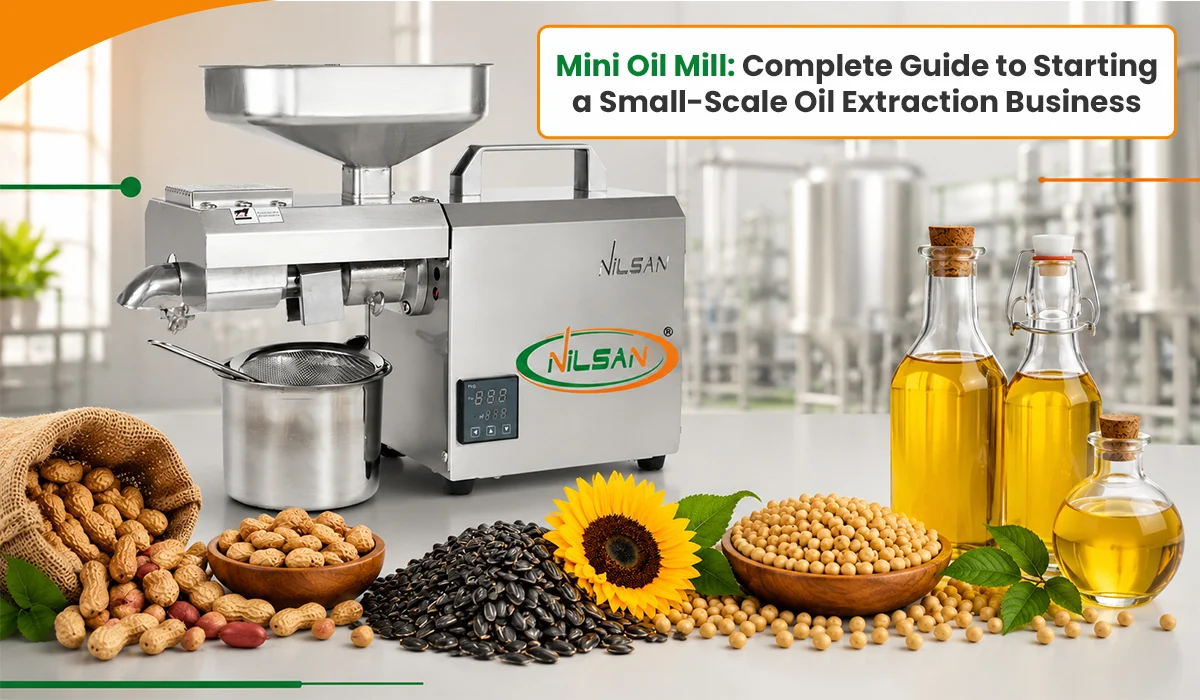
An oil mill is a processing unit where oil is extracted from seeds, nuts, and other oil-bearing materials for cooking, commercial use, and various industrial applications. With growing opportunities in the edible oil market, setting up an oil mill can be a practical option for entrepreneurs, farmers, and businesses interested in oil production.
However, starting an oil extraction business requires more than purchasing a machine. Business owners need to understand the extraction process, select suitable equipment, prepare raw materials, and plan for filtration, storage, and packaging. The right setup can help improve production efficiency and maintain consistent product quality.
Whether you want to establish a small production unit or expand an existing operation, understanding how an oil mill works and what equipment it needs will help you make better decisions.
What Is an Oil Mill?
An oil mill is a facility that extracts oil from oil-bearing seeds and nuts using mechanical pressing or other suitable extraction methods. Depending on its size and purpose, an oil mill may serve local customers, supply retailers, or produce oil for larger commercial requirements.
Common raw materials processed in oil mills include groundnuts, mustard seeds, sesame seeds, sunflower seeds, soybeans, flaxseeds, and coconut copra. The choice of raw material depends on local availability, customer demand, and the type of oil the business plans to produce.
Modern oil mills may use compact oil presses, commercial oil expellers, filtration systems, storage tanks, and packaging equipment. The machinery required depends on production capacity and the intended business model.
How Does an Oil Mill Work?
The oil extraction process involves several stages. Each stage contributes to the quality of the finished oil and the efficiency of production.
1. Cleaning and Preparing the Seeds
The process begins with cleaning the raw materials to remove dust, stones, and other unwanted particles. Depending on the seed type and extraction method, additional preparation such as drying, crushing, or conditioning may be necessary.
Proper preparation helps protect the machinery and supports consistent extraction.
2. Oil Extraction Through Pressing
The prepared seeds are fed into an oil press or expeller. Inside the machine, a screw mechanism applies pressure to the material, releasing the oil through designated openings.
The remaining solid material, commonly called oil cake, exits separately. The amount of oil recovered depends on the seed variety, moisture content, preparation method, and machine settings.
3. Oil Filtration
Freshly extracted oil may contain small particles from the seeds. An oil filter machine helps remove these suspended solids, improving the oil's clarity before storage or further processing.
The filtration method should be selected according to the product's quality requirements.
4. Storage and Packaging
After filtration, the oil is transferred into suitable, clean storage containers. Proper handling helps reduce contamination and preserve quality.
For businesses selling directly to customers, packaging equipment may also be required to fill and seal bottles or other containers consistently.
What Machines Are Required for an Oil Mill?
The machinery required for an oil mill depends on the volume of production and the type of oil being manufactured.
-
Oil press or oil expeller: Extracts oil from seeds through mechanical pressure.
-
Seed cleaning equipment: Removes unwanted materials before processing.
-
Oil filter machine: Helps separate fine particles from extracted oil.
-
Storage tanks: Hold the filtered oil under suitable storage conditions.
-
Packaging equipment: Supports filling, sealing, and preparing products for sale.
-
Conveyors: Help move raw materials between processing stages in larger setups.
A small operation may begin with an oil press, a suitable filtration system, and storage containers. Larger facilities may require additional machinery to manage higher production volumes and streamline material handling.
Mini Oil Mill: A Practical Option for Small Businesses
A Mini Oil Mill can be a suitable starting point for entrepreneurs who want to enter the oil extraction business without investing in a large industrial facility immediately.
Compact oil pressing machines are designed for smaller production requirements and can be useful for local oil sellers, farmers, small retailers, and businesses producing fresh oil for nearby customers.
Before selecting a mini setup, consider the following factors:
Production capacity: Estimate how much oilseed you expect to process daily and choose a machine that matches your requirements.
Seed compatibility: Confirm whether the selected model can process the seeds you intend to use, such as groundnuts, sesame, mustard, or sunflower seeds.
Available space: Consider the space needed for the press, filtration equipment, raw material storage, and finished oil.
Power requirements: Check the motor rating, voltage, and electricity supply needed for operation.
Maintenance and support: Review cleaning procedures, spare parts availability, warranty conditions, and technical assistance.
Explore Nilsan India's Mini Oil Mill options to understand the equipment available for small-scale oil production.
What Are the Benefits of Setting Up an Oil Mill?
An oil mill can offer several practical advantages when the equipment and business plan are chosen carefully.
Control Over the Production Process
Operating an oil mill allows businesses to manage raw material selection, extraction methods, filtration, and storage. This control can help maintain consistent production practices.
Opportunities to Process Different Seeds
Depending on the machine's specifications, an oil mill may process multiple types of oilseeds. Businesses can explore different products based on customer preferences and local raw material availability.
Suitable for Different Business Sizes
Oil extraction equipment is available in compact, commercial, and industrial configurations. This allows entrepreneurs to choose a setup that matches their current requirements and consider expansion as demand increases.
Use of Oil Cake
Oil cake is a by-product of mechanical oil extraction. Depending on the seed and its quality, it may be suitable for animal feed, fertiliser applications, or other uses. Its intended use should be confirmed before sale or distribution.
Opportunities for Local Sales
Small and medium-sized oil producers can explore direct sales, local retailers, grocery stores, and food businesses. Building customer trust through consistent quality, suitable packaging, and transparent product information can support long-term business development.
How to Choose the Right Oil Mill Machinery
Selecting the right machinery is an important step in establishing a reliable oil production operation.
First, define your daily processing target and identify the seeds you plan to use. Next, compare machine capacity, power consumption, construction materials, and operating requirements. For edible oil production, check the suitability of all oil-contact surfaces for food processing.
It is also important to consider the complete cost of the setup, including filtration equipment, storage, packaging, installation, maintenance, and labour. A machine with a suitable capacity and accessible after-sales support can be more practical than selecting equipment based only on its purchase price.
Finally, consult the manufacturer about installation, operator training, compatible raw materials, and routine maintenance before making a purchase.
Why Choose Nilsan India for Oil Mill Machines?
Nilsan India offers oil pressing equipment for different processing requirements, including small-scale and commercial applications. Its product range includes mini commercial oil presses, commercial oil press machines, cold oil press machines, and oil filtration equipment.
When selecting machinery, businesses should compare the specifications of individual models with their production targets, preferred extraction method, and available workspace.
Visit the Nilsan India Oil Mill page to explore available equipment and identify options suitable for your oil extraction requirements.
Conclusion
An oil mill provides a practical way to convert oil-bearing seeds and nuts into products for cooking and commercial use. From preparing raw materials to extracting, filtering, storing, and packaging the oil, every stage contributes to the overall production process.
For new entrepreneurs, a Mini Oil Mill may offer a manageable starting point, while established businesses may require higher-capacity commercial machinery. The right choice depends on production goals, seed compatibility, operating costs, and long-term business plans.
By evaluating these factors carefully and selecting suitable equipment, businesses can build an oil extraction operation that meets their requirements and supports consistent production.

 English
 Arabic
 French
 Spanish
 Portuguese
 Deutsch
 Turkish
 Dutch
 Russian
 Romaian
 Portuguese (Brazil)
 Greek