
What Should Travelers Know Before Choosing a Homestay in Coffee Plantation?
Introduction
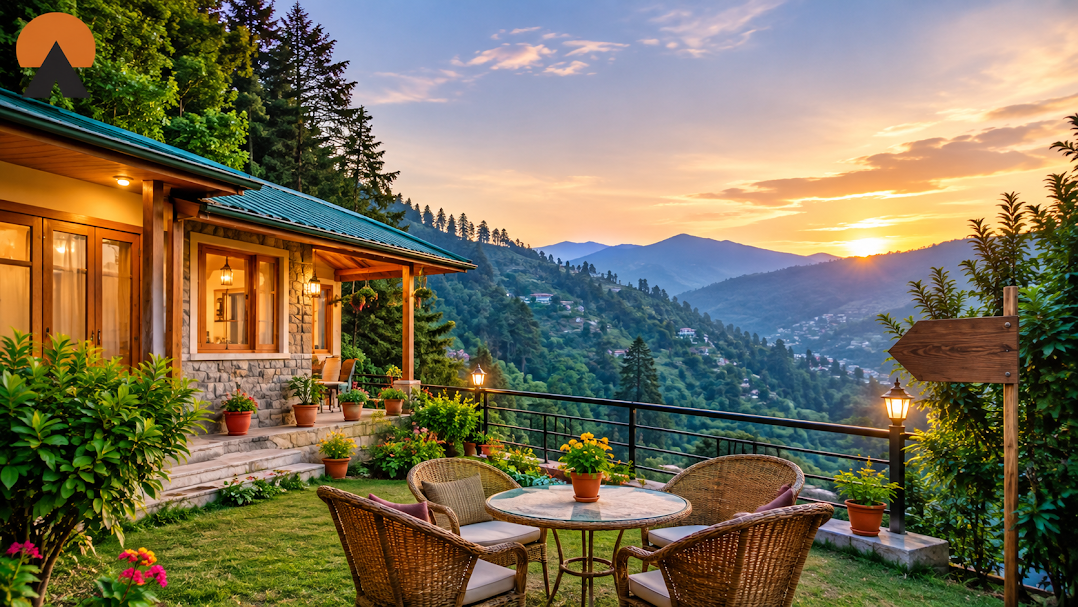
Choosing a homestay in Coffee Plantation can make a holiday feel very different from a conventional hotel stay. Instead of spending your time only visiting tourist attractions, you can wake up among coffee plants, enjoy the quiet of an estate, learn how coffee is cultivated, and experience the landscape at a slower pace.
India has several destinations where coffee plantations shape the scenery and local way of life. Coorg and Chikmagalur in Karnataka, along with parts of Wayanad in Kerala, are popular choices for travellers interested in plantation stays. Depending on the property, guests may be able to join estate walks, observe seasonal activities, enjoy locally prepared food, or simply relax amid greenery.
However, not every property described as a plantation homestay offers the same experience. Some are located inside working estates, while others are situated near plantations. Facilities, activities, accessibility, and meal arrangements can also vary.
Before booking, it is worth understanding what a plantation stay involves and which details you should check. This guide covers the important considerations to help you choose accommodation that matches your expectations.
1. Understand What a Coffee Plantation Stay Actually Offers
The first thing to check is whether the accommodation is located within a working coffee estate or simply surrounded by plantation landscapes.
A property situated inside an estate may provide a closer look at coffee cultivation and the natural environment. Guests might have opportunities to walk through plantation paths, observe coffee plants, and learn about seasonal work.
A property near an estate may offer attractive views without providing direct access to the plantation.
Neither arrangement is automatically better. Your choice should depend on the experience you want.
Before booking, ask the host:
-
Is the property located within a working coffee estate?
-
Can guests walk through the plantation?
-
Are guided estate tours available?
-
Can visitors learn about coffee cultivation and processing?
-
Are any activities included in the booking?
Getting clear answers will help you avoid expecting experiences that the property does not provide.
2. Choose the Right Destination
Coffee-growing regions in India have different landscapes, climates, and travel experiences. The destination you select can influence the kind of holiday you enjoy.
Coorg, Karnataka
<text weight="medium"> </text>
<text> </text>
Coorg, also known as Kodagu, is one of India's best-known coffee-growing regions. Its plantations, forested hills, traditional Kodava culture, and scenic countryside make it a popular choice for a relaxed holiday.
Travellers can look for estate walks, birdwatching, local food, and visits to nearby attractions such as Abbey Falls and viewpoints around Madikeri. Karnataka Tourism highlights coffee estate walks and traditional Kodava homes as part of the region's visitor experiences. <Cite refs={["turn292534search2","turn292534search4"]}/>
Chikmagalur, Karnataka
Chikmagalur is closely associated with the history of coffee cultivation in India. Its coffee estates, mountain scenery, and pleasant surroundings attract visitors looking for a nature-focused break.
Depending on the property, activities may include plantation tours, coffee tasting, bean-roasting demonstrations, birdwatching, and walks through the estate. <Cite refs={["turn292534search0"]}/>
Wayanad, Kerala
Wayanad offers a combination of coffee plantations, forests, hills, and rural landscapes. A plantation stay here may appeal to travellers who want to combine estate surroundings with nature experiences.
Before selecting a property, check its distance from nearby attractions, road access, and whether plantation activities are actually offered.
3. Check the Location and Accessibility
A peaceful plantation property may be located away from the main town. While this can be part of its appeal, it also means that transportation needs careful planning.
Check the property's exact location rather than relying only on the destination name in its listing.
Consider the following:
-
Distance from the nearest town
-
Road conditions leading to the property
-
Availability of public transportation
-
Parking facilities
-
Access to restaurants and shops
-
Distance from nearby attractions
-
Mobile network coverage
If you are travelling without your own vehicle, ask the host about pickup arrangements or local transport options.
Also consider how much sightseeing you plan to do. A remote estate may be ideal for a quiet holiday but less convenient if you want to visit several attractions every day.
4. Find Out Whether Plantation Walks Are Available
One of the most appealing parts of a coffee estate holiday is the opportunity to explore the plantation.
A walk through the estate can help you understand how coffee plants grow and how the surrounding environment supports cultivation.
Depending on the region and property, you may see coffee plants growing beneath shade trees, alongside pepper vines or other crops.
Some hosts or estate staff may explain:
-
Differences between Arabica and Robusta coffee
-
How coffee plants are maintained
-
Seasonal flowering and harvesting
-
How coffee cherries are collected
-
Basic processing and drying methods
-
The role of shade trees and other crops
Do not assume that every property offers a guided walk. Confirm whether it is available, whether there is an additional charge, and whether the activity is suitable for children or older guests.
5. Ask About Coffee Tasting and Processing Experiences
A plantation holiday can be more interesting when you understand what happens after coffee is harvested.
Depending on the estate, guests may have opportunities to learn about coffee processing, roasting, grinding, and brewing.
A tasting session can also help you understand how different beans and preparation methods influence flavour.
However, these activities are not standard at every homestay. Some properties may offer only accommodation and meals, while others may arrange demonstrations or guided experiences.
If coffee is a major reason for your visit, contact the property before booking and ask what is available during your travel dates.
6. Compare Room Comfort and Facilities
Natural surroundings are important, but comfortable accommodation still matters.
Before confirming your reservation, check whether the property provides the facilities you need.
| Facility | What to confirm |
|---|---|
| Room arrangements | Number of beds, room size, and extra-bed availability |
| Bathroom | Attached bathroom, hot water, and cleanliness |
| Cooling and ventilation | Fans, air conditioning, or natural ventilation |
| Meals | Breakfast, lunch, dinner, and dietary options |
| Wi-Fi | Availability and reliability |
| Parking | On-site parking and access for vehicles |
| Outdoor areas | Balcony, garden, terrace, or shared spaces |
| Laundry | Availability and any additional charges |
Plantation properties may be spread across large areas, so also ask about walking distances between rooms, dining spaces, and common areas.
Families travelling with children or older relatives should check stairs, uneven paths, and accessibility before booking.
7. Read Recent Guest Reviews
Photographs can make a plantation property look appealing, but guest reviews provide practical information about the actual experience.
Read recent reviews and look for repeated comments about:
-
Cleanliness and room maintenance
-
Host hospitality
-
Food quality
-
Estate surroundings
-
Noise levels
-
Road access
-
Accuracy of photographs
-
Availability of advertised activities
-
Staff assistance
Pay particular attention to feedback from travellers with similar needs. A couple looking for privacy may have different expectations from a family travelling with young children.
If reviews mention a recurring issue, contact the host for clarification before making a reservation.
8. Understand the Food and Meal Arrangements
Food can be an important part of a plantation holiday.
Depending on the location, guests may enjoy regional dishes prepared using local ingredients. Coorg, for example, has a distinctive food culture that includes dishes such as pandi curry, bamboo shoot preparations, and traditional rice-based accompaniments. <Cite refs={["turn292534search2"]}/>
In Wayanad and other parts of Kerala, travellers may encounter home-style meals featuring rice, vegetables, coconut, spices, and locally available produce.
Before booking, ask:
-
Are meals included in the room price?
-
Is breakfast available?
-
Can lunch and dinner be arranged?
-
Are vegetarian meals offered?
-
Can dietary requirements be accommodated?
-
Are nearby restaurants easily accessible?
For properties located far from town, meal availability can be especially important.
9. Consider the Best Season for Your Visit
Coffee-growing regions experience seasonal changes that influence the plantation landscape and outdoor activities.
In Coorg, the period from October to March is generally suitable for comfortable outdoor exploration. The monsoon months bring heavy rain and lush greenery, while harvesting activities take place during particular periods of the coffee season. <Cite refs={["turn292534search2"]}/>
Chikmagalur also offers different experiences throughout the year. Karnataka Tourism identifies September to March as a favourable period for exploring estates, with December and January associated with harvesting activity. Monsoon visits can offer misty scenery and waterfalls, although rainfall may affect travel plans. <Cite refs={["turn292534search0"]}/>
Before choosing your dates, consider:
-
Whether you prefer dry weather or monsoon greenery
-
Whether plantation activities are seasonal
-
Road conditions during heavy rainfall
-
Outdoor activities available during your visit
-
Temperature and clothing requirements
Check the local forecast shortly before departure, as conditions can change.
10. Decide Whether the Property Suits Your Travel Style
A plantation stay can appeal to different travellers, but the right property depends on your priorities.
For Couples
Couples may prefer a quiet property with scenic surroundings, comfortable rooms, and private outdoor spaces. Check whether common areas are shared and how much privacy the accommodation provides.
For Families
Families should prioritise room arrangements, safe outdoor spaces, convenient meals, parking, and suitable activities for different age groups.
For Nature Lovers
Travellers interested in birds, trees, and plantation landscapes may prefer an estate with walking paths and opportunities to explore the surroundings.
For Coffee Enthusiasts
If coffee is the main interest, look for properties that can arrange estate walks, processing explanations, tastings, or conversations with coffee growers.
For Slow Travellers
A longer stay can provide more time to enjoy the estate without rushing between attractions. Check internet connectivity, laundry, meal arrangements, and other facilities if you plan to stay for several days.
11. Look Beyond the Accommodation
A plantation stay does not mean you need to spend the entire holiday inside the estate.
Depending on the destination, you can combine your accommodation with nearby sightseeing and cultural experiences.
In Coorg, you might explore waterfalls, viewpoints, local markets, and traditional food.
In Chikmagalur, you can consider mountain viewpoints, nature trails, and nearby waterfalls, subject to weather and access conditions.
In Wayanad, plantation experiences can be combined with selected nature attractions, local markets, and cultural sites.
Plan your excursions according to the property's location. Mountain roads and rural routes can take longer to travel than expected, so avoid overcrowding your daily schedule.
12. How to Compare the Best Homestays in Coffee Plantation
When researching the best homestays in Coffee Plantation, compare properties according to the experience they genuinely provide.
Do not make your decision based only on attractive photographs or the word “plantation” in the property description.
A useful comparison should include:
-
Whether the property is inside or near a working coffee estate
-
The type of rooms and facilities available
-
Whether plantation walks are offered
-
Whether coffee-related experiences are available
-
Meal arrangements and dietary options
-
Distance from nearby towns and attractions
-
Recent guest feedback
-
Transportation and road access
-
Seasonal activities
-
Booking, cancellation, and payment conditions
A property that offers fewer activities may still be the right choice if your main goal is to relax. Similarly, a more activity-focused estate may suit someone who wants to learn about coffee cultivation.
A Simple Three-Day Coffee Plantation Holiday Plan
A short trip can be enjoyable without covering too many attractions.
Day 1: Arrival and Relaxation
Arrive at your accommodation, settle into your room, and explore the immediate surroundings. If permitted, take a short walk around the estate and enjoy a relaxed evening.
Day 2: Plantation and Local Experiences
Spend the morning on a guided plantation walk if one is available. Learn about coffee cultivation and ask whether a tasting or processing demonstration can be arranged.
After lunch, explore a nearby attraction or local market.
Day 3: Nature and Departure
Enjoy breakfast and spend some time outdoors. Depending on your location and departure schedule, visit a nearby viewpoint, waterfall, or village before returning home.
Keep the itinerary flexible, especially during the rainy season.
Responsible Travel During a Coffee Plantation Stay
Plantation landscapes are working environments as well as natural spaces. Visitors should respect the property, workers, and surrounding communities.
Avoid damaging coffee plants or entering restricted sections of an estate. Follow instructions from hosts and plantation staff.
Reduce plastic waste, conserve water, and dispose of rubbish responsibly. Ask permission before photographing workers or residents.
Supporting local businesses, guides, and food producers can also help ensure that tourism benefits the surrounding community.
Conclusion
Choosing a coffee plantation stay involves more than finding a room surrounded by greenery. The best experience depends on the estate's location, access, activities, food, facilities, and the kind of holiday you want.
Before booking a homestays in Coffee Plantation option, verify whether the property is located within a working estate, whether plantation walks or coffee experiences are available, and what facilities are included. Compare recent reviews and plan transportation carefully, particularly if the accommodation is in a remote area.
Whether you want to explore coffee cultivation, enjoy nature, spend time with family, or simply take a break from city life, Raahghar can be a useful starting point for exploring plantation accommodation options and planning a relaxed getaway.
Frequently Asked Questions
1. What should I check before booking a homestay in Coffee Plantation?
Check the exact location, whether the property is inside a working estate, room facilities, meal arrangements, plantation access, available activities, road conditions, and recent guest reviews.
2. Are homestays in Coffee Plantation suitable for families?
Yes. Some plantation properties can suit families, but check room arrangements, child-friendly facilities, outdoor safety, meal options, and accessibility before booking.
3. What activities can I enjoy at a coffee plantation homestay?
Depending on the property, activities may include plantation walks, birdwatching, coffee tasting, learning about cultivation and processing, nature walks, and nearby sightseeing. Confirm availability directly with the host.
4. Which destinations are suitable for a coffee plantation holiday in India?
Coorg and Chikmagalur in Karnataka and parts of Wayanad in Kerala are popular choices. The right destination depends on your preferred landscape, travel plans, and available accommodation.
5. When is a good time to visit a coffee plantation homestay?
October to March is generally suitable for comfortable plantation exploration in Coorg, while Chikmagalur also offers favourable conditions during much of September to March. Monsoon visits provide lush scenery but may involve heavy rain and travel disruptions. Check local conditions before departure.
Read Our Previous Blog — How Can a Homestay in Jodhpur Make Your Rajasthan Visit More Authentic?

 English
 Arabic
 French
 Spanish
 Portuguese
 Deutsch
 Dutch
 Italiano
 Russian
 Romaian
 Portuguese (Brazil)
 Greek