
Penile Implant Surgery
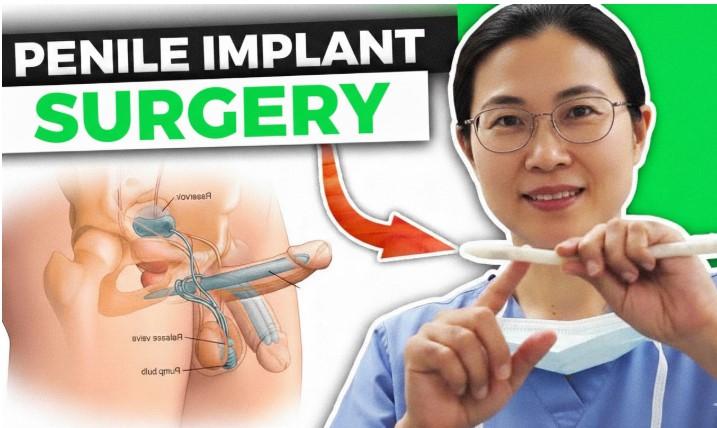
Penile implant surgery is a medical procedure designed to help men with erectile dysfunction (ED) achieve an erection firm enough for sexual intercourse when other treatments have not provided satisfactory results. It involves placing a medical device inside the penis to provide mechanical support for an erection. The procedure is also known as penile prosthesis surgery or penile implant placement.
Erectile dysfunction can affect men of different ages and may develop because of diabetes, cardiovascular disease, nerve damage, hormonal problems, pelvic surgery, or other medical conditions. Although medications, lifestyle changes, vacuum erection devices, and injections can help many men, some individuals continue to experience difficulty achieving or maintaining an erection.
For these patients, penile implant surgery may offer a long-term treatment option. Modern implants are designed to provide reliable rigidity while preserving a natural appearance when the device is not in use. Depending on the type of implant selected, a man can either manually inflate the device to produce an erection or position a malleable implant for sexual activity.
Understanding how penile implant surgery works, who may benefit from it, and what recovery involves can help patients make informed decisions with a qualified urologist.
What Is Penile Implant Surgery?
Penile implant surgery is a surgical treatment for erectile dysfunction in which a prosthetic device is placed inside the penis. The implant helps the penis become rigid enough for penetration when a natural erection cannot be achieved reliably.
The penis contains two cylindrical chambers called the corpora cavernosa. During a natural erection, these chambers fill with blood, causing the penis to become firm. In men with erectile dysfunction, this process may not work adequately because of problems with blood flow, nerve function, or other underlying conditions.
A penile implant provides an alternative way to achieve rigidity. It does not depend on the normal erectile response in the same way that oral ED medications do.
The implant is placed internally, so it is generally not visible from the outside. The specific surgical technique and device depend on the patient's anatomy, medical history, preferences, and the surgeon's assessment.
Penile implant surgery is generally considered when less invasive treatments have failed, caused unacceptable side effects, or are unsuitable for the patient. It is important to understand that the operation treats the mechanical problem of achieving an erection; it does not necessarily correct the underlying cause of erectile dysfunction.
Types of Penile Implants
There are two main categories of penile implants: inflatable implants and malleable (semi-rigid) implants. Both are designed to help men with erectile dysfunction achieve sufficient penile rigidity, but they work differently.
The most suitable option depends on the patient's medical condition, manual dexterity, lifestyle, preferences, and the surgeon's recommendations.
1. Inflatable Penile Implant
An inflatable penile implant is a device that allows the user to control when the penis becomes firm and when it returns to a softer state. It is often considered by men who want a more natural-looking flaccid appearance when they are not engaging in sexual activity.
Inflatable implants are available in two-piece and three-piece designs.
Three-piece inflatable penile implant
A three-piece implant typically consists of:
-
Two inflatable cylinders placed inside the erectile chambers of the penis.
-
A small pump located inside the scrotum.
-
A fluid reservoir placed inside the body, usually in the lower abdominal or pelvic region.
When the user squeezes the pump, fluid moves from the reservoir into the cylinders, creating rigidity. After sexual activity, the deflation mechanism allows the fluid to return to the reservoir.
Advantages include:
-
Good control over the timing of an erection.
-
A firm erection when inflated.
-
A softer appearance when deflated.
-
The ability to inflate and deflate the device as needed.
However, the device has multiple components, requires the ability to operate the pump, and may eventually need surgical repair or replacement if a component fails.
Two-piece inflatable penile implant
A two-piece implant also contains inflatable cylinders and a scrotal pump, but the fluid-storage component is incorporated into the pump assembly rather than being placed in a separate abdominal reservoir.
This design may be considered for patients whose medical history or previous abdominal surgery makes a separate reservoir less desirable.
The surgeon determines whether a two-piece or three-piece device is appropriate after assessing the patient's anatomy and overall health.
2. Malleable or Semi-Rigid Penile Implant
A malleable penile implant consists of two bendable rods placed inside the erectile chambers of the penis. These rods provide continuous firmness and can be manually positioned upward for sexual activity or downward for concealment.
Unlike an inflatable implant, a malleable device does not require a pump, tubing, or a separate fluid reservoir.
Its potential advantages include:
-
A relatively simple mechanical design.
-
Ease of operation.
-
No need to inflate or deflate a device.
-
Possible suitability for men with limited hand strength or dexterity.
-
Fewer mechanical components that could fail.
The main disadvantages are that the penis remains semi-rigid at all times and may be more difficult to conceal under clothing. Some patients also find that its appearance and feel are less natural than those of an inflatable device.
Comparison of Penile Implant Types
|
Feature |
Inflatable implant |
Malleable implant |
|---|---|---|
|
How it works |
Pump-controlled inflation |
Manually positioned rods |
|
Flaccid appearance |
Softer when deflated |
Remains semi-rigid |
|
Mechanical complexity |
More components |
Fewer components |
|
Ease of operation |
Requires pump use |
Requires manual positioning |
|
Concealment |
Generally easier when deflated |
May be more challenging |
|
Best suited for |
Patients seeking adjustable rigidity |
Patients preferring a simpler device |
There is no single implant that is best for every patient. A consultation with an experienced urologist is essential to compare the available options.
Who Is a Suitable Candidate for Penile Implant Surgery?
Penile implant surgery may be appropriate for men who have persistent erectile dysfunction and have not achieved satisfactory results with other treatments or who prefer a definitive surgical option after informed counselling.
Potential candidates include men with:
-
Persistent erectile dysfunction: Difficulty achieving or maintaining an erection sufficient for sexual intercourse.
-
Diabetes-related erectile dysfunction: Nerve or blood vessel damage associated with diabetes.
-
Cardiovascular disease: Conditions affecting blood flow to the penis, when the patient is medically fit for surgery.
-
Nerve damage: Erectile dysfunction following certain pelvic operations, injuries, or neurological conditions.
-
Prostate cancer treatment-related ED: Erectile difficulties after prostate surgery or other cancer treatments.
-
Peyronie's disease with erectile dysfunction: Penile curvature or scarring accompanied by erection problems that warrant surgical assessment.
-
Unsatisfactory results from other ED treatments: Failure, intolerance, or inability to use appropriate medications, injections, or vacuum devices.
-
A preference for a long-term mechanical solution: Patients who understand the irreversible aspects of implant surgery and accept its potential complications.
A penile implant is not automatically appropriate for every man with erectile dysfunction. A clinician must assess general health, surgical fitness, expectations, and alternative treatment options before recommending the procedure.
When Is Penile Implant Surgery Not Recommended?
Some circumstances may require surgery to be delayed or may make it unsuitable.
Examples include:
-
An active urinary tract infection.
-
An infection affecting the skin around the surgical area.
-
An uncontrolled systemic infection.
-
Poorly controlled diabetes or other medical conditions that increase surgical risk.
-
Serious cardiovascular or other health problems that make anesthesia unsafe without further evaluation.
-
Unrealistic expectations about penis size, sexual desire, or the results of surgery.
-
Inability to understand or manage the device safely, without an appropriate alternative arrangement.
These factors do not all represent permanent contraindications. Some can be addressed through treatment, improved disease control, additional assessment, or a different device choice.
Patients should disclose all medications, allergies, previous operations, and relevant medical conditions to their surgical team.
How to Prepare for Penile Implant Surgery
Proper preparation helps the surgeon identify potential risks and plan the procedure according to the patient's needs.
1. Medical Consultation
The urologist reviews the history of erectile dysfunction, previous treatments, other medical conditions, sexual goals, and expectations.
The consultation should include a discussion of implant types, possible complications, device longevity, and the likelihood of needing future surgery.
2. Physical Examination
A genital examination helps assess penile anatomy, existing scar tissue, curvature, and other factors that could influence the choice of implant or surgical technique.
The clinician may also assess general health and relevant cardiovascular or neurological conditions.
3. Blood Tests and Other Investigations
Depending on the patient's history, investigations may include:
-
Blood glucose or HbA1c testing.
-
Blood count and other preoperative laboratory tests.
-
Kidney function or other tests when indicated.
-
Urine testing if infection is suspected or screening is appropriate.
-
Cardiac assessment when required by the patient's medical history.
Not every patient requires every test. Investigations are selected according to individual needs and local surgical protocols.
4. Medication Review
The surgical team reviews prescription medications, over-the-counter medicines, supplements, anticoagulants, and antiplatelet drugs.
Patients should never stop prescribed blood thinners or other regular medication without instructions from the treating clinician.
5. Surgical Planning and Consent
Before the operation, the surgeon explains the planned device, incision, anesthesia, expected recovery, potential effect on perceived penile length, and the possibility of future revision surgery.
Patients should also receive clear instructions regarding fasting, bathing, transportation home, and postoperative support.
Step-by-Step Penile Implant Surgery Procedure

Penile implant surgery is performed by a trained urologist, generally in a hospital or appropriately equipped surgical facility. The exact technique depends on the implant type and the patient's anatomy.
Step 1: Anesthesia
The patient receives general anesthesia or another suitable anesthetic approach determined by the anesthesiologist and surgical team.
The surgical area is cleaned and prepared under sterile conditions to reduce the risk of infection.
Step 2: Surgical Incision
The surgeon makes an incision in an appropriate location, commonly near the junction of the penis and scrotum or in the lower abdominal region, depending on the technique and device.
Step 3: Placement of the Implant
The surgeon carefully prepares the two erectile chambers and places the implant cylinders or malleable rods within them.
For inflatable devices, the pump and, when applicable, the separate fluid reservoir are also positioned.
Step 4: Device Testing
The surgeon checks the placement and function of the device. An inflatable implant is tested to ensure that it inflates and deflates appropriately.
Step 5: Closure
The incision is closed, and dressings or other supportive measures are applied as needed.
Step 6: Postoperative Monitoring
The patient is monitored while recovering from anesthesia. Depending on the individual's condition and the facility's protocols, discharge may occur the same day or after an overnight stay.
The duration of the operation varies with the device, anatomy, previous surgery, and surgical complexity.
Benefits of Penile Implant Surgery
Penile implant surgery can offer important benefits for appropriately selected men with erectile dysfunction.
1. Reliable Penile Rigidity
An implant provides a mechanical way to achieve sufficient firmness for penetration, even when the body's natural erection mechanism is impaired.
2. Greater Control Over Sexual Activity
Inflatable implants allow the user to control when the penis becomes firm and when it returns to a softer state. Malleable devices can be manually positioned when needed.
3. Long-Term Treatment Option
Unlike medications that must be taken or used for individual sexual encounters, a penile implant remains in place and can be used repeatedly after healing and medical clearance.
4. Improved Sexual Confidence
For some men, improved erectile reliability reduces anxiety related to sexual performance and helps restore confidence in intimate relationships.
5. Potential Improvement in Relationship Satisfaction
Some couples report improved sexual satisfaction after successful treatment. Open communication and realistic expectations can help both partners adjust to changes in sexual function.
6. Reduced Dependence on Other ED Treatments
Many men no longer need conventional erection medications or injections to obtain rigidity after implantation, although individual needs vary and other treatments may still be required for separate sexual health concerns.
7. High Patient Satisfaction
Penile prostheses are associated with high satisfaction among appropriately selected patients. Outcomes depend on counselling, expectations, surgical expertise, complications, and adjustment after surgery.
Risks and Possible Complications of Penile Implant Surgery
Although penile implant surgery is an established treatment, it is still an operation involving an implanted medical device. Patients should understand both short-term surgical risks and potential long-term complications.
1. Infection
Infection is one of the most important complications because it can require additional surgery and removal of the implant.
Risk can be influenced by diabetes, other medical conditions, wound problems, and surgical factors. Antibiotic-coated devices and careful sterile techniques can reduce risk but cannot eliminate it.
2. Pain and Swelling
Bruising, swelling, tenderness, and discomfort around the penis and scrotum are common during early recovery. These symptoms usually improve gradually.
Severe or worsening pain should be assessed by the medical team.
3. Bleeding or Hematoma
Blood may collect beneath the skin following surgery. Small amounts of bruising may resolve without intervention, while a significant hematoma may require medical treatment.
4. Mechanical Failure
An inflatable implant contains mechanical components that can wear out, leak, or malfunction over time. Malleable devices can also develop problems.
Repair or replacement may require another operation.
5. Implant Erosion or Displacement
In uncommon cases, part of the device may press against or damage surrounding tissue, or its position may change. This can require specialist assessment and corrective surgery.
6. Changes in Perceived Penile Length
Some men feel that their penis appears shorter after implantation than it did before erectile dysfunction developed. A penile implant is designed to restore rigidity, not to enlarge the penis beyond its existing anatomical dimensions.
The surgeon should discuss realistic expectations before the procedure.
7. Changes in Sexual Function
Penile implant surgery does not directly restore sexual desire, repair damaged nerves, or guarantee normal orgasm and ejaculation.
Many men retain their existing sensation and ability to orgasm, but these functions depend on the underlying condition and previous treatments.
8. Anesthetic and Surgical Complications
As with other operations, risks can include anesthetic reactions, blood clots, urinary problems, injury to nearby structures, and delayed wound healing.
The likelihood of complications varies by patient and procedure.
Recovery After Penile Implant Surgery
Recovery takes time, and patients should follow the specific instructions provided by their surgeon. The timeline below is a general guide rather than a fixed schedule.

First 24–72 hours
Rest, manage discomfort with prescribed medication, and follow wound-care instructions. Swelling, bruising, and tenderness are expected to some degree. Avoid strenuous activity.

First 1–2 weeks
Gradually resume light daily activities as advised. Avoid heavy lifting, vigorous exercise, and activities that place pressure on the surgical area. Attend follow-up appointments.

Weeks 3–6
Healing continues, and discomfort generally improves. The surgeon assesses the incision and determines when device training and more normal activities can begin.

Around 6–8 weeks
Some patients are cleared to resume sexual activity during this period. The exact timing depends on healing, the implant, and the surgeon's assessment. Patients should not resume intercourse or masturbation until they receive clearance.
Important Postoperative Care Instructions
To support recovery, patients should:
-
Keep the incision clean and follow the wound-care instructions.
-
Take prescribed medicines as directed.
-
Wear supportive garments if recommended.
-
Avoid swimming, strenuous activity, and heavy lifting until cleared.
-
Attend all scheduled follow-up visits.
-
Learn how to operate the implant from the medical team before using it.
-
Avoid sexual activity until the surgeon confirms that healing is sufficient.
Seek prompt medical attention if you develop fever, spreading redness, pus or unusual drainage, worsening swelling or pain, difficulty urinating, or skin changes around the implant. Sudden severe pain, significant bleeding, or a rapidly worsening condition warrants urgent assessment.
Does Penile Implant Surgery Affect Sexual Performance?
Penile implant surgery can improve the mechanical ability to have penetrative sex, but it does not guarantee that every aspect of sexual performance will improve.
Erectile Function
The primary purpose of the implant is to provide penile rigidity. Inflatable devices allow the user to activate and deactivate an erection, while malleable devices provide continuous semi-rigidity.
Sexual Sensation
The implant is placed inside the penis and is not intended to remove sensation. Most men retain their existing penile sensation, although sensation can vary according to underlying nerve damage, previous surgery, and individual circumstances.
Orgasm and Ejaculation
A penile implant does not directly control orgasm or ejaculation. Men who can orgasm or ejaculate before surgery may generally continue to do so, but underlying medical conditions and previous treatments can affect these functions.
Sexual Desire
The implant does not increase testosterone or directly improve libido. Men with reduced sexual desire may need a separate evaluation for hormonal, psychological, relationship-related, or other medical factors.
Partner Satisfaction
Partners may also report improved satisfaction when erectile difficulties are successfully treated. However, communication, expectations, comfort, and the couple's broader sexual health remain important.
Does a Penile Implant Increase Penis Size?
No. A penile implant is designed to provide rigidity rather than increase penis length or girth beyond the person's existing anatomy.
Some men perceive their penis as shorter following surgery, particularly if they previously had severe erectile dysfunction, penile scarring, or reduced erections over an extended period.
Before surgery, the urologist should discuss likely dimensions, any existing curvature, and realistic expectations. Men considering the procedure primarily for cosmetic enlargement should understand that this is not its intended purpose.
How Long Does a Penile Implant Last?
Penile implants are designed for long-term use, but they are not guaranteed to last for life.
Their durability depends on the device, mechanical wear, surgical factors, medical conditions, and other individual circumstances. Some implants function for many years without major problems, while others may eventually need repair or replacement.
Long-term studies reviewed in European urology guidance report that estimated implant survival decreases over time, with approximately 87% of devices remaining free from replacement or failure at five years and 77% at ten years in one pooled analysis. These figures are population estimates, not a prediction for an individual patient.
Patients should ask their surgeon about the expected lifespan of the proposed device, warranty arrangements where applicable, and access to revision surgery if problems arise.
Penile Implant Surgery Success Rate
Penile implant surgery has a strong record of restoring erectile function and achieving high patient satisfaction in appropriately selected men.
However, success can mean different things, including the ability to have penetrative sex, reliable device operation, satisfaction with appearance, improvement in confidence, or satisfaction for both partners.
European Association of Urology guidance reports high patient and partner satisfaction in published studies, although results vary across studies and patient groups.
The likelihood of a satisfactory outcome depends on several factors:
-
The patient's underlying condition.
-
The implant type selected.
-
The surgeon's experience with penile prosthesis surgery.
-
Control of diabetes and other relevant medical conditions.
-
Whether expectations are realistic.
-
Recovery, follow-up, and management of complications.
A surgeon can explain the outcomes most relevant to the patient's circumstances rather than relying on a single general success-rate figure.
Penile Implant Surgery Cost
The cost of penile implant surgery varies considerably according to the country, hospital, implant manufacturer, surgical complexity, and postoperative care requirements.
In Pakistan, patients should request an individualized estimate from a qualified urologist and the hospital where surgery will be performed. Prices can differ between Lahore, Multan, Karachi, Islamabad, and other cities, so a single national price should not be assumed.
Factors affecting the total cost include:
-
Type of implant: Inflatable devices are generally more expensive than malleable implants.
-
Device brand and model: The cost depends on the specific prosthesis and its features.
-
Surgeon's fees: Experience and surgical complexity can affect professional fees.
-
Hospital and operating-room charges: These may include anesthesia, operating facilities, and inpatient care.
-
Preoperative investigations: Blood tests, urine tests, and other assessments may be billed separately.
-
Medication and follow-up: Postoperative prescriptions and appointments may add to the total.
-
Management of complications: Revision surgery or treatment of an infection can create additional costs.
When requesting a quotation, ask whether the package includes the implant itself, surgeon and anesthetist fees, hospital stay, medications, follow-up appointments, and any device warranty.
A low initial price should not be the only deciding factor. Device quality, appropriate patient selection, infection prevention, surgical experience, and long-term follow-up are also important.
Penile Implant Surgery vs. Other Erectile Dysfunction Treatments
Penile implants are one of several available treatments for erectile dysfunction. Other approaches may be more appropriate depending on the cause and severity of the condition.
|
Treatment |
How it works |
Main consideration |
|---|---|---|
|
Oral ED medication |
Supports the natural erection response |
Requires appropriate timing and medical suitability |
|
Vacuum erection device |
Uses negative pressure to draw blood into the penis |
Non-surgical but may require a constriction ring |
|
Penile injections |
Medication helps produce an erection |
Requires training and careful dosing |
|
Lifestyle changes |
Addresses contributing factors such as inactivity, smoking, or metabolic health |
May improve overall health and erectile function |
|
Penile implant surgery |
Provides mechanical rigidity using an implanted device |
Requires surgery and may need future revision |
Oral medications are commonly used as an initial treatment when appropriate. Other non-surgical options can be considered according to patient preference, underlying medical conditions, and response to previous treatments.
A penile implant may be considered when these approaches are ineffective, unsuitable, or not preferred after informed discussion.
Choosing the Right Surgeon for Penile Implant Surgery
Selecting a qualified surgeon is one of the most important decisions for anyone considering penile implant surgery.
Patients should look for a urologist with relevant training and experience in male sexual health and penile prosthetic surgery.
Consider the following questions during a consultation:
-
How frequently do you perform penile implant procedures?
-
Which implant types are available, and why would you recommend one for me?
-
What are the expected benefits and the main risks in my case?
-
How do you reduce the risk of infection?
-
What recovery period should I expect?
-
When can I resume sexual activity?
-
What happens if the implant malfunctions or needs replacement?
-
What is included in the treatment cost?
-
Who should I contact if I develop a postoperative problem?
Patients should feel comfortable discussing sexual health concerns without embarrassment. A trustworthy clinician will explain the options clearly, answer questions, and avoid promising guaranteed results.
Frequently Asked Questions About Penile Implant Surgery
1. Is penile implant surgery permanent?
The implant is intended as a long-term treatment, but it may eventually need repair or replacement. The surgery also has important long-term implications because the procedure changes the normal erectile anatomy.
2. Is penile implant surgery painful?
The operation is performed under anesthesia, so the patient should not feel the surgical procedure itself. Pain, swelling, and tenderness can occur afterward and are managed according to the surgeon's instructions.
3. How long does penile implant surgery take?
The duration varies depending on the implant type, surgical technique, previous operations, and individual anatomy. The surgeon can provide a more specific estimate before the procedure.
4. Can a man urinate normally after penile implant surgery?
The implant is designed to support erections rather than interfere with urination. Temporary urinary discomfort or difficulty may occur after surgery, so persistent or worsening symptoms should be reported to the medical team.
5. Can a man have an orgasm after receiving a penile implant?
Many men retain the ability to orgasm after surgery. However, an implant does not directly treat problems caused by nerve damage, medication effects, or other conditions affecting orgasm.
6. Does a penile implant affect fertility?
A penile implant is not a fertility treatment. It generally does not directly prevent sperm production, but fertility depends on other reproductive and medical factors. Men with fertility concerns should discuss them with their clinician before surgery.
7. Will the implant be visible?
The implant is placed inside the body, so it is generally not externally visible. The appearance of the penis depends on the implant type, anatomy, surgical outcome, and whether an inflatable device is deflated.
8. Can a penile implant fail?
Yes. Mechanical failure can occur over time, and infection or other complications can require additional surgery. Regular follow-up and prompt assessment of device problems are important.
9. Is penile implant surgery suitable for men with diabetes?
Some men with diabetes can safely undergo penile implant surgery. However, diabetes may increase the risk of infection and wound complications, making appropriate assessment and blood glucose management especially important.
10. Is penile implant surgery better than ED medication?
Neither option is best for every patient. Medications are less invasive and may be effective for many men, while implants can offer reliable mechanical rigidity when other treatments do not provide satisfactory results.
11. When can I resume sexual activity after surgery?
Many patients receive clearance around six to eight weeks after surgery, but timing varies. Sexual activity should resume only when the surgeon confirms that healing is adequate and the device can be used safely.
12. Can a penile implant treat Peyronie's disease?
A penile implant may be considered when Peyronie's disease causes erectile dysfunction. Additional techniques may be needed to address significant curvature, depending on the individual case.
13. Can the implant increase sexual desire?
No. An implant provides rigidity but does not directly increase libido or testosterone. Reduced sexual desire requires separate assessment when appropriate.
14. What should I do if I suspect an implant infection?
Contact your surgical team urgently if you develop fever, worsening pain, spreading redness, drainage, or unusual skin changes. An implant infection may require antibiotics and additional surgery.
15. Can a penile implant be replaced?
Yes. A malfunctioning, damaged, or infected implant may sometimes be repaired or replaced. The treatment plan depends on the nature of the problem, the patient's health, and the condition of surrounding tissue.
Conclusion
Penile implant surgery is an established surgical option for men with erectile dysfunction who do not achieve satisfactory results with other treatments or who prefer a long-term mechanical solution after appropriate counselling.
The two main options are inflatable and malleable implants. Inflatable devices offer adjustable rigidity, while malleable devices provide continuous semi-rigidity and a simpler mechanical design.
Although penile implant surgery can restore the ability to achieve an erection suitable for intercourse and improve sexual confidence, it involves potential complications, a recovery period, and the possibility of future revision surgery. It does not automatically improve libido, restore damaged sensation, or enlarge the penis.
The best results depend on careful patient selection, realistic expectations, a qualified urologist, appropriate infection prevention, and consistent postoperative care.
Men experiencing persistent erectile dysfunction should consult a qualified urologist to discuss the underlying cause of their symptoms and compare available treatment options. A personalized assessment can help determine whether a penile implant is appropriate and which device best fits their medical needs and goals.
References and Further Reading
For additional medically reviewed information, readers can consult these established sources:
-
European Association of Urology — Penile implants: Patient information.
-
Mayo Clinic — Penile implants: Overview, benefits, and risks.
-
American Urological Association — Erectile Dysfunction Guideline.
-
Cleveland Clinic — Penile Implants: Purpose, Procedure, Risks and Recovery.
Medical disclaimer: This article is for educational purposes only and does not replace an individual consultation, diagnosis, or treatment plan from a qualified healthcare professional.

 English
 Arabic
 French
 Portuguese
 Deutsch
 Turkish
 Dutch
Dutch
 Italiano
 Russian
 Romaian
 Portuguese (Brazil)
 Greek
Greek