
Is Chemical Peel Treatment Suitable for Mature Skin?
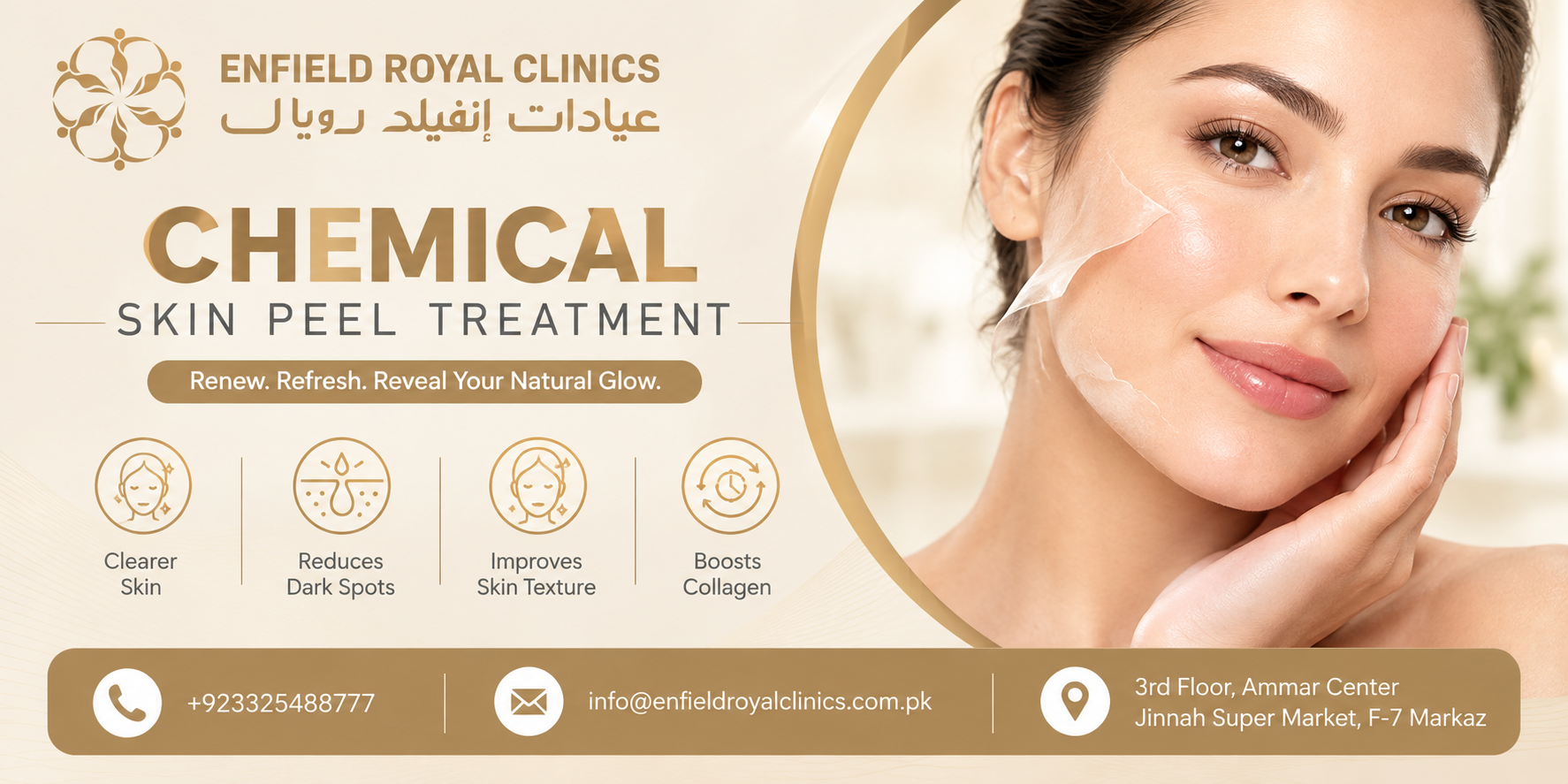
Aging is a natural process that gradually changes the skin's texture, firmness, and appearance. As people grow older, the skin may develop fine lines, wrinkles, age spots, uneven tone, dryness, and a rough surface. These changes can make the complexion appear dull or tired. Many people with mature skin explore professional skincare treatments to improve these concerns and maintain a healthier-looking appearance.
One popular option is a chemical peel. It is a skin-resurfacing treatment that uses carefully selected chemical solutions to remove damaged outer skin cells and encourage natural skin renewal. However, people with mature skin often wonder whether the procedure is suitable for them and whether it can improve visible signs of aging.
Chemical peel treatment in Islamabad can be considered by mature adults who want to address concerns such as uneven pigmentation, fine lines, and rough skin texture. The right treatment depends on the individual's skin condition, sensitivity, medical history, and desired results. A professional skin assessment is important before choosing any peel.
1. How Does Chemical Peel Treatment Work on Mature Skin?
A chemical peel works by applying a specially formulated solution to the skin. This solution helps loosen and remove damaged surface cells, allowing newer skin cells to become more visible as the skin heals.
As the skin ages, its natural renewal process may become slower. Dead skin cells can accumulate on the surface, contributing to dullness, uneven texture, and a less radiant appearance. A suitable chemical peel can help improve these concerns by supporting the skin's natural renewal process.
Depending on its strength and ingredients, a chemical peel may help:
-
Remove accumulated dead skin cells.
-
Improve rough and uneven skin texture.
-
Reduce the appearance of certain dark spots.
-
Soften the appearance of fine lines.
-
Improve mild discoloration caused by sun exposure.
-
Give the complexion a smoother and brighter appearance.
The results depend on the type of peel and the condition being treated. Chemical peels do not stop the aging process, but they may help improve some visible signs of skin aging.
2. What Skin Concerns Can Chemical Peels Improve in Mature Adults?
Mature skin can experience several changes due to aging, sun exposure, environmental factors, and reduced collagen production. Chemical peels may help address some surface-level concerns when the correct formula is selected.
Fine lines and wrinkles: Mild chemical peels can improve the appearance of superficial fine lines by removing damaged outer skin cells. However, deeper wrinkles usually require different or additional treatment options.
Age spots and pigmentation: Sun exposure over many years can contribute to brown spots and uneven pigmentation. Certain peels may help reduce the appearance of these marks by promoting the removal of pigmented surface cells.
Dull complexion: Mature skin may lose some of its natural brightness. Exfoliation through a suitable peel can help reveal fresher-looking skin.
Uneven texture: Dryness, sun damage, and slower cell renewal can make the skin feel rough. Chemical peels may help create a smoother surface.
Mild acne marks: Some mature adults continue to experience occasional breakouts or visible marks left by previous acne. Depending on the type of scarring, a peel may improve superficial discoloration but is less effective for deep, indented scars.
A professional assessment helps determine whether a chemical peel is appropriate for these concerns or whether another skincare approach would be more effective.
3. Which Type of Chemical Peel Is Best for Mature Skin?
Not every chemical peel is suitable for every age group or skin condition. Mature skin may be thinner, drier, or more sensitive, so selecting the correct strength is particularly important.
The main categories include:
Superficial peels: These are generally the mildest options. They work mainly on the outermost layer of the skin and may contain ingredients such as glycolic acid, lactic acid, or salicylic acid. They can be considered for mild dullness, uneven texture, and superficial pigmentation.
Medium-depth peels: These penetrate deeper into the skin and may be used for more noticeable sun damage, pigmentation, and fine lines. They usually involve a longer recovery period and require careful professional evaluation.
Deep peels: These reach deeper skin layers and can produce more significant resurfacing effects. However, they also carry greater risks, including prolonged healing, pigmentation changes, and scarring. They are not suitable for everyone and require specialist assessment.
For many mature adults, a gentle approach may be preferable, especially when dryness or sensitivity is present. The most suitable option depends on the individual's skin health rather than age alone.
4. Is Chemical Peel Treatment Safe for Aging and Sensitive Skin?
Chemical peel treatment can be suitable for many mature adults, but safety depends on selecting the correct formula, concentration, and treatment depth. Aging skin may have a weaker protective barrier, making it more vulnerable to irritation and dryness.
A professional should evaluate the skin before treatment, particularly if the person has a history of sensitive skin, eczema, rosacea, cold sores, or unusual pigmentation. Certain medications and skincare ingredients may also affect treatment suitability.
Possible temporary side effects include:
-
Redness and mild swelling.
-
Dryness or tightness.
-
Peeling and flaking.
-
Temporary skin sensitivity.
-
Changes in pigmentation.
-
Irritation or discomfort.
More serious complications, such as infection, scarring, or persistent pigmentation changes, are less common but can occur, particularly with deeper peels or inappropriate treatment.
People with a history of poor wound healing, active skin infections, or recent use of certain medications should discuss these factors before treatment. A gentle peel is not automatically safe for every sensitive skin type.
5. What Results Can Mature Adults Expect After a Chemical Peel?
The results of a chemical peel depend on the treatment depth, skin condition, and individual healing response. Some people notice a brighter complexion and smoother texture after the skin has recovered, while pigmentation and fine lines may require multiple sessions.
Superficial peels usually produce gradual improvements and may involve little downtime. Medium-depth peels can provide more noticeable changes but generally require a longer recovery period. Deep peels may offer more significant results for selected concerns, although their risks and healing requirements are greater.
It is important to understand that chemical peels cannot completely remove deep wrinkles, restore lost facial volume, or reverse all signs of aging. They are mainly designed to improve the skin's surface and certain types of discoloration.
People considering Chemical peel treatment in Islamabad should discuss realistic expectations during their consultation. The goal should be healthier-looking skin rather than an unrealistic promise of completely reversing aging.
6. How Should Mature Skin Be Cared for After a Chemical Peel?
Aftercare plays an important role in protecting the skin and supporting proper healing. Mature skin may need extra attention because dryness and sensitivity can become more noticeable after exfoliation.
The following precautions can help maintain skin comfort during recovery:
-
Use gentle skincare products: A mild cleanser can help prevent unnecessary irritation.
-
Apply moisturizer regularly: A fragrance-free moisturizer can support the skin barrier and reduce dryness.
-
Wear broad-spectrum sunscreen: Sun protection is essential because freshly treated skin can be more sensitive to sunlight.
-
Avoid picking peeling skin: Removing loose skin manually may increase the risk of irritation, infection, or scarring.
-
Pause strong active ingredients: Retinoids, exfoliating acids, and other irritating products should be avoided until the skin has recovered and the treating professional approves their use.
-
Avoid excessive heat: Hot showers, saunas, and intense heat exposure may worsen discomfort during the early recovery period.
The skin should be allowed to heal naturally. If severe pain, increasing redness, swelling, blistering, or signs of infection develop, medical advice should be sought promptly.
7. Who Should Consider Chemical Peel Treatment for Mature Skin?
Chemical peels may be worth considering for mature adults who want to improve mild to moderate surface-level skin concerns. They may be particularly helpful for people experiencing dullness, rough texture, superficial pigmentation, and early signs of aging.
However, the treatment may not be the best option for everyone. Individuals with very sensitive skin, active infections, certain inflammatory skin conditions, or a tendency to develop abnormal scars may need alternative treatments.
A consultation should include an assessment of skin thickness, hydration, pigmentation, medical history, and current skincare routine. The professional can then recommend an appropriate peel or suggest another treatment if a chemical peel is unlikely to provide the desired improvement.
Chemical peel treatment in Islamabad can be an option for mature adults seeking professional skin resurfacing. Choosing the correct treatment depth and following proper aftercare are essential for achieving a safe and satisfactory outcome.
Frequently Asked Questions
1. Is chemical peel treatment suitable for people over 50?
Yes, many people over 50 may be suitable candidates. Age alone does not determine eligibility. Skin condition, sensitivity, medical history, and treatment goals are more important factors.
2. Can chemical peels reduce wrinkles on mature skin?
Chemical peels may soften the appearance of fine lines and improve skin texture. However, deeper wrinkles generally require other treatment approaches.
3. How many chemical peel sessions are needed for mature skin?
The number of sessions depends on the skin concern and peel strength. Some people may notice improvements after one treatment, while others may need a series of superficial peels.
4. Does chemical peel treatment make mature skin thinner?
A properly selected peel does not normally make the skin thinner. However, excessive exfoliation or overly aggressive treatments can damage the skin barrier and cause irritation.
5. How long does mature skin take to recover after a chemical peel?
Recovery depends on the peel depth. Superficial peels may heal within a few days, while medium and deep peels can require considerably longer. The treating professional should explain the expected recovery period.
6. Can mature adults use anti-aging creams after a chemical peel?
They may resume suitable anti-aging products once the skin has fully recovered. Strong ingredients such as retinoids and exfoliating acids should only be restarted according to professional guidance.

 English
 Arabic
 French
 Spanish
 Portuguese
 Deutsch
 Turkish
 Dutch
 Russian
 Romaian
 Portuguese (Brazil)
 Greek