
Ironhorse Physical Therapy & Pilates: Finding the Right Pelvic Floor Therapy Near Me for Better Comfort
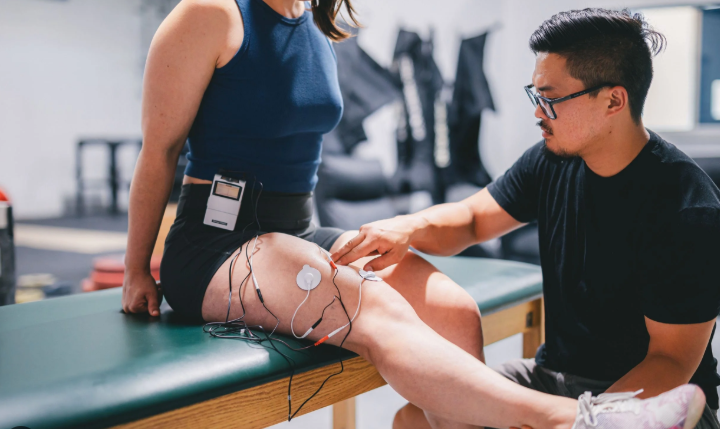
Searching for Pelvic floor therapy near me can be an important first step when pelvic discomfort, bladder control concerns, or changes in everyday movement begin affecting your quality of life. These concerns can develop during pregnancy, after childbirth, following surgery, or at different stages of life. They may also occur without an obvious cause. Although some people feel uncomfortable discussing pelvic health, these concerns are common, and appropriate professional guidance may help improve comfort, movement, and daily function.
At Ironhorse Physical Therapy & Pilates, movement-focused care is an important part of supporting an active lifestyle in San Ramon. If you are experiencing pelvic health concerns, understanding your symptoms and learning about available rehabilitation options can help you make informed decisions about your next steps. Pelvic floor concerns are not always related to muscle weakness, so an individualized evaluation is important for determining what kind of care may be appropriate for your needs.
Understanding the Pelvic Floor and Its Role in Everyday Life
The pelvic floor is a group of muscles and connective tissues located at the base of the pelvis. These muscles support pelvic organs and contribute to bladder and bowel control, core stability, and other important bodily functions. They also coordinate with the diaphragm, abdominal muscles, and hips to support movement and manage pressure during everyday activities.
When the pelvic floor muscles function well, they contract and relax at the appropriate times. However, these muscles can become weak, overly tight, sensitive, or poorly coordinated. Changes in muscle function may contribute to symptoms that affect comfort and daily activities.
For example, a person may experience urine leakage while coughing, laughing, lifting, or exercising. Another person may notice pelvic pressure, discomfort while sitting, difficulty relaxing during bowel movements, or pain during certain activities. Some people experience symptoms that interfere with walking, strength training, or returning to exercise after pregnancy.
Pelvic floor problems do not look the same for everyone. Two people may experience similar symptoms for different reasons and require different treatment approaches. A qualified healthcare professional can help determine whether the pelvic floor may be contributing to your concerns and whether specialized physical therapy is appropriate.
Understanding how these muscles work is a useful starting point because pelvic health involves more than simply strengthening one muscle group. Relaxation, coordination, breathing, posture, and overall movement patterns may also play important roles.
Common Signs That Pelvic Floor Therapy May Help
Pelvic floor concerns can sometimes develop gradually, making it difficult to recognize when professional guidance may be useful. People may adjust their routines, avoid certain activities, or assume their symptoms are an unavoidable part of aging or recovery after childbirth.
However, symptoms that repeatedly interfere with daily life deserve attention. A healthcare professional can help identify possible causes and discuss suitable treatment options.
Some concerns that may warrant an assessment include:
-
Bladder control difficulties: Urine leakage during exercise, coughing, sneezing, or lifting, along with frequent or urgent trips to the bathroom.
-
Pelvic pain or pressure: Discomfort in the pelvic region, lower abdomen, hips, or tailbone that affects sitting, walking, or other activities.
-
Bowel-related difficulties: Constipation, straining, or difficulty coordinating the muscles involved in bowel movements.
-
Pregnancy and postpartum changes: Pelvic discomfort, reduced core control, or challenges returning to regular activities after childbirth.
-
Discomfort during intimate activities: Pain or muscle tension that affects comfort and quality of life.
-
Changes following surgery: Pelvic symptoms or movement limitations that develop after an appropriate medical procedure.
These symptoms can have different causes, and pelvic floor dysfunction is not the explanation for every pelvic or abdominal concern. It is important to discuss persistent or worsening symptoms with a qualified healthcare professional rather than attempting to diagnose the problem independently.
Seeking help can provide an opportunity to understand your symptoms, explore available options, and develop a plan that reflects your health history and goals.
Why Pelvic Floor Therapy Is Not Just About Strengthening
One common misconception about pelvic health is that everyone experiencing symptoms needs to perform more pelvic floor strengthening exercises. In reality, the pelvic floor muscles may be weak, overly tense, or unable to coordinate properly with other muscles.
When muscles are weak or do not contract effectively, a therapist may recommend specific exercises to improve strength and control. When the muscles are excessively tight or difficult to relax, the treatment approach may instead emphasize relaxation, breathing, gentle mobility, and other techniques selected for the person's needs.
Performing strengthening exercises without understanding the underlying problem may not be helpful for everyone. For someone whose pelvic floor muscles are already overly tense, repeatedly contracting them without appropriate guidance could aggravate discomfort.
A specialized assessment can help determine which approach is suitable. Depending on the findings, a treatment plan may include pelvic floor muscle training, relaxation strategies, breathing exercises, movement education, coordination training, or other conservative techniques.
The aim is to improve how the muscles function rather than simply making them stronger. Effective rehabilitation considers the ability to contract, relax, coordinate, and respond to the demands of everyday movement.
This is why searching for Pelvic floor therapy near me should involve more than finding a nearby appointment. It is also important to look for a qualified professional who understands pelvic health and can adapt treatment to your symptoms.
How Pregnancy and Childbirth Can Affect Pelvic Health
Pregnancy and childbirth can place additional demands on the pelvic floor, abdominal muscles, and surrounding tissues. During pregnancy, the body experiences changes in posture, weight distribution, and pressure through the pelvis. Childbirth may also affect muscle function and tissue recovery.
Some people experience urine leakage, pelvic heaviness, discomfort, or difficulty returning to their previous exercise routines after giving birth. Others notice changes in abdominal strength, coordination, or confidence when lifting and carrying their baby.
These experiences can be frustrating, especially when everyday responsibilities require frequent bending, lifting, carrying, and prolonged periods of standing or walking. However, recovery is individual, and symptoms should not automatically be dismissed as something that must be tolerated after childbirth.
A healthcare professional can assess your concerns and help determine whether pelvic floor rehabilitation may be beneficial. Treatment may focus on restoring muscle coordination, gradually rebuilding strength, improving breathing and movement patterns, or addressing discomfort where appropriate.
Returning to exercise should be gradual and suited to your recovery. Activities that feel manageable for one person may be too demanding for another, particularly during the early stages of postpartum recovery.
Ironhorse Physical Therapy & Pilates emphasizes movement and physical function through its rehabilitation-focused services. If you are exploring pelvic health care in San Ramon, contact the practice to ask about current pelvic floor therapy availability and whether its services match your specific needs.
Pelvic Health, Core Stability, and Everyday Movement
The pelvic floor works together with the abdominal muscles, diaphragm, back muscles, and hips to support the body during movement. These muscle groups help manage pressure and provide stability when you lift objects, change positions, walk, or exercise.
When coordination between these areas is affected, some activities may feel less comfortable or require additional effort. For example, lifting a heavy object involves more than arm strength. The body must coordinate breathing, trunk control, hip movement, and the muscles that support the pelvis.
Core rehabilitation may be part of a treatment plan when it is appropriate for a person's symptoms. However, core training does not mean performing intense abdominal exercises or trying to keep the stomach muscles contracted throughout the day.
A therapist may instead focus on controlled breathing, gentle movement, appropriate muscle engagement, and gradually increasing physical demands. The specific exercises depend on the person's condition, medical history, and treatment goals.
For someone hoping to return to hiking around San Ramon, rehabilitation may eventually support the strength, balance, and endurance needed for longer walks. Someone who wants to resume Pilates or strength training may need guidance on breathing, movement control, and how to manage pressure during exercise.
Connecting treatment with practical goals can make rehabilitation more meaningful. Rather than concentrating only on isolated muscles, a personalized plan considers how your body needs to function during the activities you want to enjoy.
How Pilates May Complement a Rehabilitation Plan
Pilates uses controlled movements, breathing, coordination, and body awareness to develop strength and movement control. Depending on the individual, appropriately modified Pilates exercises may complement a broader rehabilitation program.
However, Pilates is not a substitute for a pelvic floor assessment, and not every exercise is suitable for every pelvic health concern. Some movements may need to be adjusted based on symptoms, recovery stage, or medical restrictions.
For example, a person returning to exercise after childbirth may need to begin with gentle, manageable movements before progressing to more demanding activities. Someone experiencing pelvic discomfort may need to understand which positions or movements aggravate symptoms before choosing an exercise routine.
A rehabilitation professional can help determine whether Pilates is appropriate and which modifications may be needed. Breathing patterns, muscle relaxation, movement quality, and gradual progression may be especially important considerations.
At Ironhorse Physical Therapy & Pilates, physical therapy and Pilates are central to the practice's movement-focused approach. People interested in combining exercise with rehabilitation can ask about available programs and whether an option is appropriate for their circumstances.
The important distinction is that an exercise program should support your health goals without ignoring symptoms. If an activity repeatedly causes pain, pressure, leakage, or other concerning changes, stop and seek appropriate professional guidance.
What to Expect During a Pelvic Floor Therapy Evaluation
For someone who has never attended pelvic floor therapy, the first appointment may feel unfamiliar. Understanding the general process can help you prepare and feel more comfortable discussing personal concerns.
The visit typically begins with a conversation about your symptoms, health history, daily activities, and goals. Your therapist may ask when the symptoms started, which activities affect them, and whether you have experienced pregnancy, childbirth, surgery, or other relevant health changes.
The physical assessment depends on your concerns and the therapist's clinical judgment. It may include observing posture, breathing, hip mobility, abdominal control, and general movement. If appropriate, the therapist may discuss an internal pelvic floor examination to assess muscle function more directly.
An internal examination is not automatically required for every person or every appointment. Your therapist should explain the purpose, possible benefits, and available alternatives before proceeding. You can ask questions, discuss your comfort level, and make an informed decision about the examination.
After the assessment, the therapist can explain the findings and discuss potential treatment options. Your plan may include exercises, relaxation techniques, movement education, or recommendations for managing relevant daily activities.
You can prepare by writing down your symptoms, noting which activities make them better or worse, and listing questions you want answered. It may also help to ask about appointment costs, insurance coverage, referral requirements, and the therapist's experience with your particular concern.
Open communication is important throughout care. You should feel comfortable reporting changes in symptoms and discussing whether an exercise or treatment technique feels manageable.
Choosing the Right Pelvic Floor Therapy Provider Near You
Finding an appropriate provider involves more than choosing the closest practice. Pelvic health is a specialized area, so qualifications, relevant experience, communication, and the treatment approach all deserve consideration.
When comparing options, look for a licensed professional with appropriate training in pelvic floor rehabilitation. You may also want to ask whether the provider works with your particular symptoms, age group, stage of recovery, or activity goals.
Consider asking these questions before scheduling:
-
Does the therapist have training and experience in pelvic floor rehabilitation?
-
What does the initial evaluation involve?
-
How are treatment goals selected and progress reviewed?
-
Will the therapist explain exercise modifications and answer questions about the treatment plan?
-
What are the appointment costs, referral requirements, and insurance arrangements?
It is also helpful to find a provider who respects your comfort level and explains each step of the assessment and treatment process. Pelvic health concerns can feel personal, and feeling heard can make it easier to communicate openly.
If you are searching for Pelvic floor therapy near me in the San Ramon area, you can contact Ironhorse Physical Therapy & Pilates to ask whether pelvic floor therapy is currently offered and whether the practice can address your specific concerns. Confirming service availability and the provider's relevant qualifications before scheduling will help you choose care that matches your needs.
If the practice does not offer the specialized service you require, your primary care clinician, gynecologist, urologist, or another qualified healthcare professional may be able to help you identify an appropriate pelvic health provider.
Everyday Habits That May Support Pelvic Health
Daily habits can influence how comfortably you manage movement, bladder routines, bowel movements, and exercise. Although general habits cannot replace individualized treatment, a few practical considerations may support your overall care plan.
First, avoid repeatedly ignoring the urge to use the bathroom or rushing through bathroom visits. Your healthcare professional can advise you about suitable bladder habits if urgency or frequency is a concern.
Second, pay attention to bowel habits. Straining and persistent constipation can increase pressure through the pelvic region. Adequate fluids, appropriate dietary fiber, and professional advice may help address certain bowel-related concerns. Persistent constipation should be discussed with a healthcare professional.
Third, build physical activity gradually. If you are returning to exercise after pregnancy, surgery, or a period of discomfort, avoid making sudden increases in intensity. Ask your clinician which activities are suitable for your current stage of recovery.
Finally, practice the breathing and movement strategies recommended by your therapist. Avoid assuming that constant pelvic floor contraction is necessary throughout the day. Healthy muscle function includes the ability to relax as well as contract.
These suggestions are general and may not suit every condition. If an activity increases pain, pressure, leakage, or other symptoms, seek professional advice rather than forcing yourself to continue.
Taking the Next Step Toward Better Pelvic Health
Pelvic floor concerns can affect exercise, work, family responsibilities, and everyday comfort. Symptoms such as urine leakage, pelvic pressure, muscle tension, or discomfort deserve attention when they interfere with your routine. Appropriate assessment can help clarify possible causes and identify treatment options suited to your needs.
If you are considering Pelvic floor therapy near me, start by identifying the symptoms you want to address and the activities you hope to improve. A qualified professional can help you understand whether pelvic floor rehabilitation is appropriate and what a personalized plan may involve.
Ironhorse Physical Therapy & Pilates provides movement-focused services in San Ramon. Contact the practice to discuss your concerns, confirm whether pelvic floor therapy is available, and ask about the qualifications and services relevant to your situation.
Remember that pelvic floor care is not one-size-fits-all. Some people need to improve strength, while others may benefit from learning to relax muscles, coordinate breathing, or adjust movement patterns. A suitable treatment plan should reflect your assessment findings, personal goals, and comfort level.
With accurate information, professional guidance, and realistic expectations, you can take informed steps toward improved pelvic health and greater confidence in your everyday activities.

 English
 French
 Spanish
 Portuguese
 Deutsch
 Turkish
 Dutch
Dutch
 Italiano
 Russian
 Romaian
 Portuguese (Brazil)
 Greek
Greek