
Vegan Pasta Market The Influence of Sustainability and Modern Food Culture
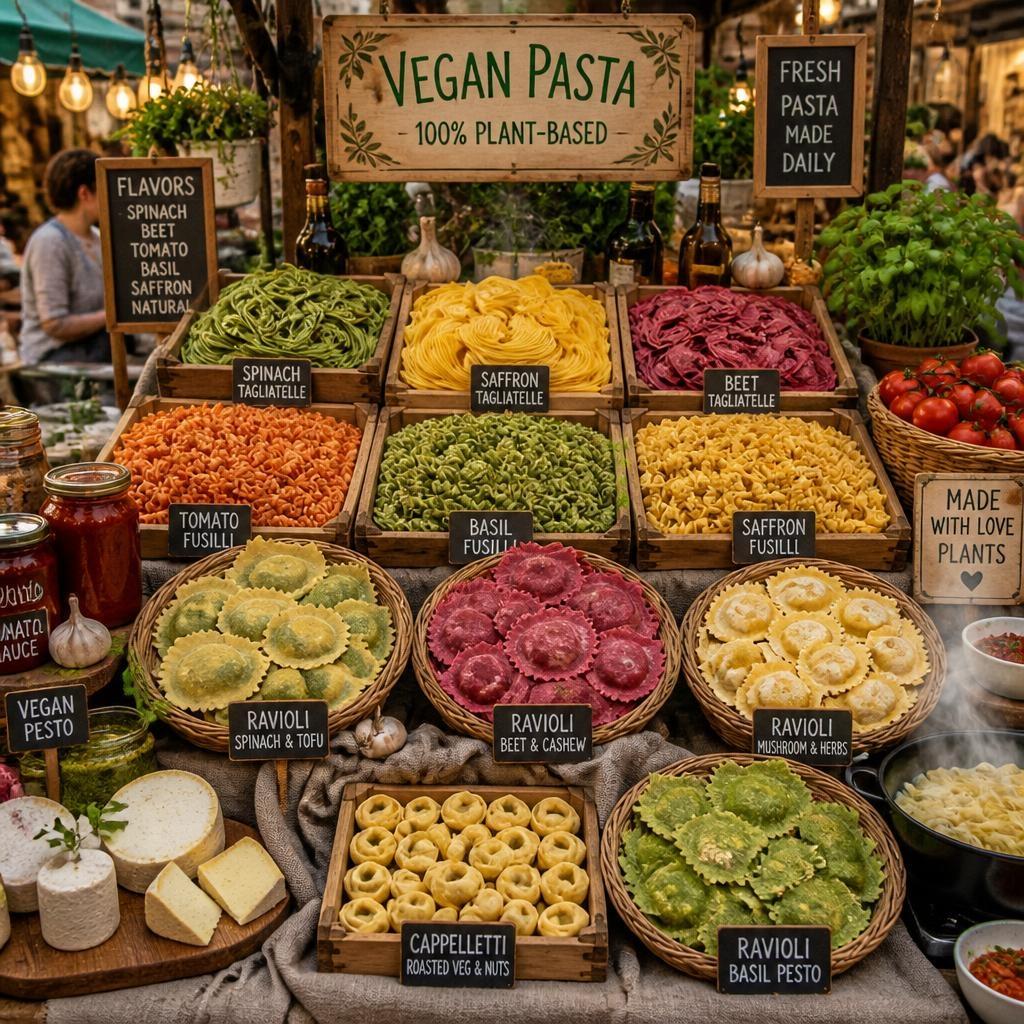
Food choices are increasingly connected with personal preferences, cultural influences, and broader conversations about sustainability. Many consumers are exploring plant-based diets because they want to change how they approach everyday meals. Vegan pasta is gaining attention within this environment because it combines a familiar food format with ingredients that do not require animal-derived components. Its flexibility allows consumers to explore new recipes while maintaining the convenience of a well-known meal option.
Growing interest in sustainable plant-based eating is contributing to the visibility of vegan food products. Consumers may consider ingredient sourcing, packaging, production practices, and product composition when selecting food. Although the environmental characteristics of individual products depend on their ingredients and manufacturing processes, plant-based pasta gives brands an opportunity to participate in conversations about alternative food choices and responsible consumption.
The Influence of Plant-Based Food Culture
Plant-based food culture has become more visible through restaurants, cooking websites, social media, and everyday grocery shopping. Consumers can now find a wider variety of recipes that demonstrate how plant-based ingredients can be used in familiar meals.
Pasta is especially suitable for this trend because it can be adapted to different cuisines and cooking styles. Vegan pasta can be served with traditional tomato sauce, vegetable-based toppings, herbs, and dairy-free alternatives. These combinations help consumers maintain familiar meal traditions while exploring different ingredients.
The growing visibility of vegan cooking can also influence household purchasing habits. People who may not follow a fully vegan diet can still choose plant-based pasta for selected meals. This gives manufacturers opportunities to appeal to a wider audience rather than focusing exclusively on dedicated vegan consumers.
Sustainability Awareness and Ingredient Selection
Sustainability awareness is influencing how some consumers evaluate packaged food. Shoppers may look at where ingredients come from, how products are manufactured, and whether packaging materials support their environmental preferences.
For vegan pasta manufacturers, ingredient selection can become an important part of product positioning. Different formulations may use wheat, legumes, vegetables, rice, and other plant-based ingredients. The environmental impact of each product depends on factors such as agricultural practices, sourcing, processing, and transportation.
Brands should avoid making broad environmental claims without appropriate support. Instead, they can communicate specific and verifiable information about sourcing and packaging. Clear communication can help consumers understand a product without relying on vague promotional language.
Packaging and Responsible Product Design
Packaging is an important consideration in the development of modern food products. Consumers may prefer packaging that is easy to store, protects product quality, and communicates ingredient information clearly. Manufacturers are exploring different packaging approaches to balance convenience, product protection, and environmental considerations.
Vegan pasta brands can also use packaging to provide practical cooking instructions and recipe suggestions. This can help consumers prepare the product successfully and reduce confusion about unfamiliar ingredients.
Responsible packaging decisions require attention to the complete product experience. A package should protect pasta during storage and transportation while also meeting consumer expectations. Manufacturers need to consider product safety, shelf presentation, and material choices when developing packaging strategies.
Social Media and Food Discovery
Social media platforms have become influential spaces for discovering new food products. Vegan chefs, home cooks, nutrition-focused creators, and food bloggers regularly share recipes that introduce audiences to plant-based ingredients.
Pasta is easy to feature in recipe videos and food photography because it can be prepared in many different styles. Colorful vegetable sauces, creative toppings, and alternative pasta shapes can make dishes visually appealing. This content can encourage consumers to experiment with products they may not have previously considered.
Brands can use digital storytelling to explain ingredients and demonstrate cooking methods. Recipe collaborations and product demonstrations can also help build consumer familiarity. When promotional content provides practical ideas, it can support product discovery more effectively than simple advertising messages.
Restaurants and Changing Food Experiences
Restaurants are helping make plant-based food more familiar by introducing creative vegan dishes. Vegan pasta can be included in casual dining menus, specialty restaurants, and modern foodservice concepts.
Chefs can use alternative pasta ingredients to create distinctive dishes that appeal to different customer preferences. Vegetable sauces, herbs, roasted ingredients, and dairy-free toppings can provide variety while keeping the meal recognizable.
Restaurant menus can also influence home cooking. Consumers who enjoy a vegan pasta dish while dining out may look for similar ingredients and recipes when shopping for groceries. This creates a connection between foodservice experiences and retail product discovery.
Challenges Facing Manufacturers
Despite growing interest, manufacturers must address challenges related to taste, texture, pricing, and product awareness. Some alternative ingredients behave differently during cooking, making formulation and quality control important. Consumers also expect products to provide consistent results across different recipes.
Clear communication is another challenge. Brands need to explain product differences without making confusing or unsupported claims. Providing ingredient details and cooking instructions can help customers understand what they are purchasing.
Future Market Opportunities
The vegan pasta market can continue developing through innovation, responsible product communication, and greater consumer engagement. Manufacturers that focus on quality and practical food experiences may attract both dedicated plant-based consumers and shoppers who are simply interested in trying something different.
Partnerships with retailers, restaurants, and food creators can also improve awareness. As plant-based meals become more familiar in everyday food culture, vegan pasta can benefit from its ability to combine culinary flexibility with alternative ingredients.
FAQs
Q1. Is vegan pasta connected to sustainable food choices?
Vegan pasta can be part of a plant-based eating pattern. However, the environmental impact of an individual product depends on its ingredients, sourcing, processing, packaging, and transportation.
Q2. How does social media influence the vegan pasta market?
Social media introduces consumers to vegan pasta recipes, alternative ingredients, cooking techniques, and new product varieties, helping make plant-based meals more familiar.

 English
 Arabic
 French
 Portuguese
 Deutsch
 Turkish
 Dutch
 Italiano
 Russian
 Romaian
 Portuguese (Brazil)
 Greek