
Vicente Outdoor Living | Landscape Design and Build Services for Custom Yards
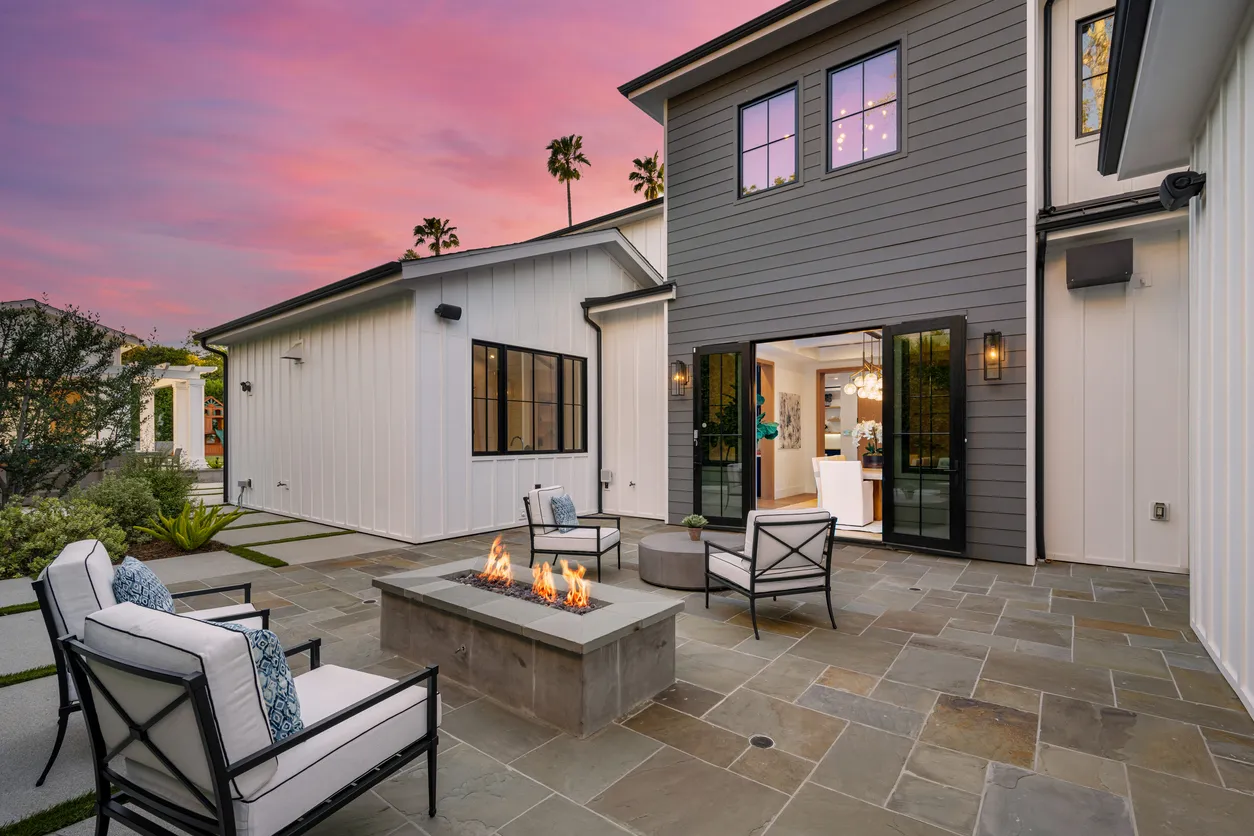
A well-planned landscape can transform an ordinary yard into a more inviting and functional part of the home. The right combination of greenery, walkways, patios, and outdoor structures can create spaces for relaxation, family activities, and entertaining guests. Achieving a balanced result requires more than choosing attractive plants or installing decorative features. Every part of the property should be considered so that the final design looks cohesive and works well for everyday use.
Vicente Outdoor Living provides landscape design and build services for homeowners in Tyler, Texas, and surrounding East Texas communities. By coordinating design decisions with construction, the company helps bring different outdoor features together in one organized plan. From planting areas and hardscaping to retaining walls, patios, and custom outdoor living spaces, each improvement can be planned around the property's conditions and the homeowner's goals.
Understanding Landscape Design and Build Services
Landscape design and build services combine the planning and construction stages of an outdoor improvement project. Instead of treating the design and installation as unrelated tasks, this approach considers how the entire landscape will look and function before work begins. It helps homeowners make decisions about layouts, materials, drainage, and outdoor features with a clearer understanding of the finished result.
A coordinated process can also reduce confusion when several improvements are planned together. The placement of a patio may affect planting beds, while changes in elevation can influence pathways and drainage. Considering these relationships early helps create a practical design and provides a clearer direction for construction. The result is an outdoor environment where each element supports the overall purpose of the property.
Planning a Landscape Around Your Property
Every yard has its own opportunities and limitations. Property dimensions, soil conditions, existing trees, sunlight, slopes, and drainage patterns all influence which landscape features are suitable. A careful site assessment helps identify these conditions before the design is finalized, reducing the likelihood of choosing features that do not fit the space.
Homeowners should also consider how they want to use the finished landscape. A family may prefer open lawn space and a patio for outdoor meals, while another household may want shaded seating, garden beds, or pathways connecting different areas. Defining these priorities helps establish a useful layout and ensures that the design reflects the way people actually live rather than focusing only on appearance.
Combining Landscaping With Hardscaping
A successful outdoor design often combines natural elements with built surfaces. Landscaping introduces greenery, texture, and seasonal color, while hardscaping provides structure through patios, walkways, retaining walls, and other constructed features. When these elements are planned together, they can create a balanced environment that feels connected to the home.
The proportions of each feature should suit the available space. A small yard may benefit from a simple patio with carefully positioned planting beds, while a larger property might accommodate multiple seating areas and longer pathways. Material selection, access, and maintenance needs should also guide the layout. Coordinating these details helps avoid a crowded appearance and creates an outdoor space that is easier to navigate.
Designing Patios and Walkways for Everyday Comfort
Patios can provide a central location for dining, relaxing, and spending time with friends and family. Their size, shape, and material should reflect the home's style and the activities the homeowner expects to enjoy. Pavers, concrete, and natural stone each offer different design possibilities, allowing the patio to complement nearby structures and landscaping.
Walkways connect outdoor areas and help people move through the property comfortably. Their routes should feel natural and provide convenient access between entrances, seating areas, garden spaces, and other features. Proper base preparation and drainage are important for maintaining stable surfaces. When pathways and patios are designed as part of the same plan, the landscape can feel more organized and practical.
Improving Uneven Ground With Retaining Walls
Sloped or uneven properties can present challenges when homeowners want to create level areas for planting, seating, or outdoor activities. Retaining walls can help manage changes in elevation and establish more clearly defined sections of the yard. Depending on the site, they may also create opportunities for terraced planting beds or improved connections between different outdoor levels.
Wall construction requires careful attention to soil conditions, foundation preparation, and water management. The appropriate design depends on the wall's height, the surrounding slope, and any nearby structures or loads. Drainage must be considered to help prevent water pressure from affecting the wall. Integrating retaining walls into the overall landscape plan allows them to serve a practical purpose while complementing the surrounding design.
Selecting Plants and Materials for Long-Term Appeal
Plant selection has a major influence on the character and maintenance requirements of a landscape. Trees can provide shade, shrubs can define boundaries, and flowering plants can introduce color throughout the growing season. Choosing plants suited to the available sunlight, soil, and growing space helps create a landscape that can develop naturally over time.
Hardscape materials should be selected with similar care. Pavers, stone, concrete, and decking have different appearances, durability characteristics, and upkeep requirements. The best options depend on where each material will be installed and how frequently the area will be used. Combining compatible finishes with suitable plant choices creates a consistent look while helping homeowners manage maintenance over the long term.
Creating Outdoor Living Areas Within the Landscape
A landscape can become more useful when it includes dedicated spaces for relaxing and entertaining. Pergolas, covered patios, outdoor kitchens, and seating areas can extend the home's living environment into the yard. Their placement should consider access from the house, available space, shade, and the relationship between different activities.
Vicente Outdoor Living can coordinate landscape improvements with custom outdoor living features to create a unified design. A patio might connect to a shaded dining area, while nearby planting beds soften the edges of the hardscape. Artificial turf, walkways, or retaining walls may also be incorporated where appropriate. Planning these features together helps the outdoor environment feel intentional and supports a more enjoyable use of the property.
Managing Drainage and Preparing the Site
Drainage and site preparation are essential parts of landscape construction. Water that collects in low areas or flows toward structures can damage planting beds, contribute to erosion, and affect the performance of outdoor surfaces. Before installation begins, the property should be evaluated to understand how water moves across the yard and where adjustments may be needed.
Depending on the site, preparation may involve grading, drainage improvements, soil conditioning, or a properly compacted base beneath patios and walkways. These tasks are particularly important when the landscape includes retaining walls, artificial turf, or other features that depend on stable ground. Addressing underlying conditions before finishing work helps support a more durable result and reduces the risk of avoidable repairs.
Understanding the Design-Build Process
The process generally begins with a consultation to discuss the homeowner's goals, preferences, budget, and timeline. An assessment of the property helps identify existing conditions and determine which improvements may be suitable. The design can then bring together the desired features, material choices, layout, and construction requirements into a coordinated proposal.
Once the plan is reviewed and approved, construction can proceed in a logical sequence. Site preparation and drainage work should be completed before installing features that depend on a stable foundation. Clear communication during construction helps homeowners understand progress and address decisions when necessary. A final walkthrough provides an opportunity to review the completed work and discuss finishing details.
Budgeting for Landscape Design and Construction
A landscape project's cost depends on its size, materials, site conditions, and the complexity of the proposed work. A straightforward planting and walkway project may require less preparation than a complete backyard transformation involving patios, retaining walls, shade structures, and drainage improvements. Understanding these differences helps homeowners establish realistic expectations before construction begins.
Before requesting an estimate, homeowners should identify the improvements that matter most and consider which features can be added later. Useful planning priorities include:
-
Establish the main purpose of the landscape and identify essential features.
-
Review site conditions, including slopes, drainage, and access.
-
Compare materials based on appearance, durability, and maintenance.
-
Set a realistic budget and discuss the proposed scope of work.
-
Consider future additions so the initial layout can accommodate them.
A clear proposal should explain the work included, the materials being considered, and any site-specific requirements that may affect the investment. This information helps homeowners compare options and make informed decisions. A phased approach may also be useful when several improvements are desired but cannot all be completed within the initial budget.
Why Choose Vicente Outdoor Living in Tyler, Texas
Vicente Outdoor Living helps homeowners in Tyler and surrounding East Texas communities plan outdoor spaces that combine practical function with thoughtful design. Its services include patios, walkways, retaining walls, landscaping, artificial turf, pergolas, outdoor kitchens, and other outdoor living features. These options allow different improvements to be coordinated as part of a larger landscape project.
A tailored approach is important because no two properties have exactly the same conditions or requirements. By considering the homeowner's lifestyle, available space, material preferences, and construction needs, the design can be developed around the specific property. Coordinating planning and installation also helps keep the different elements aligned throughout the project, from the initial concept to the final details.
Conclusion
Landscape design and build services help homeowners create outdoor environments that are attractive, functional, and suited to their properties. By combining landscaping, hardscaping, drainage, and outdoor living features within one plan, it becomes easier to create a consistent design that supports everyday activities. Careful planning also helps address site conditions before construction and supports the long-term performance of the finished space.
Vicente Outdoor Living provides landscape design and construction solutions for homeowners in Tyler, Texas, and nearby East Texas communities. Whether the project involves improving planting areas, creating a patio, managing a sloped yard, or building a complete outdoor living environment, a coordinated plan can make the process more manageable. With thoughtful design and suitable construction methods, homeowners can develop a landscape that complements their home and provides lasting enjoyment.

 English
 Arabic
 French
 Spanish
 Portuguese
 Deutsch
 Turkish
 Dutch
Dutch
 Italiano
 Russian
 Romaian
 Portuguese (Brazil)