
Bricklaying Profiles: A Guide to Accurate and Efficient Brickwork
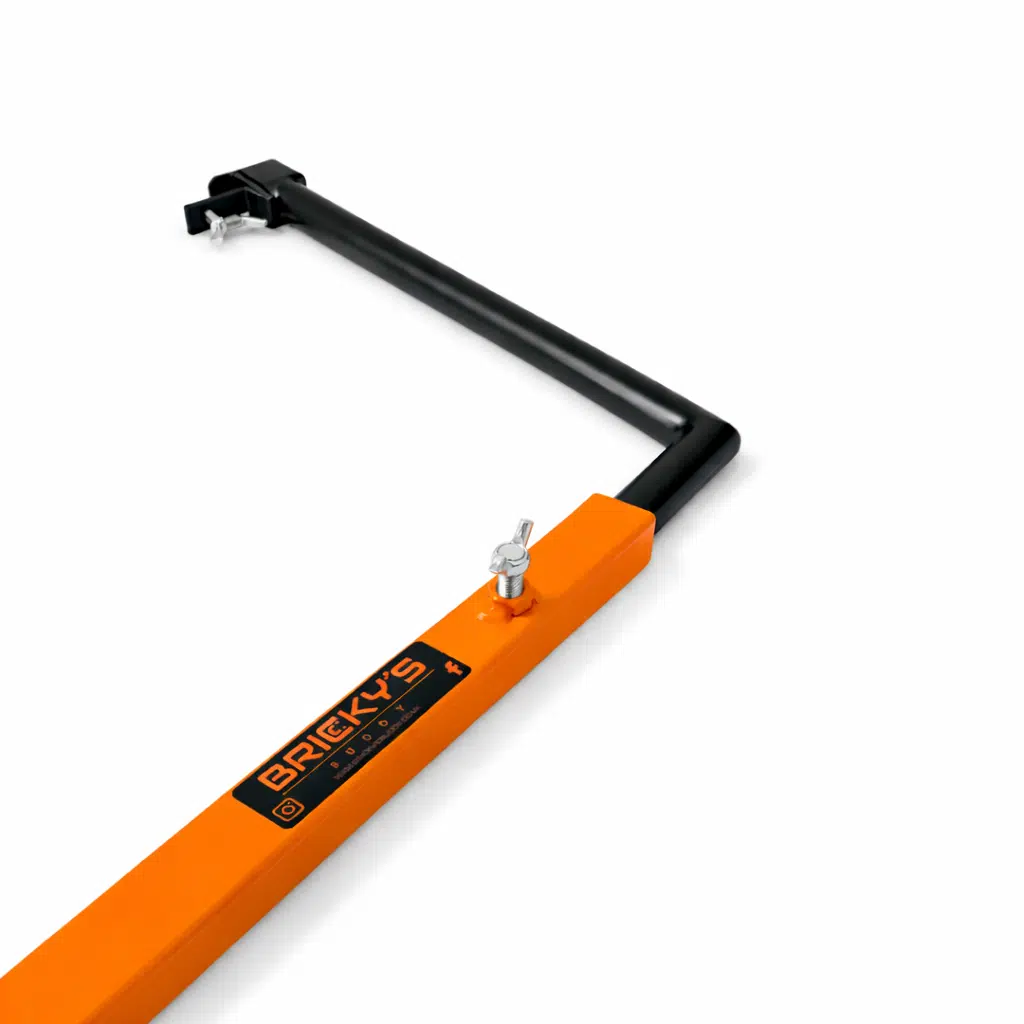
Bricklaying requires precision, consistency and the right equipment to achieve strong, professional results. Bricklaying Profile Props are essential tools that help builders maintain straight lines, accurate heights and consistent mortar joints throughout a project. Whether working on garden walls, house extensions or larger construction sites, using suitable profiles and supporting equipment can make brickwork more efficient while reducing mistakes and saving valuable time.
What Are Bricklaying Profiles?
Bricklaying profiles are vertical guides used by bricklayers to establish accurate corners and maintain the correct position of bricks as a wall is built. They provide a reliable reference point for the brickwork, helping tradespeople keep courses level, joints consistent and wall edges straight.
These profiles are particularly useful when constructing long walls, external corners and building extensions where accuracy is essential. Instead of repeatedly measuring the position of every brick, bricklayers can use the profile as a guide and stretch a bricklaying line between profiles to maintain alignment.
Profiles are available in different designs and materials to suit various construction requirements. Many professional systems include adjustable components, clamps and supporting props that allow the equipment to be secured and positioned correctly before work begins.
For professional builders, choosing dependable equipment is an important step towards achieving accurate brickwork with less effort.
Why Are Profiles Important in Bricklaying?
Accurate alignment is one of the most important aspects of quality brickwork. Even a small positioning error can become more noticeable as additional courses are laid. Profiles help reduce these problems by providing a consistent reference throughout the construction process.
Here are some key benefits of using profiles on site.
1. Improved Accuracy
Profiles help bricklayers maintain straight corners and consistent wall alignment. When positioned correctly, they provide a dependable guide for each course, making it easier to achieve a neat and professional finish.
2. Better Working Efficiency
Measuring and checking every section of a wall can take considerable time. Using profiles simplifies the process by establishing clear reference points before laying begins.
This allows bricklayers to concentrate on placing bricks accurately rather than repeatedly checking measurements.
3. Consistent Brick Courses
Uniform courses contribute to the overall appearance and structural quality of a wall. Profiles help maintain the intended course heights, while a correctly tensioned bricklaying line provides a visual guide for positioning each brick.
4. Reduced Rework
Incorrect alignment can lead to additional adjustments, wasted materials and unnecessary labour. Reliable guiding equipment helps minimise avoidable errors, allowing projects to progress more smoothly.
Understanding Profile Props and Their Uses
Profile Props are supporting components designed to help secure and stabilise suitable bricklaying profiles during installation. They are particularly useful when the profile system requires additional support to remain correctly positioned while brickwork progresses.
Depending on the system, props may assist with adjustment, positioning and securing the profile against the relevant structure. The exact setup will depend on the profile design, wall layout and manufacturer's instructions.
When selecting supporting equipment, consider the following factors:
-
Compatibility: Ensure the props are suitable for the profile system being used.
-
Adjustability: Check whether the equipment allows the necessary positioning adjustments.
-
Stability: Choose components that provide secure support when correctly installed.
-
Durability: Look for robust materials suitable for regular use on construction sites.
-
Ease of handling: Practical equipment should be straightforward to transport, position and remove.
Before laying bricks, inspect all components and confirm that the profile is securely positioned. Never rely on an unsuitable support arrangement or use damaged equipment.
How to Set Up Brick Profiles Correctly
Correct installation is essential to gaining the full benefit of profile systems. A poorly positioned profile can affect the alignment of the entire wall, so it is worth taking time to prepare the equipment properly.
Step 1: Prepare the Working Area
Clear loose materials and obstructions from the area where the wall will be constructed. Check the foundation or starting surface and confirm the required wall dimensions before installing the profiles.
Step 2: Position the Profiles
Place the profiles at the appropriate corners or designated points along the wall. Follow the manufacturer's instructions for positioning and securing the equipment.
Use suitable measuring tools to check that the profiles are correctly aligned with the intended wall layout.
Step 3: Secure the Supporting Components
Install the required props, clamps or other fittings according to the system's instructions. Check that the assembly is stable and cannot shift during normal bricklaying activities.
Step 4: Establish the Bricklaying Line
Attach a suitable bricklaying line between the profiles. Adjust the line to the required course height and ensure that it is appropriately tensioned.
The line acts as a visual reference for placing bricks along the wall. Avoid allowing it to sag or become displaced during work.
Step 5: Check Alignment Regularly
As the wall progresses, inspect the profiles, supports and line at suitable intervals. Confirm that the equipment remains correctly positioned and that the brickwork follows the intended alignment.
Regular checks help identify small problems before they affect larger sections of the wall.
Choosing the Right Bricklaying Profile Props
Not all profile systems use identical supporting arrangements. Selecting compatible components is therefore important for achieving reliable results.
When comparing products, begin by identifying the type of profiles used on your projects. Check the manufacturer's specifications to establish which supporting components are required and whether adjustments can be made for different wall configurations.
Consider how frequently the equipment will be used. A bricklayer working on construction projects every day may benefit from durable, practical components designed for repeated handling. Tradespeople completing occasional repair work may prioritise ease of storage and straightforward setup.
Weight, transport requirements and site conditions should also influence the decision. Equipment that is easy to carry and organise can simplify movement between working areas.
Bricky’s Buddy offers practical tools and accessories for bricklayers and building professionals. When choosing any construction accessory, review its intended application, compatibility and installation requirements to ensure it meets the demands of the job.
How Profiles Work with Other Bricklaying Tools
Profiles are only one part of an effective bricklaying setup. Combining them with suitable measuring and alignment tools helps create a more organised workflow.
A reliable tape measure is useful for checking wall dimensions, openings and distances before work begins. A spirit level helps confirm that surfaces and individual sections meet the required level and alignment.
A bricklayers line holder or suitable line blocks can help maintain the position of a bricklaying line, depending on the setup. These accessories are particularly useful when establishing straight courses across longer sections of brickwork.
Trowels, mortar boards and stands also contribute to an efficient working area by helping bricklayers manage mortar and handle materials conveniently.
Keeping frequently used tools organised reduces unnecessary movement around the site. However, each tool has a specific purpose, and profiles should not replace independent measurements or the checks required by the construction specification.
Common Mistakes to Avoid
Even suitable equipment can produce poor results if it is installed or maintained incorrectly. Avoid these common mistakes when working with brick profiles:
-
Incorrect positioning: Profiles that are not aligned with the planned wall layout can create inaccurate corners.
-
Loose supports: Inadequately secured components may shift during work.
-
Poor line tension: A sagging or displaced line can affect the position of individual bricks.
-
Skipping regular checks: Small movements may go unnoticed until several courses have been completed.
-
Using incompatible components: Props and fittings should match the profile system and its intended application.
-
Ignoring maintenance: Damaged or worn components should be inspected and replaced when necessary.
Taking a few extra minutes to check the setup can prevent avoidable delays and improve the consistency of the finished wall.
Conclusion
Accurate brickwork depends on careful preparation, suitable equipment and regular quality checks. Profiles provide a dependable reference for maintaining straight corners and consistent courses, while compatible supporting components help keep the setup correctly positioned.
By selecting appropriate equipment, following installation instructions and combining profiles with measuring tools and bricklaying lines, builders can improve working efficiency and achieve a cleaner finish. Understanding how each component works makes it easier to create a practical setup suited to the requirements of different construction projects.
Frequently Asked Questions
1. What are bricklaying profiles used for?
Bricklaying profiles provide vertical reference points that help builders maintain straight corners, consistent course heights and accurate wall alignment.
2. What are Profile Props?
Profile Props are supporting components used with compatible profile systems to help secure and position the profiles during bricklaying. Their precise function depends on the design and manufacturer's instructions.
3. Are bricklaying profiles suitable for beginners?
Yes. Beginners can use profiles to understand wall alignment and course positioning more easily. Correct installation and regular checks remain essential for achieving accurate results.
4. Which tools work best alongside brick profiles?
Useful tools include a tape measure, spirit level, bricklaying line, suitable line holders, trowels and mortar boards. Each tool supports a different part of the bricklaying process.
5. How can I maintain bricklaying profiles and props?
Clean equipment after use, inspect it for damage, check adjustable components and store it in a dry, organised location where appropriate. Follow the manufacturer's maintenance instructions and replace damaged parts before further use.

 English
 Arabic
 French
 Portuguese
 Deutsch
 Turkish
 Dutch
 Italiano
 Russian
 Romaian
 Portuguese (Brazil)
 Greek