
Why Is Glow in the Dark Powder Fading? Causes and Prevention Tips
Why Is Glow in the Dark Powder Fading? Causes and Prevention Tips
Glow-in-the-dark effects can make resin art, decorative products, DIY crafts, and creative projects look unique and attractive. Whether you are creating glowing coasters, jewellery, wall decorations, or artistic designs, Glow in the Dark Powder can add a beautiful luminous effect.
However, one common problem beginners and experienced artists face is that the glow appears to become weaker over time. Sometimes the glow is bright immediately after charging but fades quickly. In other cases, the powder does not produce the same brightness as it did when first used.
So, why is glow powder fading? Is it losing its properties, or are environmental conditions and application techniques affecting its performance?
The good news is that glow fading is often a normal characteristic of photoluminescent materials. However, incorrect usage, poor storage, unsuitable mixing materials, and insufficient light exposure can also reduce the visible glow.
In this guide, we will explain the common reasons behind fading, how Glow Powder works, and practical prevention tips to help maintain a brighter and longer-lasting luminous effect.
What Is Glow in the Dark Powder?
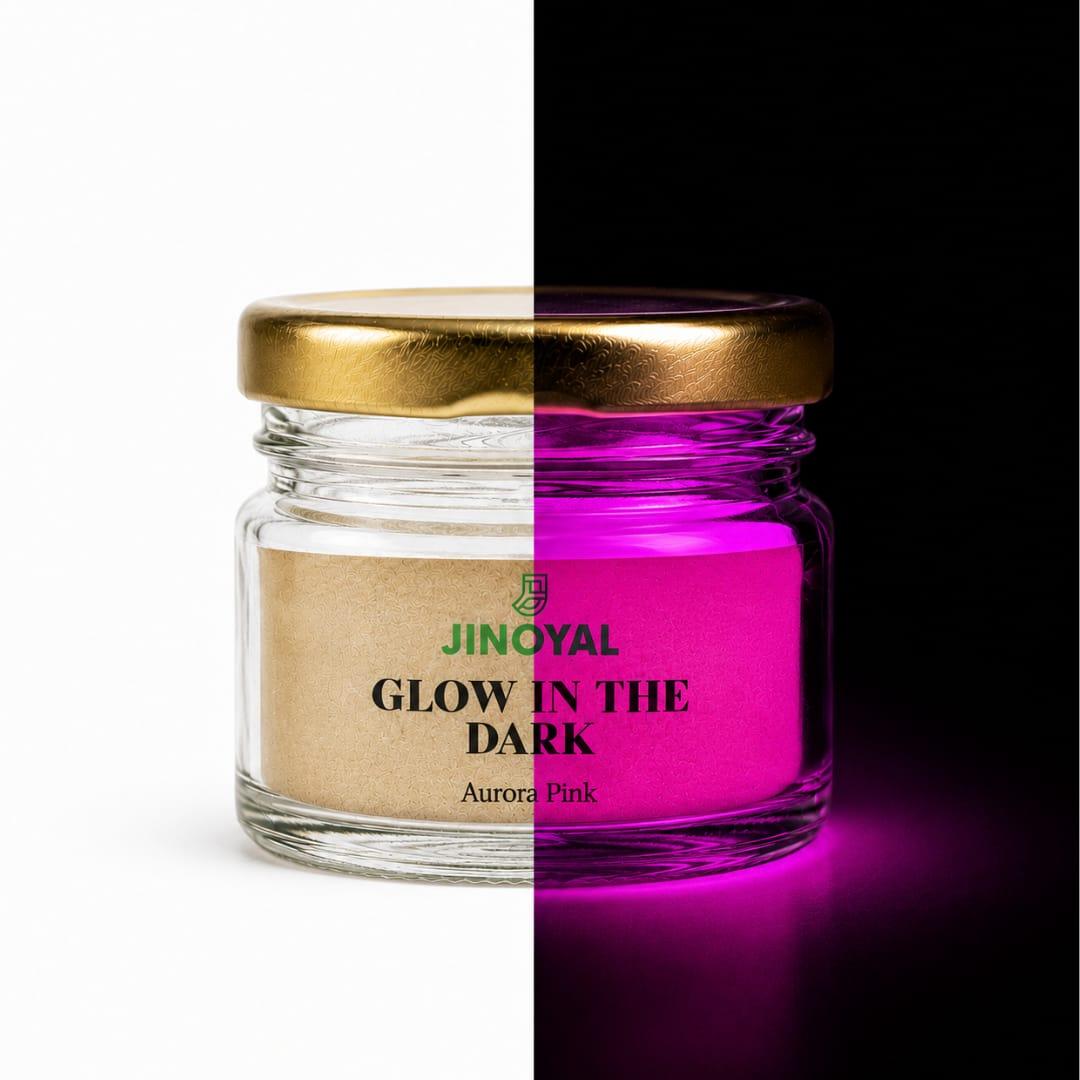
Glow in the Dark Powder is a photoluminescent material that absorbs energy from a light source and releases it gradually as visible light in darker surroundings.
It is commonly used in resin art, decorative crafts, toys, safety-related products, signage, and other applications requiring a luminous effect.
Most modern glow powders used for decorative applications are based on photoluminescent materials such as strontium aluminate.
These materials absorb energy from sunlight, UV light, or suitable artificial lighting and then release the stored energy gradually.
This process creates the glowing effect that makes Glow in the Dark Pigment Powder popular among artists, craft enthusiasts, and manufacturers.
Common Applications of Glow Powder
-
Epoxy resin jewellery
-
Decorative resin coasters
-
Glow-in-the-dark paintings
-
DIY home décor
-
Decorative ornaments
-
Craft projects
-
Suitable safety signs and markers
-
Creative accessories and toys
How Does Glow in the Dark Powder Work?
Before understanding why glow powder fades, it is important to understand how it produces light.
The working process involves three basic stages.
1. Light Absorption
When Photoluminescent Powder is exposed to a suitable light source, it absorbs energy.
Different light sources, including sunlight, UV light, and artificial lighting, can charge glow powder, although charging efficiency varies.
2. Energy Storage
The absorbed energy is temporarily stored within the material's structure.
The quality and formulation of the powder influence how efficiently it stores and releases this energy.
3. Light Emission
When the surrounding environment becomes dark, the stored energy is gradually released as visible light.
The glow is generally brightest immediately after charging and gradually becomes weaker over time.
This gradual reduction in brightness is called afterglow decay.
Important: Glow powder does not produce light continuously without charging. It needs exposure to a suitable light source to recharge.
Why Is Glow in the Dark Powder Fading? 8 Common Causes
There are several reasons why glow powder may appear to lose brightness or stop glowing effectively.
Understanding these causes can help you improve your results and maintain a better luminous effect.
1. Insufficient Light Exposure
One of the most common reasons for weak glow is insufficient charging.
If glow powder does not receive enough light energy, it cannot produce its maximum possible brightness.
For example, placing a glow-in-the-dark resin product in a dimly lit room may not provide enough energy to charge it effectively.
How to prevent it:
-
Expose the product to direct or suitable sunlight when appropriate.
-
Use a UV or suitable artificial light source.
-
Allow sufficient charging time.
-
Follow the powder manufacturer's recommended charging conditions.
2. Natural Glow Decay Over Time
Glow powder naturally becomes dimmer after the light source is removed.
This is a normal characteristic of photoluminescent materials and does not necessarily mean the powder is damaged.
The glow is usually strongest immediately after charging and gradually decreases as stored energy is released.
How to prevent it:
You cannot completely prevent natural afterglow decay. However, you can improve the visible glow by:
-
Choosing a high-quality glow powder.
-
Charging the material properly.
-
Selecting a suitable glow colour and formulation.
-
Using an appropriate amount of pigment.
3. Using Low-Quality Glow Powder
Not all glow powders offer the same brightness or afterglow duration.
Different products may have different particle sizes, chemical compositions, luminous intensities, and charging characteristics.
Low-quality or unsuitable pigments may produce weaker results.
How to prevent it:
-
Choose reliable Glow in the Dark Pigment products.
-
Check the product's technical specifications.
-
Compare initial brightness and afterglow performance.
-
Look for clear information about the pigment composition and recommended applications.
4. Mixing Too Much Resin with Glow Powder
Another common reason for a weak glow is using too little pigment in the final mixture.
When a small quantity of Glow in the Dark Powder is mixed into a large amount of transparent epoxy resin, the luminous particles may be too widely distributed to create a strong visual effect.
How to prevent it:
-
Start with the recommended pigment loading.
-
Experiment with small test batches.
-
Increase the pigment quantity gradually within the manufacturer's recommended limits.
-
Avoid adding excessive powder that could affect resin flow or curing.
5. Using Dark or Opaque Resin Colours
The transparency and colour of the base material can significantly influence the visible glow.
When glow powder is mixed into dark, heavily coloured, or opaque resin, less emitted light may reach the viewer.
This can make the final product appear less luminous.
How to prevent it:
-
Use transparent or lightly coloured resin when a brighter glow is required.
-
Avoid excessive dark pigments.
-
Test different resin colour combinations.
-
Consider using a suitable light-coloured base layer.
6. Incorrect Storage Conditions
Improper storage can affect the condition and performance of certain glow powder formulations.
Some photoluminescent powders, particularly moisture-sensitive formulations, can be affected by prolonged exposure to humidity or unsuitable storage conditions.
How to prevent it:
-
Store glow powder in tightly sealed containers.
-
Keep it away from moisture.
-
Avoid unnecessary exposure to air.
-
Store it in a cool, dry location.
-
Follow the manufacturer's storage instructions.
7. Moisture and Chemical Incompatibility
Some glow powders may lose performance when exposed to moisture or incompatible chemicals.
This is particularly important when working with resin, coatings, paints, or other liquid materials.
Using an unsuitable binder or coating system may affect the luminous properties of the pigment.
How to prevent it:
-
Select moisture-resistant grades where required.
-
Check compatibility with epoxy resin.
-
Follow the recommended application instructions.
-
Avoid mixing glow powder with untested chemicals or materials.
8. Using an Unsuitable Particle Size
Particle size can influence how glow powder performs in different applications.
Larger particles may provide strong luminous effects in certain applications, while finer powders may be more suitable for smoother finishes.
However, the ideal particle size depends on the project, material, and required appearance.
How to prevent it:
-
Select particle sizes suitable for your application.
-
Check the recommended use of the powder.
-
Consider the thickness of the final coating.
-
Test the powder before using it in a large project.
How to Use Glow Powder for Resin Art Without Losing Brightness
Glow Powder for Resin Art is popular for creating luminous jewellery, coasters, trays, and decorative objects.
However, the way you mix and apply the powder can influence the final glowing effect.
Follow these steps for better results.
Step 1: Select Suitable Glow Powder
Choose Glow in the Dark Powder that is specifically suitable for epoxy resin applications.
Check the recommended particle size, compatibility, and usage instructions.
Step 2: Prepare Your Epoxy Resin
Measure your epoxy resin and hardener according to the manufacturer's specified ratio.
Mix both components thoroughly before adding the glow powder.
Step 3: Add Glow in the Dark Pigment Powder
Add the recommended amount of Glow in the Dark Pigment Powder gradually.
Mix carefully until the particles are distributed evenly throughout the resin.
Avoid excessive pigment loading because it may affect the resin's flow and curing properties.
Step 4: Pour into Your Mould
Pour the prepared mixture into your desired mould.
Suitable projects include:
-
Glow-in-the-dark coasters
-
Resin keychains
-
Decorative jewellery
-
Glow-in-the-dark trays
-
DIY resin ornaments
Step 5: Allow Proper Curing
Leave the project undisturbed under the environmental conditions recommended by the resin manufacturer.
Do not expose uncured resin to unsuitable heat or lighting methods.
Step 6: Charge the Finished Product
Once the resin has fully cured, expose the finished project to sunlight, UV light, or another suitable light source.
Move the product into a dark environment to observe its luminous effect.
Which Glow in the Dark Powder Is Best for Epoxy Resin?
Choosing the right Glow in the Dark Powder for Epoxy Resin depends on the desired brightness, afterglow duration, colour, particle size, and project requirements.
Here are some factors to consider.
1. Glow Brightness
Choose a powder with suitable luminous intensity for your project.
Some powders produce a more intense initial glow than others.
2. Afterglow Duration
Check how long the powder remains visibly luminous after charging.
Remember that afterglow duration and brightness are different measurements. A powder may remain faintly visible for a long time even after its initial brightness decreases.
3. Glow Colour
Popular glow colours include:
-
Green
-
Blue
-
Aqua
-
Purple
-
Yellow-green
-
Other specialised luminous shades
Different formulations may offer different brightness and afterglow characteristics.
4. Particle Size
Choose a particle size that suits your resin mould, coating thickness, and desired surface appearance.
5. Resin Compatibility
Always check whether the powder is suitable for epoxy resin and whether it requires any specific handling or application conditions.
Glow Powder vs. Regular Pigment Powder: What Is the Difference?
Beginners sometimes confuse ordinary colour pigments with photoluminescent materials.
Although both are used to add colour to creative projects, their functions are different.
| Feature | Glow Powder | Regular Pigment Powder |
|---|---|---|
| Main function | Produces light after charging | Adds colour |
| Light absorption | Stores energy from light | Does not generally provide an afterglow |
| Appearance in darkness | Produces a visible glow | Usually appears dark |
| Charging required | Yes | No |
| Common applications | Glow art and luminous crafts | Resin colouring and decorative designs |
If your goal is to create a project that glows in darkness, Glow in the Dark Pigment Powder is the appropriate choice.
Where to Buy Glow in the Dark Powder Online?
If you are planning to create luminous resin artwork or decorative crafts, choosing suitable glow powder is essential.
Before you Buy Glow in the Dark Powder Online, check the following:
-
Glow brightness and afterglow specifications
-
Available luminous colours
-
Particle size
-
Compatibility with epoxy resin
-
Moisture resistance
-
Recommended pigment loading
-
Storage and handling instructions
Jinoyal offers decorative pigment options for resin art, DIY crafts, and creative applications, including Glow Powder, mica powder, metallic pigments, chameleon flakes, and glitters.
Whether you are a beginner experimenting with luminous effects or an experienced artist creating decorative resin products, selecting the right photoluminescent material can help you achieve attractive results.
Visit https://www.jinoyal.com/ to explore available pigment and resin-art supplies.
Frequently Asked Questions (FAQs)
1. Why does glow in the dark powder stop glowing after some time?
Glow powder gradually releases the energy it absorbs from light. As the stored energy decreases, the visible brightness becomes weaker. This is a natural process known as afterglow decay.
2. How can I make glow in the dark powder glow brighter?
Expose it to a suitable light source, such as sunlight or UV light, for sufficient charging time. Using suitable-quality powder and the recommended pigment quantity can also improve the visible glow.
3. Does glow in the dark powder expire?
Glow powder does not necessarily expire quickly, but its performance may be affected by moisture, contamination, unsuitable storage, or material degradation. Follow the manufacturer's shelf-life and storage recommendations.
4. Can glow powder lose its properties permanently?
Under normal use, many quality photoluminescent powders can be recharged repeatedly. However, prolonged exposure to unsuitable environmental or chemical conditions may permanently reduce their performance.
5. Why is my glow powder not glowing in epoxy resin?
Possible reasons include insufficient charging, low pigment concentration, dark or opaque resin, incompatible materials, or unsuitable powder quality. Check the product specifications and test the mixture under suitable lighting conditions.
6. Can I recharge glow in the dark powder?
Yes. Most photoluminescent powders can be recharged by exposing them to suitable light sources, including sunlight, UV light, and certain artificial lights.
7. Which is better for resin art: glow powder or glow paint?
Glow powder mixed into compatible transparent epoxy resin is useful for creating luminous resin objects and embedded effects. Glow paint is generally more suitable for applying a luminous coating to an existing surface. The better option depends on the project.
Final Thought
Glow in the Dark Powder is a useful material for creating attractive luminous effects in resin art, decorative products, and DIY crafts. However, its visible brightness naturally decreases as stored light energy is released.
Insufficient charging, poor-quality pigment, excessive resin dilution, dark base colours, moisture exposure, and material incompatibility can also contribute to weak glow performance.
To achieve better results, select suitable Glow in the Dark Pigment Powder, use the correct pigment quantity, choose compatible epoxy resin, and store your powder properly.
Whether you are creating jewellery, coasters, ornaments, or other Glow Powder for DIY Projects, following the right techniques can help you achieve a brighter and more consistent luminous effect.
Choose suitable Photoluminescent Powder, experiment with different glow colours, and explore creative possibilities with high-quality Glow Powder for Resin Art.

 English
 Arabic
 French
 Spanish
 Portuguese
 Deutsch
 Turkish
 Dutch
 Italiano
 Russian
 Romaian
 Portuguese (Brazil)