
Flat Foot in Adults: When It's Harmless, When It's Not, and What Helps
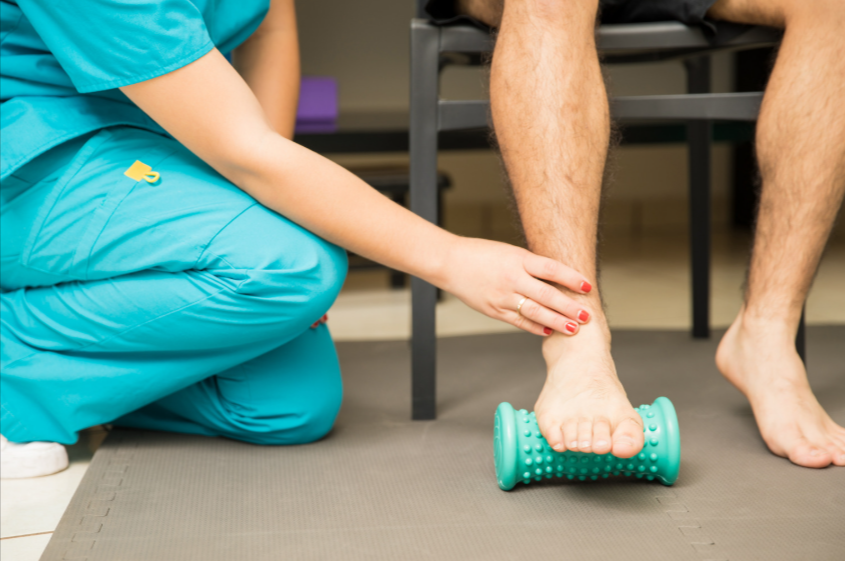
Plenty of people have flat feet and never think about them. Others notice, in their forties or fifties, that an arch they used to have has dropped, and that the inside of the ankle aches by the end of the day. Both groups search for flat foot treatment, but they're often facing very different problems. One needs reassurance and good shoes. The other may have a tendon problem that deserves prompt attention.
This guide explains how to tell the difference, what causes arches to fall in adulthood, which treatments exist and when surgery enters the picture. It's a general explainer, not a diagnosis, and a foot and ankle specialist can examine you and tell you which category you're in.
Not All Flat Feet Are a Problem
Flat feet, or pes planus, describe an arch that's low or absent when you stand. That alone isn't a disease. Many people have flat feet from childhood and walk, run and play sport without pain.
| Type | What it means | Usual picture |
|---|---|---|
| Flexible flat foot | The arch appears when you sit or rise onto your toes, and flattens when you stand | Often painless, often present since childhood |
| Rigid flat foot | The arch stays flat in all positions, and the foot feels stiff | Needs assessment, as it can relate to joint or bone problems |
| Acquired flat foot | An arch that was normal and has gradually fallen in adulthood | Often linked to a problem with supporting structures, usually worth examining |
The word that matters most in that table is "acquired". A foot that has changed shape over months or years, especially with pain, is a different story from a lifelong low arch.
Understanding Adult Acquired Flat Foot
The term adult acquired flat foot describes an arch that collapses gradually in an adult. The most common cause is trouble with the tendon that runs behind the inner ankle bone and helps hold up the arch, known as the posterior tibial tendon. When that tendon becomes inflamed, weakened or torn, the arch loses support, and over time the heel can tilt outwards and the foot can drift away from the midline. In current terminology this is sometimes called progressive collapsing foot deformity, but patients and websites still commonly use the older name.
Other contributors include:
| Factor | How it can contribute |
|---|---|
| Tendon wear or injury | Overuse, age-related change or a previous tear |
| Inflammatory arthritis | Can weaken ligaments and tendons |
| Obesity | Increases load on the arch |
| Diabetes | Can affect tendons and joints and make foot problems more serious |
| Tight calf muscles | Can overload the midfoot and arch |
| Previous injury | Fractures or ligament damage near the arch |
| Age and hormonal changes | Ligaments may loosen over time |
It's more common in middle-aged and older adults, and in women, though it can affect anyone.
Symptoms Worth Noticing
Symptoms often start subtly.
- Aching or tenderness along the inner ankle and arch, worse after standing or walking.
- Swelling behind or below the inner ankle bone.
- A gradually flattening arch, or a foot that appears to turn outwards, so more of the toes are visible from behind.
- Pain on the outer side of the ankle in later stages, as the heel tilts and presses on the bones.
- Difficulty rising onto the toes on the affected side.
- Fatigue in the foot and leg after short distances.
- Shoes wearing down unevenly, often on the inner edge.
A simple observation can be useful: stand on both feet and look at them from behind in a mirror, or ask someone to look. If one foot shows more toes and a more tilted heel than the other, mention it to a clinician. This is not a diagnostic test, and a proper assessment includes watching you walk and checking tendon strength.
When to Seek Assessment Quickly
Some features call for earlier review.
| Sign | Why it matters |
|---|---|
| Sudden pain or swelling on the inner ankle, especially after an injury | A tendon tear needs timely assessment |
| Arch that has dropped noticeably over weeks or months | Progression is easier to manage earlier |
| Inability to rise onto the toes on one side | May suggest tendon failure |
| Hot, red, swollen foot | Could indicate inflammation or infection |
| Foot problems with diabetes or reduced sensation | Higher risk of complications |
| Persistent pain despite supports and sensible footwear | Time to look beyond self-care |
Non-Surgical Options: Where Most Care Begins
For many adults, the first answer to the question of flat feet treatment for adults doesn't involve an operation. The goals are to support the arch, reduce strain on the tendon, ease pain and slow progression.
| Option | What it does | Notes |
|---|---|---|
| Supportive footwear | Firm, stable shoes with good arch contour and a supportive heel counter | Avoid flimsy flats, flip-flops and worn-out shoes |
| Insoles and orthotics | Provide arch support and align the heel | Off-the-shelf or custom, ideally after assessment |
| Bracing | Ankle supports or specialist braces take load off the tendon | Considered when the tendon is irritated or weakened |
| Physiotherapy | Strengthening, balance and guided loading, adapted to the tendon's condition | Avoid copying generic routines without advice |
| Activity modification | Reducing high-impact or prolonged standing during flares | Keep moving with lower-impact exercise where possible |
| Weight management | Reduces load through the arch | Even modest changes may help |
| Calf stretching | Tight calves can overload the foot | Do as advised for your situation |
| Pain relief | Short-term medicines as advised by your doctor or pharmacist | Not a long-term solution |
Mr Akimau's guides on related problems, such as Achilles tendinopathy, emphasise that tendons respond best to structured, consistent loading and that complete rest is rarely the answer. The same principle often applies to flat foot, although the right exercises depend on which structures are affected, which is why assessment matters.
Why Supports Aren't Always Enough
Insoles can make an aching arch comfortable, and for many people that is all that's needed. But supports don't rebuild a failing tendon or reverse a joint that has stiffened. If symptoms continue despite proper footwear, orthotics and physiotherapy, or the deformity progresses, a specialist can assess whether the tendon is damaged, whether joints are involved and whether surgery might help.
Surgical Options in Plain Language
Surgery is generally reserved for people whose pain or deformity persists despite good non-surgical care. Which operation is suitable depends on whether the foot is still flexible, how much of the tendon is damaged and whether the joints have become arthritic.
| Situation | Typical surgical principle | What it aims to do |
|---|---|---|
| Flexible foot, damaged tendon | Repair or replace the failing tendon, often alongside bone procedures | Restore support to the arch |
| Flexible foot, heel tilted outwards | Realign the heel bone with a cut and shift | Bring the heel back under the leg |
| Foot drifting outwards | Lengthen the outer side of the foot | Rebalance the arch |
| Tight calf muscle | Lengthen the calf structures | Reduce strain on the arch |
| Stiff foot with arthritis | Fuse affected joints | Remove painful movement and hold the foot in a better position |
Surgeons often combine several steps in one operation, tailored to your foot. The choice and sequence matter, and a good consultation explains why each step is recommended and what you'd give up, for example some movement if joints are fused.
What Recovery Often Involves
Recovery depends on the procedures performed. In general, expect:
- A period of protection in a boot or cast, with restricted or no weight-bearing initially.
- Swelling that settles gradually and can last for months.
- Physiotherapy to restore strength and movement.
- A staged return to driving, work and activity.
Ask your surgeon for specifics for your operation, since timelines vary widely.
Questions to Ask a Specialist
- Is my flat foot flexible or rigid?
- Is my posterior tibial tendon involved, and how much?
- Do I need an MRI or ultrasound?
- What supports or braces would you recommend, and for how long?
- What can I do to avoid further collapse?
- If surgery is an option, which procedures would be involved, and why?
- What are the risks, and how long is recovery?
- What happens if I choose to wait?
- What activities can I expect to return to?
Preparing for Your Appointment
| Bring or note | Why it helps |
|---|---|
| When the arch started changing | Distinguishes lifelong from acquired |
| Where it hurts and when | Helps locate the problem |
| Past injuries, surgery or inflammatory conditions | Often relevant |
| Treatments tried, including insoles | Avoids repetition |
| Medicines and health conditions | Diabetes and circulation matter |
| Shoes you wear most | Wear patterns help diagnosis |
| Photos of your feet standing, from behind | Useful comparison over time |
| Your goals | Walking, sport, work |
Everyday Habits That Help
- Replace worn shoes promptly, and choose firm, supportive pairs.
- Avoid walking barefoot on hard floors if it aggravates the arch.
- Build exercise gradually rather than in sudden jumps.
- Keep calves flexible with regular, gentle stretching, as advised.
- Take breaks from long periods of standing.
- Look after weight, blood sugar and general health.
- Check your feet regularly, particularly if you have diabetes.
Final Thoughts
Flat feet range from harmless to a sign of tendon failure, and the key clue is change. A lifelong low arch without pain usually needs nothing more than comfortable shoes. An arch that's dropping, with inner-ankle pain or swelling, deserves examination, because earlier attention gives more options. Many adults do well with supports, bracing and physiotherapy, while others benefit from surgery planned around their individual foot.
To arrange an assessment, use the contact page, call 07934539252 or email [email protected]. Mr Akimau consults privately in Staffordshire, Cheltenham and Bristol.
This article is for general information only and isn't a substitute for personal medical advice, diagnosis or treatment.
Frequently Asked Questions
1. Do all flat feet need treatment?
No. Painless, flexible flat feet usually need no treatment beyond comfortable, supportive shoes. Treatment is for pain, progression or functional problems.
2. What causes an arch to fall in adulthood?
Commonly a problem with the posterior tibial tendon. Inflammatory arthritis, obesity, diabetes, previous injury and tight calf muscles can also contribute.
3. Can insoles fix flat feet?
They can ease symptoms and support the arch, but they don't rebuild a damaged tendon. If problems continue, specialist assessment is worthwhile.
4. Is exercise helpful?
Guided strengthening and balance work can help, but the right exercises depend on the cause. Avoid copying generic routines without advice.
5. When is surgery considered?
When pain or deformity persists despite proper non-surgical care and the examination and imaging support it.
6. Does adult acquired flat foot get worse over time?
It can progress, particularly if the tendon is failing, which is why early assessment is helpful.
7. Where can I be seen?
Mr Akimau consults privately at Nuffield Health North Staffordshire Hospital, Nuffield Health Cheltenham Hospital and North Bristol Private Hospital.

 English
 Arabic
 French
 Spanish
 Deutsch
 Turkish
 Dutch
 Italiano
 Russian
 Romaian
 Portuguese (Brazil)
 Greek