
Boiler Pressure Explained: What Homeowners Need to Know
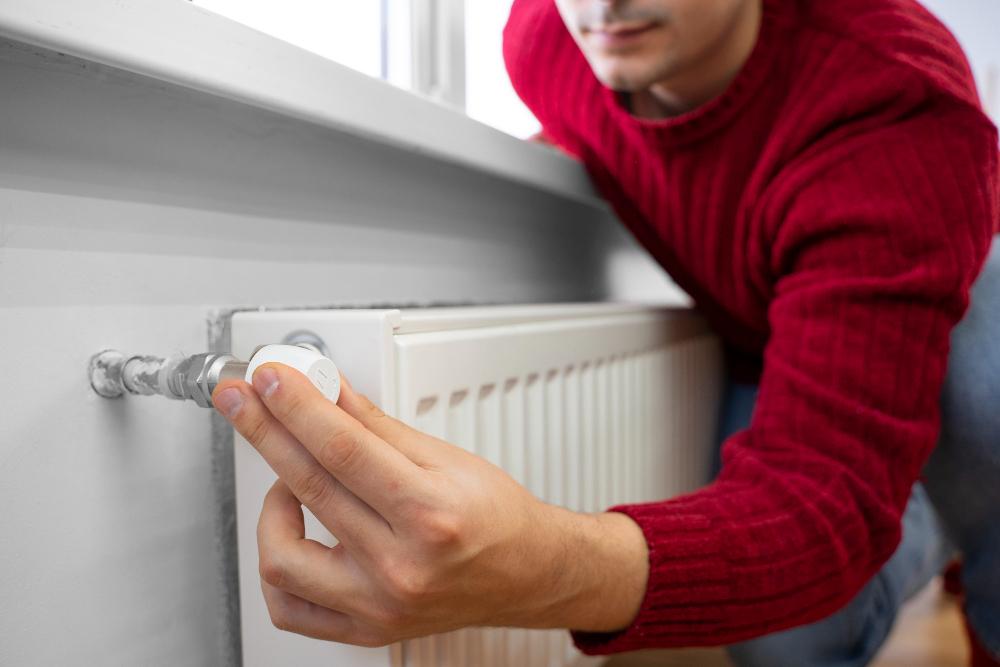
For most homes, however, this only happens when the radiators become cold, but this is actually the one dial that shows clearly how well a sealed system is performing. Spending just a minute or two understanding what the dial means will not only save you a cold night but more money in the long run. The purpose of this guide is to explain what each reading means and the extent of things that you can do on your own without involving a Gas Safe registered engineer. The fact remains that a boiler repair Bristol residents organize at the onset is much less expensive than one that is put off for several weeks.
What the Needle and the Coloured Zones Are Telling You
Boiler gauges display bar pressure, and all have a green area and a red area. In a closed system, the gauge reading while the heating system is switched off and the water is cold should be between around one and one and a half bar.
With the heating system turned on, the water will expand and the pressure gauge needle will rise slightly to between two and two and a half bar. Anything below one bar and the boiler won't work, as the safety switch prevents the system working without having enough water in the circuit. If the gauge reading goes above three bars, the safety valve might start to release water through a pipe on the external wall of the house.
Many combi systems place the gauge behind a flap inside the casing or use digital display. Check the manual for further instructions on how to read the pressure in such cases. A pressure gauge needle that remains at zero, even right after filling up, might indicate a faulty gauge, and this could be confirmed by an engineer easily. Old systems will only have a dial gauge with a coloured arc, and in this case, a sticker inside the.
Cold Readings Against Hot Readings
An increase of half a bar or even more after the radiators have heated up is perfectly normal. But a cold reading that is slowly rising or falling week by week is the important figure to write down.
Why Pressure Drops and Where the Water Goes
Where does the water go? The typical response is a weep through a radiator valve, a pipe joint, or the tail end of a newly bled radiator. Bleeding the radiator allows the trapped air and therefore some pressure out. Another possibility is the expansion vessel the small vessel built into the boiler itself or nearby in order to allow room for the expansion of the water as it is heated.
When the air charge in the vessel runs out, the pressure in the system becomes erratic and the safety valve may drip. In rare cases the problem can be located within the boiler itself in a faulty pump seal or even a very fine crack in the heat exchanger. Leaks that are slow to develop and evaporate before a drip is formed do not necessarily produce any visible signs on the floor.
Recently replaced or moved radiators are also typical culprits. A fitting that wasn’t tightened up completely can leak for months unnoticed. Pressure drop occurring only during the operation of the heater usually indicates the vessel problem. A constant drop over night indicates a leak. An annual boiler servicing Bristol carries out involves checking the air charge.
Where to Look for Drips
Rub a dry piece of kitchen roll on each valve and joint below the radiators, and also on the copper pipe that emerges from the outside wall.
Topping Up With the Filling Loop, Step by Step
Topping up is an activity that almost any homeowner can do, as long as the boiler is cool. Turn off the heat, allow time for cooling of the system. Find the filling loop; it is basically a small braided hose with a valve on either end of it. They are typically found under the boiler.
Some models have it integrated into the boiler, while older models are a separate hose that needs to be put on temporarily. Open the valves slowly, listening for water running and watching the needle. Remember that there are different lockout resets depending on the brand, so do not keep resetting it twice.
Continue until around one-and-a-half bars and close the valves tight. If the loop is a detachable hose, remove it once the valves are closed. Turn the heating back on to see whether the boiler starts again, and check the gauge again in the morning to make sure that the pressure is maintained. Some boilers require a reset button to be pressed when there is a low-pressure lockout, and the position is specified in the manual. If this becomes a frequent occurrence beyond once or twice a season, the water is leaking from the system somewhere.
Never Top Up a Hot Boiler
Water being cold when going into a heat exchange that is hot might affect the metal material. The little wait time will be to safeguard an expensive component.
Pressure That Climbs Too High
The right sized vessel will have been fitted in the boiler installation in Bristol homes so that it will accommodate the amount of water in the system, and hence it will be important that your replacement vessel is the right one and not just the nearest in the van. A needle which goes beyond two and a half bars when cold or three when hot is worth looking into.
Overfilling in a top-up would be an obvious reason and it can be solved by just opening the radiator bleed valve enough so that the pressure drops to normal. Should it rise again, the probable problem will be the expansion vessel or a filling loop valve which allows in too much mains water.
The pressure release valve will open up at three bars, and dripping from the discharge pipe outside will tell you that the valve has done its job. Please do not try to tamper with the valve because it is your last line of defence. A home that uses a cylinder and piping is better off with a larger vessel.
Why the Discharge Pipe Matters
The purpose of that pipe is to discharge excess water in a safe manner outdoors. If you see any water coming out of it, take it as a signal from the boiler.
When Pressure Trouble Says the Boiler Is Wearing Out
Faults due to pressure on the older boilers are easy to rectify, but as age progresses, this situation changes. Boiler older than twelve or fifteen years of service, which keeps suffering from loss of pressure, may have a worn-out heat exchanger or a faulty pump, and replacing them one by one will only end up costing more.
An engineer will consider frequency of the fault, availability of the replacement parts, and overall condition of the system. Cleaning the system and adding a filter is reasonable since dirty water is one of the leading causes of pressure faults in a newly installed boiler. In case of uncertainty, seek an honest opinion before winter comes, when engineers are most busy and a calm decision may become a crisis situation.
Landlords need to keep a record of a repeat pressure fault in the maintenance log to show that the fault was reported and sorted in a timely manner. When it is necessary to replace the boiler, one selected by Bristol households will be installed with a guaranteed price estimate and a manufacturers' warranty for as long as twelve years if the fitter is certified by the manufacturer.
Keeping a Simple Log
Make sure that you include the date, reading, and actions performed at each point. This brief history will help the engineer determine the cause much faster.
Conclusion
The pressure gauge is a matter of seconds and provides a lot of information. Being aware of the normal cold range, topping up when the boiler is cold, and looking out for pressure which keeps on dropping or increasing will help in identifying any problem at an early stage. Top ups may be done occasionally, but repeated loss of pressure, a dripping discharge pipe, or a gauge reading of zero indicates there is some fault that requires attention from a Gas Safe engineer. It helps the engineer to know about the problem and get a solution before the heating system stops working.

 English
 Arabic
 French
 Spanish
 Portuguese
 Deutsch
 Turkish
 Dutch
 Italiano
 Romaian
 Portuguese (Brazil)
 Greek