
Butterfly Ball Valve Solutions for Efficient Flow Control
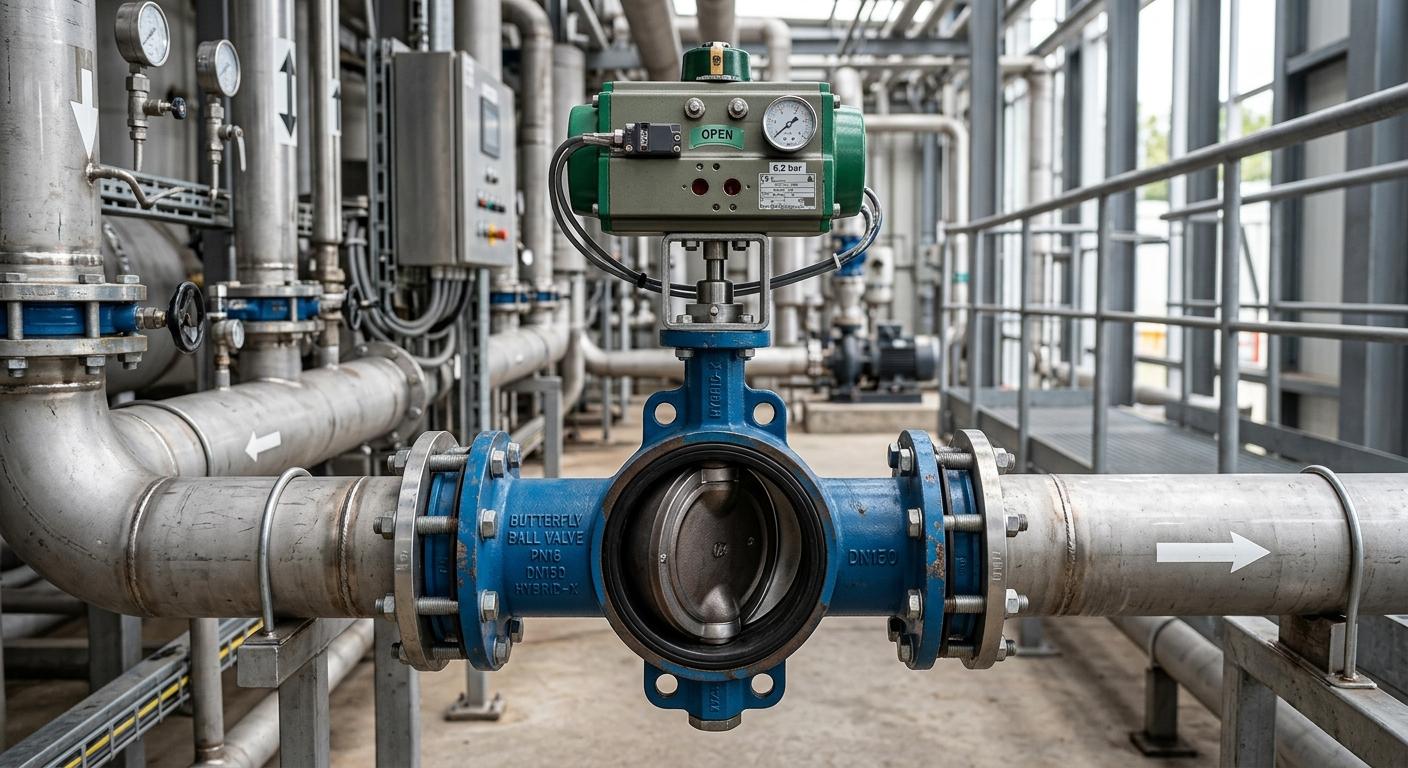
Industrial piping systems require dependable components to transport water, chemicals, cooling fluids, and other materials safely. Valves control this movement and allow operators to isolate equipment, regulate flow, and maintain stable operating conditions. Butterfly and ball valves are two widely used options because they offer practical solutions for different industrial needs.
Although the phrase butterfly ball valve is commonly used when discussing these flow control products together, butterfly valves and ball valves have distinct internal designs. Understanding their individual characteristics helps buyers make informed decisions and avoid selecting equipment that does not meet system requirements.
Manufacturing plants, commercial buildings, water treatment facilities, and industrial cooling installations all depend on suitable valves. A well-matched product can support operational efficiency, simplify maintenance, and reduce the risk of unexpected leakage.
Butterfly Valves for Space-Saving Installations
A butterfly valve contains a circular disc mounted on a rotating shaft. As the shaft turns, the disc changes position and controls the flow through the pipe. The straightforward design allows manufacturers to produce compact valves for a wide range of pipeline sizes.
One major advantage is the limited installation space required. Compared with some other valve types, butterfly valves can be lighter and easier to install in large pipelines. These characteristics make them attractive for water distribution, HVAC systems, industrial cooling, and selected process applications.
Butterfly valves are available in different configurations, including wafer, lug, and double-flanged designs. Each connection style has particular installation and maintenance considerations. The correct option depends on the pipeline arrangement, operating pressure, and access requirements.
Material selection is also important. Stainless steel may be suitable for applications requiring corrosion resistance or hygienic construction, while other materials can offer economical solutions for less demanding conditions.
Ball Valves for Positive Shutoff
Ball valves use a rotating ball with a hole through its center. When the hole aligns with the pipeline, fluid can pass through. When the ball rotates a quarter turn, its solid section blocks the passage.
This design provides straightforward operation and can deliver reliable shutoff when the valve is correctly selected and maintained. Full-port models are useful where maintaining a relatively open flow path is important. Reduced-port designs may be suitable when the system allows a smaller internal passage.
Ball valves are commonly used in water supply, chemical processing, compressed air, and general industrial services. However, the body, seats, seals, and other wetted components must be compatible with the fluid and operating conditions.
Not every ball valve is suitable for every application. High temperatures, abrasive fluids, aggressive chemicals, and extreme pressures may require specialized materials or alternative valve designs.
Key Factors When Comparing Valve Options
Before purchasing a valve, engineers should evaluate the requirements of the entire piping system. Pressure and temperature ratings are essential because exceeding the manufacturer's limits can lead to premature failure or unsafe operating conditions.
Flow characteristics also matter. Butterfly valves may be suitable for throttling when the manufacturer permits it and the valve is correctly sized. Standard ball valves are generally better suited to on-off service unless they are specifically designed for control applications.
Buyers should also check the valve's connection type, nominal diameter, pressure class, operating torque, and compatibility with existing actuators. These specifications help prevent installation difficulties and unnecessary equipment changes.
Industrial facilities exploring cooling equipment and related components can consult resources such as https://www.cardinalcoolingsystems.com/ when researching system requirements and component compatibility. Product selection should always be based on verified specifications rather than appearance or price alone.
Improving Operational Efficiency Through Maintenance
Valve maintenance supports reliable flow control and helps facilities identify developing problems early. Inspections should include external leakage, corrosion, damaged handles, actuator performance, and signs of abnormal resistance during operation.
Butterfly valve discs and seats may require inspection if the valve develops leakage or fails to move smoothly. Ball valve seats and seals can also wear over time, particularly under unsuitable operating conditions.
Maintenance intervals should reflect the application, operating frequency, fluid properties, and manufacturer's guidance. Systems handling corrosive chemicals or contaminated water may require more frequent checks than clean, low-stress services.
Replacement components should meet the original design specifications. Using incompatible seals or poorly matched internal parts can compromise performance and shorten service life. Proper isolation and depressurization are necessary before maintenance begins.
Applications Across Modern Industries
Water treatment plants use valves to manage distribution lines, filtration systems, and process equipment. Manufacturing facilities depend on them to control fluid movement between production stages. In commercial HVAC systems, suitable valves help manage chilled water and other circulating fluids.
Food processing and pharmaceutical facilities may require sanitary valve designs that support cleaning and reduce contamination risks. Chemical plants need careful material compatibility assessments to handle aggressive or hazardous substances safely.
These different applications demonstrate why valve selection should be based on specific operating needs instead of a single universal solution.
Conclusion
Butterfly and ball valves provide dependable flow control when selected for the correct application. Butterfly valves offer compact construction and practical solutions for many large-pipeline installations, while ball valves are valued for quick operation and effective shutoff.
Reviewing operating conditions, material compatibility, connection standards, and maintenance needs helps buyers choose suitable equipment. With correct installation and routine inspection, industrial valves can support efficient operations and dependable system performance over the long term.

 English
 Arabic
 French
 Spanish
 Portuguese
 Deutsch
 Turkish
 Dutch
Dutch
 Italiano
 Russian
 Romaian
 Greek
Greek