
Sigma Blast Pipe Exhaust
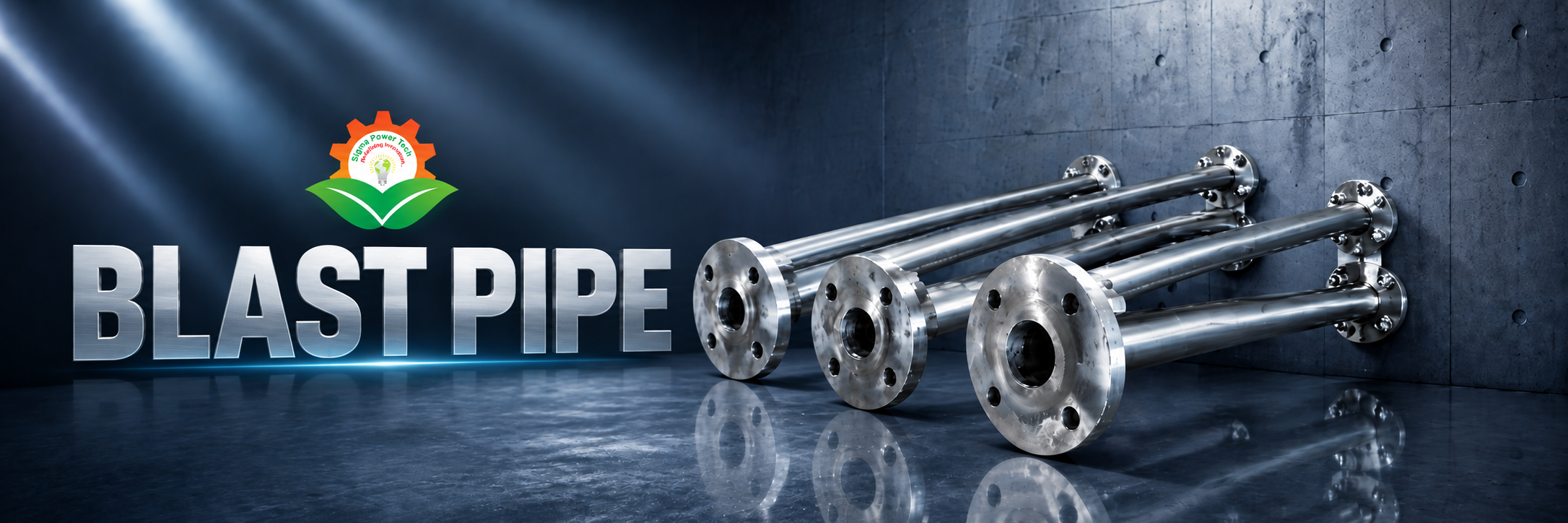
A defense command shelter is designed to withstand extreme conditions, but one overlooked ventilation penetration can compromise the entire structure during an explosion. In another scenario, a chemical processing plant experiences a pressure wave following an accidental blast, placing immense stress on its ventilation network. In both cases, a properly engineered Blast Pipe becomes an essential part of the facility's protective infrastructure, helping maintain structural integrity while ensuring critical ventilation systems continue to perform safely.
Modern blast-resistant facilities require every ventilation component to work together under extreme pressure. Choosing the right blast pipe exhaust is therefore not just an engineering decision—it is a long-term investment in safety, reliability, and operational continuity.
What is a Blast Pipe?
A blast Pipe is a specially engineered section of ventilation ductwork designed to safely pass through blast-resistant walls or protective structures. Unlike conventional ducts, it is built to withstand high explosion pressures while protecting both the ventilation system and the surrounding structure.
Its primary purpose is to reinforce wall penetrations where ventilation ducts enter or exit protected facilities. Without a properly designed Blast Resistant Pipe, these openings can become weak points during a blast event, increasing the risk of structural failure or damage to critical equipment.
How a Blast Pipe Works During an Explosion
During an explosion, an intense pressure wave travels rapidly toward nearby structures. Standard ventilation ducts may deform, collapse, or transfer damaging forces directly to blast-resistant walls.
A properly designed blast pipe exhaust helps prevent this by distributing blast loads across its reinforced structure instead of concentrating stress at the wall penetration. The pipe absorbs and transfers these forces safely, reducing structural damage while maintaining the integrity of the protective barrier.
When integrated correctly, the blast pipe also supports continued operation of protected ventilation systems after the blast, reducing downtime and improving facility resilience.
Key Features of a High-Quality Blast Pipe
Not all blast pipes are manufactured to the same standards. High-risk environments demand products designed specifically for blast protection applications.
Important characteristics include:
- Reinforced heavy-duty steel construction
- High pressure and impact resistance
- Excellent structural durability
- Precision-engineered wall penetration design
- Corrosion-resistant protective coating
- Long operational service life with minimal maintenance
A quality Sigma Power Tech Blast Pipe is designed with these engineering principles in mind, making it suitable for demanding industrial and defense applications where reliability cannot be compromised.
Integration with Complete Blast Protection Systems
A blast pipe should never be viewed as a standalone product. It forms one critical part of a complete protected ventilation system.
Typically, blast pipes are installed together with:
- Blast valves that automatically isolate pressure waves
- Gas-tight valves that prevent hazardous air leakage
- CBRN filtration systems for protection against chemical, biological, radiological, and nuclear contaminants
- Air handling units designed for protected environments
Together, these components create a comprehensive ventilation solution capable of maintaining airflow while protecting occupants and critical equipment during emergency conditions.
Where Blast Pipes Are Commonly Used
Because of their specialized design, blast pipes are installed in facilities where both structural protection and controlled ventilation are essential.
Typical applications include:
- Military installations and defense shelters
- Underground bunkers and command centers
- Nuclear power facilities
- Thermal and hydroelectric power plants
- Oil and gas facilities
- Chemical manufacturing plants
- Petrochemical refineries
- Critical government infrastructure
- Industrial process facilities requiring explosion protection
Each project has unique blast loading requirements, making proper engineering selection extremely important.
Factors That Affect Blast Pipe Pricing
The cost of a blast pipe depends on far more than its diameter. Engineering specifications and project requirements significantly influence the final investment.
Major pricing factors include:
- Steel grade and material quality
- Pipe diameter and overall length
- Wall thickness
- Required blast pressure rating
- Protective surface coatings
- Manufacturing tolerances
- Independent testing or certification
- Custom fabrication requirements
While lower-cost products may appear attractive initially, they often lack the engineering validation required for high-risk infrastructure projects.
Choosing Reliable Blast Pipe Manufacturers in India
Selecting experienced Blast Pipe Manufacturers in India is just as important as selecting the product itself.
A reliable manufacturer should provide:
- Proven experience in blast protection engineering
- Custom design capability
- High-quality fabrication processes
- Pressure-rated engineering solutions
- Compatibility with blast valves and ventilation systems
- Technical support during design and installation
- Comprehensive documentation and quality assurance
Working with an experienced manufacturer helps ensure the blast pipe performs as intended throughout the facility's operational life.
Common Mistakes to Avoid
Many procurement teams focus primarily on purchase price rather than overall system performance. This can create serious risks later.
Common mistakes include:
- Selecting standard industrial ducts instead of engineered blast-resistant components
- Ignoring wall penetration reinforcement requirements
- Choosing products without verified engineering specifications
- Overlooking compatibility with blast valves and filtration systems
- Purchasing based solely on cost instead of lifecycle performance
- Failing to involve experienced blast protection specialists during project planning
Avoiding these mistakes improves both safety and long-term operational reliability.
Building a Safer Ventilation System
If your facility operates in a high-risk environment, now is an excellent time to review your facility's ventilation safety setup. Even small improvements to protective ventilation can significantly enhance resilience during emergency events.
You should also consider upgrading your blast protection systems if existing ventilation components no longer meet current engineering requirements.
For project planning, engineering guidance, and industry updates, explore more safety insights to stay informed about best practices in blast-resistant infrastructure.
Conclusion
Choosing the right blast pipe exhaust involves much more than selecting a steel pipe. It requires understanding how protected ventilation systems respond under extreme blast pressures and ensuring every component works together to safeguard people, equipment, and critical infrastructure.
From reinforced construction and structural load distribution to seamless integration with blast valves, gas-tight valves, and filtration systems, a properly engineered Blast Resistant Pipe plays a vital role in modern blast protection. By partnering with experienced manufacturers and avoiding common procurement mistakes, organizations can build safer, more resilient facilities that remain operational when protection matters most.
For high-risk projects, investing in professionally engineered blast protection solutions is not simply a compliance requirement—it is a commitment to long-term safety, operational continuity, and engineering excellence.

 English
 Arabic
 French
 Spanish
 Portuguese
 Deutsch
 Turkish
 Dutch
Dutch
 Russian
 Romaian
 Portuguese (Brazil)
 Greek
Greek