
The Modern Majlis: Reimagining the Heart of Emirati Hospitality
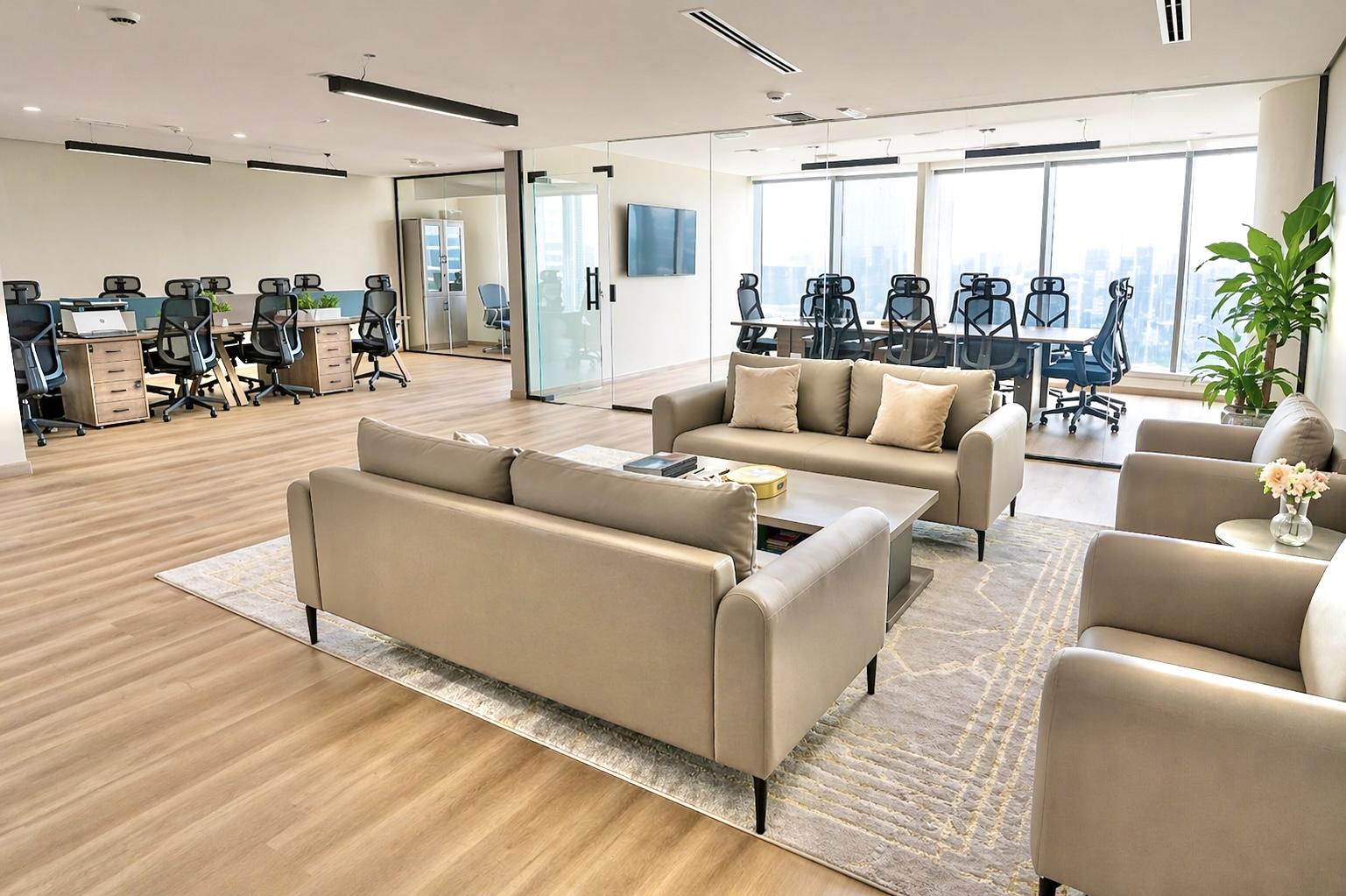
In every Emirati home, one room carries more meaning than any other. The majlis is where guests are welcomed, coffee is poured, news is shared and family ties are renewed. Today, thoughtful majlis interior design is about honouring that heritage while meeting the expectations of modern life, and it sits at the centre of any serious approach to villa design in abu dhabi. This article looks at how the traditional sitting room is being reinterpreted, and how homeowners can keep its spirit intact while making it fit for the way families live now.
Why the Majlis Still Matters
The majlis is far more than a living room with extra seating. It is a social institution, a place where generosity is shown rather than spoken about. Hosting well is a point of pride, and the room is designed to express that.
In practical terms, the space has to handle a wide range of occasions. One evening it may host a handful of close relatives, and the next it may welcome a large gathering for Eid, a wedding celebration or condolences.
A Room With Many Roles
A modern majlis is expected to work for:
· Daily family conversation and evening tea
· Formal visits from elders, neighbours and colleagues
· Religious and seasonal occasions such as Ramadan gatherings
· Business conversations that are more comfortable in a home setting
· Children's celebrations and extended family weekends
Designing for one of these roles alone tends to fail the others. The challenge is creating a room that feels intimate with six people and generous with forty.
From Floor Cushions to Flexible Comfort
Traditionally, guests sat on floor cushions arranged along the walls, with bolsters for back support and a carpet anchoring the centre. That perimeter arrangement had a clear purpose: everyone could see everyone, and no one sat with their back to another guest.
The modern reinterpretation keeps that perimeter logic but adapts the height and ergonomics. Low sofas with deep seats, firm back cushions and sturdy arms now take the place of floor seating in many homes, especially where older relatives find getting up from the floor difficult.
Keeping the Circle Intact
Whatever seating you choose, protect the sense of a shared circle:
· Run seating along at least three walls so conversation flows naturally
· Keep the central area open for serving trays and coffee rituals
· Avoid island sofas that break the room into separate clusters
· Leave a clear, dignified path from the entrance to the seat of honour
Many families now combine both approaches. A built-in low banquette along the main wall offers the traditional experience, while a few upholstered armchairs provide easier seating for those who need it.
Materials That Speak of Place
The most memorable rooms feel rooted in the region without looking like a museum. This matters across all villa design in abu dhabi, but it matters most in the room guests see first. Strong majlis interior design draws on local craft and natural textures, then refines them for contemporary taste.
Textures and Finishes
Consider a palette built around:
· Natural stone or large-format porcelain in warm sand tones for flooring
· Timber screens or panels inspired by mashrabiya patterns
· Hand-woven rugs with geometric motifs, scaled to the room
· Linen, wool and velvet upholstery that withstands frequent use
· Brass or bronze accents in lighting and door hardware
The trick is restraint. One strong heritage element, such as a carved timber wall or a sadu-inspired textile, often has more impact than filling every surface with pattern.
Colour With Purpose
Earthy neutrals remain popular because they feel calm and age well. Deeper accents such as olive, terracotta, indigo or burgundy can be introduced through cushions, rugs and artwork, which are easy to refresh as tastes change.
Light, Air and the Summer Climate
In Abu Dhabi, a majlis may be used heavily through the hottest months, often in the evening when families gather after sunset. Comfort depends on how well the room handles heat and glare.
Managing Daylight
Large windows bring a sense of openness, but they also bring heat. Practical measures include:
· Deep window reveals or external shading on south and west elevations
· High-performance glazing to reduce solar gain
· Layered curtains, with sheers for daytime and heavier drapes for privacy
· Positioning the main seating away from direct afternoon sun
Layered Artificial Lighting
Evening gatherings call for a mix of light sources. A statement chandelier or pendant sets the tone, cove lighting softens the ceiling, and wall washers highlight textures and artwork. Dimmable circuits allow the room to shift from bright and welcoming to warm and relaxed as the night goes on.
Air and Scent
Air conditioning should be quiet and evenly distributed, with linear diffusers hidden in the ceiling rather than wall units that blow directly onto guests. Since burning oud and bakhoor is part of hospitality, plan for good ventilation and choose fabrics that can be cleaned easily.
Technology Without Clutter
Families want screens for news, sports and shared viewing, and contemporary majlis interior design has to accommodate them. But a television dominating the main wall can undermine the room's dignity. Concealment is the modern answer.
Options include joinery with sliding or pivoting panels, a screen recessed into a feature wall, or a projector with a drop-down screen. Charging points can be built discreetly into side tables and banquette bases, and sound systems can be integrated into the ceiling so the room stays visually calm.
Serving and Hospitality Flow
Hospitality in the majlis follows a rhythm: coffee and dates on arrival, tea and sweets later, and sometimes a full meal. The design should support that rhythm without staff or family members crossing through the middle of the gathering.
The Service Connection
A small pantry or coffee station next to the majlis makes a significant difference. It allows dallahs to be kept warm, cups to be prepared and trays to be refilled quietly. Ideally, this pantry connects to the main kitchen through a service route that does not pass through family areas.
Storage for Occasions
Large gatherings need extra cushions, serving pieces, prayer mats and seasonal decorations. Built-in storage within banquette bases or concealed cabinets keeps these items nearby without cluttering the room.
Separate Majlis Spaces for Men and Women
Many households prefer separate sitting rooms so that men and women can host their guests comfortably at the same time. When this is part of the brief, each room deserves equal care.
It is a common mistake to give the men's majlis the grand entrance and finishes while the women's room feels like an afterthought. Both should have their own entrances, washrooms and access to service areas. The women's majlis often benefits from a direct, private connection to the family wing so that hosts can move between guests and household without being seen from the main entrance.
Integrating the Majlis Into the Wider Home
A beautiful room in isolation is not enough. The majlis must relate correctly to the entrance, the garden, parking and the private zones of the house. Good villa design in abu dhabi considers these relationships from the very first sketch, rather than trying to fit a majlis into whatever space is left over.
Questions to Ask Early
· Can guests reach the majlis without passing family living areas?
· Is there a guest washroom close by but discreetly placed?
· Does the room have a view of a garden or courtyard rather than a service yard?
· Can the space open to an outdoor terrace for cooler months?
· Is there enough parking and a covered drop-off near the guest entrance?
Answering these questions at the planning stage avoids expensive changes later and protects both hospitality and privacy.
Outdoor and Semi-Outdoor Majlis Options
From late autumn through early spring, outdoor gatherings are a pleasure. A shaded terrace, garden pavilion or rooftop seating area can extend the home's hosting capacity considerably.
Design these spaces with weather-resistant fabrics, ceiling fans or misting systems for warmer evenings, and enough lighting for safe movement after dark. A fire pit or a dedicated spot for coffee preparation adds atmosphere and keeps the ritual at the heart of the experience.
Avoiding Common Pitfalls
Even well-funded projects can go wrong. Watch out for:
· Oversized furniture that leaves no room for circulation
· Hard surfaces everywhere, which make conversation echo
· Lighting that is either too harsh or too dim for reading faces
· Too many trends at once, which date the room quickly
· Forgetting accessibility for elderly guests and wheelchair users
Acoustic comfort deserves special attention. Rugs, upholstered walls, timber panelling and fabric ceilings all help absorb sound, so that a room full of people still feels relaxed rather than noisy.
Final Thoughts
The modern majlis is not about choosing between tradition and modernity. It is about understanding why the room exists, then using today's materials, technology and comfort standards to serve that purpose better.
When majlis interior design begins with the rituals of hospitality, the decisions about seating, lighting, materials and layout fall into place more naturally. Combined with careful villa design in abu dhabi that respects privacy, climate and family life, the result is a room that welcomes guests with warmth and continues to feel right for generations. Take time with the brief, involve the family members who host most often, and treat the majlis as the true heart of the home that it has always been.

 English
 Arabic
 French
 Spanish
 Portuguese
 Deutsch
 Turkish
 Dutch
Dutch
 Italiano
 Romaian
 Portuguese (Brazil)
 Greek
Greek