
5 Solutions Compared: How to Fix an Uneven Brooklyn Sidewalk
Have multiple slabs of your sidewalk become uneven, and are you going to replace the whole sidewalk? Stop. Because not every sidewalk issue needs replacement. Some problems need a simple surface fix, while others require lifting or full replacement. The right solution depends on the damage, slab condition, and underlying ground. So, which repair method should you choose? Let’s compare five common options and where each one works best. But before choosing any repair solution, getting an inspection from a sidewalk repair contractor Brooklyn can help you identify the root of the damage and decide which solution is durable.
1- Concrete Grinding: The Quick Shave
In this method, a thin layer is usually removed from the higher sections with a grinding machine. This creates a smooth transition between uneven surfaces.
-
Pros: Concrete grinding is a fast and low-cost process
-
Cons: It ignores the root cause, so slabs can shift again
2- Slab Lifting: A Solution for Settled Concrete
Sometimes an uneven sidewalk is caused by one slab sinking below the surrounding surface. So the sidewalk contractors inject a polyurethane foam under a sunken slab to push it back to its original condition.
-
Pros: Slab lifting needs less demolition and gives you a faster turnaround.
-
Cons: If the slab is cracked, it can break it. Also, it provides results depending on the soil below.
3. Single Slab Replacement: Targeted and Reliable
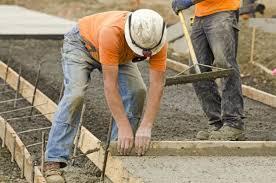
What happens when only one section has become badly cracked or displaced? Partial replacement can provide you with a stronger solution and save your money. A sidewalk repair team breaks out the old concrete, rebuilds the base, and pours new concrete.
-
Pros: It gives that section a lasting fix, and the new slab is installed according to applicable NYC sidewalk requirements.
-
Cons: It costs more than grinding. Also, you'll need a permit to do the job. Furthermore, to cure properly, concrete needs a few days (at least one week).
4. Full Sidewalk Replacement: The Long-Term Fix
If several slabs are badly damaged, full replacement can provide you with a more reliable solution. This process runs for days. Brooklyn sidewalk repair contractors remove the old section and fix the underlying cause before pouring new concrete.
-
Pros: Full sidewalk replacement provides you with an opportunity to fix the root cause that extends the lifespan of your sidewalk.
-
Cons: It costs the most, and since it is a major project, it creates the longest disruption.
5. The NYC Parks Program: When City Trees Are to Blame
Did a city-owned street tree lift your sidewalk? If the city owns that tree, you don’t need to pay for the repair. NYC Parks runs a Trees and Sidewalks Program that fixes qualifying damage at no cost to the owner. You can submit your repair request through 311. But remember: do not cut the roots yourself. It can kill the tree, and you know street trees are city property.
-
Pros: If your damage qualifies, the city covers the repair for free.
-
Cons: You may wait a while, and it is not guaranteed that your sidewalk will be eligible for the repair.
Match the Problem to the Repair: Quick Comparison Table
Each repair method has a different purpose. Here is a comparison chart that helps you understand thagt which repair method is tailored for which issue.
|
Sidewalk Problem |
Solution |
Cost |
Longevity |
Main Drawback |
|
Small lips between sound slabs |
Concrete grinding |
Low |
Short-term |
Cause stays unfixed |
|
Settled but intact slabs |
Slab lifting |
Low to medium |
Medium |
Poor fit for cracked slabs |
|
One cracked or tilted slab |
Single slab replacement |
Medium |
Long-term |
Needs permit and curing time |
|
Multiple slabs are damaged |
Full section replacement |
High |
Longest |
Longest disruption |
|
Damage from city-owned trees |
NYC Parks program |
Free if eligible |
Depends on repair |
Wait times and eligibility limits |
What Causes Uneven Sidewalks in Brooklyn?
Before you pick a repair, find out why the sidewalk moved. Fix the symptom without the cause, and the problem usually comes back. Here are the main culprits on Brooklyn blocks:
-
Tree roots: Roots keep growing under the slabs. Over time, they push the concrete up and leave raised edges. This is common on tree-lined streets in Park Slope and Bed-Stuy.
-
Soil movement: The ground under a slab doesn't stay put. When it shifts, slabs settle at different rates and end up uneven.
-
Poor drainage: Water that pools near a slab washes away the soil underneath. That leaves hollow spots, and the concrete sinks into them.
-
Freeze-thaw cycles: Water seeps under the slab and freezes in winter. It expands, lifts the concrete, then drops it again after the thaw.
-
Heavy foot traffic: Busy blocks put constant weight on weak slabs. Small cracks and dips grow faster than you'd expect.
Wrap Up
Brooklyn property owners can’t afford uneven sidewalks. This can create safety risks for pedestrians and lead to DOT violations. So before you get stuck in any situation, search “sidewalk repair contractors near me in Brooklyn” to get slabs inspected and match the repair to the damage. A local company like Concrete Contractors NYC can assess your sidewalk, handle DOT permits, and recommend the right method. Call (718) 404-6555 to reach them.

 English
 Arabic
 Spanish
 Portuguese
 Deutsch
 Turkish
 Dutch
Dutch
 Italiano
 Russian
 Romaian
 Portuguese (Brazil)
 Greek
Greek