
What Makes an Electronic Hookah Different From Traditional Designs?
Hookah has long been associated with social gatherings, relaxation, and a distinctive preparation ritual. From arranging the shisha bowl to managing charcoal and adjusting airflow, traditional hookah designs have remained recognizable for generations.
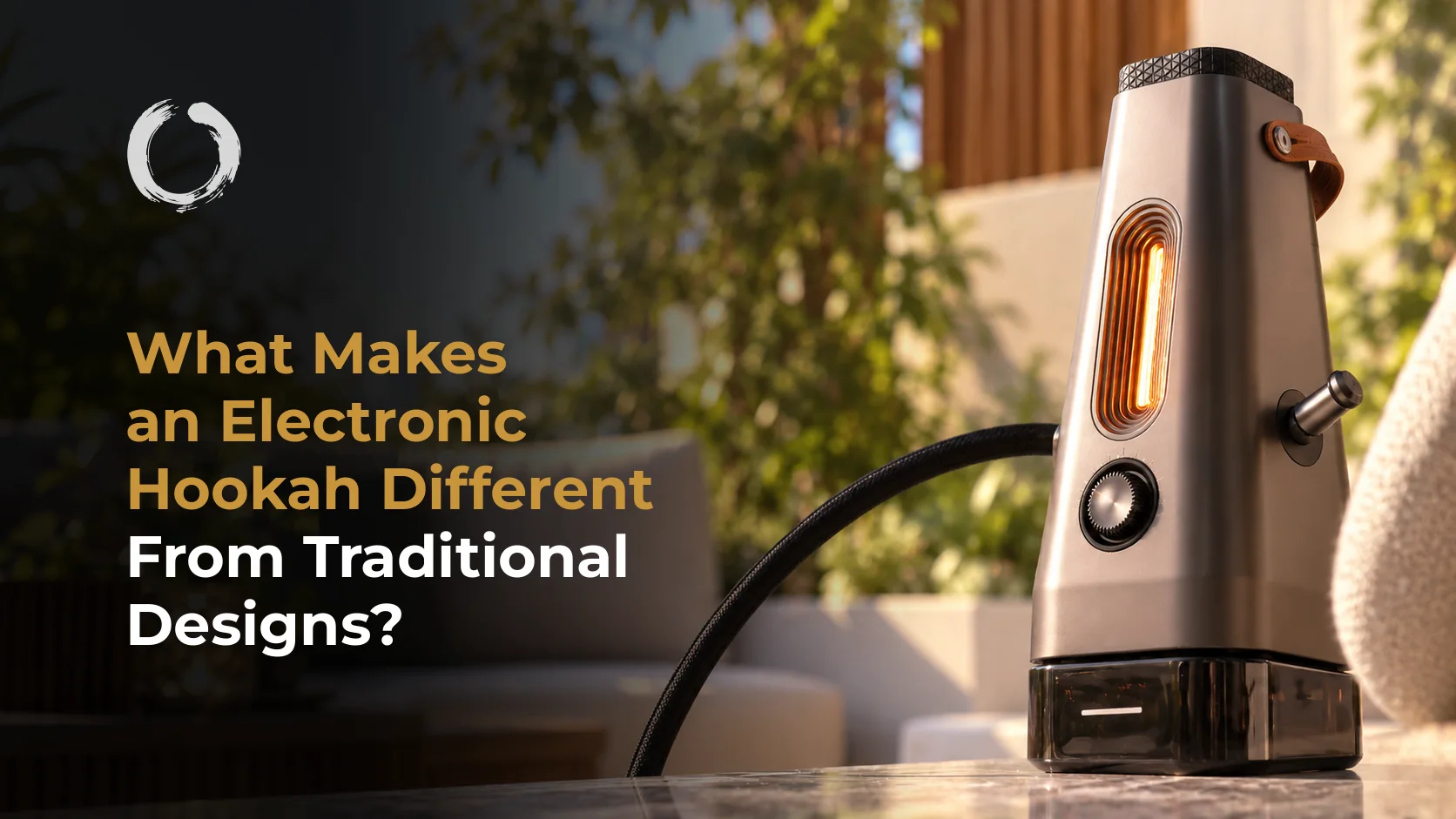
However, modern technology is introducing a different approach to this familiar experience. The electronic hookah combines traditional waterpipe elements with electrically powered heating, rechargeable batteries, and adjustable temperature controls.
Unlike conventional hookahs that depend on burning charcoal, electronic systems generate heat through electrical components. This changes how users prepare their equipment, manage temperature, and maintain their setup.
Brands such as ENSŌ Shisha EU demonstrate how contemporary engineering can preserve recognizable aspects of the shisha ritual while introducing modern functionality.
But what exactly makes an electronic hookah different from traditional designs? Understanding the differences in heating technology, construction, portability, and maintenance helps explain how these systems work.
What Is an Electronic Hookah?
An electronic hookah is a modern waterpipe system that uses an electrically powered heating element instead of burning charcoal to heat shisha material.
Traditional hookahs generally consist of a bowl, stem, water base, hose, and charcoal heating arrangement. Electronic designs may retain several of these components while replacing the charcoal-based heating system with electronic technology.
Depending on the model, an electronic hookah may include a rechargeable battery, adjustable temperature settings, integrated heating chamber, and specialized airflow components.
The main purpose of electronic heating is to make temperature management more controlled and reduce the manual work associated with charcoal preparation.
How Does an Electronic Hookah Work?
An electronic hookah transfers electrical energy into heat through an internal heating element.
The process generally involves preparing the shisha chamber, activating the device, and allowing the heating element to reach its operating temperature.
In models with adjustable temperature controls, users can select a heating level appropriate for their chosen material.
For example, the ENSŌ 2026 Edition Electric Hookah offers temperature settings ranging from 180°C to 330°C in 5°C increments. Its electronic heating system is designed to regulate the selected temperature throughout a session.
This differs from traditional charcoal heating, where temperature changes depend largely on the position, quantity, and burning condition of the coals.
Electronic Hookah vs Traditional Hookah: Key Differences
Although both designs can preserve the familiar waterpipe experience, their operating methods differ considerably.
|
Feature |
Electronic Hookah |
Traditional Hookah |
|
Heating source |
Electric heating element |
Burning charcoal |
|
Temperature control |
Adjustable electronic settings on supported models |
Manual charcoal management |
|
Power source |
Battery or external electricity |
Charcoal |
|
Preparation |
Electronic preheating |
Lighting and arranging charcoal |
|
Heat consistency |
Electronically regulated |
Depends on charcoal condition |
|
Portability |
Depends on battery and device design |
Requires charcoal equipment |
|
Cleaning |
No charcoal ash |
Charcoal ash and shisha residue |
|
Maintenance |
Heating system, battery, chamber, hose |
Bowl, stem, hose, charcoal accessories |
|
Design |
Often integrated and contemporary |
Commonly modular and traditional |
The biggest difference is not simply appearance. It is how each system generates and manages heat.
1. Electronic Heating Replaces Traditional Charcoal
Heating technology is the defining feature separating electronic hookahs from conventional designs.
Traditional Charcoal Heating
Traditional hookahs use burning charcoal to provide heat to the shisha bowl.
The heat produced by the charcoal warms the material, generating an aerosol that travels through the waterpipe system.
Users typically need to monitor charcoal placement, replace coals when necessary, and adjust heating conditions throughout the session.
Although this manual process is familiar to experienced hookah enthusiasts, it requires attention and additional equipment.
Electronic Heating Technology
Electronic hookahs replace burning charcoal with an electrically powered heating element.
Instead of manually moving charcoal to influence heat distribution, users can adjust temperature through electronic controls where available.
This approach eliminates the need for charcoal lighting and removes charcoal ash from the preparation and cleaning process.
However, electronic heating does not automatically make inhalation harmless. The material being heated can still generate harmful substances, particularly when tobacco or nicotine-containing shisha is used. The FDA identifies both the heating source and the shisha composition as factors influencing chemical exposure.
2. Temperature Control Becomes More Precise
Temperature management plays an important role in how a hookah operates.
In traditional designs, users control heat indirectly by adjusting charcoal quantity, position, and airflow.
Because charcoal gradually burns and changes shape, maintaining consistent heating conditions can require frequent adjustments.
Electronic hookahs introduce a different method.
Adjustable Electronic Temperature Settings
Many electronic hookah systems allow users to select temperature settings through buttons, dials, or other integrated controls.
These settings provide a more repeatable approach to heating than manual charcoal placement.
For example, ENSŌ incorporates a Thermodial that allows temperature adjustments in 5°C steps.
The system also includes different heating modes intended to accommodate variations in heating preferences and usage patterns.
Electronic regulation can reduce the need for constant intervention, although actual performance still depends on the device, shisha preparation, and operating conditions.
3. Modern Designs Focus on Portability
Traditional hookahs are often associated with larger setups that include a glass base, metal stem, bowl, hose, and separate charcoal accessories.
Although compact traditional hookahs exist, transporting and preparing them may require additional equipment.
Electronic hookahs can approach portability differently.
Rechargeable Battery Systems
Battery-powered hookahs can operate without a continuous connection to an electrical outlet.
This allows the heating system to function in suitable locations without requiring a separate charcoal burner.
The ENSŌ 2026 Edition features a removable 5,000 mAh battery and an estimated operating duration of approximately 90 to 120 minutes, depending on temperature and usage.
Its integrated construction also includes a carrying strap and magnetic mouthpiece designed to simplify handling and storage.
However, portability does not mean unrestricted use. Local smoking regulations, venue policies, battery safety requirements, and ventilation considerations still apply.
4. Electronic Hookahs Introduce Contemporary Design Elements
The physical appearance of a hookah is another important distinction.
Traditional hookahs frequently feature decorative metal stems, prominent glass bases, and designs influenced by longstanding regional craftsmanship.
Electronic models often emphasize compact construction, integrated components, and modern industrial design.
Materials and Construction
Electronic hookahs may incorporate materials such as:
-
Heat-resistant ceramic or porcelain heating chambers.
-
Stainless steel components for durability.
-
Glass water tanks.
-
Metal alloy housings.
-
Removable batteries and magnetic connectors.
The ENSŌ electric hookah combines a zinc-alloy body, glass water tank, porcelain chamber, and stainless steel mouthpiece.
These materials support its integrated design while retaining recognizable waterpipe components.
Rather than abandoning the traditional hookah structure entirely, electronic designs reinterpret it using modern engineering and manufacturing techniques.
5. Preparation Requires Fewer Charcoal-Related Steps
Preparing a traditional hookah generally involves filling the water base, packing the bowl, preparing the heating arrangement, lighting charcoal, and waiting for the coals to become ready.
Once the session begins, additional charcoal adjustments may be required.
Electronic hookahs simplify certain parts of this process.
A Different Preparation Routine
A typical electronic hookah setup involves preparing the water chamber, loading the compatible shisha material, checking battery power, selecting a temperature, and allowing the heating system to preheat.
This removes several charcoal-related tasks.
There is no need to ignite coals, transfer burning charcoal with tongs, or dispose of charcoal ash afterward.
However, users still need to prepare the chamber correctly, follow the manufacturer's instructions, and clean components after use.
Electronic technology changes the preparation process rather than eliminating maintenance altogether.
6. Airflow and Hose Design Can Be Different
Airflow is an essential part of both traditional and electronic hookah systems.
Traditional designs rely on the relationship between the bowl, stem, water chamber, and hose to create the characteristic draw.
Electronic systems may retain this arrangement while incorporating redesigned airflow channels and integrated components.
Modern Airflow Engineering
Some electronic hookahs use wider hoses, redesigned mouthpieces, or specialized internal airflow paths to influence draw resistance.
The ENSŌ 2026 Edition includes a 1.5-metre hose and redesigned 15-centimetre magnetic mouthpiece.
These changes are intended to improve airflow and provide a more comfortable draw compared with the brand's earlier configuration.
Actual airflow characteristics vary between devices and depend on factors such as hose diameter, chamber loading, and component design.
7. Cleaning and Maintenance Follow Different Requirements
Traditional hookahs require regular cleaning of the bowl, water base, stem, and hose.
Charcoal-based systems also involve removing ash and cleaning heating accessories.
Electronic hookahs eliminate charcoal ash but introduce other maintenance considerations.
Maintaining Electronic Components
Electronic hookah maintenance may involve cleaning removable shisha chambers, rinsing compatible water components, checking seals, and inspecting electrical connections.
Rechargeable batteries also require proper charging, storage, and handling.
Users should avoid exposing electrical components to water unless the manufacturer specifically identifies them as washable.
For devices with replaceable components, maintenance can also involve replacing worn mouthpieces, seals, chambers, or batteries.
The result is a different maintenance routine, not necessarily a maintenance-free device.
8. Electronic Heating Can Be Added to Traditional Hookahs
Not every electronic hookah system requires replacing an existing waterpipe.
Some modern heating devices are designed to work with traditional hookah setups.
This creates another category of electronic shisha technology: standalone electronic heating attachments.
ENSŌ Diamond: Electronic Heating for Existing Setups
The ENSŌ Diamond is an electronic heating system designed for use with traditional hookahs.
Instead of relying on charcoal, Diamond uses a ceramic heating element to warm the shisha material.
Its design incorporates adjustable heating controls, a rechargeable quick-swap battery, and an integrated ceramic cup.
This approach allows compatible traditional hookahs to retain their existing waterpipe structure while changing how heat is produced.
It demonstrates that electronic heating technology can be incorporated into both complete modern hookah systems and existing traditional designs.
9. Electronic Hookahs Change the Role of the User
One of the less obvious differences between traditional and electronic hookahs is how much manual involvement they require.
Traditional hookah preparation relies heavily on experience with charcoal, bowl packing, and heat management.
Users often develop preferred techniques through repeated experimentation.
Electronic hookahs shift part of this responsibility to the heating system.
Instead of constantly adjusting charcoal placement, users interact with electronic controls and temperature settings.
This can make the heating process more repeatable, particularly when the same material and preparation method are used.
However, personal preferences remain important. Different shisha blends, packing methods, and airflow conditions can still influence the experience.
Electronic controls provide additional tools for managing these variables rather than removing them entirely.
10. Safety Considerations Are Different, Not Absent
One important distinction concerns charcoal combustion.
Traditional hookahs generate carbon monoxide and other combustion-related pollutants from burning charcoal.
Electronic systems eliminate the charcoal combustion source when operated without coals.
This can reduce exposure to certain charcoal-related emissions, but it does not establish that electronic hookah use is safe.
Tobacco-containing shisha can still expose users to nicotine and harmful chemicals. Even nicotine-free mixtures should not be assumed harmless when heated and inhaled.
Electronic hookahs also introduce electrical and battery-related safety considerations, including proper charging, heat management, and equipment maintenance.
Users should follow applicable regulations, maintain adequate ventilation, and use equipment according to manufacturer instructions.
Frequently Asked Questions
What Is the Main Difference Between an Electronic Hookah and a Traditional Hookah?
The primary difference is the heating source. Electronic hookahs use electrically powered heating elements, while traditional hookahs typically use burning charcoal.
Does an Electronic Hookah Need Charcoal?
A fully electronic hookah does not require charcoal. Its heating system generates heat using electrical power from a battery or compatible external supply.
Are Electronic Hookahs Portable?
Many electronic hookahs are designed for portability, particularly models with rechargeable batteries and integrated components. Portability depends on the device's dimensions, weight, battery capacity, and accessories.
Can an Electronic Hookah Use Traditional Shisha Material?
Some electronic hookahs support conventional shisha blends, while others have specific material requirements. Users should check the manufacturer's compatibility instructions before loading a device.
Is an Electronic Hookah Easier to Maintain?
Electronic hookahs eliminate charcoal ash, which simplifies one aspect of cleaning. However, they still require regular maintenance of their heating chambers, water tanks, hoses, and electronic components.
Can Electronic Heating Work With an Existing Traditional Hookah?
Yes. Compatible electronic heating attachments, such as ENSŌ Diamond, are designed to introduce charcoal-free heating to existing hookah setups.
Conclusion: A Modern Interpretation of Traditional Hookah Design
The difference between electronic and traditional hookahs extends beyond their appearance.
Traditional designs depend on charcoal heating and manual temperature management, while electronic systems introduce electrically powered heating, rechargeable batteries, and adjustable controls.
These changes influence preparation, portability, maintenance, and the way users interact with their equipment.
Electronic hookahs do not necessarily replace the traditional shisha experience. Instead, they offer an alternative approach that combines familiar waterpipe elements with contemporary technology.
Through products such as the ENSŌ 2026 Edition and ENSŌ Diamond, ENSŌ Shisha EU illustrates how electronic heating can be integrated into both complete modern systems and compatible traditional setups.
As electronic heating technology continues to develop, the distinction between traditional craftsmanship and modern engineering may become less about the appearance of a hookah and more about how its heating system operates.

 English
 Arabic
 French
 Spanish
 Portuguese
 Deutsch
 Dutch
 Italiano
 Russian
 Romaian
 Portuguese (Brazil)
 Greek