
Facial Tissue vs Pocket Tissue: Which One Do You Really Need?
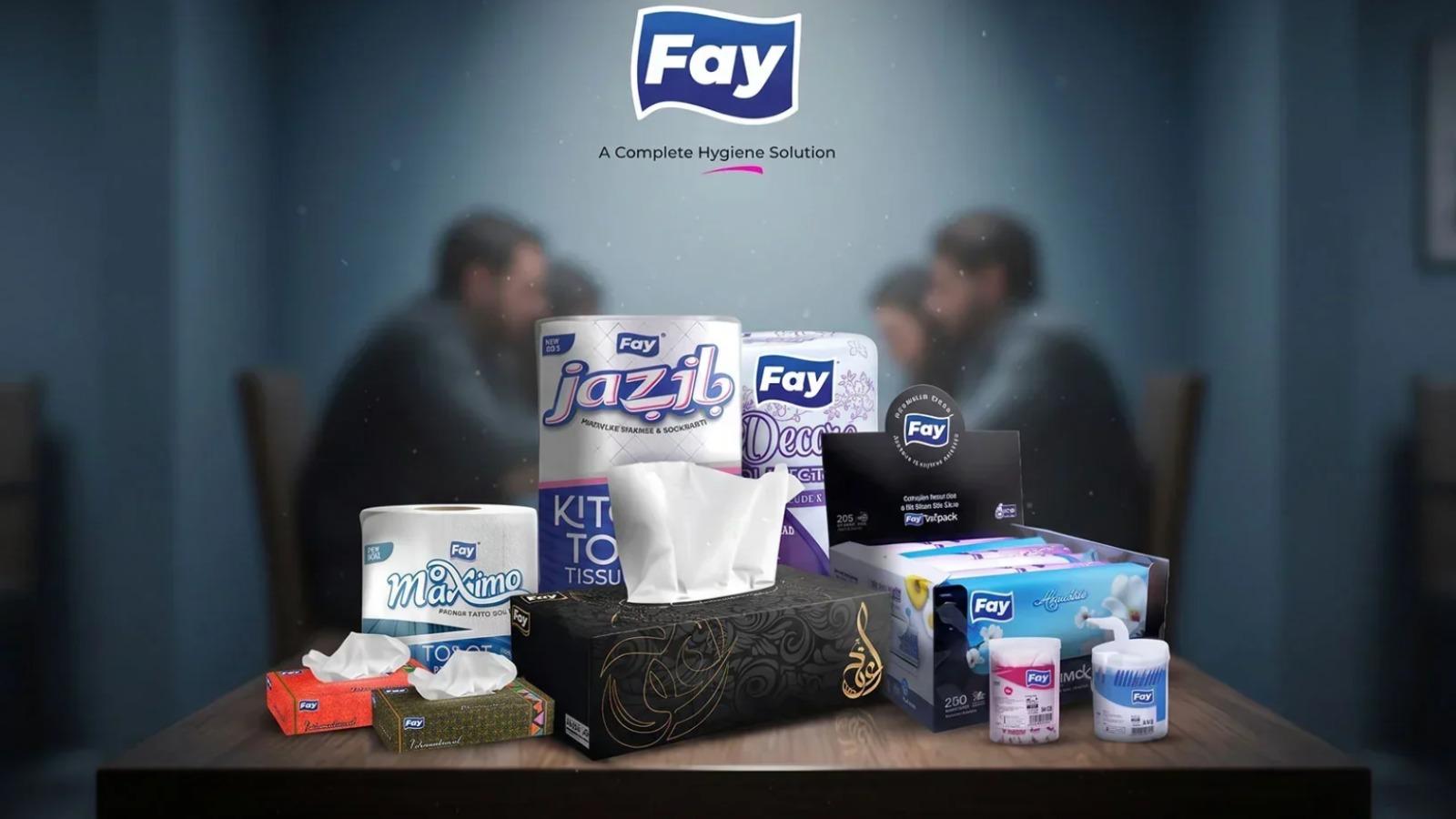
Walk down any tissue aisle in Pakistan and you will see two familiar options: the big box sitting on a table and the small pack that fits in a bag. Both are soft, both wipe away sneezes and sweat, and both feel like they do the same job. So when it comes to the best facial tissue in Pakistan vs pocket tissue, does the choice really matter?
It does, more than most people think. The right tissue depends on where you are, how often you need it and how many people share it. A tissue box that is perfect for your lounge is useless in a rickshaw, and a pocket pack will not last a family through flu season.
In this guide, we break down what each type is, how they differ and which one fits your daily routine at home, at work and on the move.
What Is a Facial Tissue?
A facial tissue is a soft, absorbent, disposable paper sheet made for gentle use on the face, nose and hands. It usually comes in a box or a soft pack holding a large number of sheets, which makes it ideal for shared spaces.
Facial tissues are designed for comfort. They are made from fine paper fibres layered into two or three plies, so they feel smooth against the skin and hold up well when damp.
Where facial tissues work best
-
Bedside tables, lounges and dining areas at home
-
Office desks, reception counters and meeting rooms
-
Dressing tables for makeup removal and skincare
-
Sick rooms during colds, flu and allergy season
-
Cars, where a box or soft pack sits on the dashboard or back seat
Because one box serves many people for many days, facial tissues are the everyday tissue for most Pakistani households.
What Is a Pocket Tissue?
A pocket tissue is a small, folded tissue packed in a compact, resealable pouch. Each pack usually holds around ten sheets and is small enough to slip into a pocket, purse, school bag or glove box.
Pocket tissues are built for portability. The pouch protects the sheets from dust, sweat and rain, so they stay clean until you need them. They are usually folded more tightly than box tissues to save space.
Where pocket tissues work best
-
Travelling by bus, train or plane
-
School bags and children’s lunchboxes
-
Handbags, clutches and wallets
-
Weddings, mehndis and long family functions
-
Outdoor trips, picnics, the gym and the masjid
Pocket tissues are the tissue you carry, not the tissue you keep. They solve small messes when there is no box nearby.
Facial Tissue vs Pocket Tissue: Key Differences
Both tissues are made for personal hygiene, but they are designed for different situations. Here is how they compare side by side.
|
Feature |
Facial Tissue |
Pocket Tissue |
|
Pack size |
Large box or soft pack |
Small, slim pouch |
|
Sheets per pack |
High count |
Around 10 sheets |
|
Portability |
Stays in one place |
Fits in a pocket or bag |
|
Best for |
Home, office, car |
Travel, school, events |
|
Sharing |
Many people, many days |
One person, one outing |
|
Protection |
Open box or soft pack |
Sealed pouch keeps sheets clean |
|
Cost per sheet |
Lower |
Slightly higher |
|
Convenience |
Always within reach at home |
Always with you outside |
The simple takeaway: facial tissues give you more sheets and better value, while pocket tissues give you convenience and hygiene on the go.
Which One Should You Choose?
The honest answer is that most families need both. They are not competitors; they cover different parts of your day. Still, a few questions can help you decide what to stock up on.
Choose facial tissues if you:
-
Want tissues within easy reach for the whole family
-
Have someone at home with a cold, flu or seasonal allergy
-
Need tissues on an office desk or shop counter
-
Want the best value for everyday use
-
Use tissues as part of your skincare or makeup routine
Choose pocket tissues if you:
-
Commute daily or travel often
-
Have children who need tissues at school
-
Attend weddings, dawats and events where tissues run out
-
Want a hygienic option in public places where surfaces are not clean
-
Prefer not to carry a bulky box in your car or bag
The smart combination
The most practical setup is a box or soft pack of facial tissues in each main room and a few pocket packs in every handbag, school bag and car. This way you are never caught without a tissue, whether you are at home watching a match or stuck in Karachi traffic.
Tips for Using Tissues Hygienically
Choosing the right tissue is only half the job. Using it properly protects you and the people around you.
-
Use each tissue once. Tissues are made to be disposable. Reusing them spreads germs back to your face and hands.
-
Cover sneezes and coughs. Sneeze into a tissue, then throw it away immediately and wash or sanitise your hands.
-
Keep pocket packs sealed. Close the pouch after every use so dust and moisture do not reach the remaining sheets.
-
Store boxes away from water. Keep tissue boxes away from sinks and wet counters so the sheets stay soft and dry.
-
Never flush tissues. Facial and pocket tissues are not made to break down like toilet paper and can block drains.
-
Replace old pocket packs. A pack that has sat in a sweaty pocket for weeks is better replaced than used.
Why Quality Matters in Everyday Tissues
Not all tissues are equal. A low-quality tissue tears when damp, leaves lint on your face and feels rough after a few uses. During a cold, that roughness quickly turns into a red, sore nose.
A good tissue should be soft enough for sensitive skin, strong enough not to tear when wet and absorbent enough that one sheet does the job. These qualities matter in both formats. A soft pocket tissue at a wedding is just as important as a soft facial tissue at home.
When you shop, look for tissues that feel smooth to the touch, hold together when damp and come in clean, well-sealed packaging. Choosing a trusted local brand also means consistent quality pack after pack.
Frequently Asked Questions
1. Are pocket tissues and facial tissues made from the same material?
Both are generally made from soft, absorbent paper fibres designed for use on the face. The main difference is the packaging and folding. Pocket tissues are folded tightly into a small sealed pouch, while facial tissues are packed loosely in a box or soft pack.
2. How many tissues are in a pocket tissue pack?
Most pocket tissue packs contain around ten sheets. This is enough for a day out, a journey or an event, without making the pack too bulky to carry.
3. Are pocket tissues more hygienic than facial tissues?
Outside the home, yes. The sealed pouch protects the sheets from dust, sweat and dirty surfaces. At home, a clean box of facial tissues kept in a dry place is equally hygienic.
4. Can I use pocket tissues for makeup removal?
Yes, you can use pocket tissues to blot makeup or remove lipstick on the go. For a full makeup removal routine at home, facial tissues are more practical because you will usually need several sheets.
5. Which tissue is better for children?
Both have a place. Keep a box of facial tissues at home for colds and spills, and pack pocket tissues in your child’s school bag. Small pocket packs are easy for children to handle and keep them from sharing tissues with classmates.
Conclusion
The facial tissue vs pocket tissue choice is not about which one is better. It is about where you need it. Facial tissues are the value choice for homes, offices and cars, where many people share one supply. Pocket tissues are the convenient choice for travel, school and events, where you need a few clean sheets in your bag.
For complete comfort, keep both: a soft box in every room and a pocket pack wherever you go. Explore the full range of soft, absorbent tissues from Fay and keep your family covered at home and on the move.

 English
 Arabic
 French
 Spanish
 Portuguese
 Deutsch
 Dutch
 Italiano
 Russian
 Romaian
 Portuguese (Brazil)
 Greek