
How Does a Homestay in Rajasthan Offer a Different Perspective on Local Life?
Introduction
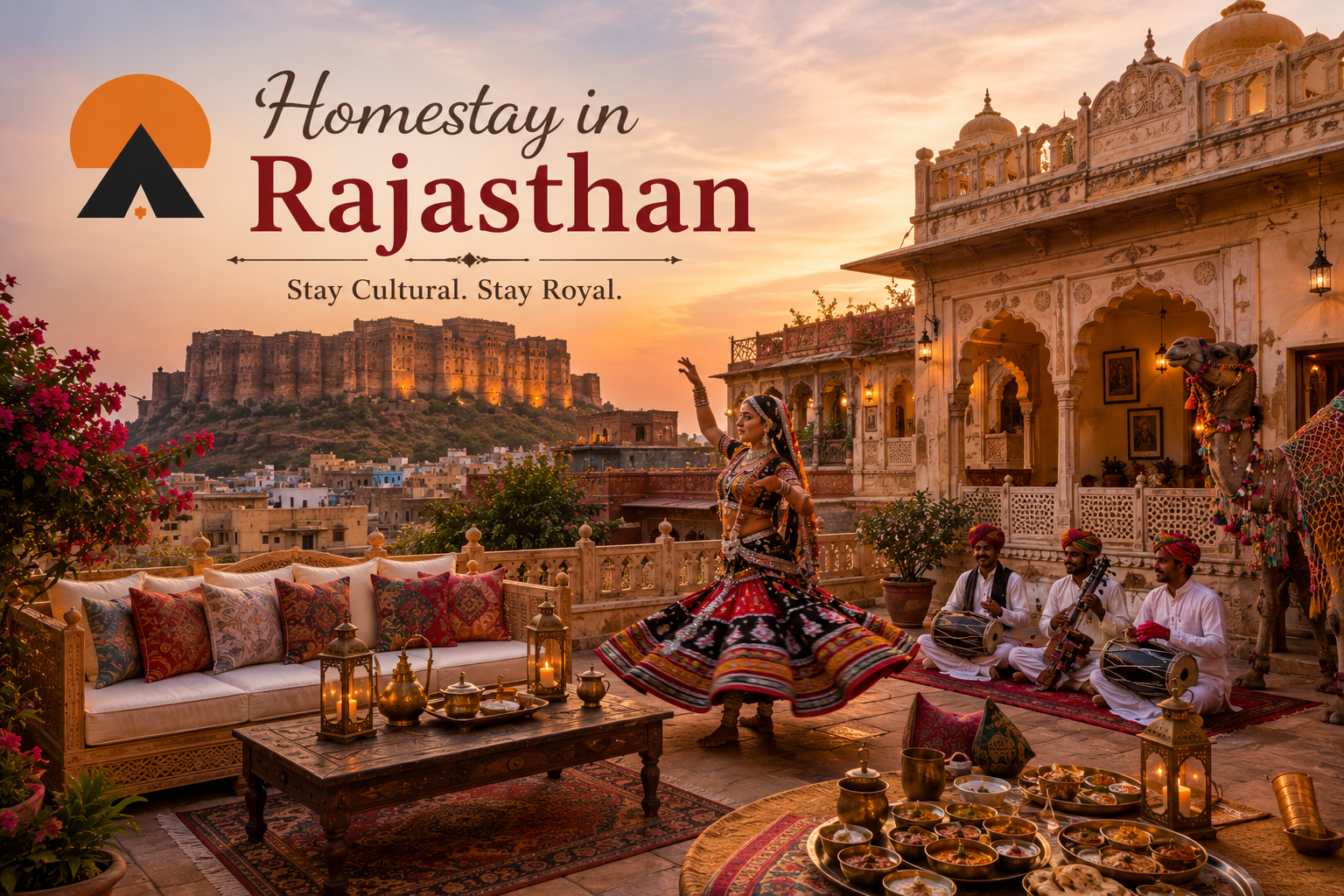
Choosing a homestay in Rajasthan can help you experience the state beyond its famous forts, palaces, colourful markets, and desert attractions. Rajasthan has a rich cultural identity shaped by its villages, traditional homes, regional food, folk music, handicrafts, festivals, and everyday community life. Staying in a locally hosted property can bring you closer to these experiences and offer a more personal understanding of the destination.
A conventional sightseeing trip often focuses on visiting major landmarks and moving from one city to another. A homestay can introduce a different rhythm. You might begin the day with a home-cooked breakfast, speak with your host about local customs, explore a nearby market, or learn how a traditional craft is made. Depending on the property and its location, you may also have opportunities to visit rural communities, observe agricultural activities, or experience regional celebrations.
Rajasthan is not culturally uniform. The traditions of Marwar, Mewar, Shekhawati, Hadoti, and other regions have their own characteristics. A stay in Jaipur may feel different from one in Jodhpur, Udaipur, Bikaner, or a rural village.
This guide explores how a homestay can offer a closer look at Rajasthan's local life and what you should consider when choosing one.
1. Experience Everyday Rajasthani Hospitality
Hospitality is an important part of Rajasthan's cultural identity. A locally hosted stay can give visitors an opportunity to experience it through everyday interactions rather than only through formal tourism services.
Your host may welcome you with a traditional greeting, recommend a local restaurant, explain nearby attractions, or share stories about the area. Conversations over breakfast or dinner can sometimes reveal details about local customs, family traditions, and community life that are easy to miss during a short sightseeing visit.
The experience will depend on the household and the type of property. Some homestays are family residences with guest rooms, while others are professionally managed accommodation inspired by local architecture and hospitality.
If personal interaction is important to you, read recent reviews and ask how much opportunity guests have to interact with the hosts.
2. Discover Traditional Rajasthani Food
Food is one of the most enjoyable ways to understand a region's culture.
Rajasthani cuisine reflects the state's climate, agricultural conditions, available ingredients, and regional traditions. Depending on where you stay, you may encounter dishes such as dal baati churma, gatte ki sabzi, ker sangri, bajra roti, and different preparations using local spices.
A homestay may provide an opportunity to enjoy home-style meals and learn about the ingredients and cooking methods behind them.
You can ask your host:
-
Which dishes are commonly prepared in the household?
-
Are traditional Rajasthani meals available?
-
Can guests try regional snacks?
-
Are vegetarian and other dietary preferences accommodated?
-
Do meals need to be requested in advance?
Food traditions vary across the state, so the experience in a desert district may differ from that in a city or a region with different agricultural influences.
Rather than expecting every property to serve the same menu, use your stay as an opportunity to discover the food associated with its particular location.
3. Learn About Traditional Architecture
Rajasthan's architecture is among its most recognisable cultural features.
The state has forts, palaces, havelis, temples, stepwells, courtyards, and traditional homes that reflect different historical periods and local building styles.
A heritage-inspired homestay can make architecture part of your everyday stay. You may notice courtyards, carved doors, decorative windows, traditional furnishings, stonework, or locally inspired interiors.
The architectural character changes from one region to another. Jaipur is known for its distinctive pink-coloured historic areas, Jodhpur for its blue old-city neighbourhoods, and Jaisalmer for its golden sandstone architecture.
If you are interested in heritage, ask the host about the building's history and whether its traditional features have been preserved. Also check whether the property is genuinely historic or simply designed with traditional decorative elements.
4. Explore Village Life Beyond the Tourist Route
A village visit can offer a perspective on Rajasthan that is different from exploring its major cities.
Rural communities have their own routines, occupations, food traditions, celebrations, and relationships with the surrounding landscape. Depending on the location, visitors may observe farming, livestock care, local markets, traditional homes, and community activities.
Some rural tourism experiences also provide opportunities to interact with residents and learn about local customs.
The Rajasthan Rural Tourism Scheme was introduced to encourage tourism in rural areas and support local communities. Rural tourism activities can include guest houses, agro-tourism units, and camping sites. The wider aim is to create opportunities for visitors to experience village life while generating local economic benefits.
If your homestay is located in a village, ask whether the host can recommend a respectful local walk or a community-led experience. Remember that villages are people's homes and workplaces. Ask permission before taking photographs and avoid entering private property without an invitation.
5. Understand Traditional Arts and Handicrafts
Rajasthan has a strong tradition of handmade crafts, with skills passed between generations.
Depending on the region, visitors may discover block printing, tie-dye textiles, pottery, puppetry, leatherwork, jewellery, woodwork, stone carving, miniature painting, and weaving.
A homestay host may be able to recommend nearby artisan workshops, craft markets, or community experiences where visitors can learn about these traditions.
For example:
-
Jaipur and Sanganer: Known for block printing and other textile traditions.
-
Bagru: Associated with traditional hand-block printing.
-
Jodhpur and Bikaner: Known for different textile and craft traditions, including tie-dye work.
-
Bikaner: Also recognised for painted pottery.
-
Molela near Udaipur: Known for terracotta plaques.
Rajasthan Tourism highlights the importance of textiles, carpets, pottery, metalwork, and other traditional crafts across the state.
If you visit an artisan's workshop, take time to understand the process rather than treating it only as a shopping stop. Buying directly from local makers, when possible, can help support traditional skills and small businesses.
6. Enjoy Folk Music, Dance, and Local Stories
Music and dance are closely connected with Rajasthan's cultural life.
Different communities have their own musical traditions, instruments, performance styles, and stories. Depending on the region and the event, visitors may encounter folk singing, traditional dance, puppetry, or storytelling.
Some well-known cultural forms include Ghoomar, Kalbelia, and the musical traditions associated with communities such as the Langas and Manganiyars.
A homestay host may know about local performances or festivals taking place during your visit. Some properties may arrange cultural programmes, although these are not available everywhere.
The best approach is to ask what is genuinely taking place nearby rather than assuming that every homestay offers a scheduled performance.
Rajasthan's cultural programmes and rural tourism initiatives also recognise the role of local artists and traditional performers in keeping folk heritage alive.
7. Visit Local Markets and Understand Daily Shopping Habits
Markets provide a lively view of everyday life in Rajasthan.
While large tourist markets often focus on souvenirs, local markets also serve residents who visit to buy vegetables, spices, household goods, clothing, utensils, and everyday necessities.
Walking through a market can help you notice regional products and understand how local communities shop and trade.
You may find:
-
Fresh produce and local ingredients
-
Traditional snacks and sweets
-
Textiles and embroidered fabrics
-
Handmade jewellery
-
Pottery and household crafts
-
Decorative objects and souvenirs
Ask your host which markets are worth visiting and whether there are quieter places away from the busiest tourist areas.
When shopping, compare prices, ask about the origin of handmade products, and support genuine local sellers where possible.
8. Experience Desert and Rural Landscapes
Rajasthan's desert environment influences its architecture, food, occupations, and everyday routines.
In western Rajasthan, visitors can explore desert landscapes around places such as Jaisalmer, Barmer, Bikaner, and other areas. Depending on the location and season, activities may include guided village visits, camel-cart rides, nature experiences, and opportunities to learn about rural livelihoods.
A homestay outside a busy tourist centre can provide a different atmosphere from a large commercial hotel or organised desert camp.
You may have more time to appreciate the surrounding landscape, observe local routines, and understand how people adapt to the region's climate.
Choose responsible local operators for desert excursions. Confirm what is included, how long the activity lasts, and whether the experience benefits local guides and communities.
9. Learn About Regional Festivals and Community Celebrations
Festivals are another way to understand Rajasthan's traditions.
The state hosts a variety of fairs and celebrations throughout the year. These may be connected with religious occasions, seasonal changes, local crafts, livestock, music, dance, or regional history.
Depending on your travel dates, you may be able to experience events such as the Pushkar Fair, Marwar Festival, Mewar Festival, Gangaur, Teej, or the Desert Festival.
Not every event takes place in every city, and dates can change from year to year. Check the official schedule before planning your trip around a particular celebration.
If you are staying with a local family, ask whether any community events are taking place nearby. Follow local etiquette, respect religious practices, and check whether visitors are welcome at the event.
10. Discover Local Customs Through Everyday Conversations
One of the less obvious benefits of a homestay is the opportunity to learn through ordinary conversations.
You may discover why a particular dish is prepared for a celebration, how a traditional textile is made, what a local festival means to residents, or how a historic neighbourhood has changed over time.
These conversations can make a destination feel more familiar and help you understand the connections between food, architecture, language, work, and tradition.
Rajasthan has several regional languages and dialects, and customs can differ considerably between districts. A host's perspective can help you appreciate these differences without assuming that one experience represents the entire state.
Choosing the Best Homestay in Rajasthan for a Local Experience
Finding the best homestay in Rajasthan depends on the kind of local experience you want.
A heritage enthusiast may prefer a traditional property in or near an old city. A traveller interested in village life may choose a rural guest house or farm-oriented stay. Someone who wants to explore food and markets may prefer accommodation with convenient access to local neighbourhoods.
Before booking, consider the following factors.
Location
Check the exact location of the property and its distance from the places you want to explore. Rajasthan is a large state, and travel between cities can take considerable time.
Host Interaction
If you want to learn about local life, ask whether the hosts are available to share recommendations or help arrange community experiences.
Food Arrangements
Confirm whether meals are available, which dishes are served, and whether dietary preferences can be accommodated.
Property Character
Check whether the accommodation is a traditional home, a heritage property, a rural guest house, or a modern building with traditional design elements.
Recent Guest Reviews
Look for repeated comments about cleanliness, hospitality, food, location, room comfort, and the accuracy of the property description.
Local Activities
Ask whether the property can recommend reliable guides, artisan visits, village walks, cultural events, or other experiences. Confirm the cost and arrangements directly.
How Different Travellers Can Benefit from a Rajasthan Homestay
For Families
Families can use a homestay as a comfortable base for exploring heritage sites, markets, local food, and cultural attractions. Look for spacious rooms, suitable bedding, convenient meals, and transport options.
If children are interested in crafts or village activities, ask whether there are age-appropriate experiences available.
For Couples
Couples may enjoy traditional architecture, quiet neighbourhoods, regional meals, local markets, and cultural experiences. A relaxed schedule can leave time to enjoy the property and its surroundings.
For Solo Travellers
Solo visitors can benefit from local recommendations about transport, food, neighbourhoods, and places to explore. If staying in a remote area, confirm transport and check-in arrangements before arrival.
For Culture Enthusiasts
Travellers interested in heritage can choose accommodation that provides convenient access to historic buildings, craft communities, traditional markets, museums, and cultural events.
For Slow Travellers
A longer stay can provide more opportunities to understand local routines. Instead of visiting several destinations in a short period, spend more time in one area and explore its surroundings at a comfortable pace.
A Five-Day Rajasthan Itinerary Focused on Local Life
A five-day itinerary can combine city heritage with opportunities to experience local culture. The following is an example; travel times and activities should be adjusted according to your arrival point and preferred destinations.
Day 1: Arrive and Explore the Local Neighbourhood
Check into your homestay and spend the first day exploring nearby streets and markets. Ask your host for suggestions about local food and places worth visiting.
Day 2: Discover Heritage and Architecture
Visit a major fort, palace, haveli, or historic neighbourhood. Take time to notice architectural details and learn about the area's history.
Day 3: Food and Handicrafts
Explore a local market or artisan area. Try regional food and, if available, visit a workshop where traditional crafts are made.
Day 4: Rural or Cultural Experience
Arrange a responsible village visit, guided rural walk, or cultural experience. Ask your host about suitable activities and local guides.
Day 5: Enjoy a Slower Morning
Have breakfast at the property, revisit a nearby market, or spend time speaking with your hosts before departure.
This approach allows you to balance well-known attractions with smaller experiences that reveal more about everyday life.
Best Time to Plan a Homestay Holiday in Rajasthan
The cooler months are generally comfortable for sightseeing, exploring markets, and spending time outdoors. This period is often suitable for visiting forts, heritage sites, rural areas, and desert destinations.
The warmer months can bring high temperatures, particularly in desert regions. If you travel during this period, plan outdoor activities for mornings and evenings, stay hydrated, and choose accommodation with suitable cooling.
The monsoon brings rainfall to parts of Rajasthan, although conditions vary across the state. Check local weather and road conditions before planning outdoor excursions.
Festival dates and cultural events also vary. If attending a particular celebration is important, confirm its schedule before booking your stay.
Responsible Ways to Experience Local Life
A homestay can create opportunities to connect with local communities, but visitors should approach these experiences with respect.
-
Ask permission before photographing residents or private homes.
-
Respect religious customs and dress requirements.
-
Avoid entering farms or private property without permission.
-
Support local artisans and small businesses.
-
Choose guides and operators who treat communities respectfully.
-
Avoid activities that exploit animals or disturb wildlife.
-
Reduce plastic waste and dispose of rubbish responsibly.
-
Follow local instructions during festivals and cultural events.
The purpose of cultural travel should be to learn and appreciate, not to interrupt everyday life.
Conclusion
A homestay can offer a different perspective on Rajasthan by bringing travellers closer to the people, food, architecture, crafts, music, and everyday traditions that shape the state. Beyond visiting forts and palaces, you can discover local markets, learn about regional cooking, observe traditional skills, explore rural surroundings, and understand how customs differ across communities.
The experience depends on choosing accommodation that matches your interests. Before booking, compare the location, property character, host interaction, meals, recent reviews, and opportunities for responsible local activities.
For travellers who want to explore Rajasthan through more personal and locally connected stays, Raahghar can be a useful starting point for discovering accommodation options that suit different travel preferences.
Frequently Asked Questions
1. How does a homestay in Rajasthan help visitors understand local life?
A homestay can provide opportunities to interact with local hosts, enjoy regional food, learn about customs, explore nearby markets, and discover traditional crafts and community experiences.
2. What should I look for when choosing the best homestay in Rajasthan?
Consider the location, cleanliness, host interaction, food arrangements, property style, recent guest reviews, transport access, and availability of local experiences.
3. Can guests experience traditional Rajasthani food at a homestay?
Some homestays offer home-style regional meals, but menus vary by property. Ask the host about available dishes, meal timings, and dietary requirements before booking.
4. Are homestays in Rajasthan suitable for families?
Yes. Families can choose properties with suitable room arrangements, convenient meals, parking, and access to cultural attractions. Confirm facilities and child-friendly arrangements before booking.
5. Can a homestay help arrange village and handicraft experiences?
Some hosts may recommend village visits, artisan workshops, local guides, and cultural activities. Ask what is available nearby and confirm the arrangements and costs directly.
Read Our Previous Blog —> What Local Activities Can Make Your Homestay in Kumarakom More Memorable?

 English
 Arabic
 French
 Spanish
 Portuguese
 Deutsch
 Turkish
 Dutch
 Italiano
 Russian
 Romaian
 Greek