
Hang Hole Pouch: A Practical Guide to Retail-Ready Flexible Packaging
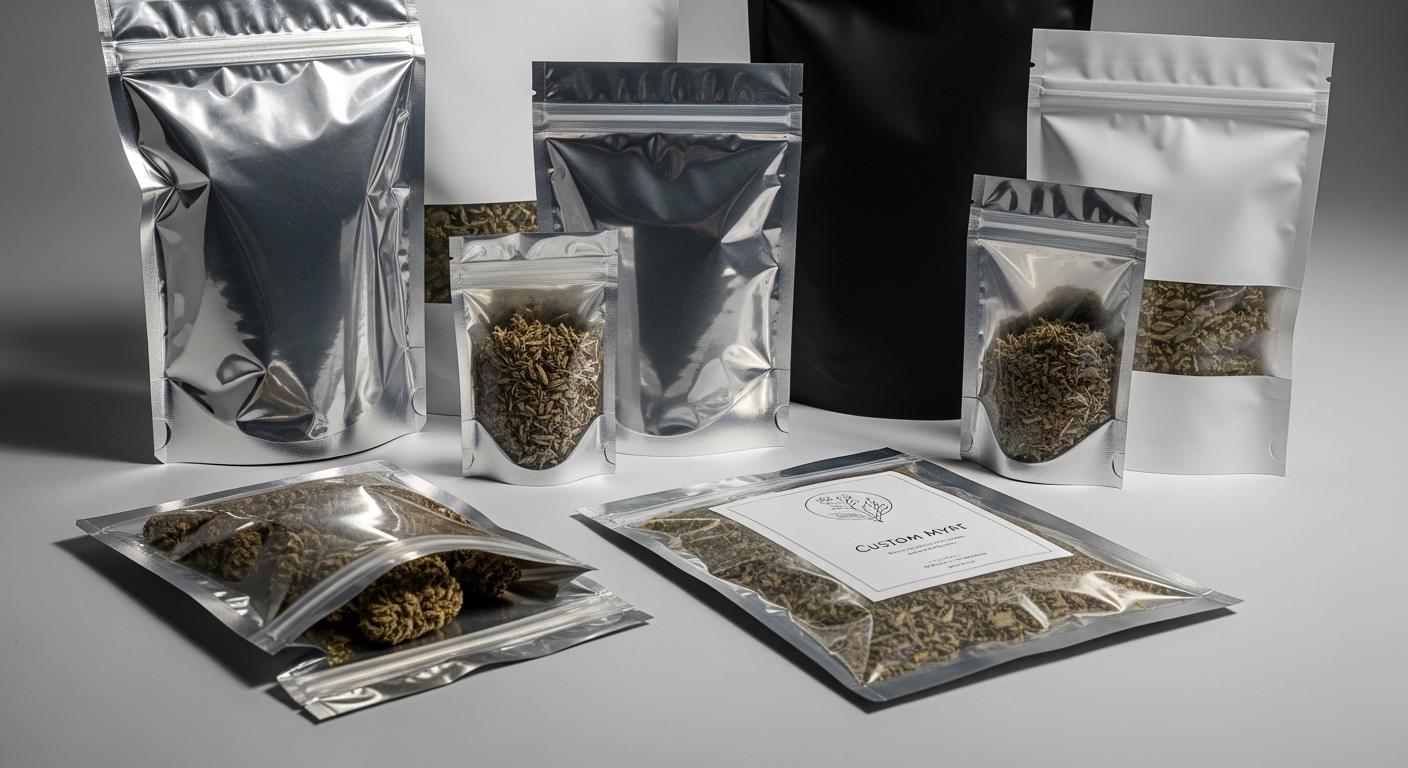
Space in retail is minimal and all the inches in a store must work. Stores desire items that show off, move easily, and attract the attention of a shopper within few seconds. A Hang Hole Pouch fulfills all three requirements since retailers can now hang products on pegs, clip strips, and display racks the retailer does not have to stack products on shelves. Analysts estimate the worldwide flexible packaging sector to be around 270 billion dollars and project that it will keep increasing 4-5 percent annually until 2030.
What Is a Hang Hole Pouch?
The top seal of a flexible bag is die-cut, typically round, oval, or sombrero-shaped, by packaging suppliers. The bag can be suspended by a display hook, and the opening slides. The majority of designs are placed over the zipper or tear notch, and thus the design does not open when a customer reseals or opens the bag.
The pouch body itself is available in various forms, such as stand up, flat, and gusseted. Films used by manufacturers to shield the contents include: PET, polyethylene, and metallized layers.
Retailers like Hanging Displays
Hanging displays convert the vertical wall space to selling space. One peg strip may contain a dozen or more small bags, thus opening shelf space to bigger products. It is widely proposed in retail studies that products in eye level sell 20 to 30 percent more as compared to products that are located in the bottom shelf.
Impulse purchases are a factor too. Customers usually buy about half of their snack and accessories without any planning and Hang Hole Pouches position such products directly at the checkout counter and on end displays.
Which Products Use Hang Hole Pouch Packaging?
This format is dominated by small and lightweight items. Candy, jerkies, trail mixes and seasoning blends pack well since the bags are not heavy in terms of weight. Hanging bags are also used in pet treats, craft beads, hardware fasteners, and fishing lures, as shoppers would prefer to view the contents of the bags prior to purchase.
Hang Hole Pouch is ideal with goods of less than 500 grams. When the top seal is strained by heavier fills, it may tear the opening, and larger brands tend to use a standard stand-up bag and reserve the hanging format to sample sizes or trial packs.
What Are Back Seal Pouches?
A back seal pouch derives its name due to vertical seam that is created in the middle of the back panel. A forming machine wraps a tube with film around it and seals the overlap before closing the top and bottom. These bags are packed by packers on vertical form-fill-seal lines, and run fast and use minimal film.
Since the seam will be located at the back, the front panel will remain graphics clean. There are also numerous styles that have side or bottom gussets, which allow the bag to stand erect and carry a greater consumer product.
Why Do Brands Order Custom Back Seal Pouches?
Custom Back Seal Pouches are often commissioned by brands that desire unique dimensions, barrier layers or print layouts rather than stock sizes. Custom runs enable a company to align the width of the bags to the volume of the fill, eliminating unnecessary film and air within the package. The minimum order used in converting is usually 5,000 to 10,000 units of printed custom work, thus smaller brands may begin with digital printing.
Which Shapes and Sizes Are the Best Workers?
Lightweight bags and standard peg hooks are suitable with round holes that have a diameter of approximately 6 to 8 millimeters. The sombrero-shaped cuts and the reinforced tab that is added to them evenly distributes the load over a larger region hence safeguarding the heavier bags against tearing. Euro slots are a rounded-rectangle slot that accommodates wide-blade hook and bulk display arms.
Position is as important as form. The clear film that designers typically leave between the heat seal edge and the hole is at least 5 to 8 millimeters. The margin maintains the cut without weakening the seal, avoiding leaks.
How Do Manufacturers Test Strength?
Before reaching a store, a bag is taken through a number of checks by quality teams. A hang test involves the use of weight on the hole and time taken by the bag is measured. Seal-strength testers stretch the top seam open and note the amount of force to tear it open. Drop tests simulate the harsh treatment that bags receive when being transported.
These results are recorded by reputable converters to each lot of production. Before the brands burn money on shelves, brands seeking the data can identify weak laminates.
Can Flexible Hanging Bags Be Recycled?
The majority of the packaging decisions are determined by the questions of sustainability. Multilayer laminates are made with various plastics and are seldom accepted in curbside programs. Less than 10 percent of the flexible plastic film is recovered by the recyclers across the globe.
Mono-material structures typically composed of polyethylene alone are easier to recycle since it is possible to collect a stream of resin at a time. Numerous grocery stores also have store drop-off bins of plastic film. The local rules should be checked by the brands, which should not print a recycling claim on the bag since accepted materials vary depending on the region.
Conclusion
The decision-making of packaging affects cost, display, and customer experience simultaneously. Small products enjoy a great retail presence due to hanging bags and production remains efficient due to form-fill-seal structures. Shoppers who know about opening styles, layers of film and strength tests can choose a format that keeps the product safe, places the product in the store display and keeps garbage minimal.

 English
 Arabic
 French
 Portuguese
 Deutsch
 Turkish
 Dutch
Dutch
 Italiano
 Russian
 Romaian
 Portuguese (Brazil)
 Greek
Greek