
Local Law 10/11 Contractor NYC for Aging Building Facades
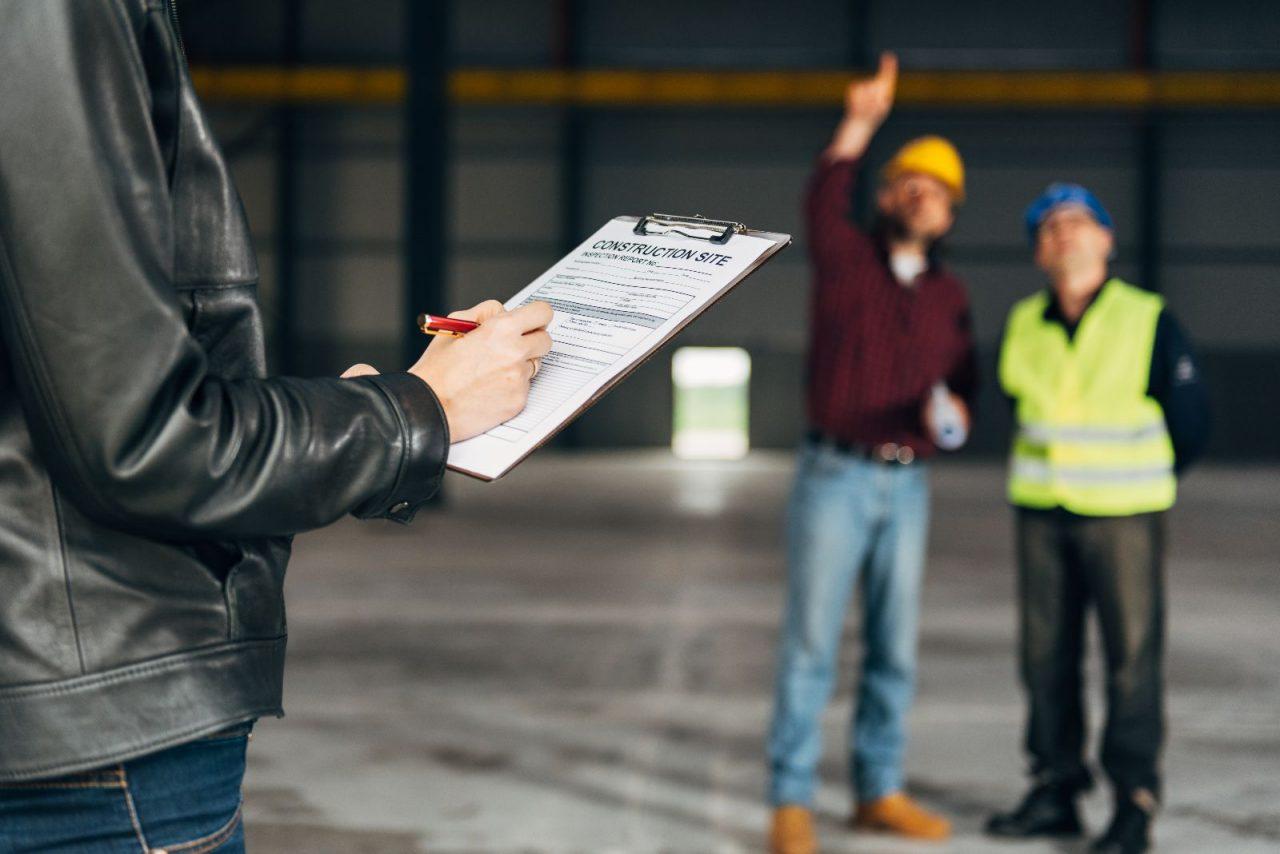
Aging building facades are a common concern throughout New York City. Years of exposure to rain, snow, wind, temperature changes, and pollution can weaken exterior walls and damage masonry. Cracked bricks, loose mortar, deteriorating parapets, and falling facade materials can create safety risks for residents, pedestrians, and nearby properties.
For building owners and property managers, maintaining an exterior facade involves more than improving the appearance of a property. It also means addressing structural concerns, planning necessary repairs, and understanding applicable New York City building regulations.
Hiring a Local Law 10/11 contractor in NYC can help property owners address facade deterioration and complete the repair work identified during an inspection. Sigma Builders INC understands the importance of maintaining building exteriors and planning restoration work with safety, durability, and long-term property maintenance in mind.
What Is Local Law 10/11 in NYC?
Local Law 10 and Local Law 11 are associated with New York City's facade safety requirements. Local Law 10 was introduced in 1980, while Local Law 11 of 1998 expanded the city's approach to exterior wall inspections. The current program is known as the Facade Inspection and Safety Program (FISP).
Under current NYC Department of Buildings requirements, buildings higher than six stories generally need their exterior walls and associated appurtenances inspected every five years. A Qualified Exterior Wall Inspector (QEWI), who must meet the city's professional licensing and qualification requirements, conducts the examination and files the required technical report.
The inspection helps identify conditions that could affect public safety, including deteriorating masonry, loose exterior materials, and damaged building components.
When repairs are recommended, building owners may need to hire qualified contractors to correct the identified problems. The specific work depends on the building's condition, the inspection findings, and applicable permit requirements.
Understanding these requirements helps property owners plan facade maintenance before deterioration becomes a more serious concern.
Why Aging Building Facades Need Professional Attention
Older buildings can develop exterior problems gradually. In many cases, damage begins in a small area and spreads when moisture enters the wall system or deteriorated materials remain untreated.
Professional facade repair can help address these issues before they lead to more extensive restoration work.
1. Cracked Bricks and Deteriorating Mortar
Brick facades rely on sound masonry and mortar joints to maintain their integrity. Over time, weather exposure, moisture, and movement can cause bricks to crack or mortar to deteriorate.
Damaged mortar joints may allow water to enter the wall, increasing the risk of further deterioration. A contractor can assess the repair requirements and carry out appropriate masonry work, such as removing deteriorated mortar and repointing joints. Severely damaged bricks may also need to be replaced.
2. Water Penetration and Exterior Wall Leaks
Water infiltration is a common concern in aging buildings. Cracked masonry, deteriorated sealants, damaged flashing, and gaps around windows can allow moisture to enter exterior walls. Persistent moisture may contribute to interior water stains, peeling paint, damaged finishes, and deterioration of building materials.
Facade restoration may involve repairing damaged joints, replacing failed sealants, correcting flashing problems, and addressing other identified sources of water penetration.
Finding the source of a leak is important because treating the visible stain without correcting the underlying problem may not prevent the damage from returning.
3. Loose Masonry and Falling Materials
Loose bricks, unstable stonework, and deteriorating exterior components can present serious hazards, particularly on buildings next to public sidewalks. These conditions require prompt professional attention. Depending on the circumstances, temporary protective measures may be necessary while permanent repairs are planned and completed.
A contractor should coordinate the repair approach with the appropriate building professionals and follow applicable safety requirements.
4. Damaged Parapets and Building Edges
Parapets are the portions of exterior walls that extend above the roofline. They are exposed to weather and may develop cracks, loose mortar, damaged coping, or unstable masonry. Because parapets are elevated above streets, courtyards, and neighboring properties, their condition deserves particular attention.
Repair work may include masonry restoration, replacement of deteriorated materials, and correction of water-entry points. The appropriate solution depends on the observed conditions and professional recommendations.
Services Provided by a Local Law 10/11 Contractor in NYC
A Local Law 10/11 contractor NYC may be hired to complete facade repairs and restoration work needed to address inspection findings. The exact scope depends on the property's condition, the work specified by the relevant professionals, and the contractor's qualifications.
Common types of facade-related construction work include the following.
Facade Inspection Repair Work
A contractor can help address deficiencies identified in a FISP report by carrying out the required construction repairs. This may involve masonry repairs, replacement of deteriorated materials, or correction of specific exterior wall conditions.
It is important to distinguish construction repair work from the formal facade inspection. The inspection and technical report must be completed by a properly qualified QEWI.
Brick Pointing and Masonry Restoration
Brick pointing involves removing deteriorated mortar from masonry joints and replacing it with suitable new mortar. When performed correctly, this work helps maintain the integrity of brickwork and reduce pathways for moisture penetration.
Masonry restoration may also include replacing damaged bricks, repairing stone surfaces, and restoring deteriorated sections of an exterior wall.
The repair materials and methods should be appropriate for the existing building construction.
Parapet and Coping Repairs
Parapet walls and coping materials protect the upper edges of buildings from weather exposure. Damaged coping, open joints, and deteriorated masonry can allow water to penetrate the wall.
Repairing these areas can help protect the building envelope and address conditions that may affect facade stability.
Exterior Wall Waterproofing
Waterproofing work may be necessary when an aging facade allows rainwater to enter the building. Depending on the cause, repairs can involve sealants, flashing, masonry joints, or other components of the exterior wall system.
A proper assessment helps determine which areas need attention rather than relying on a surface treatment that may not resolve the underlying issue.
Facade Restoration for Older Buildings
Some older buildings require more extensive restoration because deterioration affects multiple areas of the exterior.
Restoration projects may involve repairing masonry, replacing damaged exterior materials, correcting water infiltration, and coordinating work around windows, roof edges, and other facade components.
Buildings in historic districts may also require additional approvals before certain exterior changes or repairs can proceed.
How to Choose the Right Local Law 10/11 Contractor in NYC
Selecting a contractor for facade repairs is an important decision. Building owners should evaluate the contractor's experience, proposed work, safety practices, and understanding of NYC construction requirements.
Consider these factors before hiring a contractor.
Review Relevant Facade Repair Experience
Look for experience with the type of building and exterior materials involved in your project. Brick buildings, stone facades, concrete structures, and historic properties may require different repair methods.
Ask about similar projects and how the contractor approaches deteriorated masonry, water penetration, and other facade concerns.
Understand the Scope of Work
A clear proposal should explain which areas need repair, what work will be performed, which materials will be used, and how the project will be completed.
Where repairs are based on a FISP report, the construction scope should be coordinated with the findings and recommendations of the appropriate design professional.
Confirm Licensing, Insurance, and Safety Procedures
Before work begins, confirm that the contractor has the applicable licenses, permits, and insurance required for the project.
Facade construction can involve elevated work areas, scaffolding, suspended access equipment, and pedestrian protection. Contractors should explain the safety measures relevant to the work.
Ask About Permits and Required Approvals
Certain facade repairs may require NYC Department of Buildings permits. Projects involving landmarked properties may also require approval from the NYC Landmarks Preservation Commission.
Requirements depend on the property's location and the proposed work. Confirm the necessary approvals before scheduling construction.
Compare Detailed Estimates
Price matters, but the lowest estimate is not always the most suitable choice. Compare the scope of work, materials, safety provisions, project schedule, and any exclusions.
A detailed estimate makes it easier to understand what is included and reduces the likelihood of unexpected costs during construction.
What Happens When a Building Facade Is Classified as Unsafe?
A FISP report may classify a building's facade as Safe, Safe With a Repair and Maintenance Program (SWARMP), or Unsafe.
Each classification has different implications for maintenance and repairs.
-
Safe: The facade does not require repairs or maintenance to sustain its structural integrity during the applicable assessment period.
-
SWARMP: Defects have been identified that are expected to become a threat to public safety within the period specified under the program. Repairs must be completed within the applicable timeframe.
-
Unsafe: The observed conditions present a current threat to public safety and require prompt corrective action.
When a facade is classified as Unsafe, the property owner must follow the applicable Department of Buildings requirements for repairs and public protection. NYC DOB guidance generally requires unsafe conditions to be repaired within 90 days of filing the technical report, subject to the applicable rules and any authorized extension.
Once the unsafe conditions have been corrected, an amended report must be filed within the required timeframe. Owners should coordinate with their QEWI to confirm that the repairs and filing requirements have been satisfied.
Delaying necessary work can expose property owners to violations, penalties, additional deterioration, and potential safety concerns.
How Building Owners Can Maintain Aging Facades
Although some facade deterioration is unavoidable over time, a planned maintenance approach can help identify problems earlier and reduce the likelihood of extensive repairs.
Building owners and property managers can take several practical steps:
-
Review previous facade inspection reports and confirm whether recommended repairs have been completed.
-
Monitor visible cracks, deteriorating mortar, loose masonry, water stains, and damaged exterior components.
-
Arrange professional assessments when signs of deterioration appear.
-
Address water infiltration promptly to limit additional damage.
-
Maintain records of repair work, permits, inspections, and relevant approvals.
-
Track applicable FISP filing periods and repair deadlines.
-
Schedule qualified contractors to complete required construction work.
Visual checks and routine maintenance are useful, but they do not replace the formal facade examination required under FISP for applicable buildings.
Why Choose Sigma Builders INC for Facade Restoration in NYC?
Maintaining an aging building facade requires careful planning, suitable repair methods, and attention to construction safety. Property owners need a contractor who understands the importance of addressing exterior deterioration and coordinating work with the professionals responsible for inspection and compliance.
Sigma Builders INC can be considered for facade-related construction and restoration needs in New York City. When evaluating a project, property owners should discuss the condition of the exterior, the recommended scope of work, site access, safety measures, and any necessary permits.
Whether a property needs masonry repairs, brick pointing, parapet work, or broader exterior restoration, a well-defined repair plan helps establish clear expectations and supports more effective project management.
For work connected to Local Law 10/11, owners should also confirm how the proposed construction will be coordinated with their QEWI and whether additional documentation or an amended report will be required.
Frequently Asked Questions
1. What does a Local Law 10/11 contractor in NYC do?
A Local Law 10/11 contractor in NYC performs construction repairs and restoration work to address facade deterioration and conditions identified during inspections. Depending on the project, this may include masonry repairs, brick pointing, parapet restoration, and correction of water-entry points.
2. Which buildings must comply with Local Law 11 in NYC?
Under the current FISP requirements, buildings higher than six stories generally must undergo periodic exterior wall inspections. Property owners should confirm whether their specific building is subject to the program and identify its applicable filing requirements.
3. How often are Local Law 11 facade inspections required?
Applicable buildings generally require a facade inspection every five years. The Department of Buildings divides filing periods into sub-cycles, so the specific deadline depends on the building's circumstances and assigned filing schedule.
4. Can a general contractor perform the official Local Law 11 inspection?
The formal FISP critical examination and technical report must be completed and filed by a properly qualified QEWI. A construction contractor may perform the required repair work, but hiring a contractor does not replace the mandatory inspection by a qualified professional.
5. What facade problems may require repairs?
Common problems include cracked bricks, deteriorated mortar joints, loose masonry, damaged parapets, failing sealants, and water penetration. The appropriate repairs depend on the severity and cause of the damage.
6. What happens if an NYC building has an unsafe facade?
An Unsafe classification requires corrective action under applicable NYC Department of Buildings rules. The owner may need to arrange protective measures, complete repairs within the required timeframe, and coordinate the submission of an amended report after the unsafe conditions have been corrected.
7. How can I choose a facade restoration contractor in NYC?
Review the contractor's relevant experience, insurance, applicable licenses, safety procedures, proposed repair methods, and written estimate. Also confirm that the contractor can coordinate with the QEWI and other professionals involved in the project.
Conclusion
Aging building facades require regular attention to remain safe, weather-resistant, and well maintained. Cracked masonry, loose exterior materials, damaged parapets, and water penetration can become more serious when repairs are delayed.
Working with a qualified Local Law 10/11 contractor in NYC can help property owners address facade deficiencies and complete the construction work recommended by their inspection professionals. Understanding FISP requirements, tracking repair deadlines, and maintaining accurate project records are also important parts of responsible building management.
Sigma Builders INC can be considered for facade-related construction and restoration projects in New York City. Building owners and property managers should evaluate their property's needs, confirm the required approvals, and develop a repair plan suited to the building's condition.
Planning facade repairs for your NYC property? Contact Sigma Builders INC to discuss your construction and restoration requirements.

 English
 Arabic
 French
 Spanish
 Portuguese
 Turkish
 Dutch
Dutch
 Italiano
 Russian
 Romaian
 Portuguese (Brazil)
 Greek
Greek