
Which Tooth Filling Is Best? Comparing Different Filling Materials
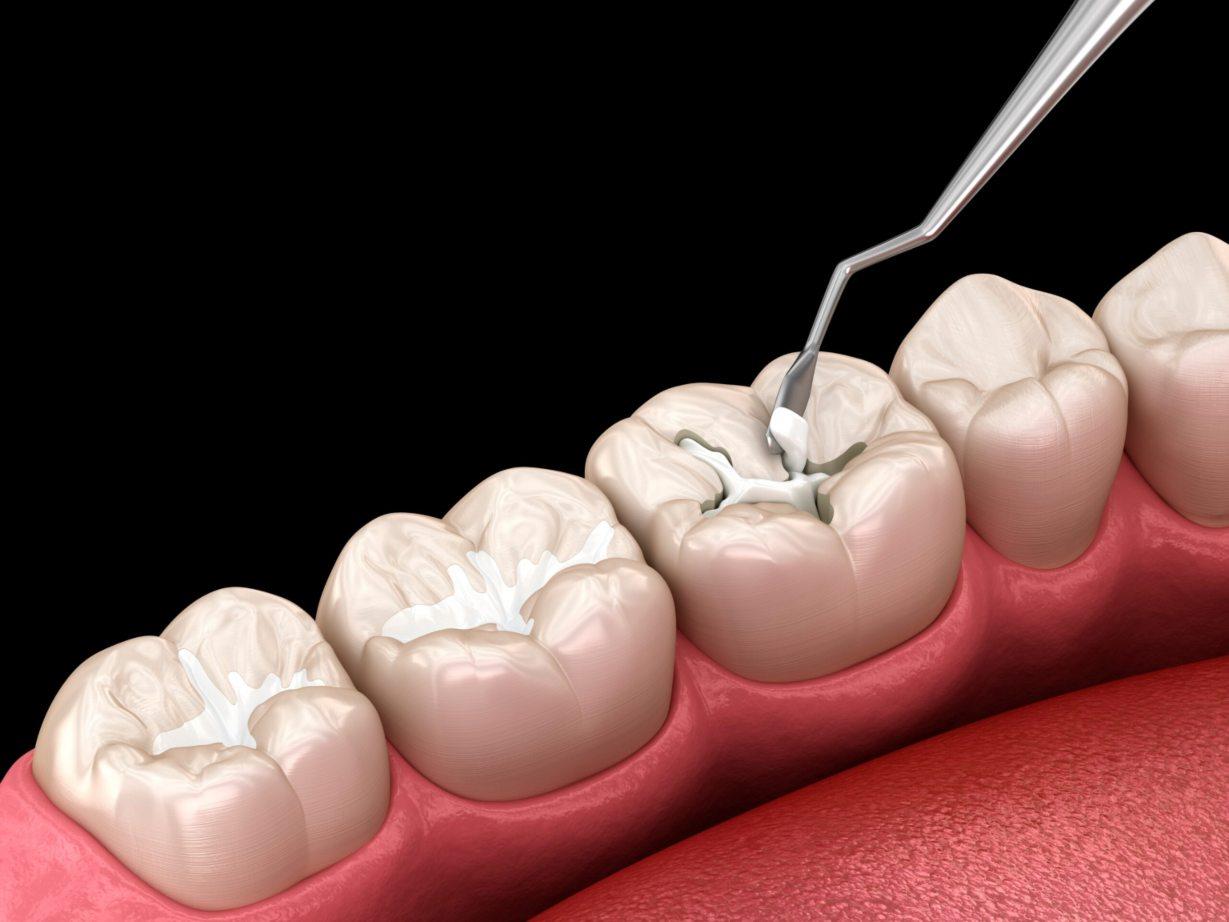
A cavity may start as a small problem, but leaving it untreated can lead to tooth pain, sensitivity, and more complicated dental issues. One of the most common ways to restore a tooth affected by decay is a tooth filling. However, choosing the right filling material is just as important as getting the treatment on time.
Today, dentists use several types of filling materials, including composite resin, amalgam, glass ionomer, and ceramic. Each option has its own advantages, limitations, durability, and cost. The best choice depends on the location of the affected tooth, the size of the cavity, your oral health, and your personal preferences.
At SmileOn Dental, patients can seek professional guidance to understand their treatment options and make informed decisions about their dental health. Whether you need a small cavity repaired or an old filling replaced, understanding the available materials can help you prepare for your next dental appointment.
What Is a Tooth Filling?
A tooth filling is a dental restoration used to repair a tooth damaged by decay, minor fractures, or certain types of wear. During treatment, the dentist removes the decayed portion of the tooth when necessary and fills the prepared area with a suitable material.
The main purpose of a tooth filling is to restore the tooth's shape, function, and strength while helping prevent further damage to the affected area. It can also reduce sensitivity caused by a cavity and make chewing more comfortable.
Fillings are commonly used for small to moderate cavities. However, when decay affects a large portion of the tooth, a crown or another type of restoration may be more appropriate.
A dentist examines the affected tooth before recommending treatment. The decision depends on how much healthy tooth structure remains and whether the damage has reached the inner part of the tooth.
Types of Tooth Filling Materials
Different filling materials are designed to meet different dental needs. Some are selected for their natural appearance, while others are valued for their durability or ability to release fluoride.
Understanding the differences can help you discuss the most suitable option with your dentist.
1. Composite Resin Fillings
Composite resin is a tooth-coloured material made from a mixture of resin and finely ground filler particles. It is widely used because it can closely match the natural colour of your teeth.
Benefits of composite fillings
-
Natural appearance: The material can be matched to the shade of the surrounding teeth.
-
Conservative treatment: Composite can often be bonded to the tooth with less removal of healthy tooth structure than some traditional restorative techniques.
-
Versatility: It can be used for many small and moderate cavities in front and back teeth.
-
Repair options: Certain damaged composite fillings can be repaired without replacing the entire restoration.
Composite fillings are particularly popular for visible teeth because they blend with the surrounding enamel.
However, composite material can wear down, stain, or chip over time. Its performance depends on the size and location of the filling, biting forces, and the quality of placement. The procedure may also take longer than placing some other filling materials.
Best suited for: Patients who want a natural-looking tooth filling, especially for visible areas of the mouth.
2. Amalgam Fillings
Dental amalgam is a silver-coloured filling material made from a combination of metals, including mercury, silver, tin, and copper. It has been used in dentistry for many years because of its strength and durability.
Amalgam fillings can withstand substantial chewing pressure, making them suitable for certain cavities in the back teeth.
Benefits of amalgam fillings
-
Durability: They can last many years when properly placed and maintained.
-
Strength: The material performs well in areas exposed to significant chewing forces.
-
Established use: Dentists have extensive experience using amalgam for suitable restorations.
The main disadvantage is its metallic appearance, which makes it more noticeable than tooth-coloured alternatives. Placing an amalgam filling may also require a different preparation technique than placing a bonded composite filling.
Amalgam contains mercury in a chemically bound dental alloy. Although major health authorities consider dental amalgam safe for most people, specific precautions and restrictions apply. Its use has also been reduced or phased down in many locations for environmental and regulatory reasons. Patients with concerns should discuss suitable alternatives with their dentist.
Best suited for: Selected back-tooth restorations where strength is a priority and amalgam is appropriate and permitted.
3. Glass Ionomer Fillings
Glass ionomer cement is a restorative material made from glass particles and an acid-based component. One of its key characteristics is its ability to release fluoride, which can help protect the surrounding tooth structure against decay.
Glass ionomer is sometimes used for cavities near the gumline, certain small restorations, and situations where fluoride release is beneficial.
Benefits of glass ionomer fillings
-
Fluoride release: It can release fluoride over time.
-
Chemical bonding: The material bonds chemically to tooth structure.
-
Useful in selected cases: It can be helpful for some patients with a higher risk of tooth decay.
-
Conservative preparation: It may be suitable when preserving healthy tooth structure is important.
However, conventional glass ionomer is generally less wear-resistant and less strong than composite resin or amalgam under heavy chewing pressure. Its appearance may also be less natural than that of a well-matched composite filling.
For these reasons, it is not always the first choice for large cavities in heavily loaded back teeth.
Best suited for: Selected small restorations, cavities near the gumline, and situations where fluoride release is an important consideration.
4. Ceramic or Porcelain Restorations
Ceramic restorations are known for their natural appearance and resistance to staining. They are often used for inlays and onlays, which are custom-made restorations designed to repair teeth with more extensive damage than a small filling can comfortably manage.
Unlike many direct fillings placed and shaped inside the mouth, ceramic inlays and onlays are usually fabricated outside the mouth and then bonded or cemented into place.
Benefits of ceramic restorations
-
Natural appearance: Ceramic can closely resemble the colour and translucency of natural teeth.
-
Stain resistance: It generally resists staining better than many resin-based materials.
-
Custom fit: Indirect restorations are made to fit the prepared area of the tooth.
-
Useful for larger defects: An inlay or onlay may restore a tooth when a direct filling would be too large or less suitable.
Ceramic restorations usually cost more than conventional fillings and may require multiple steps or appointments, depending on the technology and treatment plan. They can also chip or fracture under certain conditions.
Best suited for: Patients who need a more extensive restoration and want a durable, natural-looking alternative to a conventional filling.
Tooth Filling Materials Compared
The following comparison provides a general overview of the main options.
| Filling material | Appearance | Main advantage | Main limitation |
|---|---|---|---|
| Composite resin | Tooth-coloured | Natural appearance and bonding | May wear or chip |
| Amalgam | Silver-coloured | Strength and durability | Noticeable appearance |
| Glass ionomer | Tooth-coloured, often less translucent | Fluoride release | Lower wear resistance |
| Ceramic | Natural-looking | Stain resistance and aesthetics | Higher cost in many cases |
No single material is best for every patient. The right option depends on the condition of the tooth, the amount of pressure it receives during chewing, your budget, and your dentist's clinical assessment.
Which Tooth Filling Is Best for Front and Back Teeth?
The location of the cavity plays an important role in selecting a tooth filling material.
Best Filling for Front Teeth
Composite resin is often a preferred choice for front teeth because it can be matched to the natural tooth colour. This makes it suitable for restoring cavities in visible areas without leaving a noticeable metallic appearance.
The dentist selects the material based on the size of the cavity, the condition of the tooth, and the amount of biting pressure involved.
Best Filling for Back Teeth
Back teeth handle much of the pressure involved in chewing. For this reason, the filling material must be strong enough to withstand repeated forces.
Composite resin is commonly used for many back-tooth cavities, while amalgam may remain an option in appropriate cases. For larger areas of damage, a ceramic inlay, onlay, or crown may offer a more suitable restoration.
Your dentist will consider the size of the cavity and the amount of healthy tooth structure remaining before recommending a treatment.
How Long Does a Tooth Filling Last?
The lifespan of a tooth filling depends on the material, the size of the restoration, your oral hygiene habits, and your daily chewing forces.
Composite fillings can last many years, while amalgam restorations have also demonstrated long-term durability. Glass ionomer may have a shorter lifespan in areas exposed to heavy chewing, whereas ceramic restorations can remain functional for many years with proper care.
These are general patterns rather than guarantees. A small filling may last longer than a large restoration made from the same material.
You can help protect your fillings by following a few simple habits:
-
Brush twice daily with fluoride toothpaste.
-
Clean between your teeth every day.
-
Limit frequent sugary snacks and drinks.
-
Avoid chewing ice or biting hard objects.
-
Visit your dentist for regular checkups.
-
Seek advice if a filling feels loose, rough, or uncomfortable.
Regular dental examinations can help identify wear, cracks, or recurrent decay before they cause more extensive problems.
Does Getting a Tooth Filling Hurt?
Many patients feel nervous about dental treatment, particularly if they have experienced tooth pain before. The good news is that a tooth filling is a routine procedure, and local anaesthesia is commonly used when needed to keep patients comfortable.
During treatment, the dentist removes the decayed portion of the tooth, prepares the area, and places the selected filling material. Composite fillings are hardened with a special curing light, while other materials follow their own placement procedures.
Some sensitivity to hot, cold, or pressure may occur after treatment. This usually improves as the tooth settles, but persistent, worsening, or severe pain should be assessed by a dentist.
If you feel anxious about treatment, tell your dentist before the procedure. They can explain each step and discuss ways to make the appointment more comfortable.
When Should You Replace an Old Tooth Filling?
Fillings do not always need to be replaced simply because they are old. A dentist can assess whether an existing restoration remains functional or needs attention.
You may need an examination if you notice:
-
Pain when chewing.
-
New or increasing sensitivity.
-
A chipped, cracked, or loose filling.
-
Food repeatedly becoming trapped around the restoration.
-
Visible damage around the filling.
-
Signs of decay near the restored area.
Sometimes, a filling can be repaired rather than completely replaced. The best approach depends on the extent of the damage and the condition of the surrounding tooth.
Avoid trying to remove or repair a filling yourself. Professional evaluation helps prevent unnecessary damage to the tooth.
How Can a Family Dentist Help You Choose the Right Filling?
Choosing a filling involves more than comparing materials. A Family Dentist can assess your teeth, identify the extent of decay, and explain the benefits and limitations of suitable treatments.
A family dentist may also help you understand how your oral health habits, history of cavities, and risk of future decay affect your treatment choices.
For example, a patient with a small cavity in a front tooth may benefit from composite resin, while someone with a large cavity in a back tooth may require a different restoration. Patients with a high risk of decay may also benefit from a preventive care plan alongside restorative treatment.
At SmileOn Dental, patients can discuss their symptoms and treatment concerns with a dental professional. The goal is to understand the condition of the affected tooth and select an appropriate solution based on clinical needs rather than appearance or cost alone.
Why Choose SmileOn Dental for Tooth Filling Treatment?
Finding the right dental care provider can help you feel more confident about restoring a damaged tooth. At SmileOn Dental, patients can seek an assessment for cavities, damaged fillings, tooth sensitivity, and other common dental concerns.
A dental examination helps determine whether a filling is appropriate or whether the tooth needs a different treatment. Your dentist can explain the available materials, expected benefits, maintenance requirements, and estimated costs before treatment begins.
When discussing your options, ask about the expected lifespan of the recommended material, whether your filling will match your natural tooth colour, and how to care for the restoration afterward.
If you have tooth pain or suspect a cavity, arranging a dental examination promptly can help prevent the problem from becoming more complicated.
Conclusion
Choosing the best tooth filling depends on the location of the cavity, the extent of the damage, the appearance you prefer, and the amount of chewing pressure the tooth must withstand.
Composite resin is often selected for its natural appearance, amalgam is known for its durability in suitable cases, glass ionomer offers fluoride release, and ceramic restorations can be useful for larger defects requiring a custom-made solution.
There is no universal answer for every patient. A professional examination is the best way to determine which material will meet your needs and help protect your natural teeth.
If you are experiencing tooth sensitivity, pain while chewing, or signs of a cavity, contact SmileOn Dental to discuss your treatment options. With the right care and regular dental checkups, you can maintain your fillings and support long-term oral health.
Frequently Asked Questions
1. Which tooth filling material is the best?
Composite resin is a popular choice for its natural appearance, while amalgam is known for its strength and durability in suitable cases. Glass ionomer and ceramic restorations may be better for specific situations. Your dentist can recommend the most appropriate material after examining your tooth.
2. Which tooth filling looks the most natural?
Composite resin and ceramic restorations can closely match the colour of natural teeth. Composite is commonly used for direct fillings, while ceramic is often used for custom-made inlays and onlays.
3. How long does a tooth filling last?
A tooth filling can last several years or longer, depending on the material, cavity size, oral hygiene, and chewing forces. Regular dental checkups help identify wear or damage early.
4. Is a tooth filling better than a root canal?
A filling is generally suitable when decay can be treated without extensive damage to the tooth's pulp. Root canal treatment may be necessary when the pulp becomes irreversibly inflamed or infected. The treatments serve different purposes, and a dentist must assess the tooth before recommending one.
5. Can I eat after getting a tooth filling?
You can generally eat once any local anaesthetic has worn off and you can feel your mouth normally. Follow your dentist's instructions, especially if a temporary filling or a material with specific post-treatment requirements was used.
6. How much does a tooth filling cost in Pakistan?
The cost depends on the filling material, the size and location of the cavity, and the dental clinic. Composite, amalgam, and glass ionomer fillings may have different prices, while ceramic restorations generally cost more. Contact SmileOn Dental for current pricing based on your treatment needs.
7. Should I replace an old amalgam filling if it does not hurt?
Not necessarily. An intact amalgam filling that is functioning properly does not usually need to be removed solely because it contains mercury. Removal may sacrifice healthy tooth structure and should be based on a dental assessment, such as evidence of damage or recurrent decay. Discuss any concerns with your dentist.

 English
 Arabic
 French
 Spanish
 Portuguese
 Deutsch
 Turkish
 Dutch
Dutch
 Russian
 Romaian
 Portuguese (Brazil)
 Greek
Greek