
Ceramic Coating for Long-Lasting Car Paint Protection
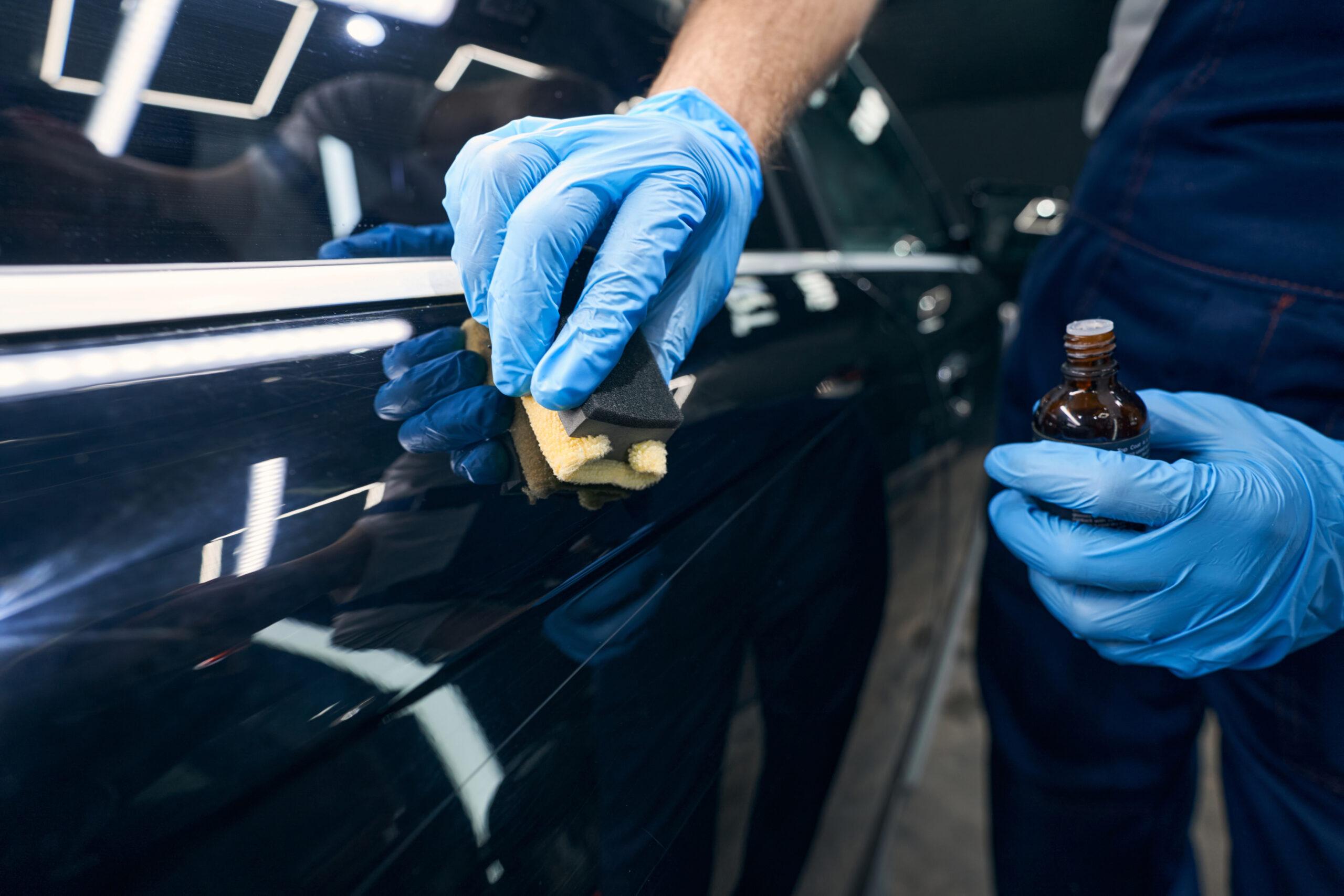
Ceramic Coating: A Complete Guide to Long-Lasting Vehicle Protection
Keeping a car looking new takes more than regular washing. Sun exposure, road grime, bird droppings, and harsh chemicals slowly dull paint and reduce its value.professional ceramic coating has become one of the most popular ways to fight this damage. This guide explains what ceramic coating is, how it works, what it costs, and how to decide whether it is right for your vehicle.
What Is Ceramic Coating?
Ceramic coating is a liquid polymer that is applied to the outside of a car and is often based on silicon dioxide (SiO2). Once it cures, it forms a thin, hard, transparent layer that bonds chemically with the factory paint. Unlike wax or sealant, which sit on top of the surface and wear away within weeks or months, a ceramic coating becomes a semi-permanent part of the finish.
How Does Ceramic Coating Work?
The coating fills microscopic pores and imperfections in the paint, creating a smooth, sealed surface. This surface is highly hydrophobic, meaning water beads up and rolls off rather than clinging. Because dirt, mud, and contaminants struggle to stick, the vehicle stays cleaner for longer and is much easier to wash. The hardened layer also acts as a barrier against ultraviolet rays, light chemical staining, and oxidation.
Key Benefits of Ceramic Coating
Long-Lasting Protection
A professionally applied coating can last two to five years, and some premium products last longer with proper care. Traditional wax typically needs reapplying every few months.
Enhanced Gloss and Depth
Many owners notice a deeper, richer shine after application. The coating amplifies the clarity of the paint and gives it a glass-like appearance.
Easier Cleaning
The slick surface releases dirt quickly, so washing takes less time and effort. Road film, insects, and tree sap are far less likely to adhere to the paint.
UV and Oxidation Resistance
Constant sunlight fades and dulls paint over time. A ceramic layer helps block harmful UV rays, which is especially valuable in hot, sunny climates.
Chemical Resistance
The coating provides a protective barrier against light road salts, acid rain, and bird droppings. These substances can etch paint if left untreated, and the coating gives you extra time to remove them safely.
Paint correction restores a vehicle’s finish by reducing swirl marks, light scratches, oxidation, and other visible paint imperfections.
What Ceramic Coating Cannot Do
It is important to keep expectations realistic. Ceramic coating is not a bulletproof shield. It does not make paint scratch-proof or prevent stone chips, and it will not hide existing damage. It offers some resistance to light swirl marks, but deeper scratches and impacts still harm the paint. For heavy impact protection, paint protection film (PPF) is a better option, and some owners combine both.
The Application Process
Step 1: Thorough Washing and Decontamination
The vehicle is washed, then treated with an iron remover and clay bar to remove embedded contaminants. Any dirt left on the surface will be sealed underneath the coating.
Step 2: Paint Correction
Polishing removes swirl marks, light scratches, and oxidation. This stage is the most important, since the coating will lock in whatever finish lies beneath it. Skipping correction often leads to disappointing results.
Step 3: Surface Preparation
The paint is wiped with an isopropyl alcohol solution or a dedicated prep spray to remove polishing oils so the coating can bond properly.
Step 4: Coating Application
The product is applied in small sections, leveled after a short flash time, and buffed to a smooth finish. Many professionals apply a second layer for added thickness.
Step 5: Curing
The coating needs time to harden. Most products require the car to stay dry and clean for 24 to 48 hours, with full curing taking up to several weeks.
Professional vs. DIY Ceramic Coating
Professional installers use controlled indoor environments, advanced lighting, and professional-grade products with longer warranties. Costs generally range from a few hundred to over a thousand dollars, depending on vehicle size and the level of paint correction needed.
DIY kits are cheaper and suitable for patient, detail-oriented owners. However, they usually offer a thinner layer and shorter durability, and mistakes such as high spots or uneven application can be difficult to fix once the product cures.
How to Maintain a Ceramic-Coated Vehicle
Maintenance is simple but still necessary. Wash the car every one to two weeks using a pH-neutral shampoo and the two-bucket method with a soft microfiber mitt. Avoid automatic car washes with abrasive brushes, and skip harsh degreasers that can degrade the coating. Use a ceramic-safe detail spray or booster every few months to refresh the water-beading effect. Annual inspections by a professional can help keep the coating performing at its best.
Is Ceramic Coating Worth the Investment?
For many owners, the answer is yes. If you plan to keep your vehicle for several years, park outdoors, or want to reduce the time spent on cleaning and polishing, the long-term value is clear. It can also help maintain resale appeal by keeping the paint in better condition. However, if you lease a car for a short term or do not mind regular waxing, the cost may be harder to justify.
Final Thoughts
Ceramic coating is a practical way to protect your paint, enhance its appearance, and simplify maintenance. Its performance depends heavily on quality products, proper surface preparation, and good aftercare. Choose an experienced installer, ask about warranty terms, and understand what the coating can and cannot do. With realistic expectations and regular upkeep, a ceramic coating can keep your vehicle looking sharp for years.
Discover practical automotive resources for improving vehicle appearance, surface care, paint protection, and long-term exterior maintenance.

 English
 Arabic
 French
 Spanish
 Portuguese
 Deutsch
 Dutch
Dutch
 Italiano
 Russian
 Romaian
 Portuguese (Brazil)
 Greek
Greek