
Building Clinical Expertise Through the Best Sports Rehabilitation Course in Dubai
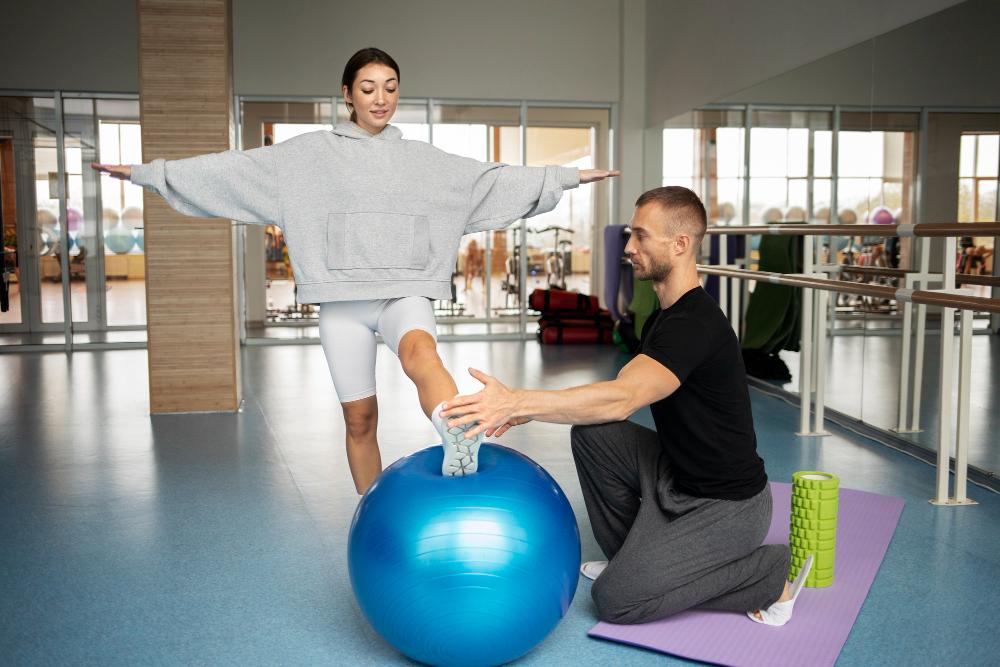
Sports rehabilitation has become an essential part of modern healthcare, particularly as more people participate in professional sports, fitness activities, recreational exercise, and physically demanding routines. Athletes and active individuals often experience injuries that require specialised assessment, structured treatment, and carefully planned recovery programmes. This has increased the demand for physiotherapists who understand sports-related injuries and can provide effective rehabilitation.
Choosing the Best sports rehabilitation course in Dubai can be an important step for physiotherapists who want to strengthen their clinical knowledge and develop specialised skills. Sports rehabilitation combines different areas of physiotherapy, including injury management, therapeutic exercises, movement analysis, functional training, and performance recovery.
Dubai has also developed into an important destination for professional healthcare education. Its growing sports and fitness environment creates opportunities for physiotherapists to understand the practical requirements of working with athletes and physically active individuals.
Understanding the Importance of Sports Rehabilitation
Sports rehabilitation is a specialised area of physiotherapy that focuses on helping individuals recover from injuries associated with physical activity and sports participation. Its primary objective is not simply to reduce pain but also to restore strength, flexibility, coordination, mobility, and functional performance.
Sports injuries can affect different parts of the body, including muscles, ligaments, tendons, joints, and bones. Common conditions include ankle sprains, hamstring strains, knee ligament injuries, shoulder problems, muscle tears, and overuse injuries.
A structured rehabilitation programme considers the nature of the injury, the individual's physical condition, and their recovery goals.
Physiotherapists working in this field must understand how injuries develop, how tissues respond to treatment, and how physical activities can be gradually reintroduced without increasing the risk of further damage.
Why Physiotherapists Should Consider Specialising in Sports Rehabilitation
Physiotherapy is a broad healthcare discipline, and specialisation allows professionals to develop deeper knowledge in particular clinical areas. Sports rehabilitation offers opportunities to work with individuals who have different physical requirements and recovery expectations.
Some important reasons to develop expertise in this field include:
1. Improved Understanding of Sports Injuries
Sports injuries can involve complex movement patterns and multiple anatomical structures. Specialised education helps physiotherapists understand injury mechanisms, contributing factors, and appropriate rehabilitation approaches.
2. Better Clinical Assessment Skills
Accurate assessment is the foundation of effective rehabilitation. Physiotherapists must evaluate joint mobility, muscle strength, flexibility, balance, coordination, and functional movement.
3. Development of Exercise Prescription Skills
Rehabilitation exercises must be selected according to the patient's condition and recovery stage. Understanding exercise progression helps professionals create structured programmes that address individual requirements.
4. Focus on Injury Prevention
Preventing recurring injuries is an important part of sports rehabilitation. Physiotherapists can use movement assessments, strengthening exercises, flexibility training, and neuromuscular conditioning to identify and address potential risk factors.
5. Greater Clinical Confidence
Practical training and specialised knowledge can help physiotherapists make informed clinical decisions and manage different rehabilitation requirements more confidently.
What to Expect from the Best Sports Rehabilitation Course in Dubai
When evaluating the Best sports rehabilitation course in Dubai, physiotherapists should consider the curriculum, practical exposure, teaching methods, and clinical relevance of the training.
A well-structured programme should cover essential theoretical concepts while providing opportunities to understand their practical applications.
The following areas are particularly important.
1. Sports Injury Assessment and Evaluation
Assessment plays a major role in identifying the nature and severity of sports injuries. Physiotherapists must understand how to collect patient histories, conduct physical examinations, and evaluate movement limitations.
Important assessment areas include:
-
Joint range of motion.
-
Muscle strength and endurance.
-
Ligament stability.
-
Functional movement patterns.
-
Balance and coordination.
-
Pain assessment.
-
Postural evaluation.
These techniques help professionals develop a clearer understanding of the patient's condition and identify suitable rehabilitation goals.
2. Functional Rehabilitation Techniques
Functional rehabilitation focuses on restoring movements required for everyday activities and sports participation.
Rather than concentrating only on individual muscles, physiotherapists assess how different body parts work together during physical activities.
Training may include squatting, lunging, jumping, landing, running, and directional movement exercises.
These activities help patients gradually regain the physical abilities required for their specific sports or daily routines.
3. Strength and Conditioning Principles
Strength and conditioning are important components of sports injury recovery. Injuries can reduce muscular strength, endurance, and overall physical capacity.
Physiotherapists should understand how to design progressive strengthening programmes based on the patient's recovery stage.
Training may involve resistance exercises, core strengthening, muscular endurance activities, and controlled loading techniques.
The objective is to restore physical capacity while avoiding excessive stress on healing tissues.
4. Manual Therapy and Soft Tissue Techniques
Manual therapy may be used alongside exercise-based rehabilitation to address mobility restrictions, discomfort, and soft tissue limitations.
Depending on the patient's condition, treatment approaches may include joint mobilisation, soft tissue mobilisation, and other appropriate hands-on techniques.
Physiotherapists should understand the indications, limitations, and clinical considerations associated with these interventions.
5. Return-to-Sport Rehabilitation
Returning to sports after an injury requires more than the disappearance of pain. Athletes must regain sufficient strength, stability, coordination, endurance, and confidence before resuming their previous activities.
A structured return-to-sport programme may include:
-
Progressive strength training.
-
Balance and stability exercises.
-
Agility drills.
-
Running progression.
-
Jumping and landing assessments.
-
Sport-specific movement training.
These activities help physiotherapists evaluate whether an individual is prepared to return to physical activity safely.
Essential Skills Developed Through Advanced Sports Rehabilitation Training
The Best sports rehabilitation course in Dubai should help physiotherapists strengthen a combination of clinical, analytical, and practical skills.
Sports rehabilitation requires professionals to understand how the human body responds to different types of physical stress.
Some essential competencies include:
Clinical reasoning: Understanding patient symptoms, assessment findings, and rehabilitation requirements to make appropriate treatment decisions.
Movement analysis: Observing movement patterns to identify limitations, compensatory movements, and potential injury-related concerns.
Exercise progression: Selecting suitable exercises and adjusting their intensity according to recovery progress.
Patient communication: Explaining rehabilitation goals, exercise instructions, and recovery expectations clearly.
Injury prevention planning: Identifying modifiable risk factors and developing suitable conditioning programmes.
Performance monitoring: Evaluating changes in strength, mobility, endurance, and functional ability throughout rehabilitation.
Developing these competencies can help physiotherapists approach sports injury management with a more structured and evidence-informed perspective.
How to Choose the Right Sports Rehabilitation Course
Selecting a suitable professional development programme requires careful consideration. Not every course provides the same level of practical exposure, curriculum depth, or clinical application.
Physiotherapists should evaluate several factors before making a decision.
1. Review the Course Curriculum
The curriculum should cover relevant sports injuries, rehabilitation principles, clinical assessment, exercise prescription, and return-to-sport strategies.
A programme with clearly defined learning objectives makes it easier to understand what participants can expect to learn.
2. Consider Practical Training Opportunities
Sports rehabilitation involves several techniques that require practical understanding.
Hands-on sessions, demonstrations, supervised exercises, and case-based learning can help participants connect theoretical knowledge with clinical practice.
3. Understand the Faculty's Clinical Experience
Experienced instructors can provide valuable insights into injury management, patient assessment, and rehabilitation planning.
Their clinical background may also help participants understand how different treatment approaches are applied in real-world situations.
4. Check the Learning Format
Physiotherapists should consider whether the programme offers an appropriate balance of theoretical instruction and practical training.
The learning format should suit their professional responsibilities and educational requirements.
5. Evaluate Certification and Recognition
Before enrolling, participants should understand the certification provided after completing the programme.
They should also check whether the course meets their professional development requirements and whether any relevant accreditation or continuing professional development recognition applies.
Sports Rehabilitation and the Growing Healthcare Environment in Dubai
Dubai has an active sports, fitness, and healthcare environment. From recreational fitness activities to professional sporting events, physical activity plays an important role in the city's lifestyle.
This creates a need for healthcare professionals who understand sports-related injuries and rehabilitation requirements.
Physiotherapists with specialised knowledge may work across different professional settings, depending on their qualifications, licensing, and experience.
These settings can include:
-
Sports medicine facilities.
-
Physiotherapy and rehabilitation centres.
-
Orthopaedic clinics.
-
Fitness and wellness facilities.
-
Professional sports environments.
-
Rehabilitation departments in hospitals.
The Best sports rehabilitation course in Dubai can provide relevant learning opportunities for professionals interested in developing their understanding of this expanding clinical speciality.
However, completing a course alone does not guarantee employment or professional licensing. Physiotherapists must also meet the applicable regulatory and qualification requirements for their intended workplace.
The Role of Evidence-Based Practice in Sports Rehabilitation
Evidence-based practice is an important part of modern physiotherapy. It involves combining available scientific research, clinical expertise, and individual patient requirements when making treatment decisions.
Sports rehabilitation approaches continue to develop as researchers gain a better understanding of injury mechanisms, tissue healing, exercise physiology, and functional recovery.
Physiotherapists should therefore develop the ability to evaluate research findings and understand how clinical recommendations apply to individual patients.
For example, rehabilitation following an anterior cruciate ligament injury may require progressive strengthening, neuromuscular training, balance exercises, and functional testing.
Similarly, an individual recovering from a hamstring strain may require a carefully planned programme involving progressive loading, flexibility management, and running progression.
The treatment approach should always depend on the patient's assessment findings, injury characteristics, and functional goals.
Career Opportunities After Sports Rehabilitation Training
Specialised sports rehabilitation knowledge can support physiotherapists who want to expand their professional capabilities.
Depending on their existing qualifications, experience, and applicable licensing requirements, professionals may explore different career pathways.
Sports Physiotherapist
Sports physiotherapists work with athletes and physically active individuals to assess injuries, manage rehabilitation, and support recovery.
Rehabilitation Specialist
Rehabilitation professionals develop structured treatment programmes to restore movement, strength, and functional independence.
Musculoskeletal Physiotherapist
This area focuses on conditions affecting muscles, joints, bones, tendons, and ligaments.
Sports Performance Support
Physiotherapists with relevant experience may contribute to injury prevention, movement assessments, conditioning, and physical performance programmes.
Clinical Educator
Experienced professionals may also develop an interest in teaching, mentoring, and sharing clinical knowledge with other healthcare practitioners.
Specialised education can strengthen professional development, but career progression also depends on practical experience, recognised qualifications, and continued learning.
Preparing for a Successful Learning Experience
Before enrolling in a sports rehabilitation programme, physiotherapists should identify their learning objectives.
Professionals who already work in musculoskeletal physiotherapy may want to improve their injury assessment and exercise prescription skills.
Those with an interest in sports medicine may prefer to focus on functional rehabilitation, return-to-sport testing, and injury prevention.
A few steps can help participants gain more from their training:
-
Revise basic anatomy and biomechanics.
-
Understand common sports injuries and their mechanisms.
-
Review fundamental physiotherapy assessment techniques.
-
Participate actively in practical sessions.
-
Practise clinical reasoning through case discussions.
-
Apply relevant learning to appropriate clinical situations.
-
Continue updating knowledge through professional education and research.
A clear learning approach can help physiotherapists connect new concepts with their existing clinical experience.
Conclusion
Sports rehabilitation is an evolving area of physiotherapy that requires a strong understanding of anatomy, biomechanics, injury assessment, therapeutic exercise, and functional recovery. As participation in sports and fitness activities continues to grow, the need for knowledgeable rehabilitation professionals remains important.
Choosing the Best sports rehabilitation course in Dubai can help physiotherapists develop specialised clinical knowledge, improve practical competencies, and understand the different stages of sports injury management.
Before selecting a programme, professionals should carefully evaluate its curriculum, practical training, faculty experience, certification, and clinical relevance.
Most importantly, sports rehabilitation education should encourage evidence-based decision-making, continuous professional development, and patient-focused treatment. Building these foundations can help physiotherapists contribute more effectively to injury recovery, injury prevention, and the safe return to physical activity.

 English
 Arabic
 French
 Spanish
 Portuguese
 Deutsch
 Turkish
 Italiano
 Russian
 Romaian
 Portuguese (Brazil)
 Greek