
Seamless Subfloor Protection: The Ultimate Guide to Rubber Matting Rolls
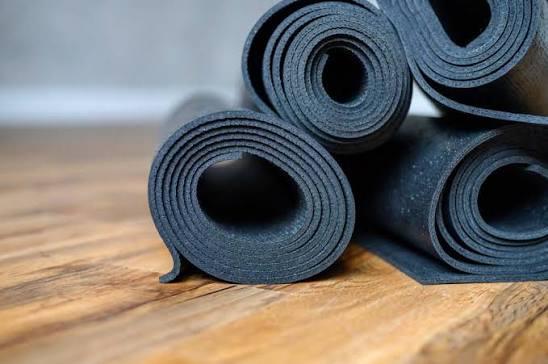
Covering expansive floor surfaces in commercial gyms, residential garages, warehouses, and retail walkways requires continuous protection without vulnerable seam lines. Modular tiles work well for compact spaces, yet large open rooms benefit significantly from continuous coverage that prevents moisture, dust, and spilled liquids from seeping down to concrete or timber subfloors. Unprotected industrial and domestic floors quickly suffer from oil staining, impact pitting, and cold temperature transfer.
Installing continuous rubber matting roll sheeting delivers seamless, wall-to-wall floor protection that absorbs mechanical vibration, insulates against cold concrete, and provides reliable non-slip footing across lengthy spans.
Surface Profiles and Structural Advantages of Continuous Sheeting
Rolled rubber sheeting is manufactured in continuous lengths, typically measuring between 1 meter and 1.5 meters wide, allowing installers to run long, uninterrupted strips down corridors, workshop bays, and studio floors. Because there are far fewer seams compared to small interlocking tiles, cleaning routines become faster, and rolling equipment—such as pallet trucks, tool chests, and gym sleds—moves smoothly without catching on tile joints.
Surface textures are engineered to suit distinct operational environments. Ribbed or fluted profiles channel rainwater and dirt away from foot traffic in commercial corridors, while penny-dot and checker-plate patterns create high-friction grip in garages and engineering workshops. Smooth or fine-flecked EPDM roll surfaces provide sleek, easy-to-sanitize finishes for yoga studios and cardio zones. Facility managers, workshop owners, and homeowners across the UK routinely source industrial-grade rolled sheeting from specialists like Rubber Fit Floors to safeguard large floor plans efficiently.
Technical Comparison: Rubber Matting Rolls vs Interlocking Tiles
Choosing between continuous rolls and modular tiles depends on room dimensions, subfloor condition, and installation permanency.
| Flooring Attribute | Continuous Rubber Matting Rolls | Modular Interlocking Rubber Tiles |
| Seam Density | Minimal (Long, uninterrupted runs) | High (Seams every 50cm to 100cm) |
| Liquid & Oil Resistance | Superior (Prevents seepage to subfloor) | Moderate (Liquids can seep through joints) |
| Coverage Speed | Fast across long, rectangular rooms | Fast in irregular, corner-heavy spaces |
| Surface Profile Variety | Fine ribbed, wide ribbed, checker, penny-dot | Smooth, textured, or drainage underside |
Key Industrial and Domestic Applications
Continuous rubber sheeting adapts effortlessly across a wide spectrum of environments:
-
Residential Garages & Workshops: Protects concrete slabs from oil drips, tire marks, and dropped hand tools while reducing cold drafts from beneath.
-
Commercial Fitness Studios: Covers cardio machine zones and functional turf tracks with sleek, low-maintenance, shock-absorbing sheeting.
-
Van Lining & Horseboxes: Lines commercial vehicle load beds and animal transport floors to prevent cargo shifting and provide safe animal footing.
-
Corridors & Industrial Walkways: Establishes defined, anti-slip pedestrian pathways across busy warehouses, factory floors, and public leisure centers.
Four-Step Roll Installation Guide
Laying rolled rubber flooring requires basic hand tools and careful alignment for a crisp, professional finish.
-
Subfloor Preparation & Acclimation: Sweep and vacuum the concrete or timber floor thoroughly, then unroll the rubber sheeting in the room for 24 hours so the material relaxes flat.
-
Dry-Fit Alignment: Position the unrolled strips side-by-side along the length of the room, ensuring edges butt tightly together without overlapping or gapping.
-
Adhesive Securing: For permanent high-traffic installations, apply double-sided flooring tape along perimeter seams or spread polyurethane floor adhesive across the subfloor.
-
Precision Edge Trimming: Slice excess material along walls and doorways using a sharp heavy-duty utility knife guided firmly against a metal straightedge.
Routine Care and Cleaning Practices
Maintaining rolled rubber flooring is straightforward due to its continuous, non-porous surface. Sweeping away loose dirt, sawdust, or grit with a soft broom prevents abrasive wear on textured patterns. For deeper cleaning, mopping the surface with warm water and a neutral pH cleaner lifts grease, mud, and shoe scuffs effectively without degrading the rubber polymers.
Frequently Asked Questions
What thickness of rubber matting roll should I choose for a home garage?
For standard garage parking, light workshop use, and foot traffic, a 3mm to 4.5mm rubber roll provides durable protection against oil spills and abrasion. For heavier gym equipment or industrial machinery, 6mm to 10mm thickness offers greater shock absorption.
Can rubber matting rolls be loose-laid without glue?
Yes. Heavy rubber rolls stay flat under their own weight in low-traffic domestic areas. In commercial spaces or areas with heavy rolling loads, securing perimeter edges with double-sided carpet tape prevents creeping.
How do I cut thick rubber matting rolls cleanly?
Use a heavy-duty utility knife with a fresh blade and a metal straightedge. Scoring the rubber in two or three steady passes rather than forcing a single deep cut produces clean, straight edges.
Are ribbed rubber matting rolls safe for wet entrances and walkways?
Yes. Fine-ribbed and wide-ribbed rubber profiles channel surface water away from shoe soles, increasing wet traction in entranceways, boat decks, and outdoor ramps.
How do I seal the seam between two adjacent rubber rolls?
Butting the factory-cut edges tightly together creates a near-invisible seam. Applying double-sided seam tape directly underneath the joint line keeps both edges locked flush against the subfloor.

 Arabic
 French
 Spanish
 Portuguese
 Deutsch
 Turkish
 Dutch
 Italiano
 Russian
 Romaian
 Portuguese (Brazil)
 Greek