
How to Choose a Rugged Laptop Backpack for Everyday Protection
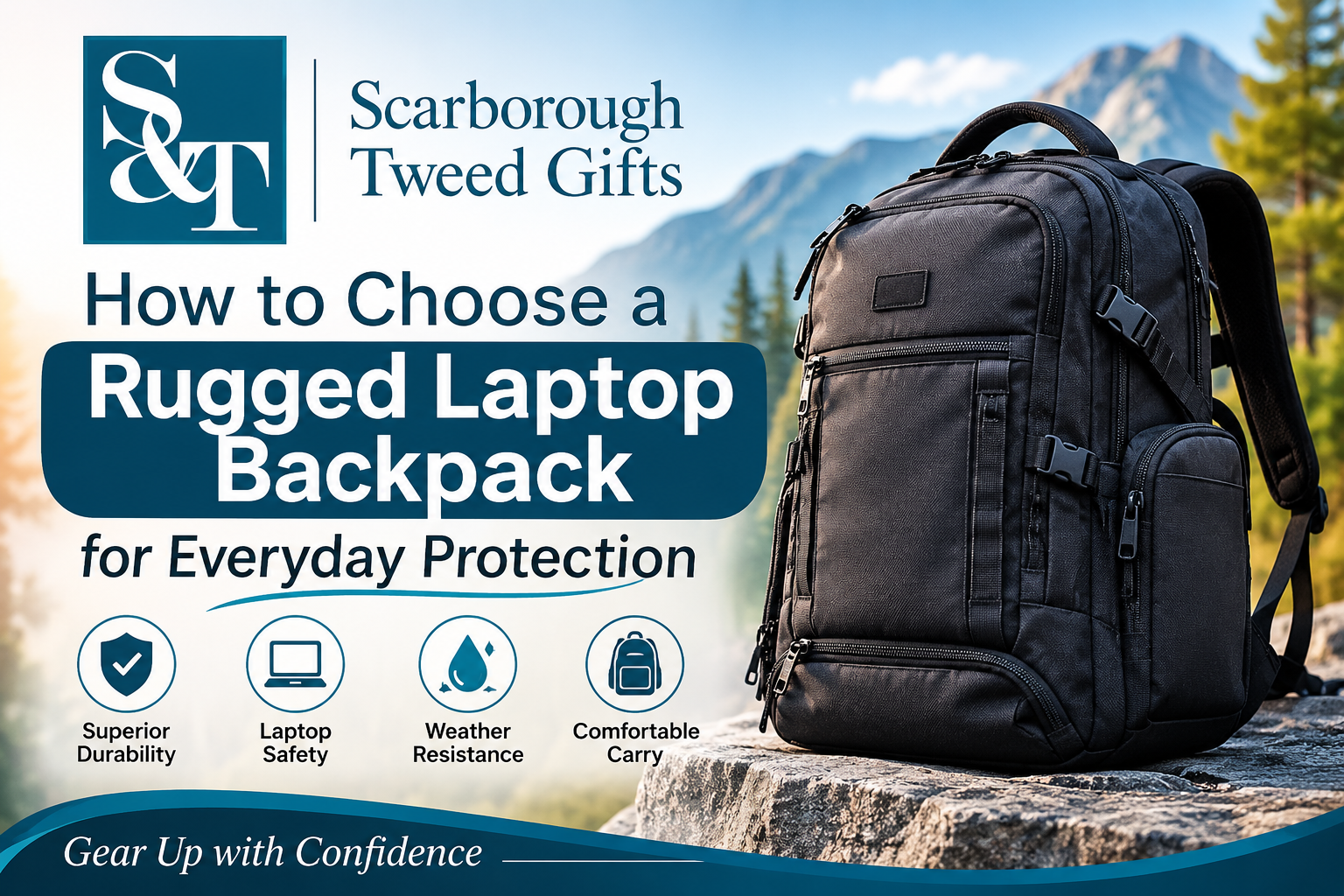
A laptop is often the most expensive thing a person carries to work, and the bag it travels in decides how long it lasts. A rugged laptop backpack protects that device from drops, rain, and the daily wear of commutes, flights, and job sites. The word rugged appears on many product pages, but the details behind it vary a great deal. This guide explains what to look for in fabric, padding, weather protection, comfort, and construction so you can compare options with confidence.
The Quick Answer
Choose a backpack with a dense woven fabric, a padded laptop compartment that does not touch the floor, and water resistant zippers or flaps. Check that the straps are wide and that the stitching is reinforced at the points where the straps meet the body. Then confirm that your laptop fits with a little room to spare.
Everything else is a matter of how you work. A commuter needs quick access and a slim shape. A traveler needs a pass through sleeve for luggage handles. A field technician needs durability and easy cleaning. The sections below explain how to judge each feature.
What Rugged Actually Means
Rugged is a marketing word and not a standard. A rugged bag should resist abrasion, hold up under weight, shed water, and protect what is inside from impact. These traits depend on specific features such as fabric weight, coating, stitching, and padding. A bag can look tough and still fail at the seams.
Because the word has no fixed meaning, judge the bag by its parts. Ask for the fabric type and weight, the thread used, the zipper brand, and the padding thickness. A maker who can answer these questions clearly usually builds with care.
Fabric and Materials
The outer fabric is the first line of defense. It decides how the bag handles scrapes, spills, and sun.
Nylon and Polyester
Nylon and polyester are light, strong, and quick to dry. Their strength is often listed in denier, which describes the thickness of the yarn. Higher numbers generally mean a thicker and more abrasion resistant cloth. Fabrics in the range of 500 to 1000 denier are common for durable bags. Ballistic nylon is a heavier weave known for toughness. A matte finish looks more refined than a glossy one.
Waxed and Heavy Canvas
Cotton canvas is strong and takes on a pleasing character with age. A heavier weight holds its shape and resists wear. Waxed canvas adds water resistance but needs occasional care and can feel stiffer. Canvas suits people who want a classic look and a bag that improves with use.
Coatings and Laminates
Many bags use a polyurethane coating on the inside of the fabric to resist water. Some use a laminated film that adds stiffness and weather protection. Coatings can wear down over time, so check whether the maker offers a warranty or guidance on lifespan.
Protecting the Laptop
Fabric protects the bag. Padding and structure protect the device. This is where many backpacks fall short.
Padded Compartment
The laptop compartment should be thick enough to absorb a bump. Look for dense foam on the back and the front of the sleeve. A thin lining that only prevents scratches will not help when the bag falls from a desk.
A Raised or Suspended Base
A good design keeps the laptop from touching the bottom of the bag. A raised sleeve or a suspended pocket leaves a gap so the device does not take the full force when the bag lands on a hard floor. Test this by placing a laptop inside and looking at how much space sits below it.
Corner and Edge Protection
Corners take the hardest hits. Extra foam or a molded corner adds protection where it matters. A firm back panel also prevents the laptop from bending when the bag is overstuffed.
Fit for Your Device
Check the stated laptop size and compare it to your own. Most backpacks list a maximum screen size such as 13, 15, or 16 inches, but the body of the laptop varies by model. Measure the width, height, and thickness of the device and compare them to the interior dimensions. A snug fit prevents movement without squeezing the device.
Weather Protection
Water is the quiet enemy of electronics. A good rugged bag manages rain, splashes, and condensation.
Water resistant is not the same as waterproof. A resistant bag handles light rain and brief exposure. A waterproof bag uses sealed seams and a roll top or a waterproof zipper. Most office and travel backpacks fall into the first group. Choose according to how often you carry the bag in heavy weather.
Zippers deserve attention. Coated zippers or storm flaps keep water out at the opening. Seam taping on the inside prevents leaks through the stitching. A removable rain cover is a useful extra for outdoor commuters. Always keep a laptop in a protective sleeve when the weather is unpredictable.
Straps, Back Panel, and Fit
Comfort determines how often a bag is used. A laptop and its charger can add up to a heavy load, so the carrying system matters.
Shoulder straps should be wide and padded with enough give to spread weight across the shoulders. A sternum strap helps stabilize the load. A waist belt helps on long walks or with heavier loads. The back panel should have padding and airflow channels so the bag does not trap heat.
Torso length affects how the bag sits. A pack that is too long hangs below the hips and swings. A pack that is too short puts weight on the shoulders. Adjustable straps help but the shape of the body of the bag matters too. Fit is as personal for a bag as it is for clothing. Sizing charts differ across makers, in the same way that a tweed shirt women's cut has a different pattern and different measurements than a men's version.
Size and Capacity
Capacity is measured in liters. A small commuter bag may hold around 15 to 20 liters. A mid size bag in the 20 to 30 liter range suits daily work with a laptop, a lunch, and a jacket. Larger bags suit travel but can feel bulky in an office.
Do not choose the largest size by default. A big bag invites overpacking and adds weight. Choose the size that fits your usual load with a little extra room. If you carry the bag on flights, check airline size limits for personal items and carry on bags.
Organization and Pockets
Good organization keeps the bag balanced and protects the device from loose items. A front pocket suits keys and a phone. A top pocket suits quick access items such as sunglasses. Side pockets suit a water bottle. A padded tablet sleeve suits notes or reading.
Small items easily get lost at the bottom of a bag. A canvas ditty bag is a simple way to group chargers, cables, and cards in one place. The pouch can move between a backpack, a briefcase, and a suitcase without being unpacked. It also protects the laptop compartment from sharp edges.
Avoid too many pockets. Each pocket adds weight and slows packing. Test the layout with your actual items and make sure each one has a clear place without forcing.
Security Features
Security matters in busy places. Lockable zippers allow you to attach a small lock. Hidden pockets on the back panel keep a passport or wallet out of reach. Slash resistant fabric adds protection against cuts but also adds weight. A strap that sits against the back prevents the bag from being opened from behind in a crowd.
Consider what you need. A commuter on a quiet route may not need extra security. A frequent traveler in busy stations may value a hidden pocket and lockable zippers. Choose features that match real risks and not just a long feature list.
Hardware and Zippers
Hardware gets touched every time you use a rugged laptop backpack, so quality shows quickly. A smooth zipper makes the bag feel dependable. Larger teeth handle heavy loads better and are less likely to split. Pull tabs should be easy to grip with gloves. The tape that holds the teeth should be stitched firmly to the fabric.
Buckles and clips should feel solid and click firmly. Plastic hardware should be thick and have no visible stress marks. Metal hardware should have an even finish. Adjusters should hold their position under weight. Ask which zipper brand is used and whether it has been tested for repeated use.
Construction and Stitching
Strong fabric can be undone by weak assembly. Check the stitching closely. Stitches should be even and tight with no loose threads. Seams that carry weight should be double stitched or bound so the raw edges cannot fray. The base, the strap anchors, and the top handle take the most stress. Look for box stitching or bar tacks at these points.
Check the lining as well. A smooth lining protects the electronics and makes items easier to find. Look inside the bag for clean finishes and no exposed foam. These details show whether the maker cared about the whole product and not only the outside.
Testing a Sample
A few minutes with a sample reveals problems that photos cannot. Place your laptop inside and pack the items you carry daily. Lift the bag and walk around. Check the weight distribution and the way the straps feel. Open and close every zipper several times. Set the bag on different surfaces and press on the laptop compartment to see how much protection it gives.
If you are choosing a bag for a group, ask several people to test the same sample and share honest feedback. Small changes such as a wider opening or a longer strap are simple to request before production and expensive afterward.
Choosing by Type of User
Different routines call for different priorities.
Daily Commuters
Commuters value a slim profile, quick access, and light weight. A water resistant fabric and a padded laptop sleeve cover most needs.
Frequent Travelers
Travelers need a pass through sleeve that fits over a suitcase handle and a bag that fits under an airplane seat. Organization matters too, because cables and travel documents need to be easy to find at security checkpoints.
Field Technicians and Site Teams
Teams who work on site need heavy fabric, a reinforced base, and easy cleaning. Dirt, dust, and spills are routine. A bag with a wipe clean lining and strong hardware lasts longer in these conditions.
Students and Early Career Staff
Younger users often carry a laptop, books, and a water bottle. A comfortable back panel, a padded tablet sleeve, and a clean design that works on campus and in the office make a good match.
Backpacks as Corporate Gifts
A backpack is a gift people use often and carry in public, which makes it one of the stronger options for onboarding and recognition programs. When the bag is built well and branded with restraint, it can serve as a premium corporate gift that stays in use for years. Quality is what separates a bag that is carried from a bag that is stored.
Branding should be discreet. A small embroidered logo, a leather patch, or a woven label looks refined. Avoid large prints that make the bag look like a giveaway. Ask for a sample on the exact fabric and approve a proof before production.
Plan around real needs. A new hire who commutes by train may want a slim bag. A field team may need something heavier. If the audience is mixed, offer two styles or let recipients choose through an online store.
Budget and Value
A well built backpack costs more than a basic bag but far less than a damaged laptop. Count every cost when you set the budget. Include the bag, the decoration, the packaging, the storage, and the shipping. Ask about setup fees and price breaks at higher quantities.
Compare quotes on identical specifications. A very low price can signal thin foam or weak stitching. A higher price may reflect better materials and finishing. Think about cost per use as well. A bag carried every day for several years delivers more value than a cheaper bag that fails in a season.
Care and Maintenance
Care keeps a rugged bag looking and working well. Empty the bag regularly and shake out dust and crumbs. Spot clean with a damp cloth and mild soap. Avoid machine washing unless the label allows it because it can damage coatings and foam. Packing small items in a canvas ditty bag keeps spills and crumbs out of the main compartment and makes cleaning simpler.
Air dry the bag away from direct heat. Treat waxed canvas with a suitable wax when it starts to look dry. Check the stitching and zippers every few months and repair small problems before they spread. Store the bag in a dry place and avoid leaving it in a hot car.
Common Mistakes to Avoid
The first mistake is buying on appearance alone. A bag can look tough and still have thin padding. The second is ignoring the laptop dimensions. A bag that is too large lets the device slide around. The third is assuming water resistant means waterproof. The fourth is choosing too much capacity, which leads to overpacking and heavy loads. The fifth is skipping a test with the items you actually carry.
Questions to Ask Before You Buy
Ask what fabric is used and what weight or denier it has. Ask how thick the laptop padding is and whether the base is raised. Ask which zipper brand is used and whether the seams are taped. Ask for exact dimensions, empty weight, and the maximum laptop size. Ask which decoration methods are available and request a sample. If apparel such as a tweed shirt women's style will join the same gift kit, ask for size charts for each cut. Request written answers so you can compare options on equal terms.
Working With a Gifting Supplier
A gifting supplier can plan the whole program and not only the product. Scarborough & Tweed introduced the original banker bag in 1992 and offers custom bags, kitting and bundles, company stores, and storage and fulfillment. Its customization options include embroidered or screen printed logos, leather handles, and custom color details.
Bring your audience, budget, gift date, and goals when you start the conversation. Ask to see samples and confirm which bag styles the team can source for your program. These steps settle most planning questions faster than a brochure.
Final Thoughts
A rugged laptop backpack earns its place by protecting the device, handling the weather, and staying comfortable through a full day. Look beyond the label and judge the fabric, padding, hardware, and stitching. Test a sample with the items you actually carry.
The best choice is the one that fits your routine and lasts through years of use. When you take the time to compare the details, you end up with a bag you trust and a laptop that stays safe wherever it goes.
Frequently Asked Questions
Q: What makes a laptop backpack rugged?
A: A rugged bag combines tough fabric, reinforced stitching, quality zippers, and padded protection for the laptop. A raised base and water resistant materials add protection. Judge the parts and not just the label.
Q: What denier is best for a durable backpack?
A: Fabrics from about 500 to 1000 denier are common for durable bags. Higher numbers generally mean thicker and more abrasion resistant cloth. Weave type and coating also matter, so review the full specification.
Q: Is water resistant the same as waterproof?
A: No. Water resistant fabric handles light rain and short exposure. Waterproof bags use sealed seams and roll top or waterproof zippers. Choose based on how often you carry the bag in heavy weather.
Q: How do I know if a laptop will fit?
A: Measure the width, height, and thickness of the laptop and compare them with the interior dimensions of the compartment. A snug fit with a little room to spare prevents movement without squeezing the device.
Q: Can a backpack work as a corporate gift?
A: Yes when quality and sizing are handled well. Choose durable materials and discreet branding. Offer two styles when the audience is mixed and test a sample before ordering in volume.

 English
 Arabic
 French
 Spanish
 Portuguese
 Deutsch
 Turkish
 Dutch
 Italiano
 Russian
 Portuguese (Brazil)
 Greek