
Understanding PVC Conduit for Safe and Organized Electrical Wiring
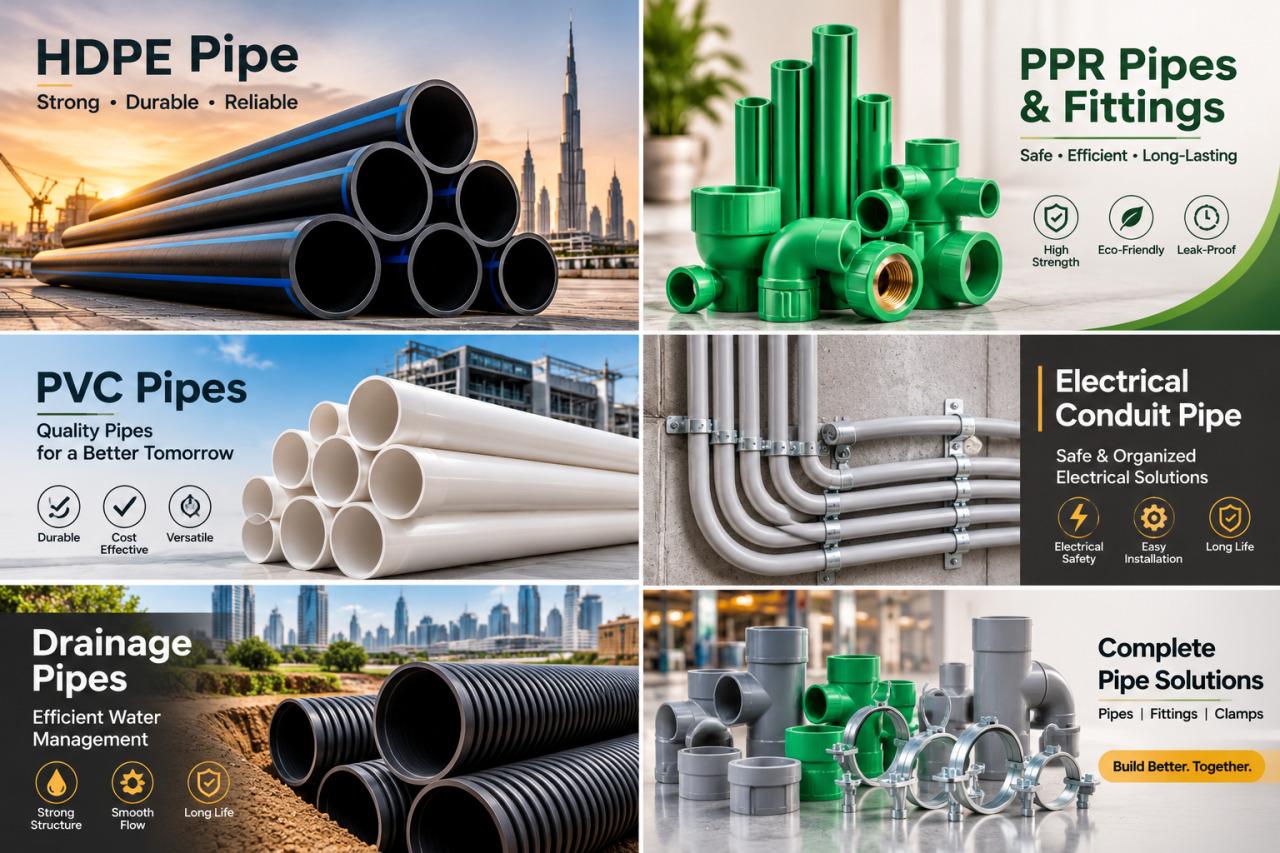
Modern electrical installations require more than simply connecting wires to switches, sockets, and appliances. Proper protection and organization of wiring are equally important for long-term safety and reliability. pvc conduit is widely used as a protective pathway for electrical cables, helping keep wiring organized while reducing exposure to dust, moisture, abrasion, and accidental physical damage. It can be used across residential, commercial, and selected industrial applications when the product and installation method are suitable for the environment.
A well-designed electrical installation should consider cable protection from the planning stage. Choosing suitable raceways, fittings, junction boxes, and support systems can make installation easier and can also simplify future inspection and maintenance.
What Is PVC Conduit?
PVC conduit is a protective tube manufactured from polyvinyl chloride and designed to provide a pathway for electrical wiring. Instead of leaving cables directly exposed within a building structure, the wiring can be routed through the conduit system.
These systems are available in different sizes and configurations to accommodate various wiring requirements. Accessories such as bends, couplers, junction boxes, connectors, and adaptors can be used to create complete cable routes.
The exact type of conduit required depends on factors such as installation location, cable size, mechanical exposure, temperature, moisture, and applicable electrical standards.
Why PVC Conduit Is Commonly Used
One of the main reasons plastic conduit is popular is its combination of practical installation characteristics and resistance to corrosion. Unlike conventional metallic materials, PVC does not rust, making it useful in environments where exposure to moisture could be a concern.
Other potential advantages include:
-
Lightweight construction
-
Easy handling during installation
-
Resistance to corrosion
-
Smooth internal surfaces
-
Simple cutting and joining
-
Organized cable routing
-
Low maintenance requirements
-
Availability in multiple sizes
However, these advantages do not mean that every plastic conduit is suitable for every application. The product should always match the environmental and electrical requirements of the project.
Protection of Electrical Cables
Electrical cables can be affected by mechanical impact, construction activity, moisture, dust, chemicals, and other environmental conditions. A suitable conduit provides an additional protective barrier around the wiring.
For concealed installations, it can help separate cables from surrounding construction materials. For exposed installations, the selected system may provide protection against physical contact or other expected hazards.
The level of protection required depends on the installation. A conduit system used inside a protected wall may have different requirements from one installed in a workshop, service area, or outdoor location.
Applications in Residential Buildings
PVC-based electrical raceways can be useful in homes for lighting circuits, socket outlets, appliance connections, and other wiring routes.
During construction, conduit can be installed through walls, ceilings, floors, and other suitable areas before cables are pulled through. This approach helps create organized pathways and can make certain future wiring changes easier.
For renovation projects, planning is particularly important. Existing walls and ceilings may contain water pipes, structural elements, communication cables, and other services. Proper route planning can reduce the risk of interference between different building systems.
Commercial Applications
Offices, retail spaces, schools, clinics, hospitality properties, and other commercial buildings can contain considerably more electrical circuits than a typical home.
A properly planned conduit system can help organize wiring between distribution boards, lighting fixtures, power outlets, equipment, and other electrical points.
Commercial projects should also consider accessibility. Where maintenance or future modifications are expected, suitable junction and access points can make inspection work more convenient.
Choosing the Correct Size
Conduit size is an important part of electrical planning. It should provide sufficient space for the cables being installed without creating unnecessary crowding.
Overfilling a raceway can make cable pulling more difficult and may complicate future maintenance. On the other hand, selecting an unnecessarily large size can increase material and installation costs.
The number and size of conductors, route length, bends, installation method, and applicable regulations should therefore be considered before selecting dimensions.
A professional electrical contractor can determine the appropriate size based on the project's wiring design and applicable requirements.
Importance of Quality Fittings
A conduit installation is only as reliable as its complete system. Using a good tube with poor-quality fittings can create weaknesses at joints and connection points.
Common accessories include:
-
Couplers
-
Elbows and bends
-
Adaptors
-
Junction boxes
-
Inspection boxes
-
Connectors
-
Saddles and supports
-
Terminal accessories
Fittings should be compatible with the conduit dimensions and intended application. Proper connections can help maintain continuity throughout the cable route.
Installation Practices
Correct installation is essential for achieving the intended protection.
Before installation begins, the electrical route should be planned carefully. Excessive bends should be avoided where possible because complicated routes can make cable pulling and future replacement more difficult.
Conduit should be adequately supported, and exposed sections should be installed neatly. Sharp edges and poorly finished joints should be avoided because they can potentially damage cable insulation.
Where junction or inspection points are required, they should remain accessible for future maintenance.
For projects in Dubai, electrical installations must follow applicable requirements and approvals. DEWA's electrical installation regulations include provisions concerning conduit and trunking installation, routing, draw-in boxes, and related wiring practices.
Concealed and Exposed Installations
The installation environment plays an important role in determining the appropriate product.
Concealed Installation
Concealed systems are commonly installed inside walls, ceilings, or other protected construction spaces. Before closing walls or ceilings, installers should confirm that routes are complete and accessible where necessary.
Exposed Installation
Exposed systems can be used in locations where wiring needs to remain visible or accessible. In these situations, neat routing and suitable mechanical support become especially important.
The conduit should be selected according to the environmental conditions and expected physical exposure.
Moisture and Environmental Conditions
Moisture can create problems for electrical installations if protective components are not properly selected or installed.
For areas exposed to water or humidity, installers should consider suitable conduit materials, fittings, seals, boxes, and installation techniques. Outdoor installations may require additional protection against weather conditions.
The fact that a product is made from plastic does not automatically make an installation waterproof. Protection depends on the complete system and the way it is installed.
Maintenance Benefits
One of the practical benefits of an organized wiring system is easier maintenance.
If cables are properly routed and circuits are clearly organized, technicians can more easily identify relevant pathways during inspections or repairs. Damaged fittings, loose supports, cracked sections, or improperly modified routes can also be identified during routine checks.
For commercial and industrial buildings, organized cable management can become particularly valuable as electrical systems expand over time.
How to Choose a Reliable Supplier
When purchasing conduit products, buyers should consider more than the initial price. Product quality, dimensional accuracy, material characteristics, available fittings, technical information, and compliance with project specifications are all important.
A dependable supplier should be able to provide clear product information and help customers select suitable sizes and accessories.
For large construction projects, procurement should ideally be coordinated with the electrical consultant or contractor. This helps ensure that the selected products are compatible with the project's drawings and installation requirements.
Cost and Long-Term Value
PVC-based conduit systems can offer practical value because of their lightweight nature and relatively simple handling. However, the cheapest option is not necessarily the most economical choice.
Poor-quality materials may result in cracked sections, damaged fittings, difficult installation, or premature replacement. These issues can increase labor and maintenance costs.
A better approach is to compare overall value, including product quality, installation requirements, accessory availability, durability, and suitability for the intended environment.
Final Thoughts
PVC conduit can play an important role in modern electrical installations by providing an organized and protective pathway for wiring. Its lightweight construction, corrosion resistance, and installation flexibility make it suitable for many residential and commercial applications.
However, successful installation depends on selecting the right product, using compatible fittings, planning cable routes carefully, maintaining suitable cable capacity, and following applicable electrical requirements.
Whether used in a new building or during renovation work, a properly planned conduit system can help protect wiring and make future inspection and maintenance more manageable. Working with qualified electrical professionals and reliable material suppliers is the best way to ensure that the installation meets the project's technical and safety requirements.

 English
 Arabic
 French
 Spanish
 Portuguese
 Deutsch
 Turkish
 Dutch
 Italiano
 Russian
 Romaian
 Portuguese (Brazil)