
How Do Dental Braces Improve Facial Appearance?
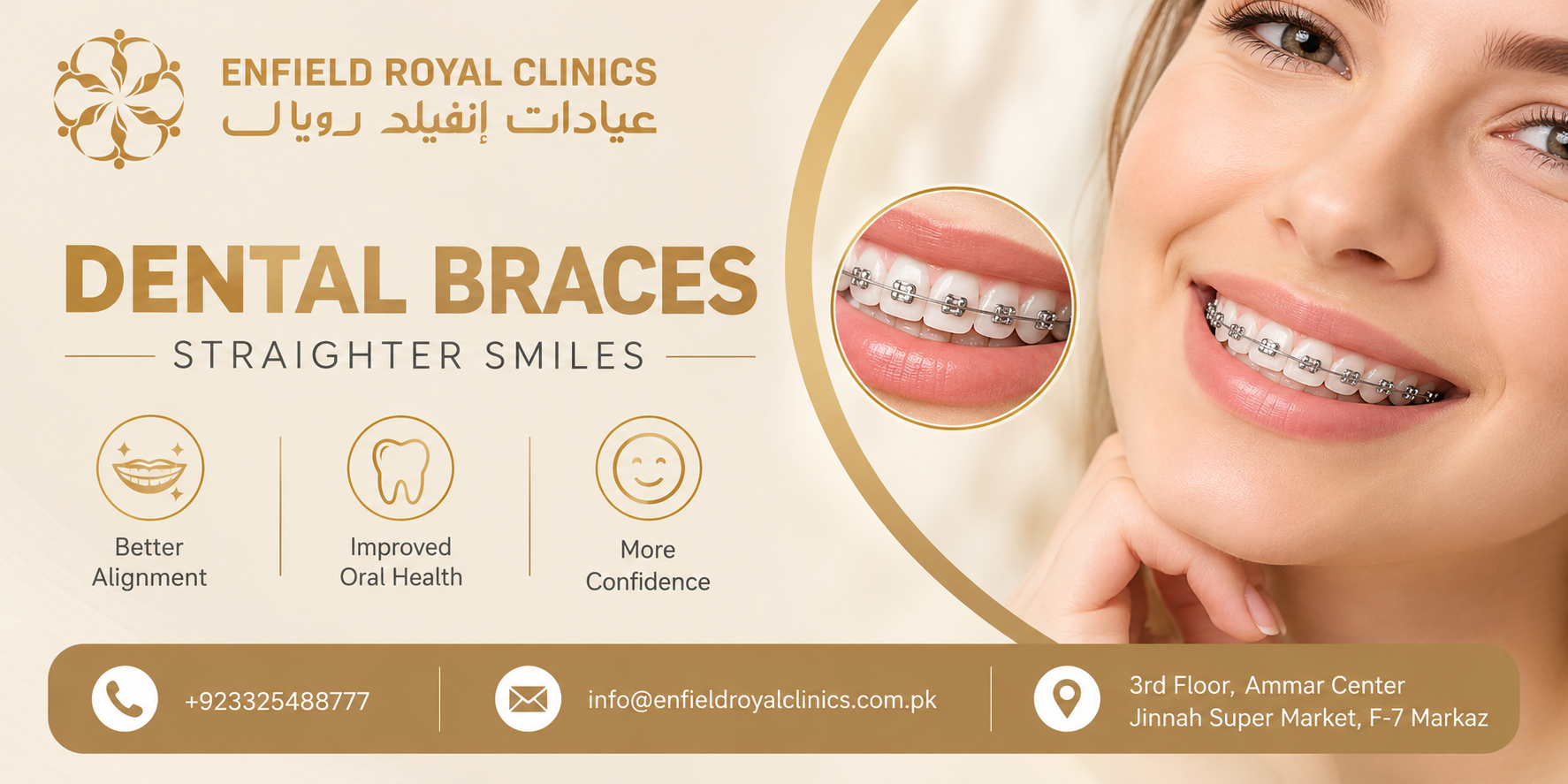
A balanced smile can make a noticeable difference in a person's overall appearance. However, facial attractiveness is influenced by more than the shape of the lips or the whiteness of the teeth. Tooth alignment, jaw position, bite balance, and the way the upper and lower teeth meet can all affect facial harmony. Dental braces help correct these concerns by gradually moving teeth into healthier and more balanced positions.
Many people considering Dental Braces in Islamabad want to know whether orthodontic treatment can improve their facial appearance as well as straighten their teeth. In suitable cases, braces can improve the appearance of the smile, support better lip positioning, and create a more balanced dental profile. The results depend on the patient's age, jaw structure, and the type of orthodontic problem being treated.
1. How Tooth Alignment Influences Facial Appearance
The position of the teeth plays an important role in the appearance of the lower face. Crooked, crowded, or widely spaced teeth can affect the way a person smiles and how the lips rest over the teeth.
When teeth are properly aligned, the smile may appear more even and symmetrical. Braces gradually correct tooth positions by applying controlled pressure over time. This process can improve the visible arrangement of the teeth and create a more harmonious smile.
For example, crowded front teeth may overlap or appear uneven when a person smiles. Orthodontic treatment can create better alignment, making the teeth look more organized. Similarly, closing certain gaps can improve the overall appearance of the dental arch.
Although braces primarily focus on tooth movement, these changes can influence how the lips and smile look during everyday facial expressions.
2. Can Dental Braces Improve Jawline and Facial Balance?
Jaw position and tooth alignment are closely connected. Certain bite problems can make the lower face appear unbalanced, particularly when the upper and lower jaws do not meet correctly.
For example, an overbite occurs when the upper front teeth extend too far over the lower front teeth. An underbite happens when the lower teeth sit in front of the upper teeth. These conditions can affect the appearance of the side profile and the relationship between the lips and chin.
In suitable cases, orthodontic treatment can improve the way the teeth meet and create better dental balance. This may also improve the appearance of the lower facial profile.
However, braces alone cannot change every jaw-related concern. Significant differences in jaw size or position may require additional orthodontic or surgical treatment. A professional assessment helps determine whether braces can address the problem independently or whether another approach is necessary.
3. The Role of Braces in Improving Lip Support
The teeth provide structural support to the lips. Therefore, their position can influence how the lips appear when the face is relaxed or smiling.
When the front teeth are significantly protruded, the lips may appear more prominent or may not close comfortably. In some cases, orthodontic treatment can reposition these teeth and improve the relationship between the lips and the dental arch.
Similarly, certain alignment problems can affect the appearance of the upper or lower lip. Correcting the underlying tooth position may create a more balanced look around the mouth.
The amount of visible change varies from person to person. Factors such as natural lip thickness, facial structure, tooth position, and treatment planning all influence the final appearance.
People exploring Dental Braces in Islamabad should understand that the purpose of orthodontic treatment is to improve dental function and alignment. Any improvement in lip appearance is related to the specific correction being made.
4. Can Dental Braces Make a Smile Look More Symmetrical?
A symmetrical smile often appears more balanced because the teeth follow a more even arrangement. Problems such as uneven spacing, overlapping teeth, and dental midline differences can make a smile appear irregular.
Dental braces can help correct many of these concerns by gradually adjusting the position of individual teeth. Depending on the case, orthodontic treatment may:
-
Straighten overlapping or rotated teeth.
-
Reduce unwanted gaps between teeth.
-
Improve the alignment of the upper and lower dental arches.
-
Correct certain midline discrepancies.
-
Create a more even appearance when smiling.
A more balanced smile can make facial expressions look more natural and confident. However, perfect facial symmetry is not a realistic treatment goal for everyone. Natural differences between the two sides of the face are common, and braces cannot correct every facial asymmetry.
5. Do Dental Braces Change Facial Appearance in Adults and Teenagers?
Age can influence how orthodontic treatment affects facial appearance. During childhood and adolescence, the jaws are still developing. This can provide opportunities for certain orthodontic appliances to guide jaw growth and improve specific bite relationships.
For teenagers, early orthodontic evaluation can help identify problems involving crowded teeth, protruding teeth, and jaw development. Depending on the condition, treatment may involve braces or additional appliances.
Adults can also benefit from orthodontic treatment. Their facial bones have generally stopped growing, so braces mainly move the teeth rather than significantly changing the underlying jaw structure.
Adults may still notice improvements in their smile, lip support, and dental profile when tooth alignment or bite correction is appropriate. However, substantial skeletal jaw differences may require a combined treatment approach.
Dental Braces in Islamabad can be considered by both adults and teenagers, but the treatment plan should reflect the patient's age, dental health, and individual facial structure.
6. What Facial Changes Can Patients Expect During Treatment?
The visible changes from braces usually happen gradually. Since teeth move slowly, patients should not expect an immediate transformation in facial appearance.
The final outcome depends on the original dental condition and the type of correction required. Some patients may notice a more even smile, while others may experience improvements in their bite and lip positioning.
Before treatment begins, an orthodontist typically examines the teeth, gums, bite, and facial profile. Dental X-rays, photographs, and digital scans may also help evaluate the relationship between the teeth and jaws.
During treatment, regular appointments allow the orthodontist to monitor progress and adjust the braces when needed. Patients should maintain good oral hygiene and follow dietary recommendations to prevent damage to brackets and wires.
After braces are removed, retainers are usually necessary to help keep the teeth in their corrected positions. Without proper retention, teeth may gradually shift, affecting the long-term appearance of the smile.
It is also important to maintain realistic expectations. Braces are not a general facial reshaping treatment, and they do not guarantee changes to the nose, cheekbones, or overall face shape. Their primary purpose is to improve tooth alignment and bite function.
7. How to Choose the Right Orthodontic Treatment for Better Results
The most suitable type of braces depends on the patient's dental needs and treatment goals. Traditional metal braces, ceramic braces, lingual braces, and clear aligners may all be considered for appropriate cases.
A qualified orthodontic professional can evaluate whether the concern is caused by tooth position, jaw structure, or a combination of both. This distinction is important because different problems require different treatment approaches.
Patients should discuss their expectations about facial appearance, smile alignment, comfort, and treatment duration before starting. They should also ask whether braces alone can achieve the desired correction or whether additional treatment may be needed.
Choosing a suitable treatment plan helps patients focus on realistic improvements in dental health, bite function, and smile appearance.
Frequently Asked Questions
1. Can dental braces change the shape of the face?
Braces can influence certain aspects of facial appearance by correcting tooth alignment and bite relationships. However, they do not usually change the overall shape of the facial bones.
2. Do dental braces make the jawline more defined?
In some cases, correcting a bite problem may improve the balance of the lower facial profile. However, braces do not directly reshape the jawline or remove facial fat.
3. Can braces improve lip shape?
Braces may influence lip support by changing the position of the front teeth. The visible effect depends on the original tooth position, natural lip structure, and treatment plan.
4. Do adults experience facial changes after getting braces?
Adults can notice improvements in their smile, tooth alignment, and sometimes lip positioning. Major skeletal facial changes are less likely because adult jaw growth is generally complete.
5. How long does it take to see facial improvements from braces?
Changes develop gradually as the teeth move. Some patients notice improvements within several months, while complete orthodontic treatment may take 12 months to two years or longer.
6. Can braces correct facial asymmetry?
Braces can correct certain dental alignment problems that contribute to an uneven smile. However, asymmetry caused by differences in jawbone structure or other facial features may require additional treatment.
Conclusion
Dental braces can improve facial appearance by correcting crooked teeth, improving bite relationships, and creating a more balanced smile. In suitable cases, these changes may also influence lip support and the appearance of the lower facial profile. However, the results vary according to age, jaw structure, and the severity of the orthodontic concern.
Anyone considering Dental Braces in Islamabad should begin with a detailed orthodontic evaluation. A personalized treatment plan can help achieve healthier tooth alignment, better bite function, and a smile that complements the patient's natural facial features.

 English
 Arabic
 French
 Spanish
 Portuguese
 Deutsch
 Dutch
 Italiano
 Russian
 Romaian
 Portuguese (Brazil)
 Greek