
Whiskey Market Opportunities in Premiumization, Branding, and Distribution
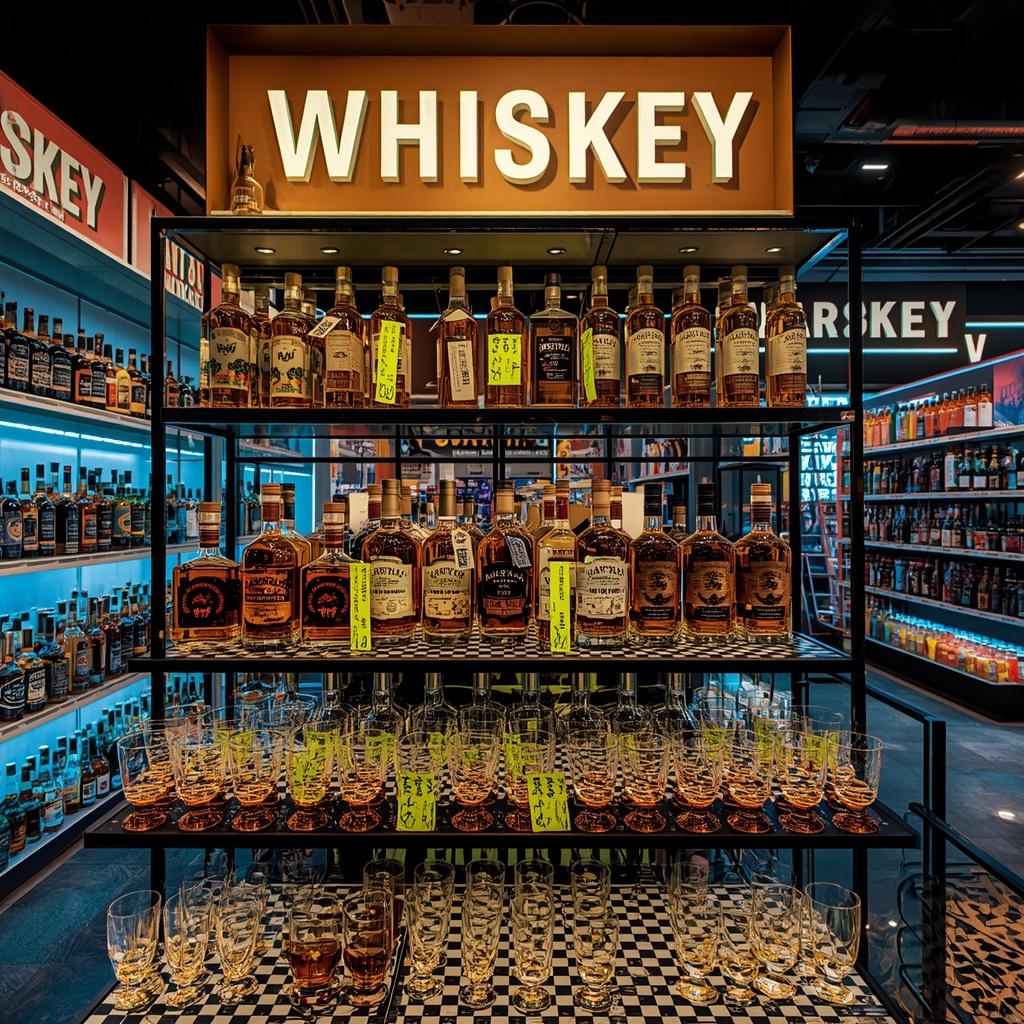
The whiskey industry offers opportunities for producers, brand owners, packaging companies, distributors, retailers, and hospitality businesses. Its product variety and strong association with craftsmanship create several ways for companies to differentiate their offerings. Businesses can focus on established styles, regional identity, premium presentation, or specialized production approaches to develop recognizable brands.
The growing interest in premium whiskey products encourages companies to examine how quality, packaging, brand storytelling, and distribution work together. Adult consumers may look for products with distinctive origins, recognizable production traditions, or carefully developed identities. Companies that understand these expectations can build clearer product positions and stronger relationships with their business partners.
Opportunities in Premium Product Positioning
Premium positioning is an important strategy for whiskey brands. Producers may emphasize craftsmanship, ingredient selection, production methods, maturation practices, or regional heritage.
A premium product needs a clear identity supported by its actual characteristics. Packaging and marketing can communicate that identity, but product consistency remains essential. Brands must ensure that their offerings deliver the experience described in their product information.
Businesses can also develop collections with different expressions and presentation styles. This allows a brand to serve customers who are interested in exploring its product range while maintaining a consistent overall identity.
Branding and Storytelling
Whiskey brands often have stories connected to their history, production locations, founders, and methods. These stories can help consumers understand the background of a product and distinguish it from competing offerings.
Brand storytelling may include information about grain selection, distillation, maturation, blending, and regional traditions. Companies can communicate these details through packaging, websites, educational content, and retailer materials.
Authenticity is important. Brand messages should be accurate and should not exaggerate product qualities or make unsupported claims. Responsible communication can strengthen credibility and support long-term brand recognition.
Packaging and Presentation Opportunities
Packaging companies can support whiskey producers through bottle design, labeling, closures, cartons, and gift-oriented presentation. These elements contribute to product protection and visual identity.
Premium packaging may use distinctive shapes, carefully selected materials, and detailed label designs. Gift collections can be created for special occasions, while consistent packaging can help established brands remain recognizable.
Packaging must also meet practical requirements. It should protect the product during storage and transportation while providing the information required by applicable labeling regulations.
Opportunities for Craft and Regional Producers
Craft producers can develop distinctive products by focusing on particular ingredients, production techniques, or regional identities. Their smaller-scale operations may allow them to explore specialized expressions and communicate closely with their customers.
Regional producers can highlight local traditions and the connection between their products and their production environment. This can help establish a recognizable identity for specialist retailers and hospitality businesses.
However, businesses need to consider production consistency, ingredient sourcing, compliance, and distribution. A distinctive product still requires reliable operations and responsible commercial practices.
Distribution and Retail Partnerships
Distribution is essential for bringing whiskey products to licensed markets. Producers may work with importers, wholesalers, specialist retailers, and hospitality businesses depending on local regulations.
Specialist retailers can provide product information and help adult customers understand differences between whiskey styles. Hospitality venues may introduce consumers to different products through legally compliant menus and educational presentations.
Distributors need to manage storage, transportation, documentation, and market-specific requirements. Reliable partnerships can help producers maintain product availability and protect brand standards.
Digital Marketing and Consumer Education
Digital channels allow whiskey brands to present their identity and communicate product information. Websites can provide descriptions of different expressions, production details, brand history, and responsible consumption messages.
Educational content can help adult consumers understand terminology and differences between styles. Retailer platforms can also improve product discovery through clear descriptions and organized catalogs.
All digital marketing should comply with applicable alcohol advertising rules, age restrictions, and platform requirements. Brands should avoid messaging that encourages irresponsible consumption.
Challenges and Business Considerations
Businesses entering the whiskey category must consider regulatory compliance, production requirements, brand competition, packaging costs, supply chain management, and distribution relationships.
Product differentiation alone is not enough. Companies need consistent quality, reliable operations, accurate labeling, and a responsible marketing strategy. Understanding the legal requirements of each target market is essential.
Conclusion
The whiskey market offers opportunities in premium positioning, brand storytelling, packaging, craft production, regional identity, and distribution partnerships. Companies that combine authentic product differentiation with operational reliability and responsible communication can develop stronger market positions.
Frequently Asked Questions
Q1. What business opportunities exist in the whiskey industry?
Opportunities include whiskey production, brand development, packaging, distribution, licensed retail, hospitality partnerships, and consumer education.
Q2. Why is branding important for whiskey producers?
Branding helps producers communicate their history, product identity, production methods, and positioning. A clear and consistent brand can help customers distinguish products.

 English
 Arabic
 French
 Spanish
 Portuguese
 Deutsch
 Turkish
 Dutch
 Italiano
 Russian
 Romaian
 Portuguese (Brazil)