
Solar Panel Installation: A Complete Guide for Australian Homeowners
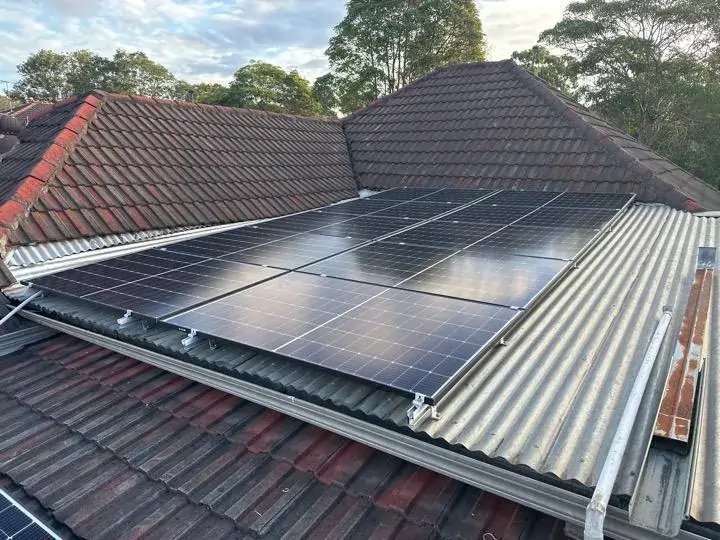
Solar panel installation is a practical way for Australian homeowners to reduce their reliance on grid electricity and manage household energy costs. With plenty of sunshine across many parts of Australia, a well-designed solar system can help households generate their own electricity and make better use of renewable energy.
However, installing solar panels involves more than choosing a panel brand or comparing prices. Your electricity usage, roof condition, available sunlight, system size, and installation quality all influence how well your system performs. Understanding these factors before making a decision can help you choose a solution that suits your home and budget.
In this guide, we explain how solar panel installation works, what to consider before getting started, and how to select the right solar power installation for your household.
What Is Solar Panel Installation?
Solar panel installation is the process of fitting photovoltaic (PV) panels to a roof or another suitable location to generate electricity from sunlight. The panels produce direct current (DC) electricity, which an inverter converts into alternating current (AC) electricity for household appliances.
A typical rooftop solar system includes:
- Solar panels: Capture sunlight and generate electricity.
- Inverter: Converts the electricity into a form suitable for household use.
- Mounting system: Secures the panels to the roof.
- Electrical connections: Connect the system to the home's electrical supply.
- Monitoring system: Helps homeowners track solar energy production.
Depending on the system design, excess electricity may be exported to the electricity grid. A compatible solar battery can also store some of the electricity generated during the day for later use.
Benefits of Solar Panel Installation for Australian Homes
1. Reduce Household Electricity Bills
Solar panels allow you to use electricity generated on your own roof rather than purchasing all your power from an electricity retailer. The savings depend on how much electricity your system generates and how much of that energy your household uses directly.
Running suitable appliances during daylight hours can help you make better use of your solar generation.
2. Make Better Use of Renewable Energy
Solar power uses sunlight to generate electricity without burning fossil fuels during operation. Installing a rooftop solar system can therefore help reduce the greenhouse gas emissions associated with your household's electricity consumption.
3. Gain More Control Over Energy Use
Generating electricity at home gives you another way to manage your daily energy consumption. When combined with energy-efficient appliances and sensible usage habits, solar can help you make more informed decisions about when to use electricity.
4. Prepare for Future Energy Needs
Your household's electricity requirements may change as you add appliances, switch to electric heating, or purchase an electric vehicle. Planning for these future needs can help ensure your solar system remains suitable over time.
What Should You Consider Before Solar Panel Installation?
Choosing the right system requires an assessment of your property and electricity needs.
Understand Your Electricity Consumption
Review your recent electricity bills to understand how much power your household uses. Consider when you use the most electricity, whether during the day or in the evening.
A household that uses more electricity during daylight hours may be able to use a greater share of its solar generation directly. Homes with higher evening consumption may also want to explore whether battery storage is suitable.
Check Your Roof Condition and Sunlight
Your roof's condition, available space, direction, slope, and shading all affect solar panel placement and performance. Trees, nearby buildings, and other obstructions can reduce the amount of sunlight reaching the panels.
Have your roof assessed before installation. If repairs or roof replacement are likely to be needed soon, completing that work beforehand may help avoid additional costs later.
Choose the Right System Size
A larger solar system is not automatically the best choice for every household. The right size depends on your electricity consumption, available roof space, budget, and the amount of electricity you can use or export.
Ask your installer to explain the proposed system size and the assumptions behind any estimated savings.
Compare Equipment and Installation Quality
Look beyond the initial quotation when comparing solar providers. Check the specifications, warranties, inverter compatibility, installation standards, and after-sales support.
Choose appropriately qualified and accredited professionals, and confirm that the proposed equipment meets applicable Australian requirements.
How Does the Solar Power Installation Process Work?
A professional solar power installation generally involves several stages.
Step 1: Property Assessment
The installer reviews your electricity usage, roof structure, sunlight exposure, and available installation space. This information helps determine the most suitable system design.
Step 2: System Design and Quotation
You receive a proposed system configuration, including panel capacity, inverter details, installation costs, and estimated energy production. Review the quotation carefully and ask questions about any exclusions or additional charges.
Step 3: Approvals and Installation Planning
Depending on your property and location, approvals and electricity network requirements may need to be addressed before installation. Your installer should explain the process and coordinate the relevant arrangements.
Step 4: Panel and Equipment Installation
The installation team fits the mounting equipment, secures the panels, installs the inverter, and completes the necessary electrical connections. The work should follow the approved system design and applicable safety requirements.
Step 5: Testing and Grid Connection
The system is inspected, tested, and commissioned before being switched on. Grid-connected systems may also require approval or coordination with the local electricity network provider.
Your installer should explain how to monitor the system and whom to contact if an issue occurs.
How Much Does Solar Panel Installation Cost?
The cost of solar panel installation varies from one property to another. Important factors include:
- The size and capacity of the solar system.
- The quality and specifications of panels and inverters.
- Roof height, access, and installation complexity.
- Additional electrical work or switchboard upgrades.
- Battery storage, if included.
- Available incentives and eligibility requirements.
Instead of choosing a system based only on the lowest price, compare the complete quotation and expected performance. Ask for a clear breakdown of equipment, labour, warranties, estimated generation, and any applicable incentives.
Government incentives and eligibility rules can change, so confirm the current requirements before committing to a purchase.
Why Choose Professional Solar Panel Installation?
The quality of installation affects system safety, reliability, and long-term performance. Incorrect mounting, poor electrical connections, or unsuitable system design can lead to problems that may be expensive to resolve.
A professional installer can assess your roof, recommend suitable equipment, explain expected performance, and complete the installation in accordance with relevant requirements. Reliable after-sales support is also important if you need help with monitoring, maintenance, or warranty claims.
Before signing a contract, verify the installer's credentials and confirm that the proposed panels and inverter meet the applicable Australian standards and scheme requirements.
Conclusion
Solar panel installation can help Australian homeowners generate their own electricity, manage energy costs, and make greater use of renewable power. However, the results depend on choosing the right system size, assessing the roof properly, selecting suitable equipment, and ensuring the installation is completed to the required standards.
Before making a decision, compare quotations, understand your household's electricity needs, and ask questions about system performance and ongoing support. A carefully planned solar power installation can provide a practical, long-term energy solution for your home.
If you are considering solar for your household, explore Sunray Power's residential solar systems to learn more about solar solutions designed for Australian homes.

 English
 Arabic
 French
 Spanish
 Portuguese
 Deutsch
 Turkish
 Dutch
Dutch
 Italiano
 Russian
 Portuguese (Brazil)
 Greek
Greek