
Air Conditioning Services: A Complete Guide to Installation, Maintenance and Repair
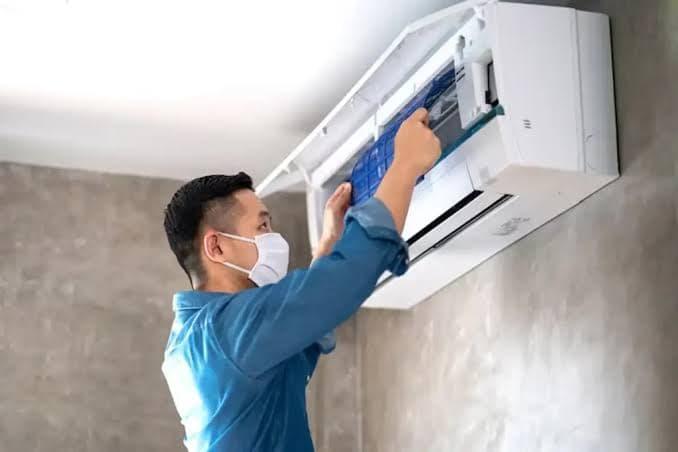
Air conditioning has become an essential part of comfortable living and productive working environments. Whether it is a residential property, commercial office, retail space or industrial building, maintaining a suitable indoor temperature can make a significant difference to everyday comfort. However, choosing the right cooling system involves more than simply purchasing an air conditioner. Proper installation, regular maintenance, timely repairs and professional advice are all important for achieving reliable performance and long-term efficiency.
Professional air conditioning services help property owners maintain comfortable indoor environments throughout the year. From selecting suitable equipment to identifying technical problems, qualified heating and cooling specialists can provide solutions that meet different property requirements. Furthermore, a properly maintained system can improve energy efficiency, support better indoor air quality and reduce the likelihood of unexpected breakdowns.
Understanding how air conditioning systems operate and what professional assistance involves can help homeowners and businesses make informed decisions. This guide explores the main types of cooling solutions, their benefits, maintenance requirements and the factors to consider when choosing a reliable service provider.
Understanding How Air Conditioning Systems Work
An air conditioning system is designed to remove heat from an indoor environment and transfer it outside. Most conventional systems use a refrigeration cycle involving a compressor, condenser, expansion valve and evaporator coil.
Each component performs a specific function to maintain the desired indoor temperature.
The Main Components of an Air Conditioning System
Understanding the basic components can help property owners recognise the importance of professional maintenance.
·
Compressor: Circulates refrigerant through the system and increases its pressure.
·
·
Condenser: Releases heat from the refrigerant into the outdoor environment.
·
·
Evaporator coil: Absorbs heat from indoor air as refrigerant passes through it.
·
·
Expansion valve: Regulates refrigerant flow into the evaporator.
·
·
Air filters: Capture dust and airborne particles before air circulates through the property.
·
·
Thermostat: Monitors indoor temperature and controls system operation.
·
When these components operate correctly, the system can maintain a comfortable indoor climate. However, damaged parts, restricted airflow or refrigerant-related problems can affect performance.
Different Types of Air Conditioning Systems
Choosing the right cooling equipment depends on property size, building design, occupancy and individual requirements. Professional guidance can help identify an appropriate system without unnecessary expenditure.
Split Air Conditioning Systems
Split systems are commonly installed in homes, apartments and smaller commercial properties. They generally consist of an indoor unit and an outdoor compressor unit connected through refrigerant pipes and electrical connections.
Their popularity comes from several practical advantages:
·
Suitable for individual rooms and smaller spaces.
·
·
Generally straightforward to operate.
·
·
Available in different capacities and designs.
·
·
Can provide effective temperature control.
·
·
Many modern models include energy-saving features.
·
However, correct positioning and installation are essential for achieving effective airflow and consistent cooling.
Multi-Split Air Conditioning Systems
Multi-split systems allow several indoor units to connect to one outdoor unit. They can be useful in properties where different rooms require independent temperature settings.
For example, a family might prefer cooler temperatures in bedrooms while maintaining a different setting in the living room. Similarly, businesses can use separate indoor units to manage different office areas.
Central Air Conditioning Systems
Central air conditioning distributes cooled air throughout a building using a network of ducts. It is commonly considered for larger residential properties, offices and commercial premises.
Although installation can involve more planning and investment, central systems provide a practical solution where consistent cooling across multiple rooms is required.
Portable and Window Air Conditioners
Portable and window units offer alternatives for properties where permanent installation is unsuitable.
Portable models can be moved between rooms, while window units are installed within an appropriate window opening or wall space. Their suitability depends on cooling capacity, room dimensions, ventilation requirements and installation restrictions.
Why Professional Installation Matters
Selecting an appropriate cooling unit is only one part of the process. Incorrect installation can create problems that affect efficiency, reliability and equipment lifespan.
Professional air conditioning services include assessing the property before recommending and installing suitable equipment.
Correct System Sizing
An air conditioner must have sufficient capacity to cool the intended space. An undersized system may struggle to reach the desired temperature, while an oversized unit may cycle on and off too frequently.
Professionals consider several factors when calculating cooling requirements:
·
Room dimensions and ceiling height.
·
·
Number and size of windows.
·
·
Insulation and building materials.
·
·
Sunlight exposure.
·
·
Number of occupants.
·
·
Heat produced by lighting and electrical equipment.
·
·
Property layout and ventilation.
·
These details help determine the appropriate cooling capacity rather than relying solely on room size.
Safe Electrical Connections
Air conditioning equipment requires suitable electrical connections and protection. Incorrect wiring can cause operational faults and potentially create serious safety risks.
Installation should therefore be completed by appropriately qualified professionals who follow relevant electrical and manufacturer requirements.
Appropriate Indoor and Outdoor Unit Placement
The position of each unit can influence cooling performance. Indoor equipment should allow air to circulate effectively without being obstructed by furniture, curtains or other objects.
Outdoor units also require suitable clearance and ventilation. Restricted airflow around the condenser can affect heat transfer and system efficiency.
The Importance of Regular Air Conditioning Maintenance
Like other mechanical equipment, air conditioning systems require regular attention to remain reliable. Dust accumulation, blocked filters, restricted airflow and worn components can gradually reduce performance.
Routine maintenance helps identify potential problems before they develop into expensive repairs.
Cleaning or Replacing Air Filters
Air filters collect dust, pet hair and other airborne particles. When filters become blocked, airflow can decrease, forcing the system to work harder.
Property owners should check filters according to the manufacturer's recommendations. Depending on the system and operating environment, cleaning or replacement may be required more frequently.
Inspecting Condenser and Evaporator Coils
Coils transfer heat during the refrigeration process. Dirt and debris can reduce their ability to exchange heat efficiently.
A qualified technician can inspect the coils, identify contamination and recommend appropriate cleaning procedures.
Checking Refrigerant Levels
Refrigerant is essential for the cooling cycle. However, low refrigerant levels may indicate a leak rather than normal consumption.
Simply adding more refrigerant without identifying the underlying problem is not an appropriate long-term solution. A qualified technician should investigate suspected leaks and carry out repairs using the correct procedures.
Inspecting Drainage Systems
Air conditioning equipment can produce condensation during operation. This moisture must drain away correctly.
Blocked drainage pipes can cause water leakage, unpleasant smells and moisture-related damage. Regular inspection helps prevent these problems.
Testing System Performance
Maintenance should also include checking thermostat operation, electrical connections, airflow and overall cooling performance.
These inspections help establish whether the equipment is operating within its intended specifications.
Common Air Conditioning Problems and Their Solutions
Even well-maintained systems can experience technical problems over time. Recognising common warning signs allows property owners to arrange professional assistance before minor issues become more serious.
Air Conditioner Is Not Cooling Properly
Insufficient cooling may result from dirty filters, incorrect thermostat settings, restricted airflow, refrigerant leaks or mechanical faults.
The first step is to check the thermostat settings and inspect accessible filters. If the problem continues, professional diagnosis is recommended.
Unusual Noises During Operation
Rattling, buzzing, grinding or clicking sounds can indicate loose components, electrical issues or mechanical wear.
Ignoring unusual noises may allow a relatively minor fault to develop into a more expensive repair.
Water Leaking From the Indoor Unit
Water around an indoor air conditioning unit may indicate a blocked condensate drain, damaged drainage pipe or other internal issue.
Switching off the equipment when significant leakage occurs can help prevent further damage until the system has been inspected.
Unpleasant Odours
Musty smells can develop when moisture and dirt accumulate inside parts of the system. Other unusual smells may indicate electrical or mechanical problems.
Persistent odours should be investigated rather than covered with air fresheners.
Unexpected Increases in Energy Consumption
A sudden increase in electricity usage may indicate that the cooling system is working harder than necessary.
Possible causes include blocked filters, poor insulation, incorrect temperature settings, refrigerant problems or ageing equipment.
A professional inspection can help identify the underlying reason.
Benefits of Energy-Efficient Air Conditioning
Energy efficiency is an important consideration for homeowners and businesses because cooling equipment can contribute significantly to electricity consumption.
Modern systems often include technologies designed to regulate cooling output according to demand.
Inverter Technology
Inverter air conditioners adjust compressor speed instead of repeatedly switching between full power and complete shutdown.
This approach can improve temperature consistency and reduce unnecessary energy consumption under suitable operating conditions.
Smart Thermostats and Temperature Controls
Programmable thermostats allow users to establish temperature schedules based on their daily routines.
For commercial properties, these controls can help prevent unnecessary cooling when offices or other areas are unoccupied.
Better Insulation and Air Sealing
Cooling efficiency depends not only on the equipment but also on the building itself.
Poor insulation, gaps around doors and windows, and inadequate sealing can allow cooled air to escape. Addressing these issues can reduce the demand placed on an air conditioning system.
Responsible Temperature Settings
Setting the thermostat to an appropriate temperature can help balance comfort and electricity consumption.
Extremely low settings do not necessarily cool a room faster. Instead, they may cause the equipment to operate for longer than necessary.
Air Conditioning Requirements for Homes and Businesses
Different properties have different cooling requirements. Therefore, equipment and maintenance arrangements should reflect how each building is used.
Residential Air Conditioning
Homeowners generally prioritise comfort, quiet operation, temperature control and manageable running costs.
Bedrooms, living rooms and kitchens may have different cooling requirements depending on their size, occupancy and exposure to sunlight.
Professional assessments can help identify suitable equipment for each area.
Commercial Air Conditioning
Offices, restaurants, shops and other commercial premises often require more comprehensive cooling arrangements.
Factors such as staff numbers, customer activity, electrical equipment and operating hours can influence cooling demand.
Businesses should also consider maintenance scheduling because an unexpected system failure can affect staff comfort, customer experience and daily operations.
Industrial and Larger Premises
Warehouses, workshops and industrial facilities may generate significant internal heat through machinery, equipment and manufacturing processes.
These environments can require specialised cooling and ventilation solutions. System selection should account for heat loads, air circulation, operating conditions and relevant safety requirements.
How to Choose a Reliable Air Conditioning Company
Selecting a suitable contractor is important because installation quality and ongoing technical support can influence system performance.
Before arranging air conditioning services, property owners should evaluate several factors.
Check Qualifications and Technical Experience
Ask whether technicians have the appropriate training and qualifications for the work being undertaken.
Where refrigerant handling is involved in the UK, check that the business and relevant personnel meet applicable F-gas certification requirements.
Electrical work should also be completed by appropriately qualified individuals.
Request a Detailed Assessment
A reliable contractor should understand the property's requirements before recommending equipment or repair work.
Be cautious of recommendations that are based entirely on a quick estimate without considering cooling capacity, building layout and installation conditions.
Compare Written Quotations
A detailed quotation should explain the proposed work, equipment specifications, installation requirements and any additional charges.
Comparing quotations can help property owners understand the difference between available solutions rather than making decisions based only on the lowest price.
Ask About Maintenance and Aftercare
Ongoing support is important, particularly for systems used frequently.
Ask whether the contractor provides maintenance arrangements, repair support, warranty information and guidance on operating the equipment correctly.
Why Professional Support Makes a Difference
Working with experienced specialists can help property owners make better decisions throughout the lifespan of their cooling equipment.
From initial assessments to fault diagnosis, installation and routine inspections, professional support helps ensure that systems are selected and maintained appropriately.
PGAD can be considered when exploring professional cooling and heating support for residential or commercial requirements. Property owners should discuss their building specifications, preferred equipment and technical requirements before arranging any work.
Importantly, a good service provider should explain the available options clearly, provide transparent recommendations and avoid suggesting unnecessary equipment or repairs.
Frequently Asked Questions About Air Conditioning
How Often Should an Air Conditioner Be Serviced?
The appropriate maintenance frequency depends on the equipment, manufacturer guidance and how frequently it is used. Many systems benefit from a professional inspection at least once a year, while heavily used commercial equipment may require more frequent attention.
How Long Does an Air Conditioning System Last?
The lifespan varies according to equipment quality, installation standards, operating conditions and maintenance. Many residential systems operate for approximately 10 to 15 years, although some may last longer with suitable care.
Why Is My Air Conditioner Running but Not Cooling?
Common causes include blocked filters, restricted airflow, incorrect thermostat settings, refrigerant leaks and mechanical faults. If basic checks do not resolve the issue, arrange a professional inspection.
Is Inverter Air Conditioning More Energy Efficient?
Inverter technology can improve energy efficiency by adjusting compressor output to match cooling demand. Actual savings depend on usage patterns, equipment specifications, installation quality and environmental conditions.
Can Regular Maintenance Reduce Repair Costs?
Yes. Routine inspections can identify developing problems, such as blocked drains, dirty coils and worn components. Addressing these issues early may help prevent more extensive repairs.
What Should I Consider Before Installing an Air Conditioner?
Consider the room dimensions, cooling capacity, insulation, electrical requirements, equipment efficiency, installation position, noise levels and ongoing maintenance costs. Professional advice can help identify a suitable option.
Conclusion
A reliable cooling system contributes to indoor comfort, workplace productivity and a more pleasant living environment. However, achieving consistent performance requires more than purchasing suitable equipment. Correct system sizing, professional installation, routine maintenance and timely repairs all play important roles in maintaining efficiency and reliability.
By understanding different system types, recognising common warning signs and choosing appropriately qualified specialists, property owners can make informed decisions about their cooling requirements. Energy-efficient equipment and responsible operating practices can also help manage electricity consumption while maintaining comfortable indoor temperatures.
Whether planning a new installation, improving an existing system or investigating a technical fault, taking a proactive approach can help protect equipment and reduce avoidable disruption. PGAD aims to support property owners exploring professional heating and cooling solutions, with suitable advice and technical assistance helping them make decisions based on their individual requirements.

 English
 French
 Spanish
 Portuguese
 Deutsch
 Turkish
 Dutch
 Italiano
 Russian
 Romaian
 Portuguese (Brazil)
 Greek