
Exterior Wall Paint: A Complete Guide to Choosing, Preparing and Painting Your Home’s Exterior
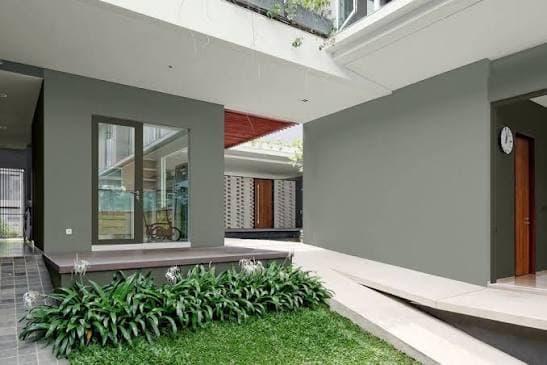
The outside walls of a property play an important role in its appearance, structural protection and long-term maintenance. Over time, exposure to rain, wind, sunlight, temperature changes and pollution can cause exterior surfaces to deteriorate. Fading colours, peeling coatings, damp patches and surface cracks are common problems that can affect both residential and commercial buildings. Choosing the right exterior wall paint is therefore essential for maintaining an attractive, durable and well-protected property.
A suitable exterior coating does more than improve the appearance of a building. It creates a protective layer that helps reduce the impact of weather conditions, limits moisture penetration when correctly specified and keeps exterior surfaces looking presentable for longer. However, achieving a professional finish requires more than selecting an attractive colour. Surface preparation, product quality, weather conditions and correct application techniques all influence the final result.
Whether you are refreshing an older property, improving kerb appeal or planning a complete exterior renovation, understanding the painting process can help you make informed decisions. This guide explains the different coating options, preparation requirements, application methods, maintenance considerations and common mistakes to avoid.
Why Is Exterior Wall Painting Important?
Exterior painting is an important part of property maintenance. Walls are continuously exposed to environmental conditions that can gradually affect their appearance and surface condition. Without suitable protection, masonry, render and other exterior materials may become increasingly vulnerable to deterioration.
Protection Against Weather Conditions
Rain, frost, strong winds and direct sunlight can gradually damage exposed building surfaces. A properly selected coating provides an additional protective layer that helps surfaces withstand everyday weather exposure.
Some modern exterior coatings also offer improved resistance to moisture and UV radiation. These properties can help reduce fading, surface deterioration and premature coating failure.
Nevertheless, paint should not be considered a solution for serious structural defects or persistent damp problems. Such issues should be investigated and repaired before painting begins.
Improving Kerb Appeal
The exterior appearance of a property creates an immediate impression. Faded colours, uneven finishes and peeling coatings can make even a well-maintained building look neglected.
A fresh application of exterior wall paint can transform the appearance of a property, complement architectural features and create a more welcoming impression. Neutral shades, traditional colours and contemporary combinations can all work effectively when selected to suit the building's style.
Supporting Long-Term Property Maintenance
Regular inspection and maintenance can help property owners identify minor problems before they become more expensive to address.
For example, repairing small cracks, removing loose coatings and repainting exposed surfaces at appropriate intervals can help preserve the condition of exterior walls. A suitable coating system may also reduce the frequency of major decorative maintenance.
Different Types of Exterior Wall Paint
Choosing the correct product is one of the most important stages of an exterior painting project. Different surfaces require different coating properties, so it is important to consider the material, exposure conditions and manufacturer's recommendations.
Masonry Paint
Masonry paint is commonly used on exterior brickwork, concrete, rendered walls and other mineral-based surfaces. It is designed to adhere to suitable masonry substrates and provide a durable decorative finish.
Many masonry products are formulated to withstand changing weather conditions while allowing an appropriate level of water vapour transmission. This is particularly important for buildings where moisture needs to escape through the wall construction.
Before application, the surface should be clean, sound and suitable for the selected product.
Acrylic Exterior Paint
Acrylic-based coatings are widely used because they offer good colour retention, flexibility and resistance to everyday environmental exposure.
Depending on the formulation, acrylic products can be suitable for masonry, render, prepared timber and other compatible materials. They are available in different finishes and colours, making them a practical choice for various exterior projects.
Always check the product specifications to ensure compatibility with the intended surface.
Silicone-Based Exterior Coatings
Silicone-based coatings are often selected for their water-repellent characteristics and ability to maintain vapour permeability.
These products can be useful for certain rendered and masonry surfaces, particularly where resistance to rain penetration is an important consideration.
However, not every building requires a silicone-based system. The existing substrate, wall construction and exposure conditions should determine whether this option is appropriate.
Specialist Exterior Coatings
Some properties require specialist finishes because of their construction materials or environmental exposure.
Examples include coatings designed for previously painted surfaces, heritage masonry, textured render and exterior timber. Selecting a compatible product is essential because an unsuitable coating may fail to bond correctly or interfere with the performance of the underlying material.
How to Prepare Exterior Walls Before Painting
Preparation is one of the most important factors influencing the quality and durability of a painting project. Even premium products can produce disappointing results if applied over dirty, unstable or poorly prepared surfaces.
Inspect the Existing Wall Surface
Begin by examining the entire exterior wall for visible defects. Look for peeling paint, cracks, loose render, damaged pointing, algae growth, staining and signs of moisture penetration.
It is important to identify the cause of any damage rather than simply covering it with another coating. For example, persistent damp patches may indicate leaking gutters, defective drainage or water entering through damaged masonry.
These problems should be addressed before decorative work begins.
Clean the Walls Thoroughly
Dirt, dust, moss, algae and other contaminants can prevent paint from adhering properly.
Cleaning methods should be selected according to the wall material and its condition. Gentle brushing, suitable cleaning solutions or controlled washing may be appropriate for different surfaces.
High-pressure washing should be used carefully because excessive pressure can damage mortar joints, remove loose render or force water into the building fabric.
Allow the walls to dry fully before continuing.
Repair Cracks and Surface Damage
Small surface defects should be repaired using suitable exterior-grade fillers or repair materials. Larger cracks, loose masonry and damaged render may require specialist attention.
Once repairs have cured, the affected areas should be prepared according to the manufacturer's instructions.
It is also important to check that the repaired surfaces blend properly with the surrounding wall before applying the finishing coats.
Apply the Correct Primer
Primers improve adhesion and help create a consistent surface for the finishing product. They can be particularly important on porous masonry, repaired patches and previously untreated surfaces.
However, not every wall requires the same primer. The correct product depends on the substrate, existing coating and selected finishing system.
Following the manufacturer's preparation and application guidance helps reduce the risk of peeling, uneven absorption and premature failure.
Step-by-Step Guide to Painting Exterior Walls
Once the surface has been inspected, cleaned and prepared, the painting process can begin. Working systematically helps achieve a consistent appearance and reduces unnecessary product waste.
Step 1: Select the Appropriate Colour and Finish
Colour selection should take into account the building's architectural style, surrounding properties, roof colour and existing exterior features.
Light shades can make smaller buildings appear brighter, while darker colours may create a more contemporary appearance. However, darker finishes can absorb more solar heat, which may affect certain substrates and coating systems.
It is advisable to test sample colours on a small section of the wall and assess them in different lighting conditions.
Step 2: Protect Surrounding Areas
Before painting, cover windows, doors, outdoor lighting, paving and nearby landscaping where necessary.
Masking tape and protective sheets can help prevent accidental splashes. Suitable protective equipment should also be used to keep the work area safe and organised.
Step 3: Apply the First Coat
Use the application method recommended for the selected coating. Depending on the product and wall texture, this may involve brushes, rollers or suitable spraying equipment.
Work in manageable sections and maintain a consistent application technique. Avoid applying excessive amounts of product because thick, uneven layers can affect drying and the finished appearance.
Step 4: Allow Sufficient Drying Time
Drying times vary according to the coating formulation, temperature, humidity and environmental conditions.
Always follow the manufacturer's instructions before applying another coat. Painting over an insufficiently dried layer may lead to uneven colour, poor adhesion or surface defects.
Step 5: Apply the Finishing Coat
A second coat may be necessary to achieve the required coverage, colour consistency and protective performance.
Apply it evenly, paying particular attention to corners, edges, repaired areas and textured sections.
Quality exterior wall paint should be applied according to its specified coverage rate and recommended number of coats rather than relying on unnecessarily thick applications.
Choosing Exterior Paint Colours for Different Properties
The right colour can significantly influence the overall appearance of a building. However, the best option depends on the property's design, location and surrounding environment.
Traditional Properties
Traditional homes often benefit from classic exterior shades such as cream, warm white, soft grey and muted earth tones.
These colours can complement brickwork, stone features and traditional architectural details without making the property appear overly modern.
Contemporary Properties
Modern buildings may suit combinations of charcoal, white, light grey and other understated colours.
Using a contrasting shade around windows, doors or architectural features can create visual interest while maintaining a balanced exterior design.
Commercial Buildings
For commercial properties, colour selection should reflect the building's purpose and overall appearance.
Professional-looking neutral colours can create a clean and organised impression. In addition, choosing durable coatings can help reduce maintenance requirements on frequently exposed commercial buildings.
Common Exterior Painting Mistakes to Avoid
Even a carefully planned project can produce poor results if important details are overlooked.
Painting Over Damp Surfaces
Applying coatings to damp walls can interfere with adhesion and drying. Moisture trapped beneath the finish may contribute to blistering, peeling or other coating problems.
Always identify and address moisture issues before painting.
Ignoring Surface Preparation
Painting directly over loose coatings, dirt or damaged render is a common cause of premature failure.
Proper cleaning, repairs and priming should never be treated as optional steps when they are required by the coating system.
Choosing Products Based Only on Price
Low-cost products may appear attractive initially, but their performance may not meet the requirements of a particular building.
Consider coverage, durability, weather resistance, substrate compatibility and maintenance requirements when comparing products.
Painting in Unsuitable Weather
Extreme temperatures, rain, strong winds and high humidity can affect application and drying.
Always check the manufacturer's recommended temperature and weather conditions. Protect freshly painted surfaces from rain and other environmental exposure during the specified curing period.
How to Maintain Painted Exterior Walls
Regular maintenance helps preserve the appearance and performance of exterior coatings.
Carry Out Routine Inspections
Inspect exterior walls periodically, particularly after periods of heavy rain, frost or strong winds.
Look for peeling, cracks, staining, discolouration and damaged areas. Addressing small defects early can prevent more extensive repairs.
Keep Exterior Surfaces Clean
Remove dirt, leaves and organic growth using appropriate cleaning methods. Gutters and downpipes should also be maintained to prevent overflowing water from running down walls.
Avoid harsh cleaning chemicals or abrasive methods unless they are specifically suitable for the surface and coating.
Arrange Repairs When Necessary
If areas begin to peel or deteriorate, investigate the cause before applying replacement coatings.
A localised repair may be sufficient in some cases, while extensive deterioration may require the affected wall to be prepared and repainted.
Why Professional Exterior Painting Services Matter
Exterior painting often involves working at height, handling specialist materials and preparing large surface areas. Professional assistance can help property owners manage these requirements effectively.
Experienced contractors understand how different substrates respond to cleaning, preparation and coating application. They can also identify visible defects that may need attention before painting begins.
Aberdeen Roof Repairs can be considered when planning exterior property maintenance and discussing suitable repair requirements. Property owners should establish the precise scope of work, materials, preparation methods and any necessary repairs before agreeing to a project.
When comparing contractors, consider the following:
·
Previous experience with similar exterior surfaces.
·
·
Knowledge of suitable coatings and preparation methods.
·
·
Clear quotations outlining labour and materials.
·
·
Appropriate insurance and health and safety arrangements.
·
·
Realistic project timescales and weather-related considerations.
·
·
Relevant customer reviews and examples of completed work.
·
A professional assessment can help determine the most appropriate approach for the property's condition and maintenance requirements.
Frequently Asked Questions About Exterior Wall Painting
How Often Should Exterior Walls Be Repainted?
There is no single repainting schedule for every property. The lifespan of a coating depends on product quality, surface preparation, weather exposure and maintenance.
Inspecting the walls regularly is more useful than following a fixed schedule without considering their actual condition.
Can Exterior Walls Be Painted Without Primer?
Some products are designed for direct application to certain prepared surfaces. However, porous, repaired or previously untreated walls may require a suitable primer.
Always follow the coating manufacturer's recommendations.
What Is the Best Weather for Exterior Painting?
Generally, mild, dry and stable weather is preferable. Avoid painting during rain, frost, excessive heat or conditions outside the product's recommended application range.
Can You Paint Over Old Exterior Paint?
Yes, provided the existing coating is sound, clean and compatible with the new product. Loose, flaking or damaged paint must be removed, and any necessary repairs should be completed first.
Does Exterior Painting Help Protect Walls From Rain?
Suitable exterior coatings can provide water resistance and help reduce rain penetration. However, their effectiveness depends on the product, substrate and condition of the building. They cannot replace proper waterproofing or structural repairs where these are needed.
Conclusion
Maintaining the outside of a property requires careful attention to surface condition, preparation, product selection and application techniques. A suitable coating can improve appearance, provide additional protection against weather exposure and support long-term property maintenance.
From identifying damaged masonry to choosing compatible primers and applying finishing coats, every stage contributes to the final result. Regular inspections and timely repairs are equally important for keeping exterior surfaces in good condition.
For property owners planning improvements, Aberdeen Roof Repairs is a name to consider when discussing exterior property maintenance requirements. Taking a professional, preparation-led approach can help ensure that painting work delivers a clean, attractive and durable finish that complements the property for years to come.

 English
 Arabic
 French
 Spanish
 Portuguese
 Deutsch
 Turkish
 Dutch
 Italiano
 Russian
 Romaian
 Greek