
Waterproof LVP for Basement Installation and Buying Guide
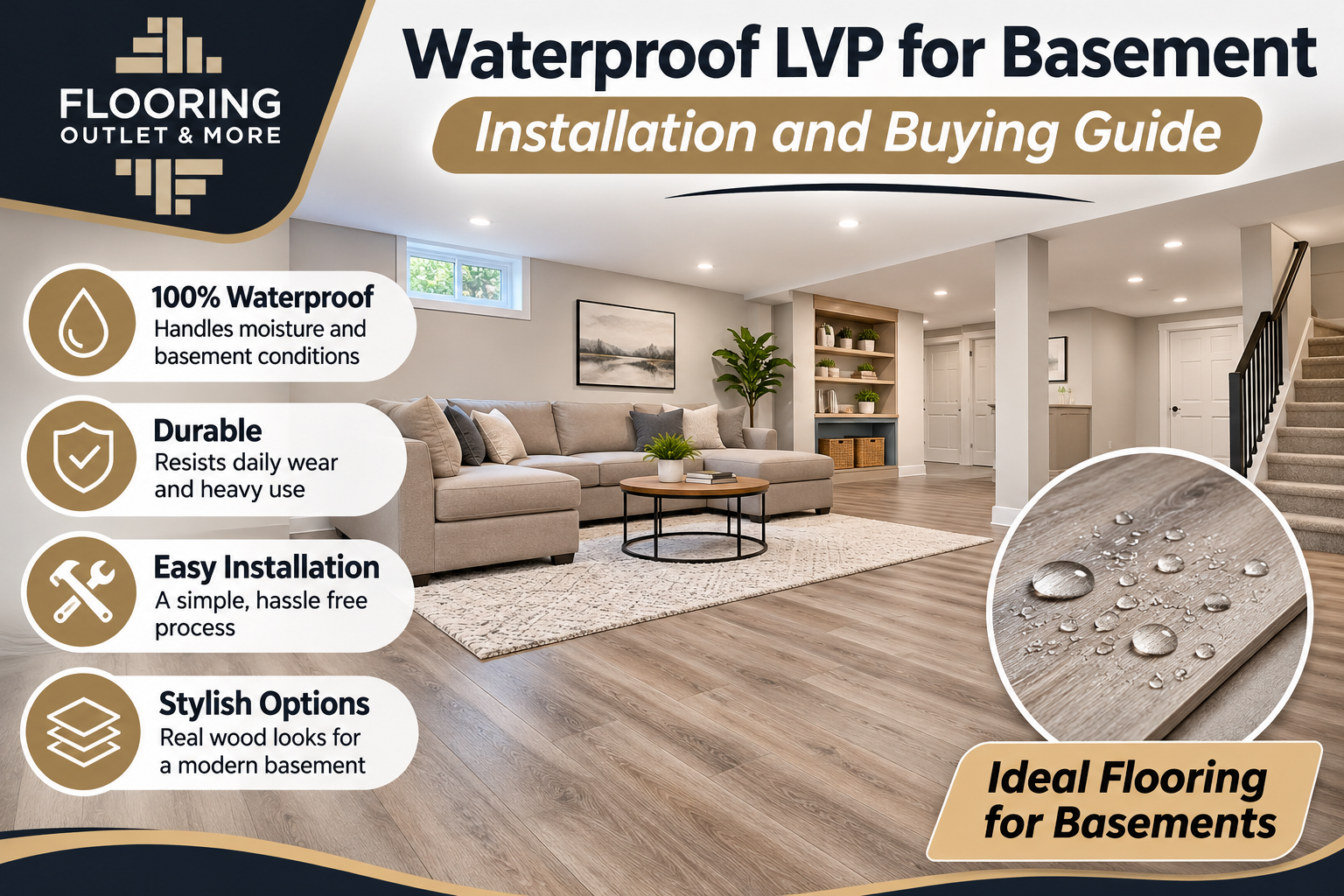
A basement can become anything you want, from a family room to a home gym to a guest suite, but only if the floor can handle the environment. Basements sit close to the ground, they often rest on concrete, and they can be humid in ways that upstairs rooms never are. That is why so many homeowners choose waterproof LVP for basement projects. Luxury vinyl plank resists surface water, feels comfortable underfoot, and can be installed without the mess of tile or the risks of real wood. Still, choosing a waterproof plank is only part of the job. Moisture testing, floor preparation, underlayment choices, and correct installation matter just as much. This guide takes you through each step so your finished floor stays flat, quiet, and clean for years.
Why Basements Are a Special Case
Basements deal with pressures that other rooms do not. Concrete slabs and foundation walls can release moisture vapor even when the surface looks dry. Groundwater, poor drainage, and humid summer air can raise moisture levels. Temperature swings can also cause condensation on cold surfaces.
Because of these factors, basement floors face a higher risk of mold, odor, and material failure. Solid hardwood is generally a poor choice below ground, and many laminates require extra caution. Waterproof vinyl planks are popular because the planks themselves do not absorb water and do not swell like wood based products. That said, the floor system beneath and around the plank still needs attention, which is what the rest of this article explains.
What Waterproof Really Means
The word waterproof on a box refers to the plank itself. A waterproof plank will not swell, warp, or rot when it gets wet. That is an excellent quality in a basement, but it does not mean water cannot travel through seams or that moisture cannot collect below the surface.
Water that gets under a floating floor can sit in the dark and cause odor or mold on the subfloor. That is why a waterproof plank does not replace good moisture management. If you want a fuller explanation of the terms, this article on why waterproof vinyl plank flooring matters breaks it down, and this guide on why waterproof flooring is a must have for homes near water shows how the same idea applies to damp environments.
Understand the Core Types
Not all luxury vinyl plank is built the same way. Two common constructions are flexible vinyl and rigid core planks. Rigid core planks include stone plastic composite, often shortened to SPC, and wood plastic composite, often shortened to WPC.
SPC flooring has a dense, stone based core that is very stable and resists dents and temperature changes. WPC has a softer, more cushioned core that feels warmer underfoot. Flexible vinyl is thinner and can follow subfloor shapes more closely, which makes flatness important. In basements with slight slab imperfections, a rigid core often hides small flaws better. Ask about the core type and compare the sample in your hands.
Wear Layer and Thickness
A thick wear layer protects against scuffs and scratches, which matters if the basement will be a play area, a gym, or a home office. Overall plank thickness affects how the floor feels and how well it bridges minor subfloor differences, but very thick planks are not automatically better.
For a deeper look at how the numbers translate into real performance, read this guide to vinyl plank thickness and wear layer durability. Also confirm whether the plank has a pad attached, since adding underlayment on top of an attached pad is usually not allowed.
Test the Slab Before You Buy
Moisture testing is the step many people skip and later regret. Manufacturers often require testing before installation, and warranties may depend on it. Professional testing methods measure moisture vapor emission or relative humidity inside the concrete. A simple plastic sheet test, where you tape plastic to the floor and check for condensation after a day or two, can be a rough warning sign but is not a substitute for proper testing.
If readings are high, fix the source before installing anything. That may mean improving drainage, sealing cracks, adding a dehumidifier, or applying a moisture mitigation product. Flooring installed over a wet slab can fail regardless of how waterproof the planks are. For more background, this piece on the best flooring for a basement remodel covers decision points that apply to nearly every below grade project.
Choose the Right Moisture Barrier
A moisture barrier slows vapor moving up from the slab. Some vinyl plank products call for a separate plastic sheet, while others use underlayment with an attached vapor film. The right choice depends on the plank and the manufacturer. Always follow the written instructions, and never assume one product fits all.
A moisture barrier only works when it is installed correctly. Overlap seams as directed, tape them, and run the film slightly up the wall so vapor cannot sneak around the edges. Gaps and tears defeat the purpose. For plank specific guidance, review this article on the best underlayment for LVP and this walkthrough on installing LVP over concrete.
Prepare the Floor Surface
Vinyl plank shows what is underneath, so preparation matters. Clean the slab thoroughly, scrape away paint drips and adhesive, and fill cracks and low spots with a suitable patching compound. Grind down high spots. Many manufacturers specify flatness limits, often measured over a certain span with a straightedge, so check the instructions.
Remove baseboards if possible and undercut door jambs so planks slide neatly beneath. Bring the planks into the basement early so they can adjust to the room temperature. A little time spent here prevents joint problems, clicking, and visible ridges later.
Installation Steps in Plain Language
Most waterproof vinyl plank floats over the subfloor with a click lock system. Start by planning the layout so the last row is not a thin sliver. Leave the expansion gap the manufacturer requires at every wall and fixed object. Stagger the end seams so they do not line up, and use a tapping block gently to close joints without damaging the edges.
Trim around pipes and heating vents carefully, and finish with baseboards or quarter round to cover the gap. If the basement has a floor drain, sump area, or utility zone, think about how you will handle those transitions. When you want expert help, Flooring Outlet and More offers professional flooring installation from licensed contractors, and you can pick up supplies from its installation materials selection.
Comfort, Warmth, and Sound
Basements tend to feel cool, and vinyl planks can feel chilly on bare feet. A cork or foam underlayment approved for your plank adds comfort and warmth. Area rugs also help in seating areas.
Sound matters too, especially if the basement sits below living spaces. Denser underlayments can reduce noise from footsteps and activity. Because installation rules differ by product, confirm that any underlayment is approved for your specific plank and thickness before buying.
How Vinyl Compares With Laminate Below Ground
Many homeowners compare vinyl and laminate for basements, and both have merits. Vinyl plank is waterproof by nature, while laminate relies on a fiberboard core that can swell if water gets in. For a side by side look, see this comparison of laminate versus vinyl flooring for a basement. In most below grade rooms where moisture is a known concern, vinyl plank gives extra peace of mind.
Cleaning and Long Term Care
Waterproof vinyl is easy to keep clean. Sweep or vacuum regularly, mop with a damp mop and a cleaner recommended by the manufacturer, and wipe spills promptly. Avoid abrasive cleaners, wax, and steam mops unless the manufacturer allows them. Use felt pads under furniture, and lift heavy items instead of dragging them.
Keep humidity in check with a dehumidifier during damp months, and watch for musty smells, which can signal moisture below the floor. Follow the maintenance advice in this guide on maintaining luxury vinyl plank flooring, and read up on preventing water damage on your floors so you can act early if a leak occurs.
Basement Flooring Checklist
Use this list to stay on track.
-
Have I tested the slab for moisture and fixed any source of water?
-
Does the plank have a pad attached, or does it need underlayment?
-
What moisture barrier does the manufacturer require?
-
Is the surface flat, clean, and free of cracks and high spots?
-
Is the plank thickness and wear layer suited to how I will use the room?
-
Have I planned the layout, expansion gaps, and transitions?
-
Do I have a plan for humidity control in the basement?
Careful basement flooring planning also means budgeting for prep work. Patching, testing, and moisture control can add cost, but they protect the entire investment.
Final Thoughts
Choosing waterproof LVP for basement spaces gives you a comfortable, durable, and low maintenance floor, provided you respect the conditions below ground. Test the slab, pick the right core and wear layer, use a proper moisture barrier, prepare the surface, and install with the manufacturer's rules in mind. Keep humidity under control and clean up water quickly. If you would like guidance on products and installation, contact Flooring Outlet and More for a free consultation and help with measuring your space.
Frequently Asked Questions
Q: Is luxury vinyl plank safe for basements?
A: Yes, waterproof vinyl plank is a popular basement choice because the planks resist water damage. You still need to test the slab, control humidity, and follow the manufacturer's rules for moisture barriers and installation.
Q: Do I need a vapor barrier under LVP in a basement?
A: Often yes, especially over concrete. Some planks need a separate barrier and others use underlayment with an attached film. Follow the manufacturer's written instructions and seal seams carefully to keep vapor from bypassing the barrier.
Q: What is the difference between SPC and WPC vinyl?
A: SPC has a dense stone based core that resists dents and temperature change. WPC has a softer, more cushioned core that feels warmer underfoot. Both can be waterproof, so compare feel, thickness, and warranty terms.
Q: Can I install vinyl plank over a slightly uneven basement slab?
A: Only within the manufacturer's flatness limits. Rigid core planks hide minor flaws better than thin flexible vinyl, but larger dips and humps should be leveled first to protect the click joints and prevent gaps.
Q: How do I know if my basement has a moisture problem?
A: Watch for musty odors, damp spots, white powdery deposits, or condensation on the slab. Professional moisture testing gives the most reliable answer, and it helps you fix problems before installing a new floor.

 English
 Arabic
 French
 Spanish
 Portuguese
 Deutsch
 Turkish
 Dutch
 Italiano
 Russian
 Portuguese (Brazil)
 Greek