
Bathroom Renovation Contractors: How to Choose the Right Professionals for Your Home
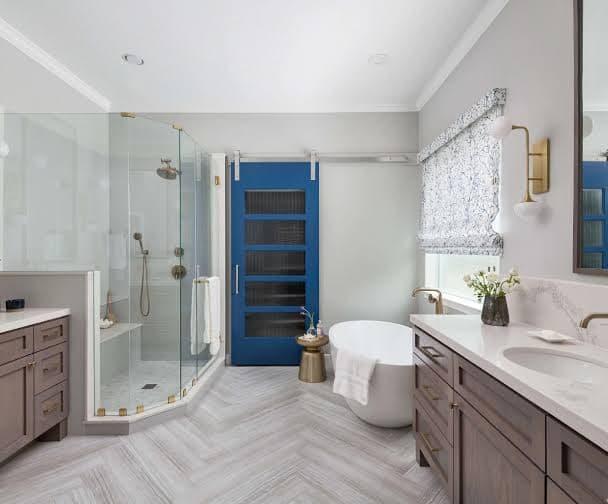
A bathroom is one of the most important spaces in any home. It is used every day, so its design, functionality, comfort and condition can significantly influence everyday living. However, over time, bathrooms can develop problems such as leaking pipes, damaged tiles, poor ventilation, outdated fixtures and deteriorating flooring. Even when a bathroom remains functional, an old-fashioned layout or limited storage can make the space less practical. A carefully planned renovation can address these issues while creating a more attractive, comfortable and efficient environment.
Choosing experienced bathroom renovation contractors is an important step towards achieving successful results. Professional contractors can help homeowners plan improvements, select suitable materials, coordinate different trades and manage the installation process. From replacing an old bathtub to completely redesigning the room, professional guidance can make a significant difference to the quality and durability of the finished space.
D Mak Building And Renovation LTD understands the importance of careful planning, reliable workmanship and practical renovation solutions. Whether homeowners want a contemporary bathroom, improved accessibility or a complete transformation, understanding the renovation process helps them make informed decisions and achieve results that suit their property and budget.
Why Is Professional Bathroom Renovation Important?
Bathroom renovation involves more than changing the appearance of a room. It often requires plumbing, electrical work, waterproofing, tiling, ventilation improvements and structural considerations. These elements must work together to create a safe and functional environment.
Professional renovation services help ensure that different aspects of the project are properly coordinated. Instead of dealing with several tradespeople independently, homeowners can benefit from an organised approach that considers the entire space.
Improving Everyday Functionality
An outdated bathroom may have an inconvenient layout, insufficient storage or poorly positioned fixtures. Renovation provides an opportunity to improve how the room is used.
For example, replacing a bulky bathtub with a walk-in shower may create additional floor space. Similarly, installing a wall-mounted vanity can make a smaller bathroom feel more open while providing useful storage.
Addressing Existing Problems
Bathrooms experience regular exposure to moisture, temperature changes and daily wear. Consequently, problems can develop beneath visible surfaces.
Common issues include:
·
Leaking taps and plumbing connections.
·
·
Cracked or loose floor and wall tiles.
·
·
Damaged grout and deteriorating sealant.
·
·
Poor drainage and water pooling.
·
·
Inadequate ventilation.
·
·
Damp patches and water damage.
·
·
Outdated electrical fittings.
·
Addressing these problems during renovation can help prevent more extensive repairs in the future.
Increasing Property Appeal
A modern, well-maintained bathroom can improve the overall presentation of a property. Buyers and tenants often consider bathroom condition when assessing a home, making practical upgrades a worthwhile consideration.
Although renovation does not guarantee a particular increase in property value, attractive fixtures, durable materials and thoughtful layouts can make a property more appealing.
What Services Do Bathroom Renovation Professionals Provide?
The scope of a bathroom renovation depends on the property's condition, the homeowner's requirements and the available budget. Some projects involve straightforward cosmetic improvements, while others require extensive alterations.
Experienced bathroom renovation contractors can help coordinate the different stages of a project, ensuring that essential work is completed in an appropriate order.
Complete Bathroom Renovations
A complete renovation involves transforming most or all of the existing bathroom. This may include removing old fixtures, replacing flooring, updating plumbing, installing new sanitaryware and redesigning the overall layout.
A typical full renovation may involve:
·
Removing existing bathroom fittings.
·
·
Preparing walls and floors.
·
·
Updating plumbing connections.
·
·
Installing waterproofing systems.
·
·
Fitting new baths, showers and toilets.
·
·
Installing wall and floor tiles.
·
·
Updating lighting and electrical fittings.
·
·
Adding cabinets, mirrors and accessories.
·
The objective is to create a cohesive space that combines visual appeal with everyday practicality.
Shower and Bathtub Installation
The shower or bathtub is often a central feature of a bathroom. Replacing an old unit can improve comfort, appearance and accessibility.
Popular options include walk-in showers, enclosed shower units, rainfall showerheads, freestanding bathtubs and combined bath-and-shower arrangements.
Before selecting a design, homeowners should consider available space, water pressure, plumbing requirements and the needs of everyone using the bathroom.
Bathroom Tiling and Flooring
Flooring and wall finishes influence both the appearance and performance of a bathroom. Suitable materials must withstand moisture, regular cleaning and everyday use.
Popular choices include:
·
Porcelain tiles for durability and low water absorption.
·
·
Ceramic tiles for versatile designs and affordability.
·
·
Natural stone for distinctive finishes.
·
·
Textured tiles for improved underfoot grip.
·
·
Waterproof flooring systems for suitable applications.
·
Correct surface preparation and installation are essential. In particular, wet areas require appropriate waterproofing behind finished surfaces rather than relying on tiles and grout alone.
Plumbing and Electrical Improvements
Renovation may reveal outdated pipes, inefficient drainage arrangements or electrical fittings that require attention.
Plumbing improvements can include replacing damaged pipes, relocating water connections, installing modern taps and improving drainage.
Electrical work may involve installing suitable lighting, extractor fans, heated towel rails and other bathroom appliances. Electrical installations must comply with applicable safety regulations, particularly in areas exposed to water.
How to Choose the Right Renovation Company
Selecting the right professionals can influence the entire renovation experience. Homeowners should look beyond the lowest quotation and assess the contractor's experience, communication, workmanship and approach to project management.
When comparing bathroom renovation contractors, consider the following factors.
Check Experience and Previous Projects
Experience provides useful insight into a contractor's ability to manage different renovation requirements.
Ask to see examples of previous bathroom projects, particularly those involving layouts, materials or property types similar to your own.
Photographs can demonstrate design quality, but it is also worth asking about the work involved, challenges encountered and solutions implemented.
Review Qualifications and Insurance
Certain renovation activities require specific qualifications or competent professionals. For example, gas-related work must be completed by appropriately Gas Safe registered engineers, while electrical work should be undertaken by suitably qualified electricians.
Homeowners should also check whether the contractor has appropriate public liability insurance and whether relevant building regulations or approvals apply.
Request a Detailed Written Quotation
A written quotation helps clarify the expected cost and scope of the project.
Ideally, it should identify:
·
Labour and installation costs.
·
·
Materials and product specifications.
·
·
Plumbing and electrical work.
·
·
Removal and disposal of old fittings.
·
·
Waterproofing and preparation.
·
·
Estimated project duration.
·
·
Payment arrangements.
·
·
Potential additional charges.
·
Comparing detailed quotations makes it easier to understand differences between contractors and avoid unexpected expenses.
Evaluate Communication and Professionalism
Good communication is essential throughout a renovation. Contractors should explain the work clearly, answer questions and provide updates when necessary.
They should also discuss potential delays, material availability and unexpected issues before making significant changes to the agreed project.
Bathroom Design Ideas for Modern Homes
Bathroom design continues to evolve as homeowners look for spaces that combine practicality, comfort and contemporary appearance. However, the most successful designs are not necessarily the most expensive. Careful material selection and an efficient layout can make a noticeable difference.
Minimalist Bathroom Designs
Minimalist bathrooms focus on simplicity, clean lines and uncluttered surfaces. Neutral colours, streamlined fixtures and practical storage help create a calm environment.
Wall-mounted vanities, concealed storage and frameless shower screens are popular features because they reduce visual clutter.
Walk-In Shower Designs
Walk-in showers can create a spacious and accessible appearance. They are particularly useful in bathrooms where homeowners want to replace traditional shower enclosures.
However, successful installation requires careful consideration of floor gradients, drainage capacity, waterproofing and shower-screen positioning.
Space-Saving Storage Solutions
Limited storage can make even a recently renovated bathroom feel disorganised.
Practical solutions include recessed shelving, mirrored cabinets, vanity drawers and tall storage units. These additions help keep toiletries and cleaning products organised without unnecessarily reducing usable floor space.
Energy and Water-Efficient Fixtures
Modern bathrooms can also support more efficient household resource consumption.
Water-saving showerheads, dual-flush toilets and appropriately selected taps can reduce water usage. LED lighting and efficient ventilation systems can also contribute to better energy management.
Understanding the Bathroom Renovation Process
Knowing what happens during a renovation helps homeowners prepare for the work and understand why certain stages cannot be skipped.
Step 1: Initial Assessment and Planning
The process usually begins with an assessment of the existing bathroom. Measurements are taken, existing problems are identified and the homeowner's requirements are discussed.
The contractor can then help establish a suitable layout, recommend materials and identify any technical considerations.
Step 2: Budgeting and Material Selection
Once the design is agreed, the next step is to establish a realistic budget.
Homeowners should consider the cost of fixtures, tiles, labour, plumbing, electrical installations and waste removal. It is also sensible to reserve contingency funds for unforeseen problems, particularly in older properties.
Materials should be selected according to durability, maintenance requirements and suitability for wet environments.
Step 3: Removal and Preparation
Existing fittings, damaged flooring and unwanted finishes are removed. The underlying walls and floors are then inspected.
If hidden water damage, mould or deteriorating pipework is discovered, these problems should be addressed before new finishes are installed.
Step 4: Plumbing, Electrical and Waterproofing
This stage involves completing essential technical work before decorative finishes are fitted.
Pipes, drainage, wiring and ventilation are installed or upgraded as required. Wet areas are then prepared and waterproofed using suitable systems.
Correct preparation is especially important because problems hidden behind finished surfaces can be expensive to repair later.
Step 5: Installation and Finishing
New fixtures, tiles, flooring, lighting and storage units are installed according to the agreed design.
Once the main work is complete, joints are sealed, surfaces are finished and fittings are checked for proper operation.
Step 6: Final Inspection
The final inspection should confirm that the bathroom is functional, safe and finished to the agreed specification.
Water connections, drainage, taps, showers, electrical fittings and ventilation should all be checked. Any outstanding defects should be identified and resolved before the project is considered complete.
How Much Does a Bathroom Renovation Cost?
Bathroom renovation costs vary depending on the size of the room, existing condition, material choices and complexity of the work.
A simple cosmetic update will generally require less investment than a complete renovation involving plumbing relocation, structural alterations or premium fixtures.
Several factors influence the final price:
Bathroom size: Larger spaces generally require more flooring, tiles and installation work.
Material quality: Premium tiles, natural stone, designer taps and specialist fixtures can increase material costs.
Plumbing changes: Moving toilets, showers and basins may require additional pipework and labour.
Electrical requirements: New lighting, ventilation and electrical installations can affect the budget.
Existing damage: Hidden leaks, dampness, mould and damaged subfloors may require additional repairs.
Design complexity: Bespoke fittings, unusual layouts and specialist finishes can increase installation time.
Homeowners should prioritise essential repairs and durable materials before spending on decorative features. This approach helps maintain a balance between appearance, functionality and long-term value.
Common Bathroom Renovation Mistakes to Avoid
Even a well-planned renovation can encounter difficulties if important details are overlooked. Understanding common mistakes can help homeowners make better decisions.
Ignoring Waterproofing
Waterproofing is one of the most important parts of bathroom construction. Inadequate protection can allow moisture to penetrate floors and walls, potentially causing mould, deterioration and expensive structural repairs.
Appropriate waterproofing systems should be installed in accordance with manufacturer guidance and relevant building requirements.
Choosing Materials Based Only on Appearance
Attractive materials are important, but they must also be suitable for bathroom conditions.
For instance, highly polished flooring may become slippery when wet. Similarly, materials that require extensive maintenance may not be suitable for busy households.
Overlooking Ventilation
Poor ventilation allows moisture to accumulate, increasing the likelihood of condensation and mould growth.
An appropriately sized extractor fan, suitable ventilation arrangements and regular maintenance can help control humidity.
Failing to Plan Storage
A bathroom without sufficient storage can quickly become cluttered.
Homeowners should consider daily requirements before finalising the layout. Built-in shelving, vanity cabinets and mirrored storage can improve organisation without compromising the design.
Selecting Contractors Without Proper Research
Choosing a contractor based entirely on price can lead to problems involving workmanship, incomplete installations or unclear responsibilities.
Taking time to compare experience, references, insurance and written quotations can help reduce these risks.
Why Professional Planning Makes a Difference
A successful bathroom renovation requires several different elements to work together. Plumbing, electrical installations, waterproofing, ventilation and finishing must all be considered as part of one coordinated project.
D Mak Building And Renovation LTD recognises the importance of practical planning and attention to detail when approaching property improvement work. Homeowners should look for a renovation provider that takes time to understand their requirements, explains available solutions and maintains clear communication throughout the project.
Equally, professional planning helps identify potential complications before installation begins. This can make budgeting more predictable and reduce unnecessary disruption during construction.
Frequently Asked Questions
How long does a bathroom renovation usually take?
A straightforward renovation may take approximately one to two weeks, while more extensive projects can take several weeks. The actual duration depends on the size of the bathroom, availability of materials, plumbing changes and unexpected repairs.
Do I need permission to renovate my bathroom?
Many internal bathroom improvements do not require planning permission. However, building regulations may apply to certain structural, electrical, ventilation, drainage and plumbing alterations. Requirements depend on the work and property circumstances, so homeowners should check with the relevant local authority or a qualified professional.
What should I prioritise when renovating a bathroom?
Prioritise plumbing condition, drainage, waterproofing, ventilation and electrical safety. Once these essential elements are addressed, consider fixtures, flooring, lighting, storage and decorative finishes.
Is it better to renovate the entire bathroom or make smaller improvements?
The best option depends on the bathroom's condition and the homeowner's objectives. Smaller improvements may be sufficient when the existing layout and infrastructure are in good condition. However, a complete renovation may be more practical when multiple components require replacement.
How can I make a small bathroom look bigger?
Use light colours, large mirrors, well-planned lighting and space-saving fixtures. Wall-mounted vanities, frameless shower screens and recessed shelving can also help maximise usable space.
Conclusion
A well-designed bathroom can improve everyday comfort, functionality and the overall appearance of a home. However, achieving a durable result requires more than selecting attractive fixtures and finishes. Proper planning, suitable materials, reliable installations and attention to essential details all contribute to a successful renovation.
Choosing experienced bathroom renovation contractors allows homeowners to approach the project with greater confidence. By checking previous work, reviewing qualifications, comparing detailed quotations and discussing expectations clearly, homeowners can make informed decisions and avoid common renovation problems.
Whether the goal is to modernise an outdated bathroom, improve accessibility, resolve existing damage or create a completely new layout, professional guidance can help turn ideas into practical results. D Mak Building And Renovation LTD encourages homeowners to focus on quality workmanship, thoughtful design and long-term performance when planning their next bathroom improvement project.

 English
 Arabic
 Spanish
 Portuguese
 Deutsch
 Turkish
 Dutch
 Italiano
 Russian
 Romaian
 Portuguese (Brazil)
 Greek