
Private Personal Trainer Manchester: Your Guide to Personalised Fitness and Lasting Results
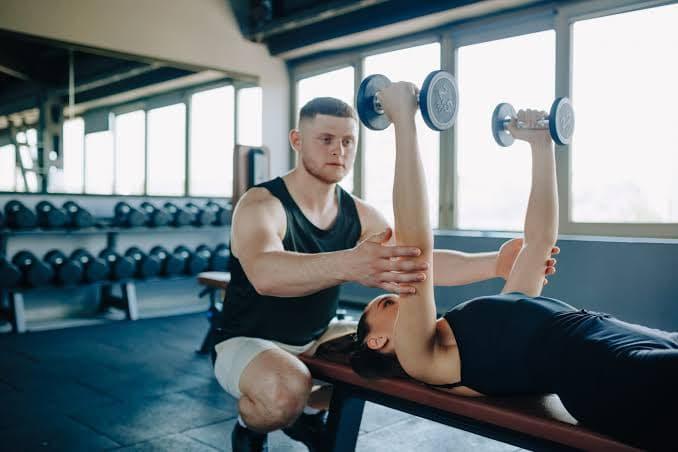
Achieving your fitness goals requires more than simply following a workout routine. Whether you want to lose weight, build muscle, improve strength, increase endurance or develop a healthier lifestyle, having the right guidance can make a significant difference. A structured fitness programme, professional supervision and consistent motivation can help you make progress safely and effectively. This is why working with a Private Personal Trainer Manchester can be a valuable option for individuals who want a more personalised approach to exercise.
Unlike general gym workouts, private personal training focuses on your individual needs, physical abilities, lifestyle and long-term objectives. Instead of following a programme designed for everyone, you receive guidance that considers your current fitness level and the results you want to achieve. Furthermore, one-to-one support can help you understand exercise techniques, maintain consistency and overcome challenges that might otherwise affect your progress.
Manchester offers a wide range of fitness opportunities, from traditional gyms to specialist training facilities. However, choosing a suitable personal trainer is important if you want a programme that fits your routine and delivers measurable improvements. Understanding how private training works, what benefits it provides and what to look for in a professional trainer can help you make an informed decision.
What Is Private Personal Training?
Private personal training is an individual fitness service in which a qualified trainer works directly with one client or provides a specifically agreed training arrangement. Sessions are structured around personal goals rather than a standard group exercise programme.
A private trainer typically begins by discussing your objectives, previous exercise experience, current activity levels and any relevant physical limitations. This information helps establish a suitable starting point and develop an exercise programme that can be adjusted as your fitness improves.
Individual Fitness Assessments
An initial fitness assessment helps establish your current capabilities. Depending on your goals and circumstances, this may include:
·
General fitness and activity assessments.
·
·
Strength and muscular endurance checks.
·
·
Mobility and flexibility assessments.
·
·
Cardiovascular fitness measurements.
·
·
Discussions about exercise experience and lifestyle.
·
·
Identification of suitable training objectives.
·
These assessments provide useful information for planning your programme. They also establish a baseline against which future improvements can be evaluated.
Personalised Exercise Programmes
A personalised programme considers your fitness level, available training time and desired outcomes. For example, someone preparing for a sporting event may require endurance and performance training, whereas someone returning to exercise after a long break may benefit from gradual strength and mobility development.
The programme should also evolve over time. As your technique, confidence and physical capacity improve, your trainer can introduce appropriate adjustments to maintain progress.
Benefits of Choosing a Private Personal Trainer in Manchester
Private training offers several advantages for people who prefer individual attention and structured fitness support. Although results depend on consistency, effort and other lifestyle factors, professional guidance can make the training process more organised and manageable.
1. Personalised Attention and Guidance
One of the main advantages of private training is the opportunity to receive individual attention throughout each session. Your trainer can observe your movements, provide feedback and make adjustments when necessary.
This is particularly useful for beginners who may feel uncertain about using gym equipment or performing unfamiliar exercises. Rather than trying to understand everything independently, you can learn the correct techniques with professional supervision.
2. Improved Exercise Technique
Correct exercise technique is essential for effective and responsible training. Poor movement patterns can place unnecessary stress on joints and muscles, potentially increasing the risk of injury.
A trainer can demonstrate appropriate movements, explain positioning and help you understand how to perform exercises correctly. For example, strength exercises such as squats, lunges, deadlifts and presses require attention to posture, control and movement.
Over time, improved technique can increase confidence and help you train more effectively.
3. Greater Motivation and Accountability
Maintaining motivation is one of the biggest challenges associated with fitness. Work commitments, family responsibilities and busy schedules can make it difficult to exercise regularly.
Having scheduled sessions creates a greater sense of accountability. Knowing that a training session is planned can encourage you to remain consistent, even when motivation is low.
Additionally, a trainer can help you recognise improvements that might otherwise go unnoticed, such as increased strength, better exercise control or improved stamina.
4. Flexible Training Options
Private training can offer greater flexibility than fixed group exercise classes. Depending on the facility and trainer, sessions may be arranged around different working hours and personal commitments.
This can be especially beneficial for professionals, parents and individuals with changing schedules.
5. Training That Develops With Your Abilities
Fitness is not a fixed destination. Your requirements can change as you become stronger, improve your cardiovascular fitness or develop new interests.
A suitable trainer regularly reviews your performance and adjusts your programme accordingly. This helps maintain an appropriate level of challenge without progressing too quickly.
Fitness Goals You Can Work Towards With Private Training
A professional training programme can support several different fitness objectives. The exercises, intensity and frequency will depend on your individual circumstances.
Weight Management and Fat Loss
Weight management involves balancing physical activity, nutrition and overall lifestyle habits. A personal trainer can develop a suitable exercise routine that combines cardiovascular activities, resistance training and progressive improvements in fitness.
Activities may include:
·
Walking and treadmill workouts.
·
·
Cycling and rowing.
·
·
Resistance exercises.
·
·
Circuit-based training.
·
·
Functional movement exercises.
·
However, sustainable weight management requires realistic expectations. Individual results vary, and exercise should be combined with balanced nutrition, sufficient sleep and consistent daily habits.
Muscle Building and Strength Development
Building muscle requires progressive resistance training, appropriate recovery and adequate nutrition. A structured programme can introduce exercises that target different muscle groups while allowing sufficient time for recovery.
Common exercises include squats, chest presses, rows, shoulder presses and controlled resistance movements.
A trainer can help you understand progressive overload, which involves gradually increasing training demands as your body adapts. This may involve adjusting resistance, repetitions, sets or exercise difficulty.
Improving Cardiovascular Fitness
Cardiovascular fitness supports heart and lung function and helps improve your ability to perform everyday physical activities.
A programme may incorporate walking, cycling, rowing, running or interval-based exercise. The intensity should be appropriate for your current fitness level and gradually adjusted as your endurance improves.
Flexibility, Mobility and Functional Fitness
Strength is only one aspect of physical fitness. Mobility, flexibility, coordination and balance also contribute to overall movement quality.
Functional exercises can help develop the physical abilities needed for everyday activities, such as lifting objects, climbing stairs, carrying shopping and maintaining balance.
Mobility exercises and suitable stretching routines may also support comfortable movement and exercise preparation.
How to Choose the Right Private Personal Trainer Manchester
Choosing a trainer requires more consideration than simply comparing prices or selecting the nearest gym. The quality of instruction, communication and programme design can all influence your experience.
Check Qualifications and Professional Experience
Before committing to a training programme, ask about the trainer's relevant qualifications, professional experience and areas of specialisation.
Look for recognised personal training credentials and appropriate professional insurance. If you have particular requirements, such as sports conditioning or returning to exercise after an injury, check whether the trainer has suitable additional experience.
A responsible professional should also understand the boundaries of their role and recommend medical advice when an issue falls outside their expertise.
Understand Their Training Approach
Every individual responds differently to exercise. Therefore, a good trainer should take time to understand your goals before recommending a programme.
Ask whether they provide initial assessments, regular progress reviews and adjustments to exercise routines. You should also feel comfortable discussing your concerns and asking questions.
Consider Location and Training Facilities
Convenience can have a significant influence on consistency. Consider whether the training facility is accessible from your home, workplace or regular travel route.
Also, check whether the available equipment supports your objectives. A facility focused on strength training may offer different resources from one specialising in cardiovascular fitness or functional movement.
Compare Session Prices and Packages
Private training costs can vary depending on the trainer's qualifications, experience, location, session duration and facility.
Before booking, establish what the price includes. Ask about individual sessions, package options, cancellation arrangements and any additional membership or facility charges.
The cheapest option is not necessarily the most suitable. Instead, consider the overall quality of instruction, convenience and value.
What Happens During a Private Personal Training Session?
Understanding the structure of a typical session can help you feel more confident before starting.
Warm-Up and Preparation
Most sessions begin with a warm-up designed to prepare the body for exercise. This may include light cardiovascular activity, mobility movements and dynamic exercises.
The warm-up should reflect the main activities planned for the session.
Main Training Activities
The main section focuses on your programme objectives. Depending on your needs, this could involve strength exercises, resistance training, cardiovascular work or functional movements.
Your trainer should explain each exercise, demonstrate appropriate technique and monitor your performance.
Cool-Down and Recovery
A cool-down may involve gradually reducing exercise intensity and completing suitable mobility or stretching activities.
Recovery is also important between sessions. Your trainer can discuss rest periods and ways to manage training demands according to your fitness level.
Why Consistency Matters More Than Quick Results
Many people begin exercising with the expectation of seeing immediate physical changes. However, meaningful fitness improvements generally develop through consistent effort over time.
A realistic training programme should prioritise sustainable habits rather than extreme exercise routines.
For example, someone new to strength training may initially focus on learning movement patterns and developing a regular exercise schedule. As confidence and physical capacity improve, the programme can become more challenging.
Progress should also be measured in different ways. Improvements may include:
·
Completing more repetitions with good technique.
·
·
Increasing resistance gradually.
·
·
Improving cardiovascular endurance.
·
·
Developing better movement control.
·
·
Feeling more confident during exercise.
·
·
Maintaining a consistent training routine.
·
These achievements can provide valuable evidence of progress, even when changes in body weight or appearance are not immediately noticeable.
The Importance of Nutrition and Recovery
Exercise is an important part of a healthy lifestyle, but it is not the only factor that influences fitness outcomes. Nutrition, hydration, sleep and recovery also play important roles.
Balanced Nutrition
A balanced diet provides energy and nutrients needed to support physical activity. Protein supports muscle maintenance and repair, carbohydrates provide an important energy source, and healthy fats contribute to normal body functions.
Individual nutritional requirements vary according to activity levels, personal circumstances and health needs.
A personal trainer may provide general nutrition guidance within their qualifications. However, specialised dietary advice should come from an appropriately qualified nutrition professional or registered dietitian.
Rest and Sleep
Muscles and other body systems need sufficient recovery between demanding workouts. Regular sleep and appropriate rest periods can help support training adaptation and overall wellbeing.
Training too frequently without adequate recovery may lead to excessive fatigue and reduced performance.
Hydration
Maintaining hydration is important before, during and after exercise. Fluid requirements depend on factors such as exercise intensity, duration, temperature and individual needs.
Developing sensible hydration habits can make exercise sessions more comfortable and support general physical performance.
Private Training for Beginners and Experienced Gym Members
Private personal training is not limited to one particular fitness level. Both beginners and experienced gym members can benefit from structured guidance.
Support for Beginners
Starting a fitness journey can feel challenging, particularly if you have limited experience with gym equipment or exercise techniques.
A trainer can introduce basic movements, explain how equipment works and help you develop a manageable routine. Gradual progression can also make exercise feel less intimidating.
Development for Experienced Individuals
People with established fitness routines may seek professional support to overcome training plateaus, improve performance or prepare for specific activities.
An experienced trainer can review existing programmes, identify areas for improvement and introduce suitable variations.
In both cases, training should reflect individual abilities rather than relying on unrealistic expectations or comparisons with others.
How Frontline Fit Performance Centre Supports Personal Fitness Development
Finding a suitable training environment is an important part of establishing a consistent exercise routine. Frontline Fit Performance Centre provides a fitness-focused setting for individuals interested in developing their physical abilities and working towards personal training objectives.
When considering a Private Personal Trainer Manchester, it is worth looking for an approach that prioritises individual goals, structured exercise and responsible progression.
A suitable training experience should begin with understanding what you want to achieve. Whether your objective involves improving strength, developing endurance, managing weight or becoming more confident in the gym, your programme should be planned around your circumstances.
At Frontline Fit Performance Centre, prospective clients can enquire about available training options, session arrangements and the support provided. Before starting, discuss your goals, relevant exercise experience and expectations to establish whether the available services are appropriate.
The most effective training environment is one where you feel comfortable asking questions, receiving guidance and building healthy exercise habits.
Frequently Asked Questions About Private Personal Training
Is private personal training suitable for beginners?
Yes. Private training can be particularly helpful for beginners because it provides individual guidance, exercise demonstrations and support with developing correct movement techniques.
How often should I book personal training sessions?
The ideal frequency depends on your fitness level, objectives, schedule and recovery needs. Some people benefit from one or two supervised sessions weekly, while others may require a different arrangement. Your programme should allow sufficient recovery between demanding workouts.
How long does it take to see fitness improvements?
This varies between individuals. Improvements in exercise confidence, technique and stamina may develop before noticeable physical changes. Consistent training, appropriate recovery and realistic goals are important for long-term progress.
Can private training help with weight loss?
Yes. A suitable exercise programme can support weight management by increasing physical activity and developing strength and cardiovascular fitness. However, sustainable weight loss also involves nutrition, sleep and other lifestyle factors.
What should I bring to my first training session?
Generally, bring comfortable workout clothing, suitable trainers, a water bottle and a towel if required by the facility. It is also helpful to discuss your fitness objectives and any relevant physical limitations beforehand.
Is private training better than group fitness classes?
Neither option is automatically better. Private training offers individual attention and personalised programming, whereas group classes can provide social interaction and a shared exercise environment. The right choice depends on your preferences, goals and budget.
Conclusion
Developing a healthier and stronger body requires commitment, appropriate guidance and a realistic approach to exercise. Private personal training can provide individual attention, structured programmes and professional feedback to help you work towards your fitness objectives.
Whether you are beginning your fitness journey, returning to exercise or looking to improve your existing performance, choosing the right trainer can make the process more organised and rewarding. Consider qualifications, training methods, accessibility, session costs and the quality of communication before making your decision.
Ultimately, working with a Private Personal Trainer Manchester can help you build confidence, improve exercise technique and establish sustainable fitness habits. Contact Frontline Fit Performance Centre to discuss your training objectives, explore suitable options and take an informed first step towards a more active lifestyle.

 English
 Arabic
 French
 Spanish
 Portuguese
 Deutsch
 Turkish
 Dutch
 Italiano
 Russian
 Portuguese (Brazil)
 Greek