
The Cost Benefits of Regular DOT Inspections for Fleet Operators
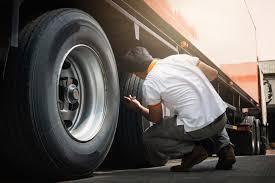
For most fleet operators, time off the road means money lost. Between fuel prices, maintenance schedules, and delivery deadlines, it’s easy to view inspections as just another chore. Here is the truth, though: improving the DOT inspections for fleet operators is not only a part of regular inspections, but it is one of the most intelligent economic choices that they can make. You may save a few hours by skipping them, but the cost of violations, breakdowns, or accidents in the long run is too huge to save a few hours.
Fleet veterans are aware of how narrow a margin can become. Every mile counts, every delay hurts, and every fine stings. Regular DOT inspections for fleet operators are what keep trucks reliable, drivers safe, and operations predictable. Let’s break down why staying proactive with inspections can actually save, not cost, your business money.
1. Avoiding Costly Fines and Downtime
The most obvious reason to stay on top of inspections is to dodge the fines. Fleet operators can be warned about problems with routine DOT check-ups before they turn into violations. That means, detection of worn-out brake pads, broken tires, or even faulty lighting before they lead to an inspection stop. Preventive repair is nearly always cheaper than the fine (and frustration) of an unexpected violation.
It’s better to spend $200 on a brake check rather than wasting $2,000 in fines.
2. Extending Truck Lifespan and Resale Value
Every truck in your fleet is a rolling investment. Routine checks not only ensure the compliance of those rigs but also keep them in better condition. An inspected and serviced truck will run smoothly, use less fuel, and will not experience wear-and-tear failures, which may reduce its lifespan.
Operators who consistently log clean DOT records often get higher resale value when upgrading their equipment. Why? Because buyers, especially dealers and secondhand fleet managers, look for a paper trail of care. A properly documented inspection history is an indication of dependability and minimizes the chances for the next owner.
Concisely, your maintenance record can be your sales pitch.
3. Lower Insurance Premiums
Insurance companies love predictability, and fleets with strong safety records get rewarded. Regular inspections directly reduce the number of roadside violations and accident risks, leading to better CSA (Compliance, Safety, Accountability) scores.
Those scores are a big deal. Many insurance providers use them to calculate risk profiles. Fewer violations mean lower risk, and that often translates to reduced premiums. If your fleet’s insurance renewal is coming up soon, having a clean DOT track record could save you thousands annually.
4. Protecting Drivers and Reputation
Your drivers are the backbone of your business. In case your truck fails to pass their inspection tests, it is not an ordinary repair problem, but it is a safety concern. Defective brakes, defective tires, or steering issues may endanger lives and expose your company to big liability.
A regular inspection routine builds confidence among your drivers. They know they’re driving safe, reliable equipment. It also shows your customers and partners that your operation runs tight, with no cutting corners. Trust is everything in the trucking industry, and such a reputation would distinguish your fleet in the midst of competitors.
Customers would like to use safe and on-time fleets. One roadside breakdown and it will break that trust, and a clean history of inspections will fortify it.
5. Improved Performance and fuel efficiency
Even minor problems, such as misaligned axles, low tire pressure, or faulty sensors, can silently impact your fuel economy. Those inefficiencies are detected with regular inspections before they begin to cost you some money.
The results of good maintenance can save fuel quickly over a year, particularly when dozens or hundreds of trucks are involved in a fleet.
6. Staying Ahead of DOT Audits and Compliance Reviews
DOT compliance is no joke. Random inspections, safety rating check-ups, and roadside inspections can strike at any moment. When your records are not aligned, even small problems may escalate into huge fines or even temporary closures.
The only way to be ready is to remain consistent with inspections and maintain clean and organized records. Auditors and inspectors will also have a better opinion of fleets with transparent logs, and that will allow you to go through the review with very little stress.
7. Reducing Emergency Repair Costs
It has happened to us all when a truck malfunctions on its way halfway through a haul, and you have no choice but to call an emergency repair service. That repair is not only more expensive, but it burns your delivery schedule and customer relationships, as well.
The frequent checkups are your guarantee against these expensive surprises. The majority of the breakdowns are caused by minor problems that have been neglected too long: low oil, weak batteries, frayed belts. Dealing with these when there are scheduled DOT checks will result in fewer middle-of-the-night calls and lost loads.
8. Building a Culture of Accountability
When inspections are made a regular part of doing business, they not only ensure that the trucks comply, but they also create a standard within your organization. Drivers are better informed about the state of trucks, managers are more informed about the maintenance logs, and mechanics begin to notice problems before they develop.
This culture of responsibility is good in terms of all fleet operations, including safety, scheduling, and customer satisfaction. It is the distinction between being reactive and proactive.
The Bottom Line
You may save a few hours by not doing inspections, but in the long run, it is costlier, in terms of fines, repairs, downtime, and lost opportunities. Routine DOT inspections for fleet operators are not just about compliance, but also about cost control and ensuring your business is not struck by something that could have been avoided.
You may have only five or fifty trucks, but inspections should be a part of your business that is non-negotiable. It is one of the simplest means to be in compliance, to save money, and ensure your fleet is moving smoothly.
At the end of the day, uptime equals income, and DOT inspections for fleet operators help you protect both.

 English
 French
 Spanish
 Portuguese
 Deutsch
 Turkish
 Dutch
 Italiano
 Russian
 Romaian
 Portuguese (Brazil)
 Greek