
What Are the Most Common Causes of Roof Leaks?
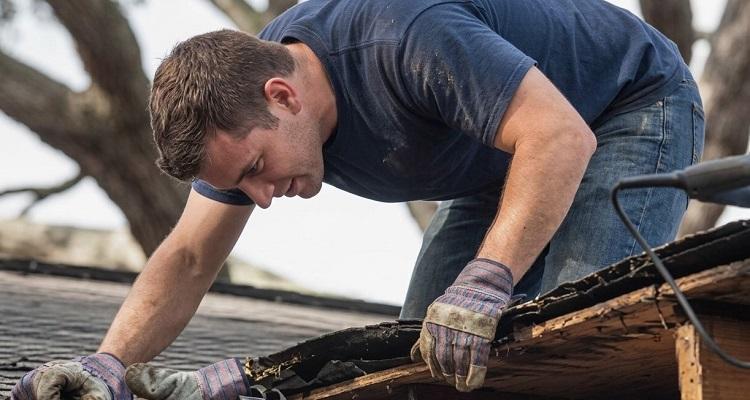
A roof leak can begin with a small opening that is difficult to notice from the ground. Water may enter through damaged roofing materials, weak joints, worn flashing, or areas where different parts of the roof meet. Once water gets beneath the outer roofing layer, it can travel before reaching the ceiling or wall inside.
Knowing what can cause a roof leak makes it easier to understand why certain areas need attention. The source is not always directly above the place where water appears indoors. A small gap near a roof edge, vent, chimney, or flashing joint can allow moisture to move along the roof structure before it becomes visible.
What Roofing Materials Can Cause a Roof Leak?
How Can Damaged Shingles Let Water Through?
Shingles form one of the main protective layers of a sloped roof. When individual shingles crack, split, curl, loosen, or go missing, gaps can appear between sections of the roofing surface.
Wind can lift shingles and weaken their attachment. Hail can also leave cracks or small impact marks. Even when the damage looks minor, repeated exposure to rain can allow moisture to reach the layers underneath.
A roof does not need to have a large missing section before water can enter. A single damaged area can become an entry point, especially when rain is driven across the surface by strong wind.
Can Old Roofing Materials Become More Vulnerable?
Roofing materials change as they age. Shingles may lose flexibility, granules may become loose, and edges may become easier to lift. Seams, fasteners, and other connection points can also become more exposed.
Age alone does not mean a roof will immediately leak. The condition of the entire roofing system matters. Still, older materials may have less resistance against repeated weather exposure, making small defects more likely to develop.
How Can Flashing Problems Lead to Leaks?
Flashing is used around areas where roofing materials meet walls, roof sections, chimneys, vents, skylights, and other structures. These locations need careful water management because they contain joints or changes in surface direction.
Why Are Flashing Joints Common Leak Points?
A flashing section may become loose, bent, cracked, or separated from the surrounding materials. Sealant can also break down and leave openings around joints.
Water follows the easiest path. If a flashing connection has a gap, rain can enter beneath the surrounding roofing materials instead of flowing safely toward the drainage system.
A leak near flashing may not appear directly beside the damaged section. Water can move underneath the roofing layers and travel along framing before showing up indoors.
What Happens When Flashing Is Installed Poorly?
Installation plays a major role in how flashing handles water. Incorrect overlaps, exposed fasteners, poor alignment, or gaps at transitions can create weak points.
This is one reason a roof leak should not always be judged by the location of an indoor water stain. The visible mark may only show where water finally reached the interior.
Can Roof Drainage Problems Cause Leaks?
Water needs a clear path away from the roof surface. Gutters, downspouts, valleys, and other drainage areas work together to move rainwater away from vulnerable parts of the structure.
How Can Clogged Gutters Affect the Roof?
Leaves, twigs, dirt, and other debris can restrict gutter flow. When water cannot drain properly, it may collect along roof edges or spill against areas that were not designed for constant water exposure.
During heavy rainfall, a blocked drainage path can become a larger problem because a greater amount of water reaches the roof within a short period.
Why Are Roof Valleys Important?
Roof valleys are formed where two sloping roof sections join. Rainwater naturally moves toward this area before continuing toward the drainage system.
Because valleys receive water flowing from multiple roof surfaces, damage or poor installation in this section can create a possible entry point. Missing or damaged roofing material, improper flashing, and debris can all interfere with normal water movement.
Why Can a Roof Leak Appear Only After Rain?
Some roofing problems remain unnoticed during dry weather. A small opening may not allow enough moisture inside to create an obvious sign. After rain, the same area can become active again.
Water can enter through a damaged section and move sideways beneath roofing materials. It may then reach insulation, decking, framing, or an interior ceiling before becoming visible.
Signs that may appear after rain include:
-
Damp ceiling areas
-
Water marks or discoloration
-
Moisture around walls
-
Drips near roof penetrations
-
Damp insulation or attic materials
The timing of the problem can offer useful information. If moisture repeatedly appears after rain, the roof and its drainage paths may need closer inspection.
What Other Roof Areas Can Become Leak Sources?
Roof penetrations are another common area where water entry can occur. Vents, pipes, skylights, and similar structures create openings that must be properly sealed and integrated with the roofing system.
A seal can weaken over time. Flashing around the penetration can also shift or become damaged. When rain reaches these areas, water may enter through a very small opening.
Roof edges deserve attention as well. Wind can place stress on exposed edges, while poor fastening or damaged materials can leave sections more vulnerable to water entry.
For anyone researching repair options, speaking with a roofing company in Augusta GA can also help clarify which roofing areas may need professional attention when leak symptoms continue.
How Can Small Roof Problems Turn Into Larger?
A small roofing defect does not always stay isolated. Repeated moisture can affect nearby materials and create additional weak points.
For example, a small opening may allow water beneath a shingle. Continued moisture exposure can affect the underlying roofing layers, while trapped moisture may contribute to deterioration in decking or other structural materials.
The progression can vary based on the roof design, materials, weather, and location of the problem. This is why identifying the entry point early can be useful.
Can Poor Roofing Work Result in Roof Leaks?
Roofing materials can perform well when they are installed correctly, but installation mistakes can create openings that allow water to enter. Problems with shingle placement, flashing, underlayment, fastening, or roof transitions may not become obvious right away.
Why Does Proper Shingle Placement Matter?
Shingles need the correct overlap so water can move across the surface without reaching the layers underneath. If sections are positioned incorrectly, gaps may form between courses.
Fasteners also need proper placement. A nail that is too high, poorly seated, or placed in the wrong area may leave part of the shingle less secure. Over time, movement can create a path for moisture.
How Can Underlayment Problems Affect the Roof?
Underlayment sits beneath the outer roofing material and acts as another layer of protection. If it is damaged, poorly positioned, or missing in an area where it is needed, moisture that passes the outer layer has a clearer path into the roof assembly.
This layer becomes especially important around valleys, roof edges, and other areas where water movement needs extra protection.
Can Roof Vents and Other Openings Cause Water Leaks?
Roof vents, pipes, skylights, and other penetrations interrupt the main roofing surface. Each opening needs suitable flashing and sealing so rainwater can move around it safely.
A damaged seal may allow moisture inside during rainfall. In some cases, the opening itself may look fine while the surrounding flashing has become loose or damaged.
This can make leak detection difficult because the visible water mark inside may be some distance away from the actual entry point.
How Can Wind Make a Roof Leak Worse?
Strong winds may cause different effects on roofing materials. Shingles may lift, edges can become loose, and flashing may experience additional movement. Wind-driven rain can also reach areas that receive less direct water during ordinary rainfall.
A roof that appears intact at ground level may still have a small damaged section after a storm. Repeated exposure can make that opening more noticeable during the next period of rain.
What Should Be Checked After Severe Weather?
A professional inspection can help identify areas that are difficult to assess safely from the ground. Depending on the roof, the inspection may include:
-
Shingles and exposed roofing materials
-
Flashing around roof penetrations
-
Valleys and drainage areas
-
Roof edges and visible fastening
-
Signs of moisture beneath the roofing system
The goal is to identify the source rather than simply address the spot where water became visible indoors.
Can Condensation Be Confused With a Roof Leak?
Not every moisture mark on a ceiling means rain entered through the roof. Condensation can also create damp areas, especially when warm, moist air meets a cooler surface.
Poor attic airflow, temperature differences, and moisture inside the building can contribute to condensation. The pattern may sometimes resemble a roof leak.
Timing can offer a clue. If moisture appears only during or after rainfall, a roof-related source may be worth checking. If dampness develops during dry weather as well, other moisture sources may need attention.
How Can Regular Roof Care Help Reduce Leak Problems?
Regular roof care can help identify changes before they become larger concerns. It does not prevent every leak, since severe weather and unexpected damage can affect a roof at any time.
Routine attention can focus on areas that commonly experience water exposure, including drainage paths, flashing, valleys, roof penetrations, and visible roofing materials.
Keeping drainage areas clear also helps rainwater move toward the intended outlet rather than collecting around vulnerable sections.
What Are the Main Warning Signs?
Several signs may suggest that moisture is entering somewhere within the roofing system:
-
New ceiling stains
-
Damp attic materials
-
Repeated dripping during rainfall
-
Peeling paint near the ceiling
-
Musty areas linked with moisture
-
Water marks that return after rain
A single sign does not always reveal the exact source. Water can travel through several roofing or structural layers before becoming visible.
What Should You Do When a Roof Leak Keeps Returning?
A recurring leak deserves closer attention, especially when the same area becomes wet after multiple rain events. Applying a quick surface patch may not address the actual entry point if water is entering through another section.
The repair method depends on the source and condition of the affected materials. A damaged shingle may require a localized repair, while widespread deterioration or repeated failures may point toward a larger roofing issue.
It is also useful to document when the leak appears and which areas become wet. Notes about rainfall, visible water marks, or changes inside the building can help during an inspection.
Final Thoughts
Modern Roofing USA reviews can be another useful source when researching roofing services and reading customer experiences. When a roof leak appears, understanding common causes such as damaged shingles, flashing problems, drainage issues, roof penetrations, installation errors, and storm-related damage can make the situation easier to discuss with a roofing professional. Looking at the complete roofing system rather than only the visible water stain can help identify where the problem may actually begin.

 Arabic
 French
 Spanish
 Portuguese
 Deutsch
 Turkish
 Dutch
Dutch
 Italiano
 Russian
 Romaian
 Portuguese (Brazil)
 Greek
Greek