
Why a Pickup Van Is Ideal for Small Business Transportation
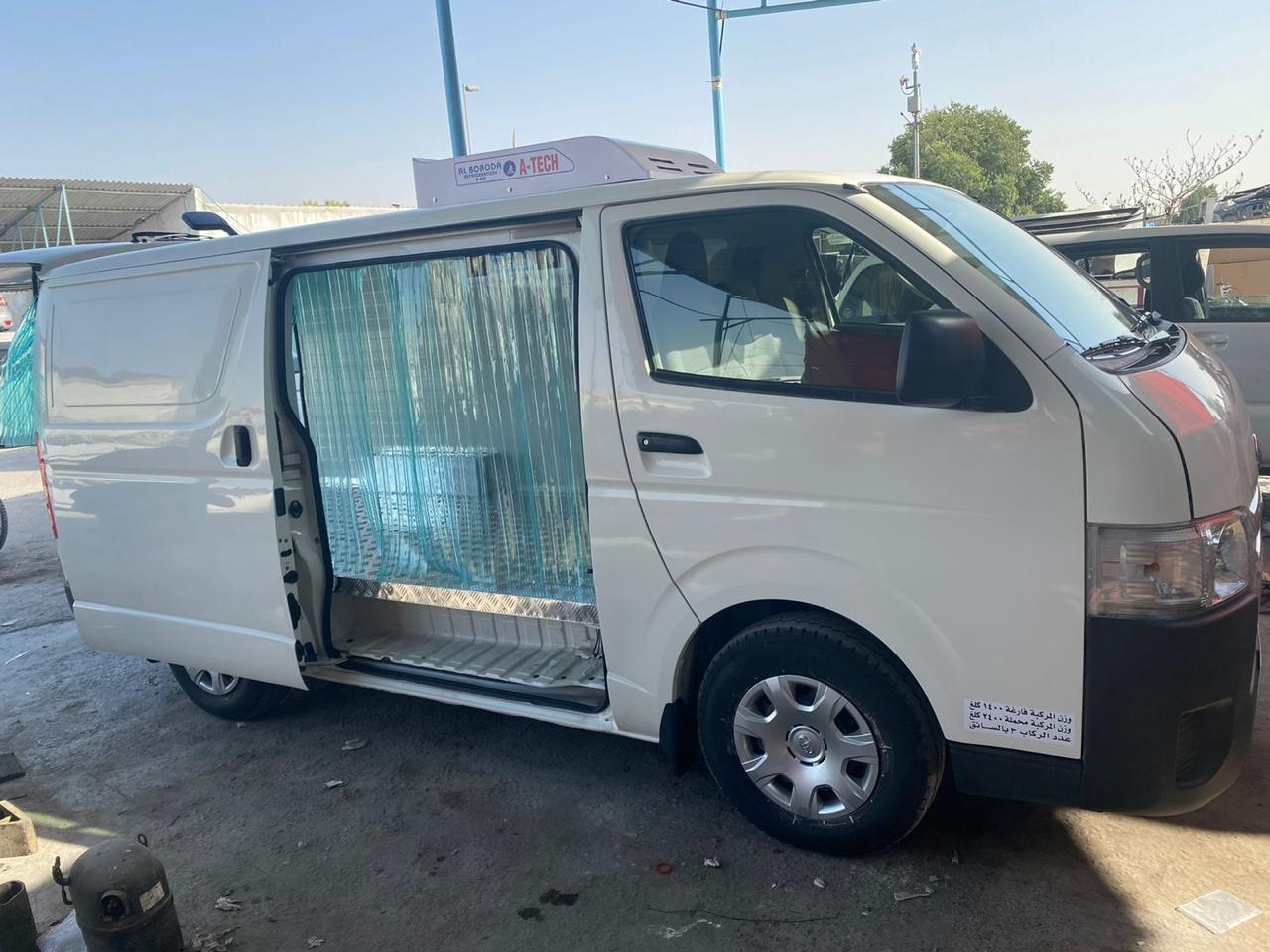
A pickup van offers a practical balance between cargo capacity, maneuverability, and affordability. For businesses operating in busy cities such as Dubai, where delivery schedules and traffic conditions can make transportation challenging, a versatile commercial vehicle can provide valuable flexibility.
For businesses that do not need a large truck every day, a pickup can be a particularly sensible option. It can handle a wide range of loads while remaining easier to drive and park than many larger commercial vehicles.
Why a Pickup Van Makes Sense for Small Businesses
Transportation requirements vary considerably from one small business to another. A retailer may need to collect inventory, while a maintenance company may transport tools and equipment to customer locations. A catering company might need to move supplies, whereas a landscaping business may regularly carry materials.
A pickup van can accommodate many of these requirements without requiring a business to invest in a large fleet.
1. Flexible Cargo Transportation
One of the biggest advantages of a pickup is its versatility. The cargo area can be used for transporting boxes, tools, equipment, supplies, and other business materials.
For example, a small furniture retailer could use a pickup to transport selected items to customers, while a building maintenance company could carry ladders, tools, spare parts, and materials to different job sites.
This flexibility makes the vehicle useful for businesses with changing transportation needs.
2. Lower Transportation Costs
For many small businesses, controlling operating expenses is a priority. Purchasing and maintaining a large commercial truck may not make financial sense if transportation is only required for occasional deliveries.
A pickup can provide an appropriate middle ground. Businesses can select a vehicle based on their actual cargo requirements rather than paying for capacity they rarely use.
For companies that only need a vehicle periodically, renting can be even more practical because it avoids some of the long-term costs associated with ownership.
3. Easier to Maneuver in Urban Areas
Large commercial vehicles can be difficult to maneuver through busy streets, narrow access roads, and crowded commercial areas.
A pickup is generally more manageable for everyday urban transportation. This can be particularly useful for businesses serving customers across Dubai, where drivers may need to make multiple stops throughout the day.
Better maneuverability can also make loading and unloading more convenient when visiting shops, offices, residential properties, or smaller job sites.
Businesses That Can Benefit From a Pickup Van
A pickup is not limited to one particular industry. Its versatility makes it useful for a variety of small and growing businesses.
Retail and E-Commerce Businesses
Online retailers frequently need to move products from warehouses or suppliers to customers. A pickup can support local deliveries, stock transfers, and supplier collections.
For businesses experiencing seasonal demand, renting a pickup can also provide additional transportation capacity without requiring a permanent increase in fleet size.
Construction and Maintenance Services
Contractors, electricians, plumbers, carpenters, and maintenance teams often need to transport tools and materials between different locations.
A pickup provides convenient access to equipment while allowing workers to travel directly to customer sites.
Landscaping and Gardening Businesses
Landscaping companies regularly transport gardening tools, plants, equipment, soil, and other materials. A pickup can be useful for smaller projects where a large truck would be unnecessary.
Catering and Event Businesses
Catering and event companies often have changing transportation requirements. They may need to move equipment, tables, decorations, supplies, or other materials before and after an event.
A rented pickup can provide temporary capacity during busy periods without adding another permanent vehicle to the business.
Small Trading and Distribution Businesses
Traders and distributors may need to collect goods from suppliers and deliver them to multiple customers. A pickup can help businesses manage short-distance transportation while keeping their operations relatively flexible.
Pickup Van vs. Larger Commercial Vehicles
Choosing the right vehicle depends on the type, quantity, and frequency of transportation required.
A large truck may be appropriate for businesses transporting heavy or bulky loads every day. However, smaller businesses may not need that level of capacity.
A pickup can be a better choice when the business requires:
- Moderate cargo capacity
- Frequent short-distance transportation
- Easy access to urban areas
- Flexible loading and unloading
- Occasional additional delivery capacity
- A vehicle for tools and equipment
- A practical option for temporary business requirements
The key is to match the vehicle to the actual job rather than automatically choosing the largest available option.
When Renting a Pickup Van May Be Better Than Buying
Buying a commercial vehicle can be a significant commitment. In addition to the purchase price, businesses need to consider insurance, maintenance, registration, repairs, depreciation, and other ongoing expenses.
Rental can be an attractive alternative for businesses with occasional or seasonal transportation needs.
Consider Renting If:
- You only need a commercial vehicle occasionally.
- Your transportation requirements change from month to month.
- You are testing a new delivery service.
- Your existing business vehicle is temporarily unavailable.
- You need extra capacity during peak periods.
- You want to avoid long-term vehicle ownership costs.
For example, a small business that receives a large order during a holiday season may need additional transportation for only a few weeks. Renting a pickup can provide that extra capacity without requiring a permanent fleet investment.
How to Choose the Right Pickup for Your Business
Not every pickup will suit every business. Before renting or purchasing one, consider the following factors.
Assess Your Cargo
Think about what you normally transport. Consider the size, weight, quantity, and type of goods.
If your business regularly carries fragile, oversized, or specialized items, make sure the vehicle can accommodate them safely.
Check the Payload Capacity
Payload capacity is an important consideration. Avoid selecting a vehicle based solely on the size of its cargo area. The vehicle must also be capable of safely carrying the intended load.
Consider Your Delivery Routes
Your typical routes can influence your choice. Businesses operating primarily in urban areas may prioritize maneuverability and fuel efficiency, while businesses traveling longer distances may have different requirements.
Consider Rental Flexibility
If you are renting, check the rental period, mileage terms, insurance coverage, vehicle condition, and any restrictions before confirming your booking.
Businesses in Abu Dhabi, for example, may search for pick up rental abu dhabi when they need short-term transportation for deliveries, equipment movement, or business operations.
Making Pickup Transportation More Efficient
Having the right vehicle is only part of an efficient transportation strategy. Businesses can also improve productivity by planning how the vehicle is used.
Plan Delivery Routes
Organize deliveries by location whenever possible. Grouping nearby destinations can reduce unnecessary driving and help employees complete more deliveries within the same working day.
Secure the Cargo Properly
Use suitable straps, covers, boxes, and protective materials to prevent goods from shifting during transportation. Proper cargo organization can also make loading and unloading faster.
Keep the Vehicle Organized
A clean and organized cargo area makes it easier to find tools and supplies. For service businesses, separating frequently used equipment from less frequently used items can save time during customer visits.
Schedule Regular Checks
Before using a rented or company-owned pickup, check essential items such as tires, lights, brakes, fluid levels, and visible signs of damage. Promptly reporting problems can help prevent avoidable disruptions.
Why Flexibility Matters for Growing Businesses
Small businesses rarely remain static. A company may begin with a few local deliveries and gradually expand its customer base. Transportation needs can change just as quickly.
A pickup provides a degree of flexibility that can support this growth. Instead of investing immediately in a large fleet, a business can use a vehicle that matches its current requirements and scale its transportation strategy as demand increases.
This is especially useful for businesses experimenting with new delivery areas or expanding into nearby cities.
Conclusion
A pickup van can be an effective transportation solution for small businesses that need flexibility without the size and expense of a large commercial truck. Its combination of useful cargo capacity, urban maneuverability, and versatility makes it suitable for retailers, contractors, service providers, caterers, distributors, and many other businesses.
For companies with occasional or changing transportation needs, renting can offer an additional level of flexibility. By assessing cargo requirements, delivery routes, payload capacity, and rental terms, businesses can choose a transportation solution that supports daily operations without unnecessary costs.
Ultimately, the best vehicle is not necessarily the biggest one—it is the one that fits the business's actual transportation needs.
FAQs
1. What is a pickup van commonly used for?
A pickup van can be used to transport merchandise, tools, equipment, supplies, materials, and other business-related cargo. It is particularly useful for local deliveries and service operations.
2. Is a pickup van suitable for small businesses?
Yes. Its versatility and moderate cargo capacity make it suitable for many small businesses, especially those that do not require a heavy-duty truck for everyday operations.
3. Should a small business rent or buy a pickup?
It depends on usage. Renting may be more suitable for occasional, seasonal, or short-term transportation needs, while purchasing may make sense for businesses that require a vehicle regularly over a long period.
4. What should I check before renting a pickup?
Check the vehicle's payload capacity, rental period, mileage allowance, insurance terms, condition, fuel policy, and any additional charges before signing the rental agreement.
5. Can a pickup help with local deliveries in Dubai?
Yes. A pickup can be useful for moving products, supplies, equipment, and other cargo between warehouses, suppliers, businesses, and customers across urban areas.

 English
 Arabic
 French
 Spanish
 Portuguese
 Deutsch
 Dutch
Dutch
 Italiano
 Russian
 Romaian
 Portuguese (Brazil)
 Greek
Greek