Custom Toy Boxes for Small Toy Businesses and New Brands
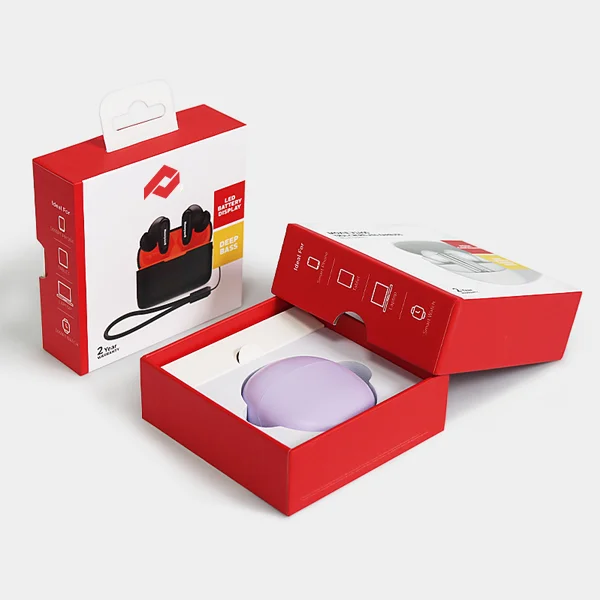
Small toy businesses and new brands often start with a limited number of products, but their packaging still needs to work across retail displays, online orders, storage, and product launches. A well-planned toy box can make different products easier to identify while giving the brand a consistent packaging system as its product range grows.
Toy packaging also has specific structural requirements. A box may need to accommodate small parts, figurines, puzzles, vehicles, educational products, or larger play sets. The right design depends on the toy's size, weight, components, and how customers are expected to access it.
Choosing the Right Box Size for Toys
Custom Toy packaging should begin with the actual product dimensions. A box that is too large can leave unnecessary empty space, while a box that is too small may make packing difficult.
Small toys such as figurines, puzzles, cards, and miniature vehicles can often use compact folding cartons. Larger toys may require stronger board or corrugated structures.
For products containing several components, the dimensions should also account for inserts, dividers, instruction sheets, and accessories.
Custom Toy Boxes for Different Product Types
Toy businesses rarely sell only one type of product. A new brand may eventually offer educational toys, building sets, dolls, vehicles, puzzles, games, and activity kits.
Each category can require a different packaging structure.
Boxes for Small Toys and Figurines
Small toys can be packaged in compact cartons with internal trays or inserts. These structures can help keep individual pieces organized.
A window may also be considered when customers need to see the toy before purchasing.
Packaging for Toy Sets and Kits
Toy sets often contain several pieces that need to remain together. Dividers or compartmentalized inserts can separate components inside the box.
For construction or activity kits, the packaging may also need room for instruction sheets and smaller accessory packs.
Toy Boxes With Windows
A window can give customers a direct view of the product without requiring the package to be opened.
This can be useful for dolls, figurines, toy vehicles, craft kits, and other products where the appearance of the toy influences the purchase decision.
The window should be positioned around the main product rather than simply placed in the largest available area. It should also leave enough printable space for the brand name, product information, and other required details.
Inserts for Better Toy Organization
Inserts are particularly useful when a toy contains several individual pieces.
A paperboard insert may be sufficient for lightweight products, while thicker board, molded materials, or other structures may be considered for heavier components.
For example, a toy vehicle set could have separate positions for vehicles and accessories. A doll package may need dedicated spaces for clothing, shoes, accessories, and the main figure.
The insert should be tested with the actual toy because small differences in shape can affect how securely the pieces fit.
Materials for Custom Toy Boxes
The appropriate material depends on the toy's weight, dimensions, packaging structure, and sales channel.
Paperboard can work well for many lightweight toys and folding cartons. Kraft board may suit brands looking for a natural appearance, while thicker paperboard can provide additional stiffness.
Corrugated packaging can be useful for larger or heavier toy sets, particularly when the box also needs to withstand shipping.
Small brands should avoid choosing material based solely on appearance. The actual product should be placed inside a sample box and evaluated before production.
Creating a Recognizable Toy Brand
New toy brands need packaging that can be recognized across different products.
Consistent use of the logo, typography, colors, illustrations, and product-name placement can create a common visual system.
For example, a brand may use the same basic front-panel layout for its puzzles, building kits, and educational toys while changing the illustrations and accent colors for each category.
This makes the product range feel connected without making every package identical.
Color Coding Different Toy Categories
Color can help parents and children distinguish between different products.
A toy company might use separate color families for educational products, outdoor toys, puzzles, and creative activity kits.
The system should remain simple enough that customers can understand the difference quickly.
Color should also work alongside the product name and imagery rather than being the only method used to identify a product.
Product Information on Toy Packaging
Toy boxes often need to communicate more information than the product name.
Depending on the toy and market, packaging may include:
- Product name
- Recommended age information
- Number of pieces
- Instructions or basic usage details
- Safety warnings
- Manufacturer information
- Barcode
- Product or model number
- Applicable compliance information
Requirements vary by product type and country, so toy businesses should review the applicable regulations for their intended market before finalizing packaging artwork.
Information should be arranged so important details can be found without making the front panel overcrowded.
Custom Toy Boxes for E-Commerce
Online toy brands need packaging that works with fulfillment and shipping.
A retail box may be placed inside a shipping carton or mailer, so the toy packaging should have dimensions that work with the brand's overall fulfillment system.
Product photographs also matter. The front, side, and back panels should be visually clear enough to represent the product accurately in online listings.
For smaller brands, using a consistent box system can simplify photography because multiple products can be presented using similar angles and layouts.
Packaging for Toy Subscription Boxes
Some small toy brands use monthly or recurring product collections. These orders may contain several small toys, activity materials, cards, or accessories.
Instead of creating a completely different outer package for every combination, a business can use a standard-sized outer box with internal dividers or smaller product boxes.
This can make fulfillment more predictable while allowing the contents to change from one subscription period to another.
Toy Boxes for Retail Stores
Retail packaging needs to work within the available shelf space.
Small toy businesses should consider how the box will be displayed: standing upright, lying flat, hanging from a peg, or placed inside a display tray.
The packaging structure should support the intended orientation. Important artwork should not end up facing sideways when the product is placed on a shelf.
For hanging products, the location and strength of the hanging hole should also be considered during structural design.
Packaging for Toy Bundles and Gift Sets
Toy bundles can contain several related products sold as one collection.
For example, a creative kit might include coloring materials, activity cards, stickers, and small accessories. A larger box can organize these items into one complete set.
The package should make it clear that the products belong together. Inserts can separate the components while printed labels can identify what is included.
Gift sets may also require a more presentable opening structure, particularly during holidays and birthdays.
Managing Multiple Toy Sizes
A growing toy company may need several box dimensions as new products are introduced.
Rather than creating unrelated packaging for every product, the brand can establish a packaging family. Common elements such as typography, logo placement, colors, and illustration style can remain consistent.
Different box sizes can then be created around individual products.
This approach can make future packaging development easier because the brand already has a visual and structural direction to follow.
Ordering Custom Toy Boxes in Small Quantities
New brands may not have the sales volume of established toy manufacturers. Large packaging orders can therefore create unnecessary inventory.
When starting a new product, businesses can discuss minimum order quantities, sample production, printing options, and future reorder requirements with the packaging supplier.
It is also worth considering whether the design may change after the first product launch. If the brand expects frequent revisions, ordering extremely large quantities of the first version may not be practical.
Testing Before a Large Packaging Order
A physical prototype is useful before producing a large quantity of toy boxes.
The actual toy should be placed inside the sample and checked for:
- Product fit
- Insert positioning
- Closure
- Component movement
- Window placement
- Shelf orientation
- Artwork alignment
- Barcode placement
- Assembly time
- Shipping performance
For products containing many small parts, the complete set should be tested rather than testing the main toy alone.
Final Thoughts
Custom toy boxes can give small toy businesses and new brands a practical starting point for building a consistent packaging system. The box should be selected around the actual toy, its components, sales channel, and display requirements.
Simple folding cartons may work for lightweight products, while larger sets can require stronger materials, inserts, or more structured designs. Windows, color systems, product information, and consistent branding can then help customers identify and understand each product.
For a growing toy business, it is useful to think beyond one box. Creating a flexible packaging system that can accommodate new products, different sizes, and future collections can make packaging management easier as the brand develops.

 English
 Arabic
 French
 Spanish
 Deutsch
 Turkish
 Dutch
Dutch
 Italiano
 Russian
 Romaian
 Portuguese (Brazil)
 Greek
Greek