
Breathing Exercises for Anxiety: Simple Techniques to Find Calm and Relaxation
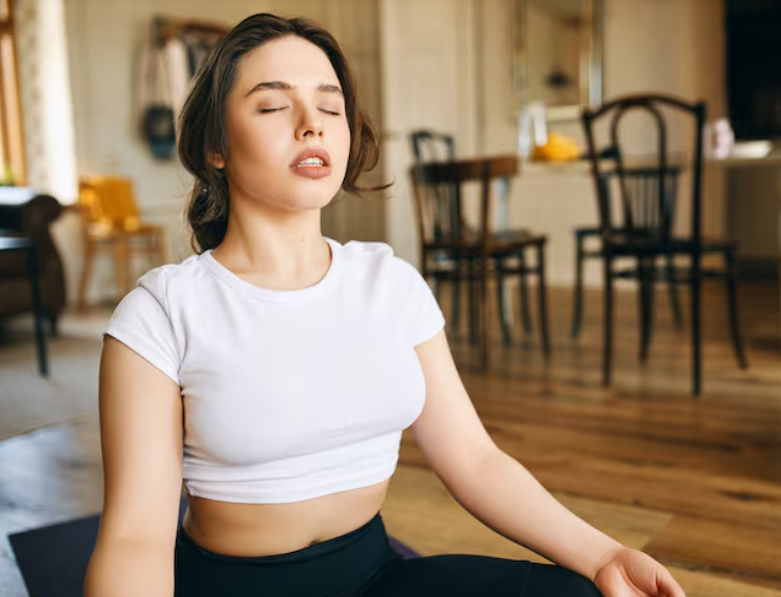
Anxiety can affect many aspects of daily life, making ordinary situations feel overwhelming and stressful. Whether it develops because of work pressure, personal challenges, unexpected situations, or constant worrying, anxiety can influence both mental and physical well-being. People experiencing anxiety may notice a racing heartbeat, muscle tension, restlessness, difficulty concentrating, or a feeling of losing control. Finding practical ways to manage these experiences can make everyday life more comfortable. One simple and accessible approach is practicing breathing techniques.
Breathing exercises for anxiety provide a practical way to encourage relaxation and develop greater awareness of the body's natural responses to stress. Breathing is something people do automatically, but learning to control its rhythm can help create moments of calm during stressful situations. With consistent practice, breathing techniques can become valuable tools for managing everyday tension and supporting emotional balance.
Understanding the Connection Between Breathing and Anxiety
Breathing patterns can change when someone feels anxious. During stressful moments, breathing may become faster, shallower, or irregular. These changes can contribute to uncomfortable physical sensations and make it harder to feel relaxed.
Slow, controlled breathing encourages a more comfortable breathing rhythm. It also provides an opportunity to pause, focus attention, and step away from overwhelming thoughts. Instead of concentrating entirely on worries, individuals can direct their attention toward each breath.
Practicing anxiety breathing exercises regularly can help people become more familiar with their breathing patterns. This awareness makes it easier to recognize moments of tension and intentionally create a more relaxed routine.
1. Deep Belly Breathing
Deep belly breathing, also called diaphragmatic breathing, is one of the simplest techniques for encouraging relaxation. It focuses on breathing deeply and comfortably rather than taking short, shallow breaths.
To practice this technique, sit comfortably or lie down in a quiet place. Place one hand on your chest and the other on your abdomen. Slowly breathe in through your nose and allow your abdomen to expand naturally. Then gently breathe out through your mouth or nose.
Try repeating this process for several minutes without forcing your breath. The goal is to develop a comfortable rhythm rather than take extremely deep breaths.
This technique can be particularly useful during quiet moments, before bedtime, or after a stressful day.
2. Box Breathing
Box breathing is a structured breathing technique that involves four equal stages. It is commonly practiced by people who want a simple method for bringing their attention back to the present moment.
The technique follows four steps:
- Breathe in slowly for four counts.
- Hold your breath gently for four counts.
- Breathe out slowly for four counts.
- Pause for four counts before beginning again.
Repeat the pattern for a few cycles if it feels comfortable. People who find breath-holding uncomfortable can shorten the counts or skip the pauses.
Box breathing creates a predictable rhythm that can make it easier to focus when thoughts feel scattered. It can be practiced during breaks, before important activities, or whenever a moment of relaxation is needed.
3. The 4-7-8 Breathing Technique
The 4-7-8 technique is another structured breathing method designed to encourage a slower breathing pattern.
Begin by sitting comfortably and relaxing your shoulders. Breathe in through your nose for four counts, gently hold your breath for seven counts, and slowly breathe out for eight counts.
Repeat the sequence a few times, adjusting the timing whenever necessary. There is no need to force yourself to maintain the exact counts if they feel uncomfortable.
Some people prefer this technique as part of their evening routine because it encourages them to slow down and focus on their breathing instead of daily responsibilities.
4. Pursed-Lip Breathing
Pursed-lip breathing is a straightforward exercise that can help people practice slower and more controlled exhalations.
Start by relaxing your face and shoulders. Breathe in gently through your nose for approximately two counts. Next, purse your lips as though you are preparing to whistle and slowly breathe out for approximately four counts.
The exhalation should be gentle and controlled rather than forced. Continue for a few minutes while maintaining a comfortable posture.
This exercise can be useful when breathing feels rushed or uncomfortable. It also encourages awareness of how different breathing patterns feel.
5. Mindful Breathing
Mindful breathing combines simple breathing awareness with present-moment attention. It does not require complicated counting patterns or special equipment.
Find a comfortable position and allow your breathing to happen naturally. Notice the feeling of air entering your nose, the gentle movement of your chest, and the sensation of breathing out.
When distracting thoughts appear, acknowledge them without judgment and gently return your attention to your breath.
Start with two or three minutes and gradually increase the duration as you become more comfortable.
Mindful breathing can help create a small break from repetitive worrying and provide an opportunity to reconnect with the present moment.
Benefits of Practicing Breathing Exercises Regularly
Developing a consistent breathing routine can offer several benefits for everyday well-being.
Improved relaxation: Slow breathing can encourage physical relaxation and help reduce feelings of tension.
Better stress awareness: Paying attention to breathing can make it easier to recognize when stress is beginning to build.
Greater concentration: Focusing on a simple breathing pattern can provide a mental break from distracting thoughts.
A convenient wellness routine: Breathing exercises require very little equipment and can be practiced in different environments.
Improved sleep preparation: Relaxing breathing practices may help create a calmer atmosphere before bedtime.
Although these techniques can support relaxation, they do not replace professional mental health care when anxiety becomes persistent or interferes with everyday activities.
How to Build a Daily Breathing Routine
Consistency is more important than practicing for long periods. Beginners can start with approximately five minutes each day and gradually adjust their routine according to their comfort level.
Choose a quiet environment where interruptions are less likely. Morning practice can help establish a calm beginning to the day, while evening practice can provide an opportunity to unwind.
It can also be helpful to connect breathing exercises with existing habits. For example, practice after waking up, during a lunch break, or before going to sleep.
Experiment with different breathing exercises for anxiety to discover which techniques feel most comfortable. Some people prefer structured methods such as box breathing, while others find mindful breathing easier to maintain.
Remember that progress does not require perfect technique. Even a few minutes of intentional breathing can create an opportunity to pause and relax.
Common Mistakes to Avoid
Although breathing exercises are generally simple, a few common mistakes can make them less comfortable.
One mistake is trying to breathe too deeply or quickly. Breathing should remain gentle and natural. Another mistake is forcing breath-holding periods that feel uncomfortable. It is perfectly acceptable to adjust the timing according to personal comfort.
Some individuals also expect immediate results. Relaxation practices may require regular repetition before they become familiar and useful. It is better to approach them with patience rather than pressure.
If an exercise causes dizziness, discomfort, or increased anxiety, stop and return to normal breathing. Anyone experiencing persistent or severe anxiety should consider speaking with a qualified healthcare professional.
Conclusion
Learning to manage anxiety does not always require complicated routines or significant lifestyle changes. Simple breathing techniques can provide accessible opportunities to pause, relax, and develop greater awareness of physical and emotional responses to stress.
From deep belly breathing and box breathing to mindful breathing and pursed-lip techniques, there are several approaches worth exploring. Practicing anxiety breathing exercises consistently can help individuals establish healthier relaxation habits and create moments of calm throughout their day.
The most effective approach is choosing a comfortable technique, practicing it regularly, and allowing progress to happen naturally. With patience and consistency, breathing exercises can become a useful part of a broader approach to emotional well-being and everyday stress management.

 English
 Arabic
 French
 Spanish
 Portuguese
 Deutsch
 Turkish
 Dutch
 Italiano
 Russian
 Romaian
 Greek