
Bob Brodnik on Duty, Grief, and Courage
Bob Brodnik has lived at the meeting point of three powerful ideas. He spent more than thirty years answering the call of duty with the San Francisco Police Department. He endured a loss that began when he was still a teenager. And in later life, he found the courage to look back and tell the story plainly. Together, these themes make his life a rich subject for anyone curious about what it means to serve, to mourn, and to keep going.
Three Words, One Life
Duty, grief, and courage are often discussed separately, yet in Brodnik’s life they are closely tied together. Duty gave his days structure. Grief gave them depth and, at times, difficulty. Courage was the quality that allowed him to move forward with both.
Understanding how these three ideas interact helps explain why his experience resonates with so many readers. Most people will face obligations they cannot avoid, losses they cannot undo, and moments that demand more bravery than they thought they had.
Duty as an Inherited Calling
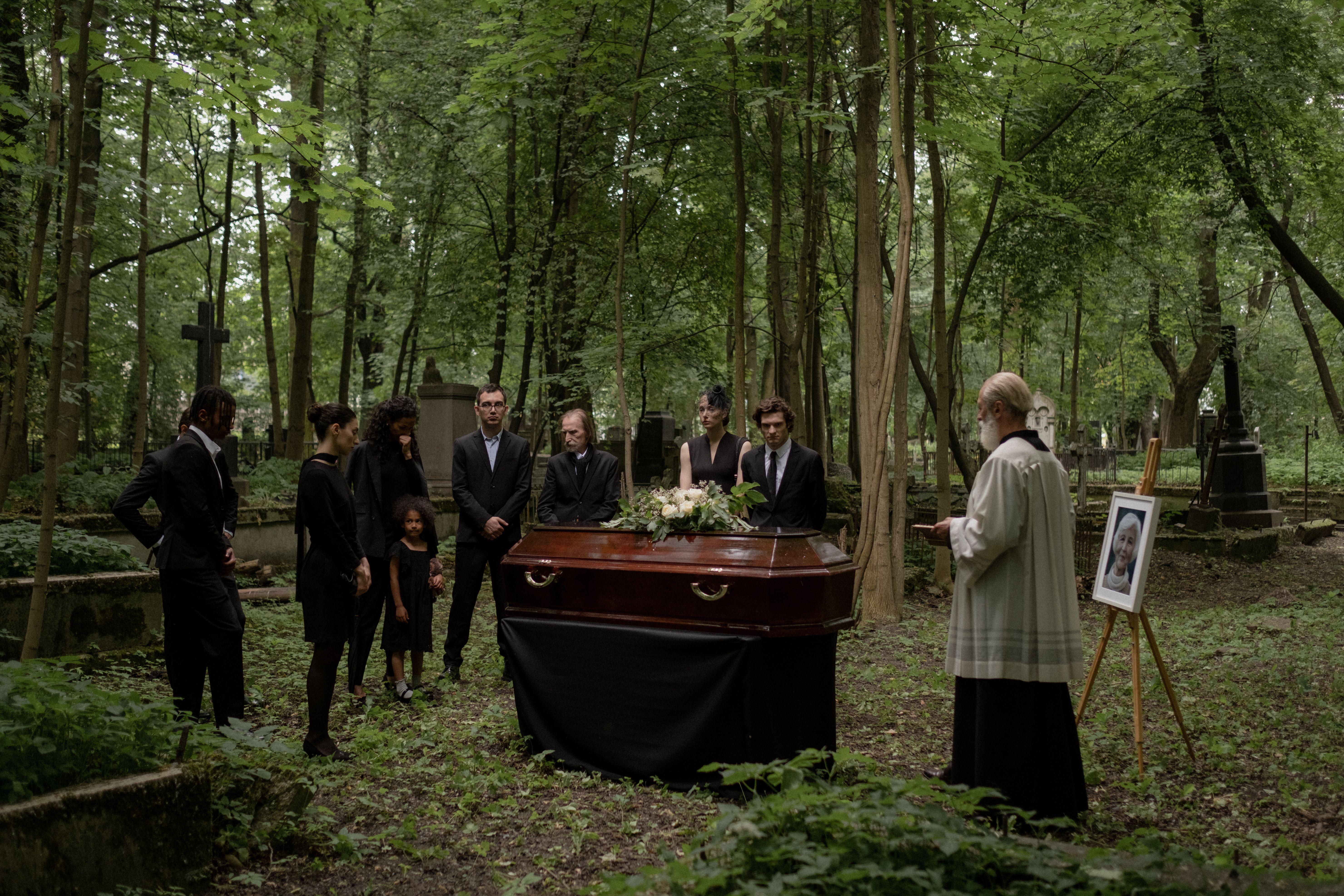
Duty can be assigned by an employer, but it can also be handed down by family. When Officer Joe Brodnik was killed on May 1, 1969, after 13 years with the department, his son Bob was 19. The loss could have pushed him away from police work entirely. Instead, he took up the same calling and carried it through a long career.
That decision says something about loyalty. For some people, continuing a loved one’s work is a way of keeping a relationship alive. It does not make the road easier, but it gives the effort a deeper reason.
Grief That Follows You Into the Uniform
A badge cannot shield anyone from sorrow. Officers walk into other people’s worst days while still managing their own private histories. For Brodnik, the death of his father remained part of his inner life throughout his working years.
This is a quiet reality of public service. The people who respond to emergencies are also sons, daughters, parents, and friends who have lost someone. Recognizing that helps communities treat officers as whole human beings rather than symbols, and it makes room for honest conversations about emotional well-being inside the profession.
Courage Without the Spotlight
When people picture bravery, they often imagine a single dramatic act. Brodnik’s story highlights a different kind: the courage of consistency. It is the courage of showing up for decades, making difficult judgment calls, and staying steady when circumstances are unpredictable.
There is also the courage required in ordinary moments, such as admitting that you are struggling or asking how someone else is doing. These actions rarely attract attention, yet they hold families, teams, and neighborhoods together.
The Courage to Tell the Truth
Perhaps the boldest step Brodnik took was putting his experiences on paper. In his memoir, All You Can Handle, he explores the death of his father and the long aftermath, along with the realities of life in law enforcement. The book was released in early 2025 and has since appeared on reading lists featuring books written by officers.
Sharing a story like this means opening private memories to strangers. It invites judgment, emotion, and vulnerability. Yet honest storytelling can also give other people the sense that they are not alone, which is often the most valuable gift a memoir can offer.
Why This Story Reaches Beyond Policing
You do not need a law enforcement background to connect with these themes. A nurse working through a difficult shift, a teacher supporting students through hardship, a soldier returning home, or a child remembering a parent may each recognize pieces of their own lives here.
The central message is universal: obligations and sorrow can coexist, and strength is not the absence of pain. It is the willingness to continue, and to be truthful, in spite of it.
Lessons Worth Remembering
- Duty can be an act of love. Many people serve because someone they cherished showed them how.
- Strength includes vulnerability. Admitting pain is not weakness, and it often encourages others to speak up.
- Courage is built daily. Small, consistent choices matter as much as dramatic moments.
- Stories connect us. Sharing hard experiences can ease isolation for both the teller and the reader.
Closing Thoughts
Bob Brodnik’s journey invites us to think more carefully about the people who serve and the burdens they carry. His experience shows that duty can be a lifelong commitment, that grief can walk alongside us for years, and that courage can take the form of both action and honesty. For anyone searching for a story that treats these subjects with candor and respect, his perspective offers both understanding and encouragement.

 English
 Arabic
 Spanish
 Portuguese
 Deutsch
 Turkish
 Dutch
 Italiano
 Russian
 Romaian
 Portuguese (Brazil)
 Greek