
Pigeon Pea Market: Sustainability and Opportunities in Pulse Farming
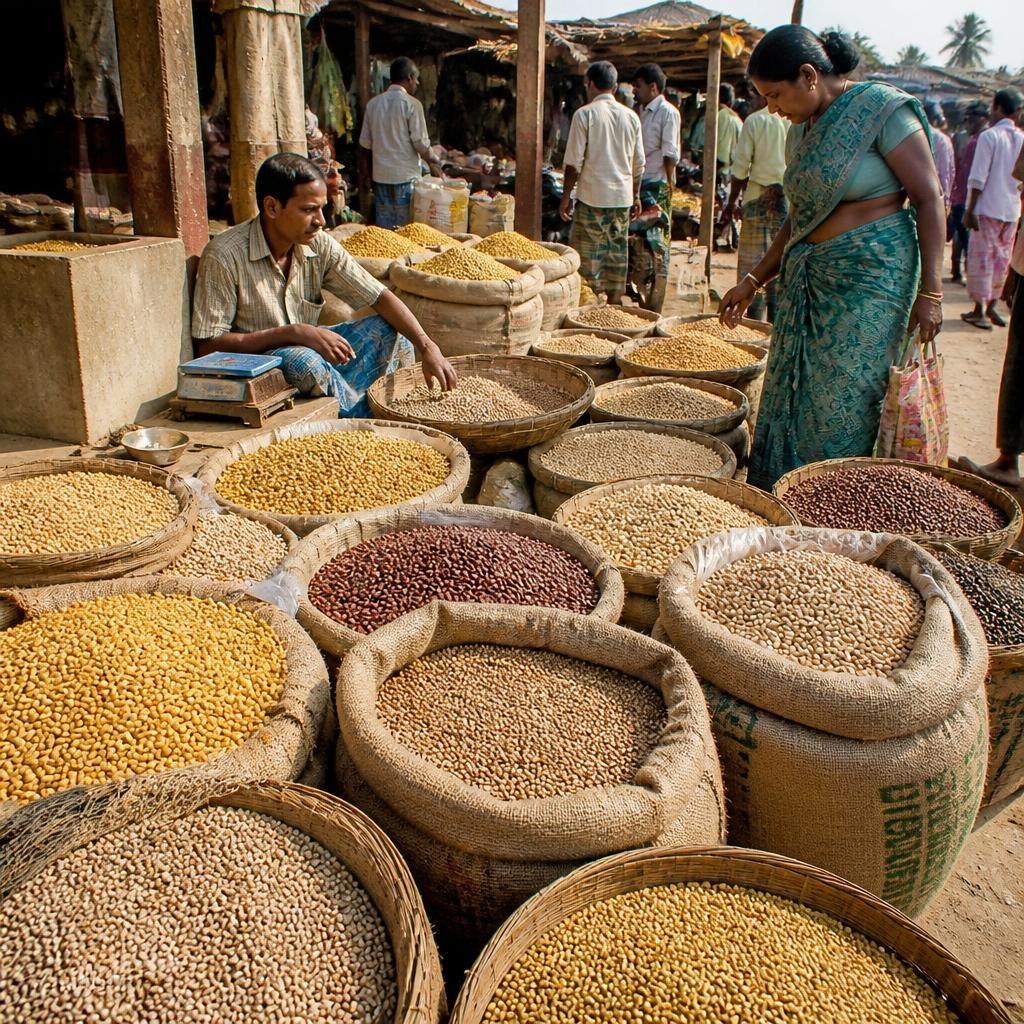
Sustainable agriculture is becoming an important consideration for farmers, agricultural businesses, and food manufacturers. The need to manage natural resources responsibly is encouraging interest in crops that can contribute to diversified farming systems and food production. Pigeon pea is an important legume because it provides edible seeds and can also support different agricultural activities. Its role in traditional food consumption, crop diversification, and soil management makes it relevant to discussions about sustainable farming. These characteristics are creating opportunities for producers and businesses participating in the Pigeon Pea Market.
The increasing interest in sustainable pulse cultivation and eco-friendly legume farming practices highlights the importance of responsible agricultural production. Pigeon pea can be incorporated into suitable crop rotation and intercropping systems, while its leguminous characteristics contribute to soil-related agricultural benefits. Farmers and agricultural organizations are exploring ways to improve crop management, preserve soil quality, and strengthen the connection between agricultural production and food processing.
Importance of Sustainable Pulse Farming
Pulse farming plays an important role in agricultural diversification.
Legumes provide edible seeds and can be incorporated into different farming systems.
Pigeon pea is cultivated in tropical and subtropical regions and serves as a food crop for many communities.
Its cultivation can support agricultural diversity and provide farmers with an additional crop option.
Responsible farming practices are important for maintaining soil quality and supporting long-term agricultural productivity.
Pigeon Pea and Soil Fertility
Pigeon pea is a leguminous crop that can form associations with nitrogen-fixing bacteria.
This process can contribute to the availability of nitrogen within agricultural soils.
The crop may therefore be useful in farming systems that incorporate legumes into crop rotation and intercropping practices.
Plant residues can also contribute organic material when appropriately managed.
Farmers should consider local soil conditions and suitable agricultural practices when integrating pigeon pea into their farming systems.
Crop Diversification Opportunities
Crop diversification helps farmers avoid depending entirely on a single agricultural commodity.
Pigeon pea can be cultivated alongside or in rotation with suitable crops according to local conditions.
Intercropping may help farmers use agricultural land more effectively.
It can also provide opportunities to diversify farm production and manage different agricultural requirements.
The selection of companion crops should consider planting arrangements, resource availability, and crop compatibility.
Role in Climate-Conscious Agriculture
Agricultural producers are increasingly considering crop characteristics when planning cultivation in changing environmental conditions.
Pigeon pea has a deep root system that can help the crop access moisture from deeper soil layers.
This characteristic makes it relevant to farming discussions involving water availability and dry growing conditions.
However, crop performance still depends on local climate, soil, crop management, and other environmental factors.
Farmers should choose cultivation practices according to regional agricultural conditions.
Sustainable Use of Agricultural Resources
Responsible agricultural production involves careful management of soil, water, seeds, and other farming inputs.
Farmers can explore suitable irrigation practices, soil conservation methods, and integrated crop management.
Proper harvesting and post-harvest handling can also reduce avoidable agricultural losses.
Agricultural advisory services may help farmers understand suitable production methods.
These practices can support a more organized and resource-conscious pigeon pea supply chain.
Opportunities in Organic Pigeon Pea Production
Organic farming provides opportunities for producers serving customers interested in specific agricultural production methods.
Organic pigeon peas may appeal to consumers seeking products cultivated under recognized organic standards.
Farmers must follow the applicable certification and production requirements when entering organic markets.
Processors and distributors also need suitable segregation, traceability, storage, and packaging procedures.
Transparent labeling can help customers understand the characteristics of organic products.
Food Security and Nutritional Applications
Pigeon peas are used in traditional diets and provide a plant-based food ingredient for different communities.
They can be prepared as dal, soups, curries, stews, and other dishes.
Their versatility makes them relevant to household consumption and institutional food preparation.
Food processors can also develop convenient products that improve accessibility.
A reliable agricultural supply chain can help connect farmers with food manufacturers and consumers.
By-Product Utilization and Agricultural Value
Pigeon pea cultivation produces different plant materials that may have additional agricultural uses.
Leaves and other plant parts can be considered for suitable fodder and farm-related applications.
Crop residues may also contribute to soil management when appropriately handled.
Using different parts of the crop can create additional value for farming communities.
However, utilization methods should be selected according to local requirements and appropriate agricultural practices.
Challenges in Sustainable Pigeon Pea Farming
Farmers may experience challenges related to weather variability, pests, disease pressure, input availability, and market access.
Sustainable production practices also require agricultural knowledge and appropriate planning.
Access to suitable seeds, storage infrastructure, and processing facilities can influence farming outcomes.
Collaboration between farmers, agricultural organizations, and food businesses can help address these challenges.
Future Market Outlook
The Pigeon Pea Market may benefit from growing interest in sustainable agriculture, crop diversification, plant-based foods, and responsible resource management.
Businesses that support farmers and develop reliable sourcing systems can strengthen the agricultural value chain.
As food manufacturers continue exploring nutritious plant-based ingredients, pigeon pea can offer opportunities across farming, processing, and distribution.
Frequently Asked Questions
Q1. How does pigeon pea contribute to sustainable agriculture?
Pigeon pea can support crop diversification, participate in nitrogen fixation through its association with soil microorganisms, and contribute plant residues to agricultural systems.
Q2. Can pigeon peas be grown using organic farming practices?
Yes. Pigeon peas can be cultivated under organic farming systems when producers follow applicable organic production and certification requirements.

 English
 French
 Spanish
 Portuguese
 Deutsch
 Turkish
 Dutch
 Italiano
 Russian
 Romaian
 Portuguese (Brazil)
 Greek