
Supplier Qualification: A Complete Guide to Selecting Reliable Manufacturing Partners
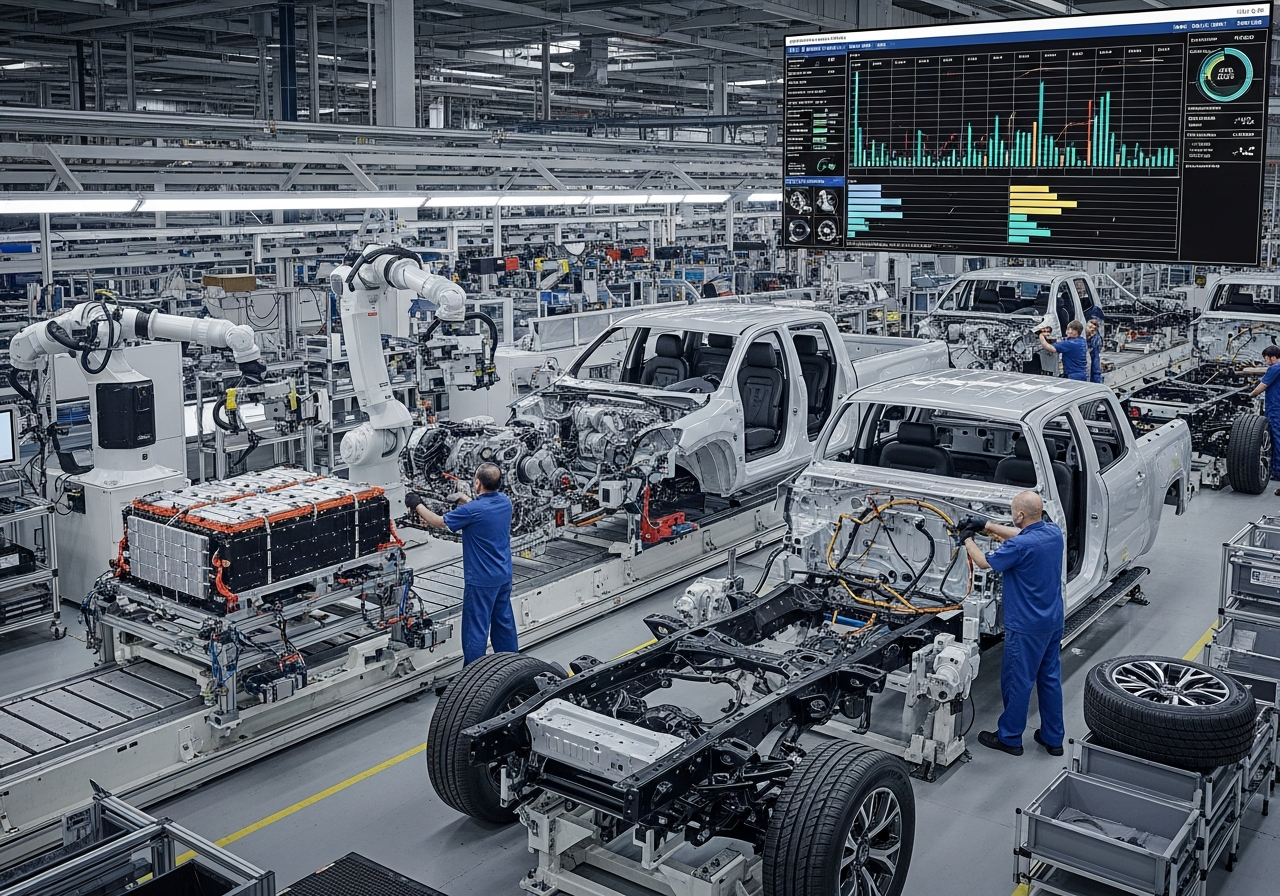
Selecting the right suppliers is essential for maintaining product quality, controlling costs, and ensuring reliable business operations. Manufacturers depend on suppliers for raw materials, components, equipment, and specialized services. However, not every supplier can consistently meet the required standards, delivery schedules, and technical specifications. This is why supplier qualification plays an important role in modern manufacturing and supply chain management. A structured qualification process helps businesses evaluate potential suppliers, identify risks, verify capabilities, and establish long-term professional relationships. By carefully assessing suppliers before entering into business agreements, organizations can improve production reliability and protect their operational objectives.
Understanding Supplier Qualification
Supplier qualification is the process of evaluating a potential supplier to determine whether it meets an organization's technical, operational, financial, and quality requirements. It involves reviewing the supplier's experience, production capabilities, certifications, quality management systems, and ability to deliver products or services consistently.
Manufacturers use this process to ensure that their suppliers can meet established expectations. For example, a company purchasing precision-engineered components must verify that the supplier has appropriate equipment, skilled personnel, and effective quality-control procedures.
Qualification is not simply about comparing prices. It is about determining whether a supplier can provide dependable value while meeting the organization's long-term requirements.
Establishing Clear Supplier Requirements
Before evaluating potential suppliers, businesses should define their purchasing requirements. Clear expectations make the assessment process more organized and help suppliers understand what is expected of them.
Important requirements may include product specifications, material standards, delivery schedules, production quantities, packaging arrangements, and documentation.
Organizations should also identify industry-specific regulations and applicable quality standards. Establishing these expectations early helps avoid misunderstandings and reduces the possibility of selecting an unsuitable supplier.
Evaluating Supplier Quality Management Systems
Quality management is one of the most important aspects of supplier evaluation. A qualified supplier should have documented procedures for monitoring production, inspecting materials, identifying defects, and maintaining consistent product standards.
Businesses can review quality-management certifications, inspection reports, process documentation, and records of corrective actions. Depending on the industry, certifications such as ISO 9001 may provide useful evidence of an established quality management system.
However, certification alone should not determine the final decision. Organizations should also evaluate how effectively the supplier implements its quality procedures in everyday operations.
Assessing Manufacturing Capabilities
A supplier must have the resources and technical capabilities necessary to fulfill the purchasing requirements. This includes suitable machinery, production facilities, technology, workforce expertise, and manufacturing capacity.
Businesses should determine whether suppliers can produce the required quantities while maintaining acceptable quality levels. It is also important to evaluate their ability to accommodate changes in demand or product specifications.
For manufacturing organizations, reviewing equipment maintenance procedures, production workflows, and inspection facilities can provide valuable information about operational readiness.
Reviewing Financial and Operational Stability
A supplier's financial condition can influence its ability to maintain consistent operations. Financial difficulties may affect material availability, production capacity, staffing, and delivery commitments.
Where appropriate, organizations should review available financial information, business history, credit references, and operational records.
Operational stability also matters. Businesses should consider whether the supplier depends heavily on a single production facility, material source, or transportation provider. Understanding these dependencies helps identify potential vulnerabilities within the supply chain.
Checking Compliance and Business Standards
Suppliers may need to comply with various legal, environmental, safety, and industry-specific requirements. These obligations depend on the products being purchased and the markets in which the business operates.
During qualification, organizations should review relevant licenses, regulatory documentation, material declarations, and applicable certifications.
Businesses may also evaluate environmental management practices, workplace safety procedures, and ethical sourcing policies. These checks help ensure that supplier relationships align with organizational responsibilities and applicable regulations.
Using a Structured Supplier Evaluation Process
A consistent evaluation framework makes supplier qualification easier to manage. Businesses can establish assessment criteria and assign importance to different performance factors.
Common evaluation areas include:
-
Quality and technical capability: Product consistency, manufacturing expertise, equipment, and inspection procedures.
-
Commercial and operational performance: Pricing, financial stability, delivery reliability, communication, and production capacity.
Organizations can use supplier questionnaires, document reviews, interviews, facility assessments, and sample inspections to collect supporting information. Maintaining written records also makes future supplier reviews more straightforward.
Monitoring Supplier Performance After Approval
Supplier qualification should not end when a company receives approval. Manufacturing requirements and supplier capabilities can change over time, making continuous monitoring important.
Businesses should regularly review delivery performance, product quality, communication, responsiveness, and corrective-action effectiveness.
Performance indicators such as defect rates, on-time delivery percentages, and order accuracy can help identify improvement opportunities. If a supplier repeatedly fails to meet expectations, the organization may request corrective action or reconsider its approval status.
Periodic reassessments also help ensure that suppliers continue meeting current business requirements.
Building Long-Term Supplier Relationships
A successful supplier relationship depends on clear communication, mutual expectations, and consistent performance. Businesses should provide accurate forecasts, communicate specification changes, and address problems through constructive discussions.
Suppliers should also be encouraged to suggest improvements in materials, production techniques, packaging, and delivery arrangements. Collaborative relationships can support innovation, reduce waste, and improve overall supply chain efficiency.
Conclusion
Supplier qualification is an essential part of effective manufacturing and supply chain management. By evaluating quality systems, technical capabilities, financial stability, regulatory compliance, and operational performance, businesses can make informed purchasing decisions. A structured assessment process helps reduce supply chain risks while supporting consistent product quality and dependable deliveries. Continued performance monitoring and effective communication further strengthen supplier relationships. Investing time in proper qualification ultimately helps manufacturers build a more reliable, efficient, and resilient supply chain.

 English
 Arabic
 French
 Spanish
 Portuguese
 Deutsch
 Turkish
 Dutch
 Italiano
 Russian
 Romaian
 Portuguese (Brazil)