
The Business Potential of Tokenizing Income-Producing Property Assets
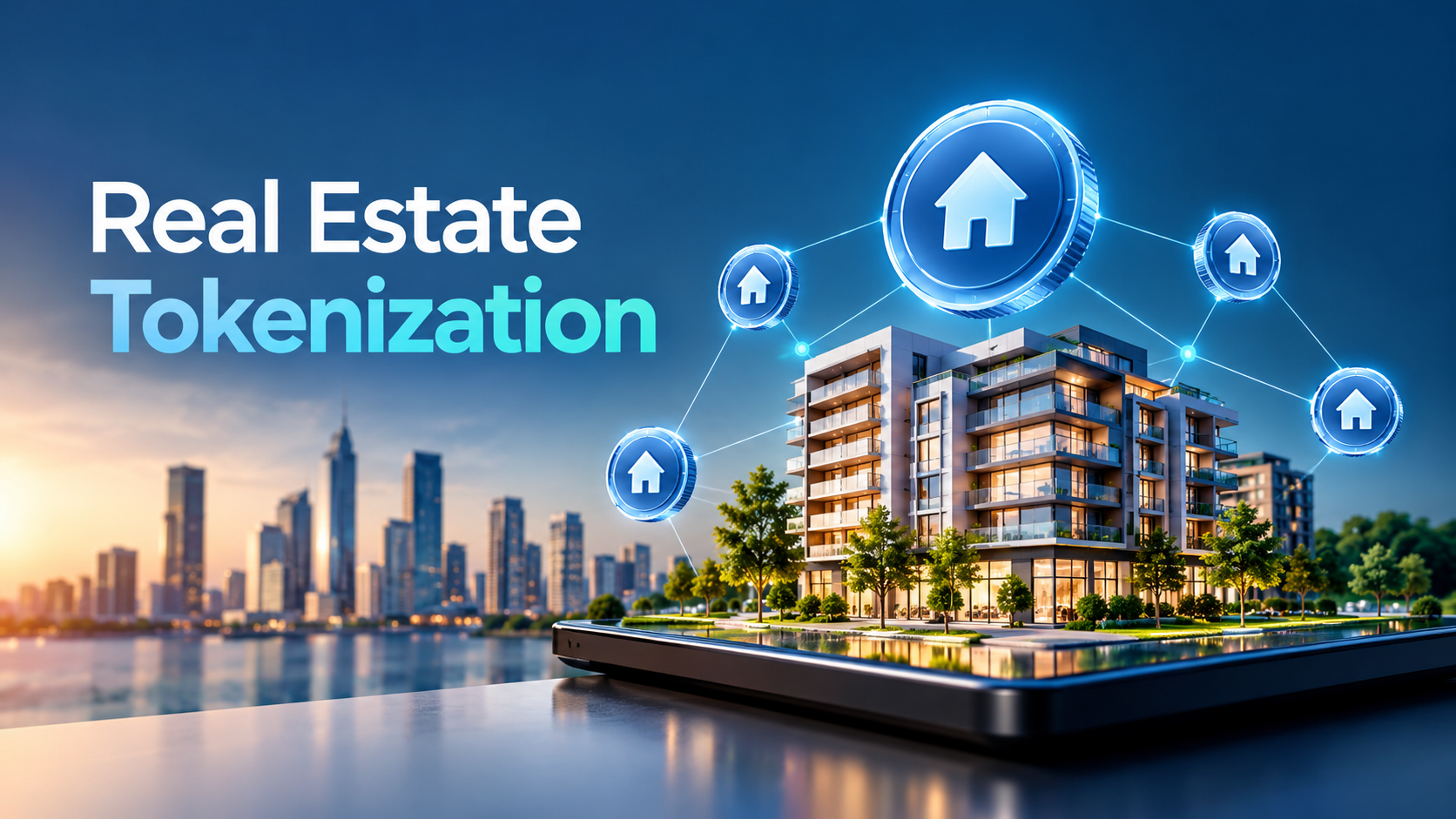
Income-producing properties have long been attractive investment assets because they generate recurring revenue through rental payments, commercial leases, hospitality operations, and other property-related income streams. However, traditional real estate investment often requires substantial capital, involves complex ownership arrangements, and limits participation to investors who can meet high financial entry requirements.
Tokenization is creating new opportunities to structure investments around these income-generating properties. By representing eligible property interests or contractual financial rights as digital tokens on a blockchain, businesses can explore alternative approaches to capital formation, investor participation, and asset management.
Let's explore how tokenizing income-producing property assets can create new business opportunities and investment models.
Why Income-Producing Properties Are Attracting Tokenization Interest
Income-producing properties offer an important advantage: they generate recurring cash flows that can form the foundation of structured investment opportunities.
Unlike properties that depend primarily on future appreciation, these assets may generate revenue through established operational activities.
Common examples include:
-
Commercial office buildings: Generate rental income through long-term tenant agreements.
-
Residential rental properties: Produce recurring income from individual residential leases.
-
Shopping malls and retail spaces: Generate revenue through tenant rentals and lease agreements.
-
Hotels and hospitality properties: Earn income through room bookings, hospitality services, and operational activities.
-
Industrial warehouses: Generate rental revenue through logistics, storage, and distribution leases.
-
Multifamily residential complexes: Combine rental income from multiple residential units.
-
Mixed-use developments: Generate income from residential, commercial, retail, and office spaces.
These assets can provide different revenue structures depending on their location, occupancy, operating expenses, and lease arrangements. Real Estate Tokenization allows businesses to explore ways to represent eligible economic interests connected to these income streams, creating investment opportunities beyond conventional property acquisition.
How Property Income Tokenization Creates New Business Opportunities
Property income tokenization introduces a digital framework for connecting real estate assets with investment capital.
Instead of requiring investors to purchase an entire property, businesses can structure eligible investment interests around a property or portfolio and represent those interests through blockchain-based tokens.
A typical model may involve the following stages:
-
Asset Identification: Select an income-producing property with an established or projected revenue model.
-
Legal Structuring: Determine the ownership arrangement, investment rights, and legal entity through which the property will be held.
-
Asset Valuation: Assess the property's market value, rental performance, operating costs, and financial position.
-
Tokenization: Create digital tokens representing legally defined ownership interests or contractual financial rights.
-
Investor Participation: Allow eligible investors to participate according to the offering's investment terms.
-
Income Administration: Calculate and distribute eligible property-related income according to predefined agreements.
-
Ongoing Management: Maintain investor records, property performance information, reporting, and compliance processes.
This structure creates opportunities for businesses to develop investment products around assets that already generate revenue.
It can also support the development of specialized real estate tokenization platforms for property owners, fund managers, and investment companies.
Key Revenue Models for Tokenized Income-Producing Properties
The commercial potential of tokenization depends significantly on how property-related income is structured and represented.
Businesses can explore several investment models based on the asset's financial characteristics.
Rental Income-Based Investment Model
Rental income is one of the most straightforward revenue sources for income-producing real estate.
Under this model, an eligible property interest can be represented through digital tokens, with investors receiving distributions based on their contractual entitlement to the property's rental income.
For example, a commercial building generating recurring rental revenue could be placed within a suitable legal investment structure. Eligible investors could participate through tokenized interests, while rental income is allocated according to the offering terms after applicable expenses and obligations.
This model may be suitable for:
-
Residential rental portfolios
-
Commercial office buildings
-
Retail properties
-
Industrial warehouses
-
Multifamily housing
-
Long-term leased properties
Commercial Lease Revenue Tokenization
Commercial properties frequently operate through structured lease agreements with businesses and organizations.
These agreements can create predictable revenue arrangements, depending on tenant stability, lease duration, and contractual conditions.
Tokenization can provide a framework for representing eligible financial interests connected to commercial lease revenue.
For property investment businesses, this creates opportunities to structure investment offerings around office complexes, retail centers, logistics facilities, and other leased commercial assets.
Hospitality Revenue-Based Tokenization
Hotels, resorts, serviced apartments, and hospitality developments generate income through multiple operational channels.
These may include:
-
Room reservations
-
Long-term accommodation agreements
-
Conference and event bookings
-
Restaurant operations
-
Hospitality services
-
Recreational facilities
Businesses can explore tokenized investment structures connected to eligible hospitality-related financial interests.
However, unlike fixed rental agreements, hospitality revenue may fluctuate depending on occupancy, seasonality, operating costs, and market conditions.
Property Portfolio Income Tokenization
Instead of focusing on a single property, investment businesses can structure offerings around multiple income-producing assets.
For example, a portfolio could include residential apartments, commercial buildings, and industrial warehouses.
Tokenized investment structures can represent eligible interests in the portfolio, allowing businesses to develop investment products with exposure to different property categories.
This approach may also help property managers and fund operators organize larger asset portfolios through a unified digital infrastructure.
Expanding Investor Participation Through Fractional Investment Structures
Traditional property investment often involves substantial financial commitments.
Purchasing commercial buildings, residential complexes, or industrial properties requires significant capital, which can limit participation to institutional investors and high-net-worth individuals.
Tokenization can introduce alternative investment structures by dividing eligible financial interests into smaller digital units.
For example, consider a commercial property valued at $10 million.
A business could establish a legally compliant investment structure representing eligible interests in the property and issue 100,000 digital tokens, each associated with a defined portion of those interests.
This could create several potential advantages:
-
Lower investment entry points: Investment units can be structured at different denominations.
-
Broader investor participation: More eligible investors may be able to participate.
-
Flexible investment structures: Businesses can define different participation and distribution arrangements.
-
Digital ownership records: Blockchain can maintain records of token holdings and transfers.
-
Portfolio-based opportunities: Investors may gain exposure to structured interests in multiple properties.
However, fractional tokenization does not automatically create unrestricted access to investments. Investor eligibility, securities regulations, transfer restrictions, and minimum investment requirements still apply.
Secondary Market Opportunities for Tokenized Property Investments
One of the important business opportunities associated with real estate tokenization is the potential development of secondary trading infrastructure.
Traditional property investments can be difficult to exit quickly because selling an entire property involves valuation, negotiations, legal documentation, and transaction procedures.
Tokenized investment structures may support transfers of eligible digital interests between approved participants.
A secondary marketplace can provide features such as:
-
Token listing and trading
-
Investor verification
-
Order management
-
Transaction settlement
-
Ownership transfer records
-
Transfer eligibility checks
-
Trading activity monitoring
For businesses, this creates opportunities to develop dedicated marketplaces for tokenized commercial real estate, rental property portfolios, and other income-generating assets.
However, tokenization does not guarantee liquidity. Secondary trading depends on regulatory authorization, marketplace availability, investor demand, transfer restrictions, and the existence of willing buyers and sellers.
Business Opportunities Across Different Property Categories
The potential applications of income-producing property tokenization extend across several real estate segments.
|
Property category |
Potential income source |
Tokenization opportunity |
|---|---|---|
|
Residential apartments |
Monthly rent |
Rental income-based investment interests |
|
Commercial offices |
Long-term leases |
Commercial lease revenue structures |
|
Shopping malls |
Retail rentals |
Multi-tenant property investment offerings |
|
Industrial warehouses |
Storage and logistics leases |
Industrial property portfolio investments |
|
Hotels and resorts |
Accommodation revenue |
Hospitality-related investment structures |
|
Multifamily housing |
Combined residential rentals |
Portfolio-based investment interests |
|
Mixed-use developments |
Multiple property revenues |
Diversified property investment offerings |
|
Student housing |
Accommodation agreements |
Residential income participation structures |
These categories offer different opportunities depending on the property's financial performance, legal ownership structure, and investment objectives.
For real estate businesses, developing specialized tokenization solutions for these property segments can create new service offerings and potential revenue channels.
Essential Features of a Tokenized Property Investment Platform
Businesses planning to enter this market need more than a basic token issuance system.
A successful platform should support the complete investment lifecycle, from property onboarding to investor administration and income distribution.
The following features are particularly important.
Property Asset Management
The platform should allow administrators to register properties, upload supporting documentation, maintain valuations, and manage asset-related information.
Token Issuance and Management
Tokenization modules should support digital asset creation, supply configuration, ownership allocation, and relevant transfer restrictions.
Investor Onboarding
Investor registration, identity verification, accreditation checks where applicable, and compliance screening should be integrated into the platform.
Investment Management Dashboard
Investors should be able to review available offerings, investment details, token holdings, transaction records, and relevant income information.
Income Distribution Module
The platform should support distribution calculations, payment tracking, reporting, and integration with suitable payment infrastructure.
Smart Contract Integration
Smart contracts can automate predefined investment rules, token transfers, and distribution workflows.
Secondary Marketplace Integration
Where legally permitted, the platform can support token listing, trading, transaction settlement, and ownership updates.
Reporting and Analytics
Administrators should have access to property performance reports, investor activity, distribution histories, and portfolio-level financial information.
A properly designed platform can help property businesses manage multiple investment offerings through a centralized digital infrastructure.
Challenges Businesses Must Consider Before Tokenizing Property Income
Despite the commercial opportunities, tokenizing income-producing property assets involves several important considerations.
Regulatory and Legal Requirements
Property-related tokens may qualify as securities or other regulated financial instruments depending on their structure and jurisdiction.
Businesses must evaluate applicable securities laws, property ownership requirements, investor eligibility, and offering restrictions before launching a platform.
Property Valuation and Due Diligence
The value of an investment depends on the underlying property's condition, location, occupancy, rental performance, and financial obligations.
Independent valuation and proper due diligence are essential for building investor confidence.
Income Verification
Tokenized income distributions depend on actual property revenue and financial performance.
Businesses need reliable systems for verifying rental collections, operational expenses, maintenance costs, and other financial information.
Liquidity Limitations
Creating digital tokens does not automatically create an active secondary market.
Businesses need suitable trading infrastructure, regulatory permissions, and sufficient investor demand.
Cybersecurity and Smart Contract Risks
Tokenization platforms must address wallet security, access controls, smart contract vulnerabilities, data protection, and transaction monitoring.
Property Management Dependencies
The financial performance of an income-producing asset depends on real-world operations.
Tenant defaults, vacancies, maintenance expenses, and changing market conditions can affect the income available for distribution.
Addressing these challenges during platform planning can help businesses establish more sustainable tokenized property investment models.
The Future Business Potential of Income-Producing Property Tokenization
The next phase of real estate tokenization may involve more sophisticated investment structures built around recurring property income rather than property ownership alone.
Businesses may increasingly explore opportunities such as:
-
Tokenized interests in large commercial property portfolios.
-
Digital investment structures backed by long-term rental agreements.
-
Tokenized income interests associated with hospitality developments.
-
Multi-property investment products combining residential and commercial assets.
-
Tokenized interests in industrial and logistics infrastructure.
-
Digital platforms connecting property managers with eligible global investors.
-
Integrated systems combining property management, investor reporting, and income distribution.
Another emerging opportunity is the development of specialized platforms that support multiple property categories and different income-generation models.
Rather than building separate systems for residential rentals, commercial leasing, and hospitality investments, businesses can explore unified tokenization infrastructure that accommodates different asset classes and financial arrangements.
This creates opportunities for technology providers to develop custom and white-label real estate tokenization platforms for property developers, investment firms, asset managers, and real estate funds.
Companies such as Inoru, which specializes in tokenization development, operate within this broader technology landscape by supporting businesses exploring blockchain-based asset tokenization solutions.
Conclusion: Can Income-Producing Properties Become a New Tokenized Investment Opportunity?
Income-producing properties offer a strong foundation for exploring new real estate investment models because they generate recurring revenue through rental agreements, commercial leases, hospitality operations, and other property-related activities. Tokenization introduces a digital framework for representing eligible financial interests connected to these assets. It can support fractional investment structures, digital investor administration, automated distribution workflows, transparent transaction records, and secondary market infrastructure where permitted.

 English
 Arabic
 Spanish
 Portuguese
 Deutsch
 Turkish
 Dutch
 Italiano
 Russian
 Romaian
 Portuguese (Brazil)
 Greek