
What Makes a Kerala House Homestay a Special Way to Experience Local Traditions?
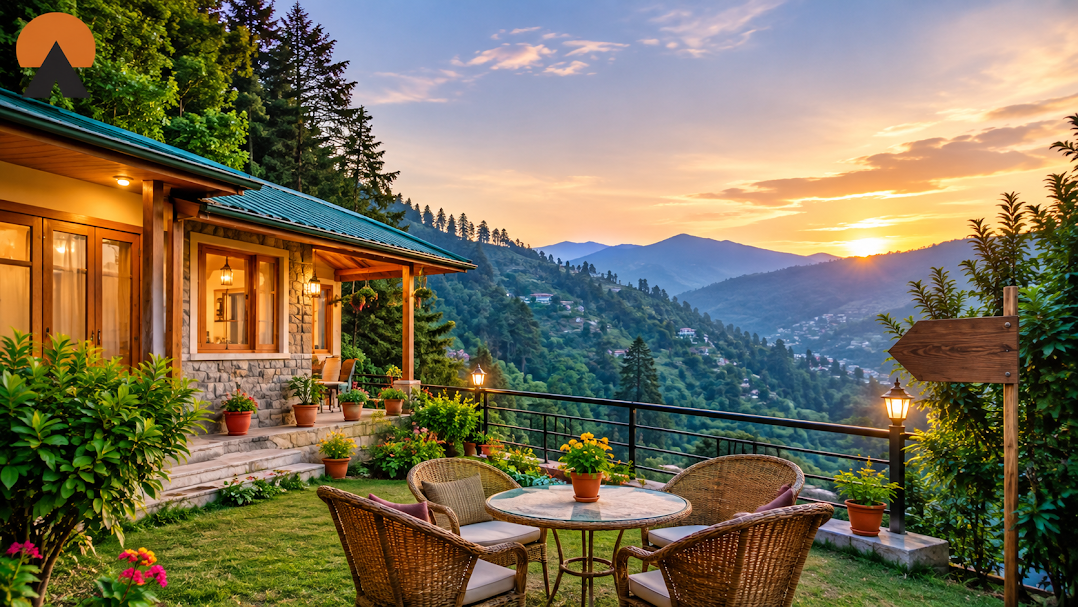
Introduction
Kerala is known for its beautiful backwaters, green landscapes, beaches, hill stations, and rich cultural heritage. But beyond its popular attractions, the state has a distinctive way of life shaped by traditional homes, regional cuisine, festivals, crafts, and close-knit communities. Choosing a kerala house homestay can be a wonderful way to experience these traditions while enjoying the comfort and warmth of a locally hosted property.
Unlike a conventional hotel, a traditional house homestay can bring visitors closer to everyday life in Kerala. Guests may have opportunities to learn about local architecture, enjoy home-cooked meals, interact with hosts, explore nearby villages, and discover customs that have been passed down through generations.
The experience can vary depending on the location and household. A traditional home in a backwater village may offer a different atmosphere from a heritage property in a plantation region or a countryside home surrounded by paddy fields.
If you want your next holiday to include more than sightseeing, understanding what makes a traditional Kerala homestay special can help you choose a stay that suits your interests.
1. Experience the Architecture of Traditional Kerala Homes
One of the most distinctive features of a traditional Kerala house is its architecture. Many older homes were designed to suit the tropical climate, with thoughtful arrangements for ventilation, shade, rain protection, and family life.
Depending on the property, traditional architectural features may include:
-
Sloping tiled roofs
-
Wooden pillars and beams
-
Spacious verandas
-
Open courtyards
-
Traditional flooring
-
Carved wooden doors
-
Large windows and shaded outdoor spaces
Some ancestral homes are known as tharavadu. Traditionally, these homes served as important family residences, often accommodating several generations. Their design reflects the relationship between family structure, local materials, climate, and everyday activities.
A heritage homestay may preserve some of these features while adapting rooms and facilities for modern guests. Before booking, ask which original elements remain and whether the property has been renovated.
2. Understand Local Traditions Through Host Interaction
A major advantage of staying in a family-run property is the opportunity to interact with local hosts.
Conversations over breakfast or dinner can introduce visitors to regional customs, family histories, local celebrations, and everyday routines. Hosts may also suggest places that are not always included in standard sightseeing itineraries.
Depending on the household, you might learn about:
-
Traditional festivals and celebrations
-
Local wedding customs
-
Regional food preparations
-
Traditional clothing and household practices
-
Religious and cultural events
-
Village occupations and crafts
These conversations can make a holiday more meaningful because they provide context about the places you visit.
Always approach cultural experiences respectfully. Some customs and ceremonies are private or religious, so ask before participating or taking photographs.
3. Discover the Flavours of Traditional Kerala Cuisine
Food is often one of the most memorable parts of a locally hosted holiday.
Kerala's cuisine varies across regions and communities. Rice, coconut, vegetables, seafood, spices, and locally available ingredients play important roles in many traditional meals.
Depending on the household and meal arrangements, guests may get to enjoy dishes such as:
-
Appam with vegetable or coconut-based curry
-
Puttu and kadala curry
-
Kerala-style fish curry
-
Avial
-
Thoran
-
Idiyappam
-
Traditional banana chips
-
Payasam
Some homes may also prepare special meals during festivals or family celebrations. A traditional Kerala sadya, for example, is a festive meal served on a banana leaf with a variety of vegetarian preparations.
Not every property offers every dish, so ask the host about meal availability before booking. If you have allergies or dietary preferences, communicate them in advance.
4. Explore the Everyday Rhythm of Village Life
A traditional house homestay can also provide an opportunity to experience the surroundings beyond the property.
Kerala's villages have diverse landscapes, including coconut groves, paddy fields, canals, rivers, small markets, and agricultural areas. A simple walk through a nearby village can reveal details of everyday life that visitors may miss when travelling only between major attractions.
Depending on the location, you might observe:
-
Local markets and small shops
-
Traditional fishing activities
-
Paddy cultivation
-
Coconut-related occupations
-
Coir-making and weaving
-
Village festivals and community events
Kerala Tourism's responsible-tourism initiatives include village experiences in places such as Aymanam, Kumarakom, and Maravanthuruthu, where visitors can learn about local livelihoods, crafts, and community traditions. <Cite refs={["turn797248search3","turn797248search12"]}/>
Remember that villages are residential communities, not open-air attractions. Respect private property and ask permission before photographing residents.
5. Learn About Traditional Crafts and Local Skills
Kerala has a rich tradition of crafts and handmade products. Depending on the destination, travelers may find opportunities to learn about coir-making, weaving, pottery, woodwork, and other traditional skills.
A local host may be able to recommend nearby artisans, workshops, or community-based experiences.
These activities can help visitors understand how traditional skills continue to contribute to local livelihoods.
If you are interested in a particular craft, ask whether demonstrations or workshops are available during your visit. Do not assume that every homestay organizes these activities.
Buying directly from local artisans, where possible, can also help support traditional craftsmanship and small businesses.
6. Enjoy a More Personal Form of Hospitality
Traditional hospitality is an important part of the homestay experience.
In a family-run property, hosts may personally welcome guests, explain the facilities, suggest nearby attractions, and share information about local food and customs.
This smaller-scale setting can make it easier to ask questions and plan activities according to your interests.
However, the level of interaction varies. Some travelers enjoy spending time with hosts, while others prefer more privacy. Before booking, check how meals and common spaces are arranged and whether guests have private rooms and bathrooms.
Kerala Tourism describes village homestays as accommodation that can connect visitors with local lifestyles, architecture, cuisine, and activities. <Cite refs={["turn797248search0","turn797248search1"]}/>
7. Discover Different Traditional House Experiences Across Kerala
Kerala's geography and cultural traditions vary from one district to another. This means a traditional house stay can offer different experiences depending on where you choose to visit.
Backwater Homes in Kumarakom and Alappuzha
Backwater-oriented properties can introduce visitors to waterways, coconut groves, fishing communities, and village landscapes.
Depending on the location, guests may be able to arrange canoe rides, boat trips, or village walks.
Heritage Homes in Central Kerala
Some traditional properties in central Kerala preserve architectural features such as courtyards, wooden interiors, tiled roofs, and spacious verandas.
These stays may appeal to travelers interested in history, architecture, and family traditions.
Countryside Homes in Palakkad
Palakkad's rural landscapes include paddy fields, villages, agricultural areas, and traditional homes.
A countryside stay can be suitable for visitors who want a slower holiday with opportunities to explore local food and rural life.
Plantation Homes in Wayanad and Idukki
In the highland regions, some locally hosted properties are surrounded by plantations, hills, and greenery.
These stays can provide opportunities to learn about local crops and enjoy nature-focused activities, depending on what the property offers.
The best choice depends on whether you are more interested in architecture, food, village life, backwaters, or natural surroundings.
8. Connect With Kerala's Festivals and Cultural Celebrations
Festivals are an important part of Kerala's cultural identity.
Onam is among the state's most widely celebrated festivals. It is associated with traditional meals, floral decorations, cultural activities, and community celebrations.
Other festivals and events vary by region and community. They may include temple festivals, local art performances, religious celebrations, and seasonal gatherings.
Staying with a local family during a festival period may help visitors understand the meaning behind certain traditions.
However, festival dates and public access arrangements can vary. Check the local calendar before planning your trip around a particular event.
If you attend a celebration, follow the host's guidance about clothing, photography, participation, and appropriate behaviour.
9. Enjoy Nature Alongside Cultural Experiences
A traditional house stay does not have to focus only on architecture and food. Many properties are located in scenic surroundings that allow visitors to enjoy nature as part of the holiday.
Depending on the region, you may find:
-
Backwater canals and lakes
-
Coconut and spice plantations
-
Paddy fields
-
Forest landscapes
-
Rivers and village ponds
-
Hill views and gardens
You can combine cultural activities with nature walks, birdwatching, photography, and relaxed outdoor time.
If you want to explore forests or protected natural areas, follow local rules and use authorized guides where required. Ask the host about suitable routes and current conditions.
10. How to Choose the Right Traditional Kerala Homestay
Finding the right property requires more than looking at photographs. Consider the experience you want and compare accommodation accordingly.
Check the Property's Architecture
If traditional design is important, ask about the home's age, architectural features, renovations, and preserved elements.
Confirm Room Facilities
Check the availability of comfortable beds, clean bathrooms, hot water, ventilation, air conditioning, Wi-Fi, and other facilities you need.
Ask About Meals
Confirm whether breakfast, lunch, or dinner is available and whether traditional meals can be arranged.
Read Recent Guest Reviews
Look for repeated comments about cleanliness, hospitality, food, room comfort, location, and noise.
Verify the Location
Check the distance from attractions, transport points, restaurants, and essential services.
Understand the Booking Conditions
Confirm check-in times, cancellation rules, payment requirements, extra-bed charges, and any house rules before paying.
11. Are Homestays in Kerala Suitable for Different Types of Travelers?
Yes. The experience can suit different travel styles, provided you choose a property that meets your needs.
Families
Families may enjoy traditional food, cultural activities, and the opportunity to explore village surroundings. Look for spacious rooms, suitable bedding, safe outdoor areas, and convenient access to services.
Couples
Couples may prefer a quiet heritage home or a property surrounded by greenery. Privacy, outdoor seating, and meal arrangements may be important considerations.
Solo Travelers
Solo visitors can benefit from local recommendations and opportunities to learn about the destination. Confirm transportation and check-in arrangements, particularly when staying in remote areas.
Culture and History Enthusiasts
Travelers interested in architecture, local customs, crafts, and regional food may find traditional homes especially rewarding. Ask hosts about the history of the property and nearby cultural experiences.
Slow Travelers
Those planning a longer holiday can use a homestay as a base for exploring one region at a relaxed pace. Check Wi-Fi, laundry, meals, workspace, and other long-stay requirements before booking.
12. Plan a Three-Day Traditional Kerala Homestay Experience
A short holiday can include a combination of local culture, food, and nature without making the schedule too crowded.
Day 1: Arrive and Explore the Home
Check into your accommodation and take time to understand the property. If the host is available, ask about the home's history, local food, and nearby attractions.
Spend the evening exploring the surrounding area or enjoying a traditional meal.
Day 2: Discover Local Life and Traditions
Choose a village walk, market visit, craft experience, or cultural attraction according to the location.
You can also arrange a suitable nature activity or visit a nearby heritage site.
Day 3: Enjoy a Relaxed Morning
Have breakfast at the property, explore the surroundings, and speak with your host about local recommendations before departure.
The itinerary should be adjusted according to weather, travel time, and the activities available.
Responsible Travel During Your Kerala Stay
Traditional homes and local communities are part of Kerala's living heritage. Travelers can help preserve them by behaving respectfully.
-
Avoid littering and reduce unnecessary plastic use.
-
Conserve water and electricity.
-
Respect religious places and local customs.
-
Ask permission before photographing residents.
-
Avoid entering private areas without permission.
-
Support local restaurants, artisans, guides, and small businesses.
-
Follow instructions during cultural events and nature activities.
Responsible travel helps ensure that tourism benefits local communities while protecting the traditions and landscapes that make the experience special.
Conclusion
A traditional house homestay can offer a memorable way to experience Kerala beyond its popular sightseeing attractions. From distinctive architecture and home-cooked meals to village walks, local crafts, family traditions, and natural surroundings, these stays can help visitors understand the region through everyday experiences.
The key is to choose accommodation that matches your interests. Some travelers may value heritage architecture, while others may prefer backwater landscapes, plantation surroundings, regional cuisine, or opportunities to interact with local hosts.
Before booking, compare the property's location, facilities, recent reviews, meal arrangements, and available experiences. For travelers exploring accommodation across Kerala, Raahghar can be a useful starting point for discovering stays suited to different travel preferences.
Frequently Asked Questions
1. What makes a Kerala house homestay different from a regular hotel?
A traditional house homestay may offer opportunities to experience local architecture, home-style food, host interaction, and everyday cultural traditions. The facilities and level of interaction depend on the individual property.
2. Can I experience traditional Kerala food at a homestay?
Some homestays offer home-cooked regional meals featuring rice, coconut, vegetables, seafood, and traditional preparations. Ask the host about available dishes and meal timings before booking.
3. Are homestays in Kerala suitable for families?
Yes. Many properties can suit families, but it is important to confirm room size, bedding, bathrooms, meals, parking, accessibility, and child-friendly facilities before making a reservation.
4. What should I look for when choosing a homestay in Kerala?
Consider the exact location, cleanliness, recent guest reviews, traditional features, room facilities, food arrangements, host hospitality, transportation, and proximity to the attractions you want to visit.
5. Can I experience village life while staying at a Kerala homestay?
Depending on the location, you may be able to explore local markets, agricultural areas, traditional crafts, waterways, and village activities. Ask your host about respectful community-based experiences available nearby.
Read Our Previous Blog----->What Should You Know Before Booking Homestays in Kottayam for Your Next Trip?

 English
 Arabic
 French
 Spanish
 Portuguese
 Deutsch
 Dutch
 Italiano
 Russian
 Romaian
 Portuguese (Brazil)
 Greek