
Why Quality Workmanship Matters When Choosing an Auto Body Shop
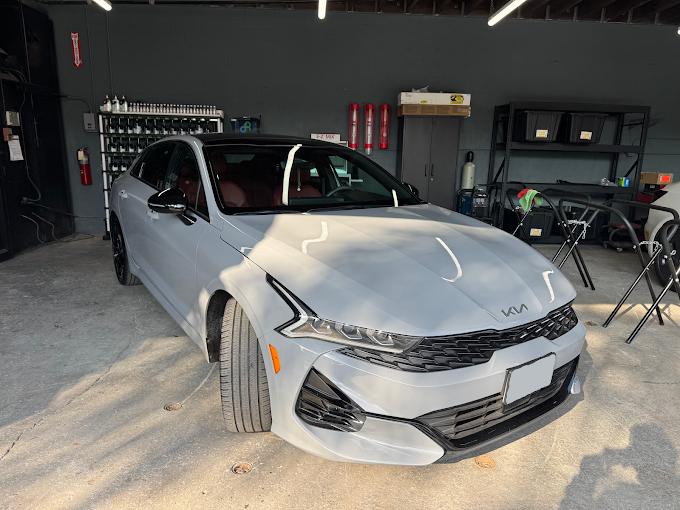
1. Quality Workmanship Protects Vehicle Safety
One of the most important reasons to choose an experienced auto body shop is vehicle safety.
Modern vehicles are designed with specific structural components that help manage collision forces. When an accident damages these areas, proper restoration becomes essential.
For example, a vehicle involved in a front-end collision might have visible bumper damage. However, the impact could also affect internal reinforcement components, mounting brackets, or structural sections.
Simply replacing the bumper cover may improve the vehicle's appearance without addressing the underlying damage.
Professional technicians understand the importance of inspecting affected areas and following appropriate manufacturer repair procedures.
Quality structural repairs may involve:
-
Measuring structural reference points.
-
Identifying distorted components.
-
Using appropriate frame-straightening equipment.
-
Replacing damaged structural sections when necessary.
-
Verifying measurements after repairs.
A vehicle should not be considered properly restored just because it looks normal from the outside.
2. Proper Paintwork Makes a Lasting Difference
Paint quality is one of the first things people notice after a vehicle has been repaired.
A poorly finished paint job can make an otherwise well-repaired vehicle look inconsistent. Differences in color, texture, gloss, or surface smoothness are often noticeable when the vehicle is viewed under natural lighting.
Professional refinishing involves several carefully controlled steps.
First, technicians prepare the damaged surface by sanding, cleaning, and applying the appropriate primer. They then select a suitable paint formula and apply the color and protective clear coat.
Color matching is particularly important because the original factory finish may have faded slightly due to sunlight and environmental exposure.
Experienced technicians may use computerized color-matching systems and blending techniques to achieve a more natural transition between repaired and original panels.
Insider tip: When inspecting completed paintwork, look at the vehicle outdoors in daylight. Move around the repaired area and view it from different angles. This can reveal subtle differences that artificial workshop lighting may hide.
Good paintwork is not simply about making a panel shiny. It is about achieving consistency with the rest of the vehicle.
3. Experienced Technicians Understand Different Repair Methods
Not every vehicle requires the same repair technique. The correct approach depends on the material, location, and severity of the damage.
For example, a small dent on a door may be suitable for paintless dent repair if the paint remains intact and the panel can be accessed properly.
A deeper dent with damaged paint may require conventional bodywork, sanding, filling, and refinishing.
Likewise, repairing aluminum body panels requires different techniques from working with traditional steel components.
Quality workmanship means understanding when to repair a component and when replacement is the better option.
Before selecting a facility, consider asking:
-
Do technicians have experience with your vehicle's make and model?
-
What repair methods are recommended for your damage?
-
Does the facility follow manufacturer repair guidelines?
-
Can the team explain why a particular component needs replacement?
A knowledgeable technician should be able to explain the process without overwhelming customers with unnecessary technical language.
4. Accurate Panel Alignment Improves the Final Result
Panel alignment is another detail that separates professional repairs from careless workmanship.
After an accident, doors, fenders, bumpers, and hood panels may become misaligned. Even when the damaged components are repaired or replaced, incorrect installation can leave uneven gaps.
For example, a replacement fender might appear acceptable from a distance but sit slightly higher than the adjacent door. This difference can affect the vehicle's overall appearance.
Proper alignment requires patience and careful adjustment.
Technicians should check:
-
Consistency of panel gaps.
-
Door opening and closing operation.
-
Hood and trunk positioning.
-
Bumper fitment.
-
Alignment of adjoining body lines.
These details may seem minor, but they contribute significantly to the finished vehicle's appearance and functionality.
5. Quality Repairs Help Preserve Vehicle Value
A vehicle's condition can influence how potential buyers evaluate it in the future.
Visible signs of poor collision repairs may create concerns about the quality of previous work. Uneven paint, mismatched panels, inconsistent gaps, and incomplete finishing can make buyers question whether hidden damage was properly addressed.
On the other hand, professionally documented repairs can help demonstrate that accident-related damage was handled carefully.
Vehicle owners should keep records of:
-
Repair invoices.
-
Parts replacement details.
-
Insurance documentation.
-
Structural repair information.
-
Applicable workmanship warranties.
These documents provide useful information when discussing the vehicle's repair history.
Quality workmanship does not guarantee a particular resale value, but it helps maintain the vehicle's overall condition.
6. Hidden Damage Requires Thorough Inspection
One common mistake vehicle owners make is assuming that an accident has caused damage only where it is visibly noticeable.
Collision forces can travel through different sections of a vehicle. A damaged bumper may conceal broken brackets, while a dented quarter panel may indicate problems with underlying components.
Professional technicians inspect the vehicle before and during disassembly to identify these issues.
For example, removing a damaged rear bumper may reveal that the reinforcement bar or absorber has also been affected.
If these problems are overlooked, the repair may be incomplete even though the exterior looks acceptable.
A detailed inspection process should include:
-
Initial visual assessment.
-
Photographic documentation.
-
Inspection behind damaged panels.
-
Evaluation of structural components.
-
Additional checks when unexpected damage is discovered.
Insider tip: Ask the repair facility whether it will share photographs of hidden damage discovered during disassembly. These images can help you understand why additional repairs are necessary and provide useful documentation for insurance discussions.
7. Modern Equipment Supports Better Repair Accuracy
Professional auto body repair has changed significantly as vehicle designs and materials have become more advanced.
Modern repair facilities may use computerized measuring systems, specialized welding equipment, paint-matching technology, and diagnostic tools.
These tools help technicians work with greater accuracy, particularly when dealing with structural damage and newer vehicle models.
Electronic systems also require attention. Vehicles equipped with parking sensors, backup cameras, and advanced driver-assistance features may need additional testing or calibration following certain repairs.
However, equipment alone does not guarantee quality.
The technicians operating these systems must understand the correct procedures and know how to interpret the results.
A good repair facility combines modern technology with practical experience.
8. Professional Communication Builds Customer Confidence
Quality workmanship also includes how a repair facility communicates with its customers.
Vehicle owners should understand what needs to be repaired, why certain components are being replaced, and what to expect during the process.
Unexpected damage can sometimes extend the repair timeline. A professional shop should communicate these developments rather than leaving customers uncertain.
When comparing body shops in Pasadena CA, it is useful to consider the services offered, repair expertise, and approach to customer communication. Local repair resources can help drivers understand available collision repair and paint and bodywork services before making a decision.
Look for a facility that:
-
Explains repair procedures clearly.
-
Provides updates about unexpected findings.
-
Discusses insurance-related documentation.
-
Answers questions patiently.
-
Explains applicable warranties.
Clear communication makes the repair experience more organized and helps establish realistic expectations.
9. Final Quality Control Should Never Be Rushed
Before a repaired vehicle is returned, technicians should perform a final inspection to confirm that the agreed work has been completed.
This is an important opportunity to identify minor problems before the vehicle leaves the facility.
A final inspection may involve checking paint consistency, panel alignment, replacement components, lighting, and relevant electronic systems.
Depending on the nature of the collision, additional diagnostic checks or road testing may also be appropriate.
Vehicle owners should take a few minutes to review the completed work when collecting their cars. Check the repaired panels, operate the doors and windows, and ask for clarification about anything that does not look or function as expected.
A careful handover reflects the importance of finishing details.
Conclusion
Quality workmanship should be a major consideration when choosing an auto body shop. From structural inspections and accurate panel alignment to professional paint refinishing and electronic system checks, every stage contributes to the overall quality of a vehicle's restoration.
A repair that looks good initially may still have problems if important details have been overlooked. That is why experience, suitable equipment, careful inspections, and transparent communication matter.
Before selecting a repair facility, take time to review its capabilities, ask relevant questions, and understand the proposed repair process. Choosing a shop that values careful workmanship can help protect your vehicle's appearance, functionality, and long-term condition.

 English
 Arabic
 French
 Spanish
 Portuguese
 Deutsch
 Turkish
 Dutch
 Italiano
 Russian
 Romaian
 Greek