
How Passenger and Fuel Loads Affect Boat Handling
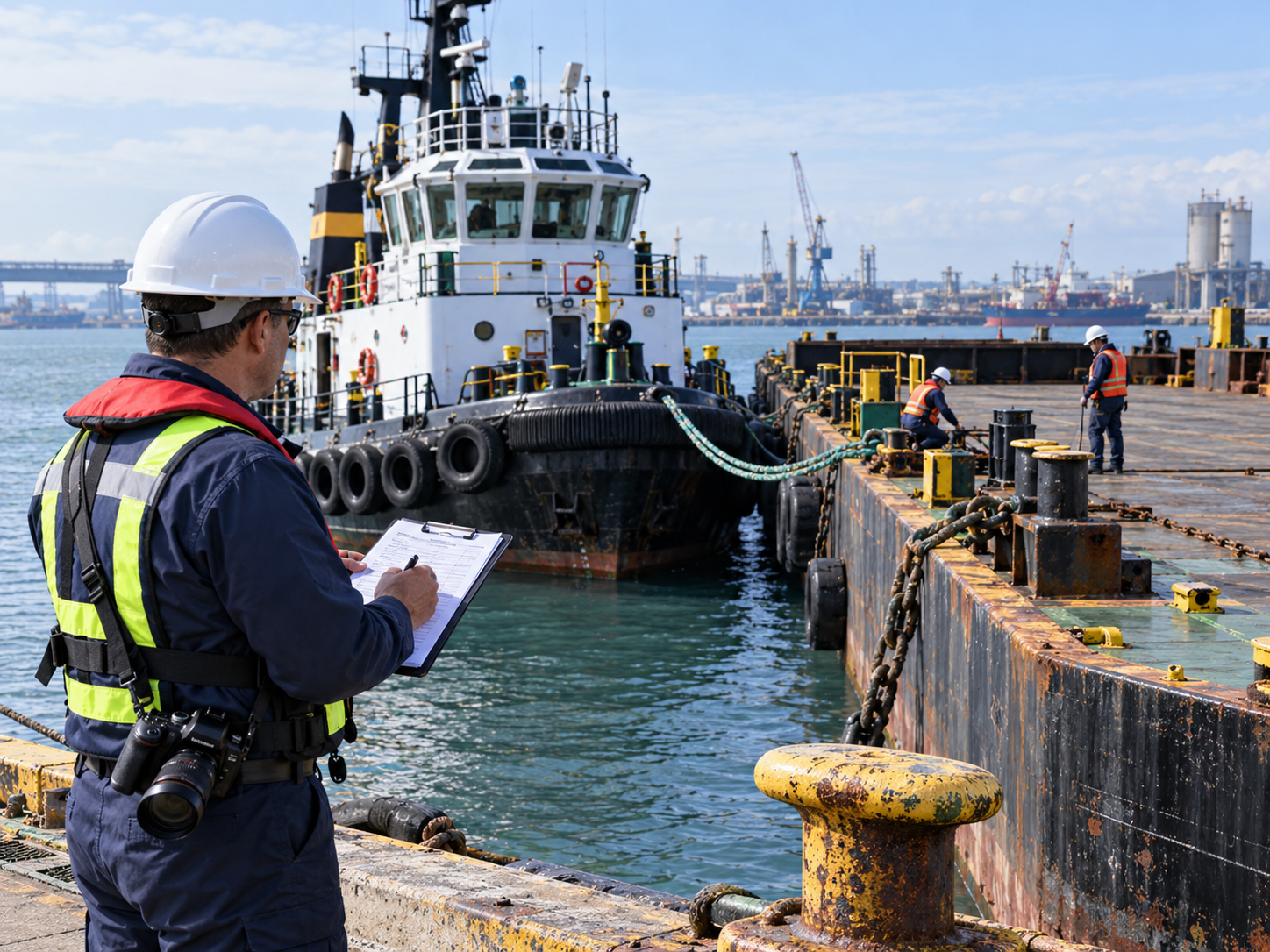
A boat's handling can change significantly depending on how much weight it carries and where that weight is positioned. A vessel that feels balanced with two people aboard may respond differently when carrying a full group, additional equipment, and nearly full fuel tanks. These changes can affect acceleration, steering, visibility, running attitude, and overall stability.
Passenger numbers and fuel levels are therefore important considerations before leaving the dock. The total load matters, but its distribution can be just as important. Understanding how weight affects a vessel helps operators make safer loading decisions, recognize unusual handling behavior, and avoid exceeding the limits established by the manufacturer.
How Passenger and Fuel Loads Change Boat Handling
During normal operation, passenger loading affects how a boat sits in the water and responds to steering and throttle input. Adding people, fuel, gear, and supplies increases displacement, which can change draft, freeboard, acceleration, and the vessel's running attitude. Where that additional weight is placed also influences how the boat behaves.
For example, several passengers sitting toward the stern may cause the bow to rise, particularly on smaller planing boats. This can affect visibility and delay the transition onto plane. Concentrating too much weight forward may produce a different set of handling characteristics, including a lower bow position and greater exposure to waves in some conditions.
The effects vary with hull design, vessel size, engine power, loading limits, and water conditions. A loading arrangement that works on one boat should not automatically be copied to another.
Why Passenger Distribution Matters
Passenger weight is not always evenly distributed. People naturally move around the boat, sit in different areas, or gather near the helm, cockpit, bow, or stern. These movements can change the vessel's balance, especially when several people occupy one side or end.
On smaller boats, an uneven side-to-side load may cause the vessel to list. This can affect comfort, freeboard, and the way the hull responds to waves. A heavily loaded stern can also change the boat's running angle and may increase the amount of water coming aboard in certain conditions.
Operators should distribute passengers according to the manufacturer's guidance and the vessel's design. Keeping weight reasonably balanced from side to side and avoiding unnecessary concentration at the bow or stern can help maintain predictable handling.
Passengers should also remain seated in designated areas while underway, particularly when operating at higher speeds or in rough conditions. Sudden movement from one side to another can alter balance at an inconvenient moment.
How Fuel Weight Affects Trim and Performance
Fuel is often treated as a routine operating requirement, but it also represents a substantial part of a boat's total load. A full fuel tank adds weight, and that weight affects the vessel's displacement and trim.
The location of the fuel tank matters. A tank positioned toward the stern adds weight in that area, while a tank located closer to the center of the vessel has a different effect on longitudinal balance. The same quantity of fuel can therefore influence two boat designs differently.
Fuel consumption also changes the boat's loading condition during a trip. As fuel is used, the vessel becomes lighter, but the change in trim depends on the tank's position and the boat's overall arrangement. Operators should consider how the vessel behaves at different fuel levels rather than assuming that handling will remain identical throughout the journey.
Fuel should also be managed according to the vessel manufacturer's instructions. Operators should not modify tanks, transfer fuel between compartments, or use unapproved storage arrangements to change weight distribution.
The Combined Effect of Passengers, Fuel, and Equipment
Passenger weight is only one part of the total load. Coolers, fishing equipment, batteries, water tanks, anchors, tools, safety equipment, and personal belongings all add weight. When these items are combined with passengers and fuel, the vessel may be carrying considerably more than its operator initially realizes.
A useful way to plan a trip is to consider the complete operating load:
-
Passengers and their personal belongings.
-
Fuel and freshwater.
-
Fishing gear, coolers, and supplies.
-
Anchors, tools, and additional equipment.
-
Tenders or other carried items, where applicable.
The weight of permanently installed equipment should also be considered when evaluating the boat's loading capacity. Operators should follow the capacity information and loading guidance supplied by the manufacturer, including any restrictions on passenger numbers or total weight.
A boat should never be loaded beyond its established limits simply because it appears to sit normally at the dock. Excess weight can reduce freeboard, affect stability, and leave less margin for unexpected waves or changes in operating conditions.
Understanding Trim, Acceleration, and Planing
Trim describes the vessel's running attitude in the water. On a planing boat, the position of the bow and stern changes as speed increases and the hull transitions from displacement operation toward planing.
A heavier load may require more power and time to reach plane. If weight is concentrated toward the stern, the bow may remain elevated longer during acceleration. This can reduce the operator's forward visibility and affect the vessel's response until the hull settles into its running attitude.
Weight positioned too far forward can also affect performance. Depending on hull design and conditions, it may cause the bow to ride lower and make the vessel more sensitive to waves.
Trim tabs or other manufacturer-approved trim systems may help adjust running attitude, but they cannot correct an unsafe loading arrangement or compensate for exceeding capacity limits. Operators should understand the normal use of these systems for their particular boat.
How Uneven Loading Affects Stability
Stability is influenced by the vessel's design, displacement, center of gravity, and how weight is distributed. Adding weight in a high or uneven position can change the boat's response to movement, waves, and turning forces.
For example, placing heavy equipment on an elevated deck may raise the vessel's center of gravity. Concentrating passengers on one side can create a list and reduce the available margin before water approaches openings or the deck edge.
Fuel and other liquid tanks introduce an additional consideration. Liquid can move inside a partially filled tank as the boat rolls or changes direction. This movement, known as the free-surface effect, can reduce stability in some circumstances. Tank design, internal baffles, tank location, and the vessel's arrangement all influence how significant the effect may be.
Operators should avoid making assumptions based only on how a boat looks while stationary. Loading and stability characteristics are vessel-specific, and unusual behavior may require assessment by a qualified marine professional.
Recognizing Handling Changes Before They Become Problems
Operators should pay attention to changes that occur after passengers board or additional fuel and equipment are loaded. A boat that suddenly requires more steering correction, takes longer to accelerate, or develops an unexpected list may not be operating in its usual loading condition.
Other changes worth observing include reduced freeboard, unusual bow rise, poor forward visibility, excessive bow immersion, or water entering areas that normally remain dry.
When a handling change appears, reducing speed and reassessing the situation is more appropriate than attempting to overcome the problem through aggressive steering or throttle adjustments. Passengers should remain in safe positions while the operator evaluates the load and conditions.
The operator should also consider external factors. Wind, waves, current, hull fouling, and mechanical condition can influence handling alongside passenger and fuel weight. Not every performance change is caused by loading alone.
Why Loading Conditions Matter During a Boat Sea Trial
A sea trial provides an opportunity to observe how a vessel operates under a particular set of conditions. Passenger count, fuel level, equipment weight, wind, current, and sea state should be recorded because each can influence the observations.
A lightly loaded boat may accelerate and handle differently from the same vessel carrying a typical passenger group and its usual equipment. For this reason, the conditions during a trial should be considered when reviewing performance, steering, trim, and speed.
A sea trial under one loading arrangement does not establish how a boat will perform in every possible condition. Where handling concerns arise, additional evaluation under appropriate and safely controlled conditions may be useful. The trial should never involve exceeding manufacturer limits or deliberately creating an unsafe load.
Conclusion
Passenger and fuel loads affect more than the total weight of a boat. Their location and distribution can influence trim, acceleration, visibility, steering response, and stability. Equipment, freshwater, and other supplies add to the same overall loading picture.
Operators should follow manufacturer capacity limits, distribute weight appropriately, and remain alert to changes in handling as fuel is consumed or passengers move. Understanding the vessel's response under realistic loading conditions helps support safer and more predictable operation.

 English
 Arabic
 Spanish
 Portuguese
 Deutsch
 Turkish
 Dutch
 Italiano
 Russian
 Romaian
 Portuguese (Brazil)
 Greek