
How Can You Protect Fragile Belongings When Moving to a New Home?
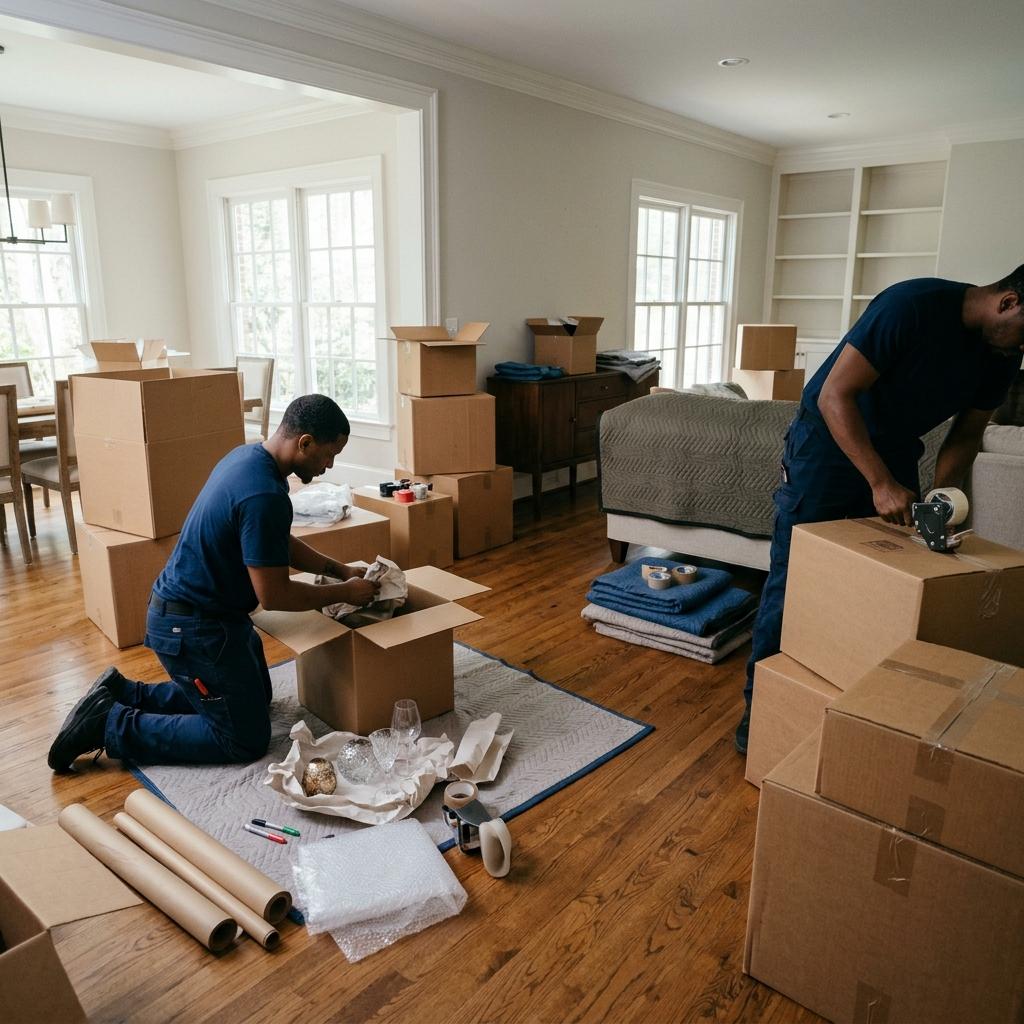
Moving to a new home involves more than transporting furniture and boxes. Some of the most challenging belongings to move are also the easiest to damage. Glassware, decorative pieces, framed artwork, electronics, mirrors, and family heirlooms all require careful preparation before they can be safely transported.
Many homeowners underestimate how much attention fragile items need during a move. Simply placing them inside a cardboard box with a little newspaper is rarely enough. Without suitable materials, proper wrapping, and organized placement, even a short journey can put delicate belongings at risk.
Whether you are relocating across Atlanta or moving to another Georgia community, understanding how to protect fragile possessions can make the entire process more manageable.
Why Do Fragile Items Require Special Attention During a Move?
Household belongings experience different types of movement during transportation. Boxes may shift, vehicles encounter uneven roads, and items can experience pressure when other belongings are stacked nearby.
Fragile possessions are particularly vulnerable because they often have delicate surfaces, irregular shapes, or components that can break under pressure.
For example, drinking glasses can collide when they are packed without individual protection. Picture frames may crack when their corners are exposed, while electronic screens can suffer damage if they are placed in oversized boxes without sufficient cushioning.
The problem is not always the distance between the old and new home. Poor preparation before loading can create risks regardless of how far the moving truck travels.
A thoughtful packing strategy reduces unnecessary movement, separates delicate belongings, and makes it easier to handle each box correctly.
Which Household Items Need Extra Packing Protection?
Before packing begins, identify the belongings that require additional care. Not everything needs the same materials or packing technique.
Kitchenware and Glassware
Plates, bowls, drinking glasses, and ceramic dishes are among the most commonly damaged household items during relocation.
Wrap individual pieces using clean packing paper. Place plates vertically inside suitable dish-pack cartons, using dividers or cushioning to prevent contact between items.
Glasses should be wrapped separately, with additional padding around handles and stems. Avoid leaving empty spaces that allow items to move inside the carton.
Mirrors and Framed Artwork
Mirrors and artwork need protection against pressure, scratches, and accidental impacts.
Use appropriate mirror cartons or protective packaging designed for larger flat objects. Cover exposed corners and place cushioning between the item and the outer container.
Never place heavy boxes on top of artwork or mirrors, even when they appear adequately protected.
Electronics and Home Office Equipment
Televisions, monitors, computers, and other electronic equipment need careful handling.
Original packaging is useful when available because it is designed around the dimensions of the product. Otherwise, choose a suitably sized carton and use protective cushioning.
Keep cables and accessories organized in separate labeled bags. This makes reconnecting equipment easier after arriving at the new property.
Decorative Objects and Family Heirlooms
Vases, collectibles, sculptures, and sentimental possessions can have unusual shapes that make ordinary packing difficult.
Wrap each piece individually, paying attention to protruding parts and delicate surfaces. If an item has significant sentimental or financial value, identify it before packing so the appropriate protection and handling arrangements can be discussed.
What Packing Materials Help Prevent Breakage?
Choosing suitable materials is just as important as knowing how to wrap an item.
Different household belongings require different levels of protection. Using the wrong carton or insufficient cushioning can increase the possibility of damage.
Some commonly used materials include:
-
Packing paper: Provides a protective layer around dishes, glassware, and smaller decorative objects.
-
Bubble wrap: Adds cushioning for mirrors, electronics, and delicate household items.
-
Dish-pack cartons: Offer additional structural protection for kitchenware and glass collections.
-
Sturdy cardboard boxes: Help support belongings during lifting, stacking, and transportation.
-
Corner protectors: Reduce exposure to impacts around the edges of frames and other vulnerable objects.
-
Packing tape: Keeps cartons securely closed during handling.
-
Labels and markers: Identify fragile contents and their intended destination rooms.
Avoid relying on old grocery boxes or containers with weakened bottoms. A box that cannot support its contents properly creates unnecessary handling risks.
Should You Pack Fragile Belongings Yourself or Hire Professionals?
The right approach depends on the size of your move, the number of delicate possessions, and the amount of time available.
Packing independently can work well when you have a small number of belongings, enough preparation time, and access to appropriate materials. However, specialty items often require more attention than ordinary household goods.
A professional packing crew can help organize belongings, select suitable cartons, wrap delicate objects, and prepare boxes for transportation.
Homeowners who want assistance without outsourcing the entire move can also consider partial packing. For example, they might pack clothing, books, and linens themselves while arranging professional help for the kitchen, artwork, mirrors, and electronics.
For households comparing fragile item packing in Atlanta, GA, it is worth considering whether the service can accommodate individual rooms, specialty belongings, or a complete household. Discussing these requirements before packing day helps establish realistic expectations.
The most practical decision is not necessarily to have everything packed by someone else. It is to identify which belongings need specialized attention and plan accordingly.
How Can You Organize a Fragile-Item Packing Process?
A structured approach makes packing easier to manage and reduces confusion when belongings reach their destination.
1. Create an Inventory
Walk through your home and identify fragile possessions in every room. Make a list of artwork, mirrors, glassware, electronics, collectibles, and other delicate belongings.
This helps you estimate the number of cartons and the materials required.
2. Separate Items by Category
Keep similar belongings together whenever practical. Kitchenware should generally remain separate from decorative objects and electronic equipment.
Organizing items by category makes it easier to select suitable packaging and identify boxes that require special handling.
3. Prepare Each Item Individually
Clean and dry suitable household items before wrapping them. Remove detachable components where appropriate and protect vulnerable surfaces.
Avoid placing several unwrapped fragile items inside the same carton.
4. Fill Empty Spaces
Once items are positioned inside a box, check for gaps. Empty spaces allow belongings to move when cartons are lifted or transported.
Use appropriate cushioning to stabilize the contents without forcing delicate objects together.
5. Label Boxes Clearly
Mark fragile cartons on multiple sides so their handling requirements remain visible regardless of how they are positioned.
Include the destination room and a brief description of the contents. Avoid writing vague labels that provide little information when unpacking begins.
6. Keep Important Personal Items Separate
Passports, jewelry, financial documents, medications, and essential personal belongings should remain with you rather than being placed inside ordinary moving cartons.
This makes important items easier to access throughout the relocation.
What Packing Mistakes Should Homeowners Avoid?
Even when people purchase quality packing materials, a few common mistakes can undermine their efforts.
Overloading large cartons: Heavy items placed in oversized boxes can make lifting difficult and increase the chance of the bottom giving way. Use smaller cartons for dense belongings.
Mixing different rooms: Combining kitchenware, bathroom supplies, and decorative objects creates confusion during unpacking. Keep boxes organized by destination room.
Using insufficient cushioning: Wrapping an item once does not necessarily provide enough protection. Choose materials according to its shape, weight, and fragility.
Ignoring box condition: Previously used cartons may have weakened corners, damaged seams, or compromised bottoms. Inspect boxes before using them.
Forgetting to communicate special requirements: If an item has unusual dimensions, sentimental value, or specific handling instructions, identify it before packing begins.
Avoiding these mistakes helps create a more organized moving experience and makes fragile belongings easier to manage.
How Should You Prepare Your Home Before Packing Day?
A little preparation can save time and reduce unnecessary interruptions.
Start by removing belongings you no longer intend to keep. Donating, selling, or disposing of unwanted possessions reduces the number of items that need to be packed.
Clear countertops, tables, and other working surfaces so packing can proceed efficiently. Set aside an essentials bag containing toiletries, chargers, medications, important documents, and a change of clothing.
If professional packers are assisting, communicate which rooms should receive priority. Point out valuable or particularly delicate objects and explain any special requirements.
It is also helpful to consider parking and access to the property. A clear route between the packing area and the moving vehicle makes handling large cartons easier.
Why Does Careful Packing Make Moving Day Easier?
Packing is not simply about placing household possessions inside cardboard containers. It is about preparing everything for handling, transportation, and eventual unpacking.
Well-organized cartons are easier to load, identify, and distribute throughout a new home. Properly protected belongings are also less likely to experience unnecessary movement during transportation.
For families relocating within Atlanta and surrounding Georgia communities, preparing fragile possessions ahead of time can remove one of the most stressful parts of moving.
Ultimately, the best packing strategy combines suitable materials, careful organization, realistic preparation, and appropriate assistance. When every delicate item receives attention before the moving truck arrives, the transition into a new home becomes considerably easier to manage.

 English
 Arabic
 French
 Spanish
 Portuguese
 Deutsch
 Turkish
 Dutch
 Italiano
 Russian
 Portuguese (Brazil)
 Greek