
Pregnancy Back, Hip and Pelvic Pain: Home Relief and When Pregnancy Chiropractic Care in Kansas City Can Help
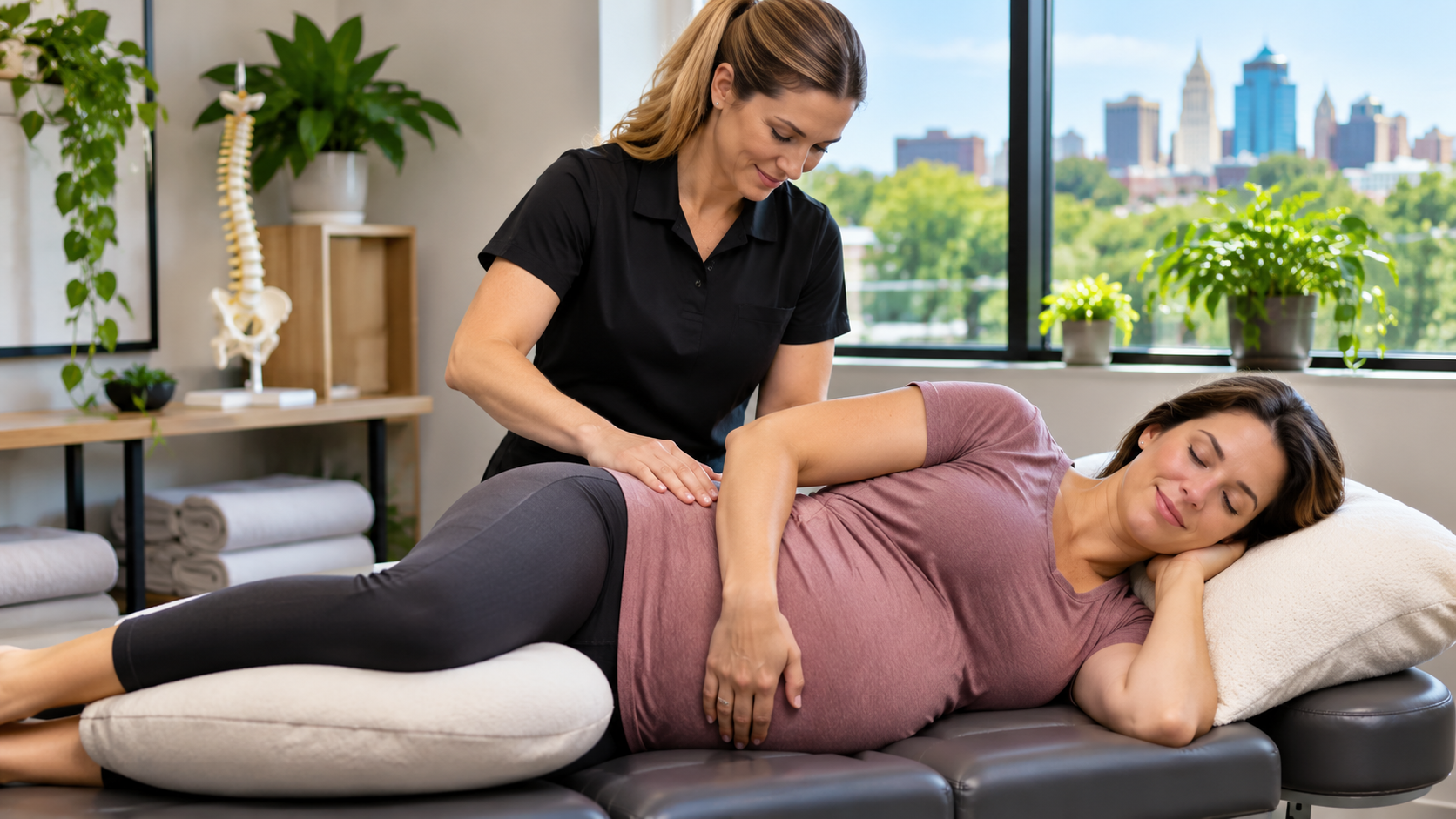
Back, hip and pelvic pain are some of the most common discomforts of pregnancy, and most of them come from normal changes: a growing belly, looser ligaments and a shifting center of gravity. Many moms get real relief from simple habits at home, like side sleeping with pillows, supportive shoes and careful lifting. When pain keeps coming back, pregnancy chiropractic care in Kansas City is one gentle, hands-on option to add, as long as your OB or midwife agrees and you've ruled out warning signs first.
I've put this guide together for expecting moms who are tired of hurting and want a clear plan. It starts with why pregnancy pain happens, moves through the different kinds of pain and what helps each one at home, then covers when it makes sense to see a chiropractor and when you should call your provider instead.
If you're already leaning toward hands-on care, it's worth reading how one Northland clinic describes its approach to pregnancy chiropractic care in Kansas City, including pregnancy tables and the Webster Technique. Then come back here for the home care side of things, which matters just as much.
Why pregnancy causes back and pelvic pain
Pregnancy pain has a few clear causes, and knowing them makes the fixes easier to understand.
The American College of Obstetricians and Gynecologists explains that backache is one of the most common pregnancy problems, especially in the later months. According to ACOG:
- Your growing uterus shifts your center of gravity and stretches and weakens your abdominal muscles, which changes your posture and strains your back.
- The extra weight you're carrying means more work for your muscles and more stress on your joints, which is why your back may feel worse at the end of the day.
- A pregnancy hormone relaxes the ligaments in the joints of your pelvis to prepare for birth, and back pain can occur if those joints become too flexible.
Put those together and you have a spine and pelvis doing more work with less support. That's the root of most of the pain types below.
How pain tends to change by trimester
Knowing what's typical for each stage helps you tell normal discomfort from something worth a call.
First trimester. Back pain is usually mild. Fatigue and nausea often lead to less movement and more slouching, which can leave the neck and low back stiff.
Second trimester. Round ligament pain often shows up as the belly grows. Low back pain becomes more common, and some moms first notice SI joint or hip pain.
Third trimester. The pelvis carries the most load. Pubic pain, SI joint pain, hip pain at night and rib discomfort are all common. Sleep often gets harder, which makes everything feel worse.
If your pain pattern suddenly changes, like a new type of pain or pain that comes and goes in a regular rhythm, call your OB or midwife instead of waiting for your next appointment.
The main types of pregnancy pain
Not all pregnancy pain feels the same. Naming it helps you choose the right relief.
Low back pain
A dull or achy pain across the low back, often worse after standing, walking or a long day. It's tied to posture changes and weaker abdominal support.
Sacroiliac (SI) joint pain
A sharper pain on one or both sides of the low back, right where the dimples sit above the buttocks. It can flare when you stand on one leg, climb stairs or roll over in bed. It's linked to the looser ligaments around the pelvis.
Pubic pain (symphysis pubis dysfunction)
Pain at the front of the pelvis, right over the pubic bone. It often gets worse with walking, stairs, getting in and out of the car, putting on pants and rolling over. Many moms describe a grinding or clicking feeling.
Round ligament pain
A sharp or pulling pain on one or both sides of the lower belly, usually in the second trimester. It often hits when you stand up quickly, cough, sneeze or turn over in bed. The round ligaments support the uterus and stretch as it grows.
Hip pain
Aching on the outside of the hip or deep in the buttock, often worst at night when lying on one side.
Sciatica-type pain
Pain, tingling or burning that runs from the buttock down the back of the leg. In pregnancy, tight muscles around the pelvis can irritate nerves in that area. New numbness or leg weakness needs a call to your provider.
Upper back, neck and rib pain
As the chest and belly grow, the upper back rounds forward and the ribs get crowded. Many moms feel tension between the shoulder blades or a sore spot along the ribs late in pregnancy.
Home relief that works for most moms
The good news is that most pregnancy pain responds to simple changes. ACOG and Mayo Clinic both recommend a similar set of habits, and they're the first things I'd try.
Wear the right shoes and support
ACOG suggests low-heeled, but not flat, shoes with good arch support, such as walking or athletic shoes, and advises avoiding high heels because they tilt your body forward and strain the low back. ACOG also mentions abdominal support garments and maternity pants with a wide band under the belly to help take weight off your back muscles.
Sit and stand smarter
Choose chairs with good back support, or tuck a small pillow behind your low back. If you have to stand for a long time, ACOG suggests resting one foot on a stool or box to take strain off your back. Switch feet every so often.
Lift with your legs
ACOG's advice is to squat down, bend your knees and keep your back straight, and not to bend at the waist to pick things up. If you have a toddler at home, let them climb onto your lap or a step stool instead of lifting them from the floor each time.
Sleep on your side
ACOG says sleeping on your side is best later in pregnancy, with one or both knees bent. A pillow between your knees and another under your belly can help, and a full-length body pillow does both jobs at once.
Use heat or cold carefully
A heating pad or warm water bottle can ease sore muscles. ACOG recommends using the lowest setting, wrapping it in a towel to prevent burns and limiting how long you use it. Cold compresses can also help.
Keep moving
ACOG notes that staying active during pregnancy, if you have no complications, reduces back pain. Walking is generally safe and great for the back, and water exercise can be especially helpful because the water supports your weight. Always check with your provider before starting or changing an exercise routine.
Relief tips by pain type
Some pain types respond to specific tweaks.
For SI joint and pubic pain:
- Keep your knees together when rolling over in bed and getting in and out of the car
- Take stairs one step at a time, leading with the less painful leg
- Sit down to put on pants, socks and shoes
- Avoid wide stances, like stepping over things or long strides
- Ask your provider about a pelvic support belt
For round ligament pain:
- Move slowly when standing up or turning over
- Bend your hips and knees before a cough or sneeze
- Support your belly with your hand when you change positions
For hip pain at night:
- Put a pillow between your knees and ankles to keep your hips level
- Try a softer mattress topper
- Switch sides during the night if you can
For upper back and neck tension:
- Raise your phone and computer screen to eye level
- Do gentle shoulder rolls and chin tucks during the day
- Wear a supportive bra as your chest changes
When pregnancy pain needs a call to your OB first
Not every ache in pregnancy is muscular. Some pain is a signal that something else is going on, and that always comes first.
ACOG says to call your OB or other obstetric care provider if you have severe back pain or pain that lasts more than two weeks, so they can rule out other causes. ACOG also notes that back pain can be a symptom of preterm labor or a urinary tract infection, and says to contact your provider if back pain comes with:
- A fever
- Burning during urination
- Vaginal bleeding
You can read the full guidance in ACOG's FAQ on back pain during pregnancy. It's short, clear and written for patients.
I'd add a few more reasons to call before booking a chiropractor:
- Regular cramping or tightening that comes and goes
- Pain after a fall or car accident
- New numbness or weakness in your legs
- Pain, swelling or warmth in one calf
- A sudden, severe headache or vision changes
Once your provider has ruled out other causes, ACOG notes they may recommend a rehabilitation specialist or physical therapist. Many moms also add a chiropractor at this point, with their provider's blessing.
When pregnancy chiropractic care makes sense
Chiropractic care is best suited to muscle and joint pain that keeps coming back despite good home habits. If you've tried better shoes, side sleeping and careful lifting and you're still hurting, it's a reasonable next step.
Pregnancy chiropractic care in Kansas City usually focuses on:
- Low back pain that builds through the day
- SI joint pain on one or both sides
- Pubic pain that makes walking and stairs hard
- Round ligament tension
- Hip and buttock pain, especially at night
- Upper back and neck strain
A good prenatal chiropractor uses a pregnancy table or pillows, gentle adjustments and soft tissue work. Many are trained in the Webster Technique, a specific analysis and adjustment of the sacrum and pelvis.
What it won't do
I want to be clear here, because some websites overpromise. Chiropractic care is not a treatment for nausea, blood pressure, swelling or other medical complications. The evidence that it can turn a breech baby or shorten labor is weak. Its strength is comfort and better movement for the spine and pelvis.
What the research says about safety
Reports of serious problems from spinal manipulation during pregnancy are very rare, according to the National Center for Complementary and Integrative Health, though research on the topic is limited. NCCIH's advice is to discuss the risks and benefits with your health care provider before you start. That's the approach I'd follow.
What a first visit looks like
If you decide to try it, a first visit usually goes like this:
- History. Due date, past pregnancies, complications, medications and your OB or midwife's name.
- Pain review. Where it hurts, when it started and what makes it better or worse.
- Exam. How your pelvis and spine move, hip and leg checks and simple reflex tests. X-rays are generally avoided during pregnancy.
- Gentle treatment. Often on a pregnancy table, or side-lying later on.
- Home plan. A few stretches and habit changes to try before the next visit.
Mild soreness for a day after the first visit is possible. Sharp or worsening pain is not normal and should be reported.
Questions to ask before choosing a prenatal chiropractor
Not every chiropractor has the same prenatal experience. When you call offices, these questions help sort them quickly:
- Do you have specific prenatal training or Webster Technique certification?
- What tables or pillows do you use for each trimester?
- How do you handle pubic pain and SI joint pain differently?
- Do you coordinate with OBs, midwives and physical therapists?
- What's your plan if my pain doesn't improve after a few visits?
- What insurance do you accept, and what does a visit cost if I self-pay?
Listen to how they answer the fifth question. A chiropractor who sets a check-in point and is willing to refer you elsewhere is putting your comfort first. Be cautious about large prepaid packages, especially ones that run past your due date.
Location matters too. In the third trimester, a long drive across town gets old fast. For moms in the Northland near Barry Road, Gladstone or Liberty, choosing pregnancy chiropractic care in Kansas City close to home makes it much easier to keep appointments.
Common myths about pregnancy pain
A few beliefs keep moms hurting longer than they need to.
"Pain is just part of pregnancy, so nothing helps." Some discomfort is common, but simple changes often make a real difference. Shoes, sleep setup and lifting habits are a good place to start.
"Rest is always best." Long stretches of rest can leave muscles stiffer. ACOG notes that staying active, when you have no complications, reduces back pain.
"Flat shoes are the safest choice." ACOG specifically suggests low-heeled, but not flat, shoes with good arch support.
"A chiropractor will crack my back hard." Prenatal adjustments are gentle and often use drop tables or small instruments. Many moms say visits feel more like a stretch.
"If my OB didn't mention it, I shouldn't bring it up." Always ask. Your provider would rather know what you're trying.
What to bring to your first visit
A few things make the first appointment smoother:
- Your due date and how many weeks along you are
- Your OB or midwife's name and any precautions they've given you
- A list of medications and prenatal vitamins
- A short pain diary with your daily 0 to 10 scores
- Comfortable clothes you can move in
Sharing your pain diary helps the chiropractor see patterns, like pain that's worse after work or after a night on one side, and tailor pregnancy chiropractic care in Kansas City to how your days actually go.
Building a pain relief team
The moms I've seen do best usually have more than one kind of support. Think of it as a small team, with your OB or midwife in charge.
Your OB or midwife rules out medical causes, tracks your pregnancy and approves everything else.
A physical therapist, especially one who works with the pelvic floor, can be very helpful for significant pubic or pelvic pain and can teach strengthening exercises.
A prenatal chiropractor offers gentle, hands-on care for the spine, pelvis and hips.
A prenatal massage therapist can ease tight muscles in the back, hips and shoulders.
You do the daily work: shoes, sleep setup, lifting habits and staying active.
Tell each person on your team what the others are doing. That's how pregnancy chiropractic care in Kansas City fits safely into the bigger picture.
How Kansas City routines add to the strain
Daily life in Kansas City brings a few extra challenges for pregnant backs.
Commutes. Long drives on I-29 or I-435 keep you sitting with your belly pressing forward. Move your seat back as your belly grows, use a small lumbar pillow and stop to walk on longer trips.
Desk jobs. Raise your screen, keep your feet supported and stand up every 30 to 45 minutes.
Winter weather. Ice and snow are real hazards when your balance is already shifting. ACOG notes that the extra weight in front of your body shifts your center of gravity and makes you more likely to lose your balance and fall. Wear shoes with good grip, take short steps and use railings.
Summer heat. Hot, humid days make outdoor walks harder. ACOG advises against exercising outside when it's very hot or humid, so move your walks indoors or to early morning.
Older kids at home. Lifting a toddler is one of the biggest strains in a second or third pregnancy. Squat to their level and let them climb up to you.
After the birth
Pain doesn't always stop on delivery day. ACOG notes that back pain usually goes away after the baby is born, but for many women it lingers for months. New strains also show up: feeding positions, carrying a car seat and lifting a stroller.
ACOG's postpartum guidance says to talk with your OB if you have back, neck or joint pain, and notes they may suggest a physical therapist. Once you're cleared, many moms continue with their chiropractor for postpartum strain, and some move into broader family chiropractic care in Kansas City so the whole household can see one office.
A simple daily routine for pregnancy pain
Small habits done every day add up. This is a routine I like for busy moms:
- Morning: a few cat-cow stretches on hands and knees before getting dressed, and supportive shoes on before you head out
- During work: a lumbar pillow, feet supported and a short walk every 30 to 45 minutes
- Afternoon: a 15 to 20 minute walk if your provider says it's safe
- Evening: heat on the lowest setting for 10 to 15 minutes on sore muscles
- Bedtime: side sleeping with a pillow between the knees and one under the belly
Keep a note on your phone rating your pain from 0 to 10 each day. It helps you spot patterns and gives your OB, physical therapist or chiropractor useful details.
My final take
Back, hip and pelvic pain are part of pregnancy for many moms, but they don't have to run your days. Start with the basics: supportive shoes, side sleeping, careful lifting, staying active and heat or cold when you need it. Know the red flags, and call your OB or midwife first when pain is severe, lasts more than two weeks or comes with bleeding, fever, contractions or burning during urination.
When pain keeps coming back despite good habits, pregnancy chiropractic care in Kansas City is a gentle option worth discussing with your provider. Choose a prenatal-trained chiropractor who explains things honestly and works alongside the rest of your care team.
Frequently Asked Questions
1. Is back pain normal during pregnancy?
Yes, back pain is one of the most common pregnancy problems, especially in the later months. It's usually caused by a shifting center of gravity, weaker abdominal muscles, extra weight and pregnancy hormones that loosen the pelvic joints. Severe pain or pain lasting more than two weeks should be checked by your OB.
2. What helps pregnancy back pain at home?
Low-heeled shoes with good arch support, side sleeping with pillows, sitting with low back support and lifting with your legs all help. Heat on the lowest setting, cold packs, walking and water exercise can ease pain too. Check with your provider before starting a new exercise routine.
3. What is the best sleeping position for pregnancy back pain?
Sleeping on your side is best later in pregnancy, with one or both knees bent. A pillow between your knees and another under your belly can ease strain on your back and hips. A full-length body pillow is a simple way to support both at once.
4. What causes pubic bone pain during pregnancy?
Pubic bone pain, often called symphysis pubis dysfunction, happens when the joint at the front of the pelvis becomes looser and more sensitive. Walking, stairs and rolling over in bed often make it worse. Keeping your knees together when moving and physical therapy can help.
5. Can a chiropractor help with pregnancy hip pain?
A prenatal chiropractor may help ease hip and buttock pain by improving how the pelvis and hips move and releasing tight muscles. Care uses pregnancy tables or side-lying positions and gentle techniques. Talk to your OB or midwife first, and keep up home habits like pillows between the knees.
6. Is sciatica common in pregnancy?
Many pregnant women feel sciatica-type pain running from the buttock down the back of the leg, often from tight muscles around the pelvis. Stretching, walking and gentle hands-on care can help. New numbness, tingling that won't go away or leg weakness should be checked by your provider promptly.
7. When is back pain in pregnancy an emergency?
Call your OB or midwife right away if back pain comes with fever, burning during urination, vaginal bleeding or regular cramping. These can signal preterm labor or a urinary tract infection. Also call for severe pain, pain after a fall or pain that lasts more than two weeks.
8. Is chiropractic care safe while pregnant?
Reports of serious problems from spinal manipulation during pregnancy are very rare, though research is limited. Discuss it with your OB or midwife before starting. Choose a chiropractor with prenatal training who uses pregnancy tables or pillows and gentle techniques suited to your trimester.
9. Should I see a physical therapist or a chiropractor?
Both can help, and many moms use both. A physical therapist, especially a pelvic floor specialist, focuses on exercises and strengthening for pelvic pain. A prenatal chiropractor focuses on gentle, hands-on care for the spine and pelvis. Your OB or midwife can help you decide.
10. Does pregnancy back pain go away after birth?
Back pain usually goes away after the baby is born, but for many women it lingers for months. Feeding, lifting a car seat and carrying the baby can add new strain. Talk to your OB about postpartum pain, and ask whether a physical therapist or chiropractor could help.

 English
 Arabic
 Spanish
 Portuguese
 Deutsch
 Turkish
 Dutch
 Italiano
 Russian
 Romaian
 Portuguese (Brazil)
 Greek