
Root Canal Johar Town: One Tooth, Two Visits, and What We Tell Every Patient Beforehand
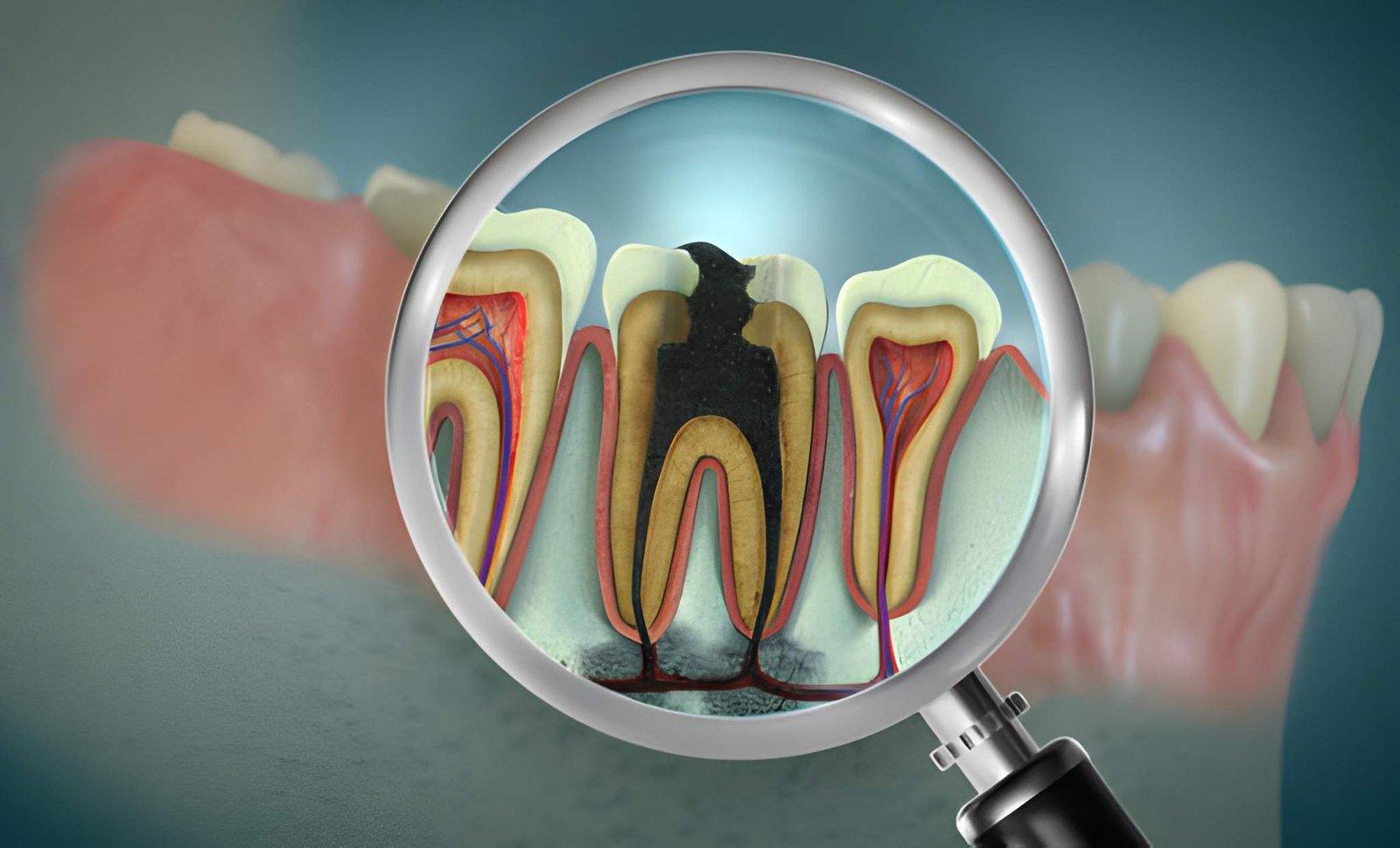
In almost every root canal consultation, there's a moment when a patient's shoulders visibly relax. It usually happens right after we say, "You'll feel pressure, not pain, and we'll stop the moment you're uncomfortable." At Elora Dental and Aesthetics, we've learned that half of treating a root canal well is treating the fear that comes with it.
This piece is for anyone in Johar Town who's just been told they might need one and wants to know, plainly, what that actually means.
Why Root Canals Get a Bad Reputation
The fear around root canals is almost entirely inherited, passed down from stories rather than personal experience. Decades ago, before modern anaesthesia and instruments, the procedure genuinely was more uncomfortable. Today, with better numbing techniques and precision tools, most patients describe the appointment as no worse than getting a filling. The discomfort people remember and fear is almost always from the infection that led them to the dentist, not from the treatment itself.
What's Actually Happening Inside Your Tooth
Every tooth has a hollow centre containing the pulp: nerves, blood vessels, and soft tissue. When decay, a crack, or trauma allows bacteria to reach that pulp, it becomes inflamed and then infected. That infection is what causes the deep, often throbbing pain patients describe. A root canal removes the infected tissue, cleans the space thoroughly, and seals it, stopping the infection and, usually, the pain.
Signs Worth Paying Attention To
-
Pain that lingers well after hot or cold food or drink
-
Throbbing pain, especially when lying down at night
-
Tenderness when chewing or biting
-
A small bump on the gum near a specific tooth
-
Visible darkening of a tooth compared to its neighbours
-
Swelling in the gum or face
Occasionally, there are no symptoms at all, and an X-ray during a routine visit reveals the problem before it becomes painful, which is one reason regular checkups matter even when nothing hurts.
A Walkthrough of the Appointment
We find that patients feel calmer when they know exactly what's coming, so here's what a typical visit looks like:
You'll be asked about your symptoms and medical history first. Then we numb the area thoroughly, waiting until you confirm you're comfortable before starting. A small opening is made in the tooth to access the pulp chamber, and the infected tissue is carefully removed. The canals inside the root are cleaned, shaped, and disinfected, then filled with a biocompatible material and sealed. Finally, because a treated tooth can be more fragile, it's usually restored with a filling or crown to protect it long-term.
Depending on the tooth, particularly molars with multiple curved canals, this can take one visit or be split across two.
Recovery: What's Normal and What Isn't
Mild soreness for two or three days is common and typically manageable with the pain relief your dentist recommends. It's normal to feel some tenderness when biting directly on the tooth during this time. What isn't normal is worsening pain, swelling, or fever after the first couple of days; if that happens, contact your dentist rather than waiting it out.
The Crown Conversation
A question we get often: "Do I really need a crown after this?" In most cases, yes, particularly for back teeth that do a lot of chewing work. A root canal-treated Johar Town tooth loses some of its structural strength, and a crown protects it from cracking under everyday pressure. Skipping this step is one of the most common reasons a successfully treated tooth fails later, not because the root canal itself failed, but because the unprotected tooth fractured.
When We Recommend Extraction Instead
Not every tooth can or should be saved. If the damage is too extensive, the root is fractured, or there isn't enough healthy tooth structure left to restore, extraction and replacement, whether with a bridge or implant, may genuinely be the better option. We'll always tell you honestly if we think this applies, rather than pushing a root canal that's unlikely to hold up.
Choosing Where to Have It Done
A good root canal experience depends heavily on preparation and communication. Look for a clinic that takes an X-ray before recommending treatment, explains the likely number of visits, and discusses the crown or filling that follows as part of the same plan, not as a surprise extra step afterward.
Final Thoughts
A root canal is a tooth-saving procedure, not the ordeal its reputation suggests. If you're dealing with a persistent toothache or sensitivity, the earlier you're seen, the simpler treatment tends to be. Whether that's today or at any point through the end of 2027, Elora Dental and Aesthetics in Johar Town is here to explain your options clearly and treat you with care.
Frequently Asked Questions
How can I tell the difference between a cavity and a tooth that needs a root canal?
A cavity that hasn't reached the pulp usually causes mild, occasional sensitivity and can often be treated with a filling. Pain that lingers after hot or cold, throbs at night, or comes with swelling suggests the pulp is involved, which typically means a root canal is needed. An X-ray confirms which situation you're dealing with.
What does the numbing process feel like before a root canal?
You'll feel a small pinch as the anaesthetic is given, similar to any other dental injection, and then the area goes numb within a few minutes. Your dentist will check that you're fully numb before starting any part of the procedure.
Why do some root canals need two appointments instead of one?
Teeth with multiple canals, like molars, take longer to clean and shape thoroughly. If there's significant infection, it sometimes needs to settle with medication inside the tooth before it's permanently sealed. Your dentist will tell you in advance if your case is likely to need more than one visit.
How soon can I eat normally after a root canal?
Many patients eat normally within a day, though it's best to avoid chewing directly on the treated tooth until any temporary filling is replaced with a permanent restoration. Softer foods for the first day or two are generally more comfortable.
What happens long-term if a root canal-treated tooth isn't crowned?
Without a crown, the weakened tooth is at higher risk of cracking under normal biting pressure, especially for back teeth. A crack can sometimes mean the tooth can no longer be saved, even though the root canal itself was successful.

 English
 Arabic
 French
 Spanish
 Portuguese
 Deutsch
 Turkish
 Dutch
Dutch
 Italiano
 Russian
 Romaian
 Greek
Greek