
Arm Pain Relief in Celina, TX: How to Decide Between Rest, Home Care and Getting Checked
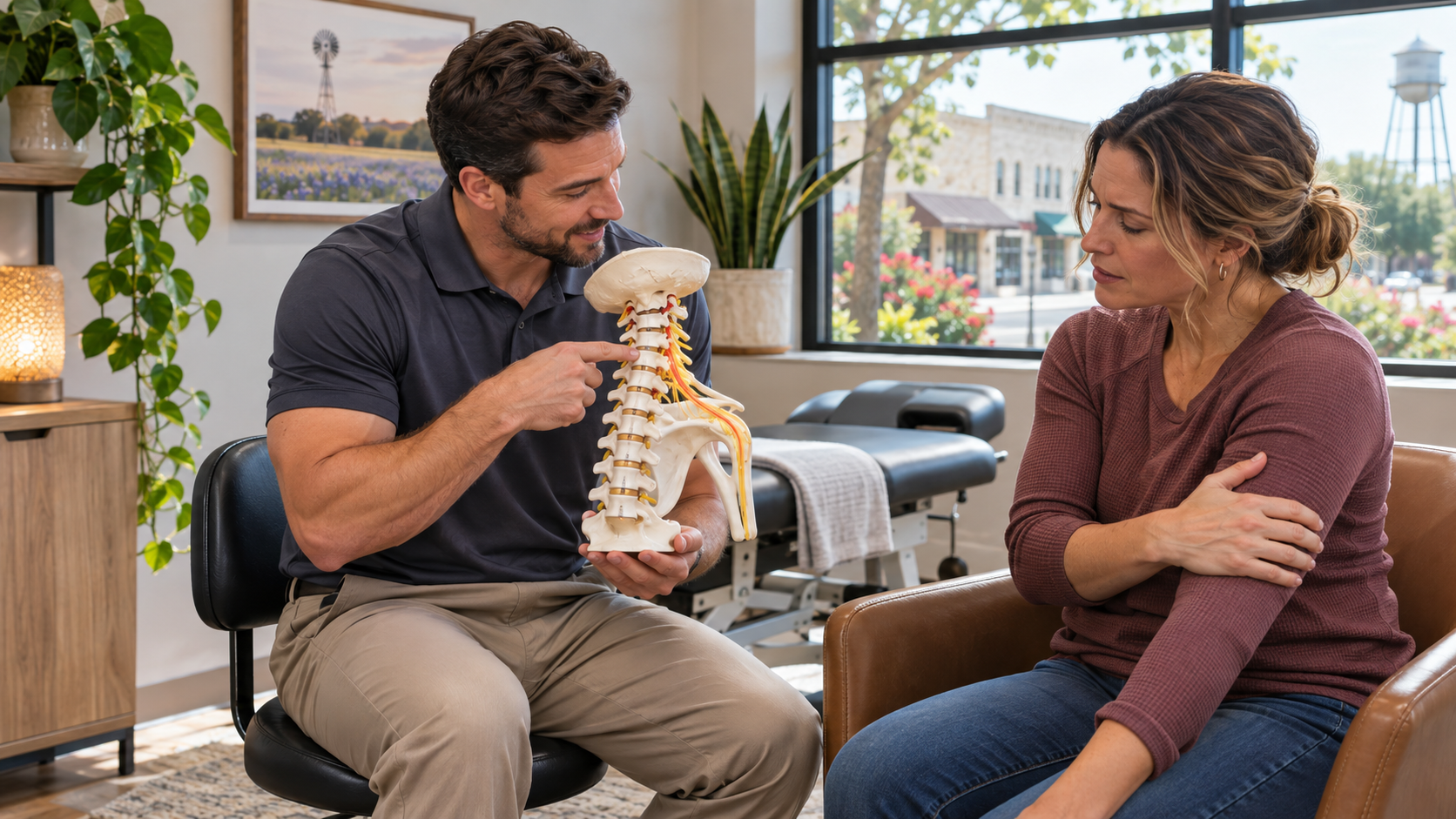
When your arm starts hurting, the hardest part is often not the pain itself. It is the uncertainty. Should you rest it and wait? Grab an ice pack? Push through your workout? Or book an appointment before it gets worse? Most people guess, and in my experience, they usually guess in one of two directions: they either panic over something minor or they ignore something that needed attention weeks ago.
This guide is my attempt to replace guessing with a simple decision process. I will walk you through how to sort arm pain into three buckets: emergencies, problems that need an exam, and problems that usually settle with smart home care. I will also explain what a good first visit looks like if you decide to look for arm pain relief in Celina, and how to track your symptoms so you can make better decisions along the way.
The Quick Decision Framework
Arm pain falls into three practical categories, and the first step is always to figure out which one you are in. Before anyone starts looking for arm pain relief in Celina, TX, this is the sorting step I would want them to do.
- Emergency: Call 911 or go to the emergency room now.
- Get checked soon: Book an exam within days, not weeks.
- Smart home care first: Try simple steps for one to two weeks and watch closely.
Everything below helps you place yourself in the right category. If you are ever unsure between two categories, choose the more cautious one.
Category 1: Arm Pain That Is an Emergency
Some arm pain is a warning sign of something serious that has nothing to do with muscles or joints. Call 911 right away if you have arm pain with any of the following:
- Chest pain, pressure, squeezing or fullness.
- Shortness of breath.
- Cold sweat, nausea or lightheadedness.
- Pain spreading to the jaw, neck, back or stomach.
- Sudden weakness or numbness on one side of the body.
- Facial drooping, slurred speech or confusion.
- A visible deformity, a popping sound with immediate severe pain, or rapid swelling after a fall or accident.
- An arm that is cold, pale or blue.
Left arm pain with chest discomfort is a classic heart attack warning sign, but heart attack symptoms do not always look dramatic, especially in women. Do not drive yourself, and do not wait to see if it passes. These situations need emergency medical care, and no home remedy or chiropractic visit is the right first step.
Category 2: Arm Pain That Needs an Exam Soon
These signs are not usually emergencies, but they do mean that waiting it out is a poor strategy. Book an exam within a few days if you notice:
- Tingling, numbness or pins and needles in the arm, hand or fingers.
- Weakness, such as dropping things, trouble gripping, or difficulty lifting your arm.
- Pain that travels from the neck or shoulder blade down the arm.
- Pain that wakes you at night or makes it hard to find a comfortable sleep position.
- Pain that is getting worse instead of better after a week.
- Pain that keeps returning every time you go back to normal activity.
- Pain after a minor accident, such as a fender bender or a fall, even if it seemed fine at first.
Several of these signs point toward nerve involvement, often from irritation at the neck, the elbow, or the wrist. Nerve symptoms deserve attention earlier rather than later. If tingling is your main complaint, it helps to understand how numbness and tingling in the arms and hands can be connected to the spine and posture.
Why Weakness Changes the Picture
Pain alone is uncomfortable. Weakness tells you that a nerve or tendon may not be doing its job properly. If you notice your grip fading, your coffee mug feeling heavier, or your arm tiring much faster than usual, move straight to the exam category. Weakness that is getting worse quickly, or that comes with trouble walking or clumsy hands, needs urgent medical evaluation.
Category 3: Arm Pain That Usually Responds to Smart Home Care
Many cases of arm pain come from overuse, a minor strain, or a few bad days of posture. These often improve with good home care. You are likely in this category if:
- You can point to a clear cause, like a long day of yard work, a new workout, or a weekend of moving furniture.
- The pain stays in one area, such as the elbow or the front of the shoulder.
- There is no tingling, numbness or weakness.
- The pain is mild to moderate and slowly improving.
- You can sleep reasonably well.
If that describes you, the next section is your playbook. Give it one to two weeks. If things are not clearly improving by then, move up to Category 2.
Arm Pain by Location: What Different Spots Can Suggest
Where your arm hurts gives useful clues about what might be going on. This is not a diagnosis, but it helps you describe your symptoms and decide which category you fall into.
Top and Outside of the Shoulder
Pain here often relates to the rotator cuff tendons or the bursa, a small fluid-filled sac that cushions the shoulder. It usually hurts more when you lift your arm out to the side or reach overhead. Pain in this area can also come from irritated nerves in the upper neck, especially if it travels down the outer upper arm.
Upper Arm
A deep ache in the upper arm is often referred from the shoulder or the neck rather than coming from the arm itself. If it comes with tingling or follows a line from the neck, it leans toward nerve involvement.
Outside of the Elbow
Pain on the outer elbow that worsens with gripping, lifting a mug or turning a doorknob is commonly linked to irritated forearm tendons, the problem often called tennis elbow.
Inside of the Elbow
Pain on the inner elbow that worsens with gripping or throwing is often called golfer's elbow. If it comes with tingling in the ring and little fingers, the ulnar nerve near the elbow may be involved, or the irritation may start in the lower neck.
Wrist and Hand
Tingling in the thumb, index and middle fingers, especially at night, is common with carpal tunnel syndrome, but irritated nerves in the neck can create a very similar pattern. This overlap is one of the best reasons to get a full exam rather than guessing.
Knowing the location of your pain will not settle every question, but it makes the conversation about arm pain relief in Celina much more focused and helps you understand the plan that follows.
The Home Care Playbook for Mild Arm Pain
Here is what I would do for mild, uncomplicated arm pain, before looking for professional arm pain relief in Celina.
Relative Rest, Not Total Rest
Complete rest sounds sensible, but it often backfires. Muscles stiffen, joints lose motion, and the area becomes more sensitive. Relative rest means you avoid the specific activities that clearly make the pain worse, while keeping the arm gently moving through normal daily tasks.
Ice or Heat
For a fresh strain or flare-up in the first couple of days, many people find a cold pack helps calm things down. For stiffness and tight muscles, especially around the neck and shoulders, gentle heat often feels better. Use either for about 15 to 20 minutes with a cloth between the pack and your skin. If one makes symptoms worse, stop using it.
Gentle Movement
Slow, comfortable movement keeps tissues healthy. Try shoulder rolls, gentle neck turns, elbow bends and wrist circles a few times a day. Stay in a pain-free range. The goal is motion, not stretching through pain.
Fix the Obvious Triggers
Look at what you do every day. Raise your laptop screen, bring your phone up to eye level, keep your mouse close to your body, and stop carrying heavy bags on one shoulder. Small changes in your daily setup take load off your arm while it recovers.
Sleep Smarter
Avoid sleeping on your stomach or directly on the sore arm. On your side, hug a pillow so your top arm rests comfortably in front of you. On your back, a small pillow under the sore arm can take tension off the shoulder.
Ease Back Into Activity
When the pain settles, return to your usual activities gradually. If you play pickleball four times a week, start with one shorter session. If you lift weights, cut your usual load and build back up over a couple of weeks.
How Long Should You Wait Before Getting Checked?
This is the question I get most often, and here is my honest answer. For mild arm pain with a clear cause and no nerve symptoms, one to two weeks of smart home care is a reasonable trial. For anything with tingling, numbness, weakness, night pain or pain that travels, do not wait that long.
It also helps to know how nerve-related arm pain typically behaves. NHS Scotland's guidance on spine-related arm symptoms reports that radicular arm pain, which is arm pain caused by an irritated nerve root in the neck, has an annual incidence of 63 to 107 cases per 100,000 people and is most common in midlife. The same guidance notes that about half of people recover on their own within six weeks, but that symptoms commonly come back.
I read that as both reassuring and cautionary. Many people do improve. But recurrence is common, which tells me that the habits and mechanics behind the first episode often stay unchanged. Getting checked does not just help with the current flare. It helps you understand why it happened so you can lower the odds of a repeat.
Track Your Symptoms Like a Detective
Whether you choose home care or an exam, tracking your symptoms makes every decision easier. I recommend a simple note on your phone with these details:
- Where: Mark the exact spot of the pain and whether it travels.
- What it feels like: Aching, burning, sharp, electric, tingling, numb or heavy.
- Rating: Score the pain from 0 to 10 morning and evening.
- Triggers: Note what makes it worse, such as looking down, typing, lifting or sleeping on one side.
- Relievers: Note what makes it better, such as heat, movement, resting your hand on your head or changing position.
- Changes: Write down whether symptoms are moving toward the hand (often a sign of worsening nerve irritation) or pulling back toward the neck or shoulder (often a sign of improvement).
This record takes a minute a day and makes your exam far more productive. When people ask me how to get the most out of arm pain relief in Celina, this simple log is usually my first answer. It also shows you clearly whether home care is working or whether you need to move up a category.
What a Good First Visit for Arm Pain Should Include
If you decide to get checked, you deserve an exam that looks beyond the spot that hurts. Here is what I would expect from a thorough first visit focused on arm pain relief in Celina, TX.
A Real Conversation
The visit should start with questions about how the pain began, what makes it better or worse, your work and hobbies, your sleep, any past injuries and your health history. Bring your symptom notes. They help a lot.
A Full Physical Exam
Expect checks of posture, neck and shoulder movement, elbow and wrist function, muscle strength, reflexes and sensation in the arm and hand. Some tests gently move your neck or arm to see whether your symptoms change. These responses help pinpoint whether the problem is coming from the neck, the shoulder, the elbow or the wrist.
A Clear Explanation
You should leave the first visit understanding what is likely going on, in plain language. If the exam points to something outside the scope of chiropractic care, you should be told that clearly.
A Plan With Home Steps
A good plan tells you what happens in the office and what you need to do at home. It should include stretches or exercises, posture and workstation advice, and guidance on what to avoid while things heal.
How Independence Chiropractic Describes Its Approach
For readers specifically searching for arm pain relief in Celina, Independence Chiropractic on South Preston Road describes its arm pain care as a chiropractic approach that combines adjustments and spinal alignment with lifestyle guidance, strengthening exercises and posture and stretching recommendations, with a focus on non-medication pain relief. Their page also highlights common arm pain causes like nerve compression, poor posture, injuries and overuse.
Questions to Ask Before Choosing Care for Arm Pain
Not every provider works the same way. These questions help you choose care that fits you:
- Will you examine my neck and upper back, not just my arm? Many arm symptoms start higher up.
- How will we measure progress? Look for clear markers such as less pain, better grip, fewer tingling episodes or better sleep.
- What will I do at home? Lasting results usually depend on exercises and habit changes between visits.
- What happens if I do not improve? A good provider has a plan for when things are not changing as expected.
- Do you offer payment options? Knowing costs up front helps you commit to a plan without stress.
Common Mistakes People Make With Arm Pain
I see the same mistakes over and over. Avoiding them can save you weeks of frustration.
Waiting Too Long
The most common mistake is hoping it will go away on its own for months. Some pain does. But nerve symptoms, weakness and recurring pain tend to get harder to settle the longer they are ignored.
Only Treating the Spot That Hurts
Rubbing the elbow and wearing a brace can help in the short term, but if the source is your neck, your posture or the way you grip, the pain often returns.
Pushing Through Pain
Training through sharp pain, especially in racquet sports or the gym, can turn a mild tendon irritation into a stubborn one that takes months to settle.
Total Rest for Too Long
On the other side, stopping all movement can stiffen the area and slow recovery. Gentle, comfortable motion usually works better than complete stillness.
Ignoring the Daily Setup
You can do the best exercises in the world, but if you spend nine hours a day hunched over a low laptop, your arm will keep getting the same stress.
Special Situations Worth Knowing About
Arm Pain After a Car Accident
After a collision, adrenaline can mask pain for hours or even days. Neck injuries from a car accident can later show up as arm pain, tingling or headaches. Get checked even if you feel fine at first, and seek emergency care right away if you have severe pain, weakness or numbness after the accident.
Arm Pain During Pregnancy
Fluid changes and posture changes during pregnancy can contribute to hand tingling and arm discomfort. Any new symptoms during pregnancy should be discussed with your prenatal care provider.
Arm Pain in Older Adults
As we age, joints and discs in the neck naturally change, and arthritis becomes more common. New arm pain in older adults is often related to these changes, but it should still be checked rather than written off as normal aging.
Arm Pain With Other Health Conditions
If you have diabetes, a history of cancer, an autoimmune condition, or unexplained fever or weight loss along with arm pain, get evaluated promptly by your primary healthcare provider.
Why Choosing Local Care in Celina Makes Sense
When you are dealing with arm pain, convenience matters more than people expect. Plans that involve several visits and daily home exercises only work if you can actually stick to them. A long drive each way on a busy weekday makes it far more tempting to skip appointments, and skipped appointments make progress harder to judge.
Choosing arm pain relief in Celina, close to home or work, makes it easier to keep your schedule, ask quick follow-up questions and adjust your plan as things change. It also means working with people who understand the daily life of this area: the commutes, the growing number of home offices, the youth sports schedules and the weekend projects that come with new homes. Those details shape how arm pain starts, and they shape what a realistic plan looks like.
Whatever you choose, look for a place where you feel heard, where the exam goes beyond the painful spot, and where you leave each visit knowing exactly what to do next.
Putting It All Together
Here is the whole decision process in one place:
- Check for emergency signs first. Chest symptoms, sudden weakness, stroke signs, or a serious injury mean calling 911.
- Look for nerve and red-flag signs next. Tingling, numbness, weakness, night pain, pain that travels, or worsening pain mean booking an exam soon.
- If neither applies, try smart home care. Use relative rest, ice or heat, gentle movement and fixes to your daily setup for one to two weeks.
- Track your symptoms daily. Watch whether pain is spreading or pulling back.
- Move up a category if needed. If home care is not clearly working, get checked.
The goal is not to scare you into an appointment or talk you out of one. It is to help you make a clear decision based on what your body is actually telling you. When you do decide it is time, arm pain relief in Celina is easier to find if you choose care that examines the whole chain from your neck to your fingertips and gives you real tools to use at home.
Frequently Asked Questions
How do I know if my arm pain is serious?
Arm pain is serious if it comes with chest pain or pressure, shortness of breath, sweating, nausea, sudden weakness, facial drooping or slurred speech. Call 911 right away in those cases. Tingling, numbness, weakness, night pain or pain that keeps getting worse are not usually emergencies but should be checked soon.
How long should I wait before getting my arm pain checked?
For mild arm pain with a clear cause and no tingling, numbness or weakness, one to two weeks of careful home care is a reasonable trial. If you have nerve symptoms, pain that travels down the arm, night pain or worsening pain, get checked within a few days rather than waiting.
Should I rest my arm completely if it hurts?
Complete rest is usually not the best approach. Relative rest works better, which means avoiding activities that clearly worsen pain while keeping the arm gently moving through normal tasks. Total rest for long periods can stiffen joints and muscles and may slow recovery.
Is it better to use ice or heat for arm pain?
Ice often helps with a fresh strain or sharp flare-up in the first day or two. Heat often feels better for stiff, tight muscles around the neck and shoulders. Use either for 15 to 20 minutes with a cloth barrier, and stop if it makes your symptoms worse.
What does it mean if my arm pain is moving toward my hand?
When nerve-related arm pain spreads further toward the hand, it can be a sign that nerve irritation is increasing. When pain pulls back toward the shoulder or neck, it is often a sign of improvement. Track this pattern and get checked if symptoms keep moving toward your fingers.
Can arm pain go away on its own?
Yes, many cases of arm pain improve on their own, especially mild overuse strains. NHS Scotland guidance notes that about half of people with nerve-related arm pain from the neck recover within six weeks. However, symptoms often come back if the habits or mechanics behind them do not change.
What should I bring to my first arm pain appointment?
Bring a short record of your symptoms, including where the pain is, what it feels like, your pain ratings, what makes it worse and what helps. Also bring a list of current medications, past injuries and any imaging or reports you already have. This helps make the exam more focused and useful.
Can a chiropractor help with arm pain?
A chiropractor looks at how your spine, posture and joint movement affect your muscles and nerves. For arm pain linked to neck stiffness, posture or overuse, care may include adjustments, soft tissue work, home exercises and lifestyle advice. A thorough exam first checks whether your symptoms suit this type of care.
Why does my arm pain keep coming back?
Arm pain often returns because the cause was never addressed. Poor desk setup, forward head posture, one-sided carrying, repetitive gripping and sudden jumps in activity can keep irritating the same tissues. Lasting relief usually depends on changing those daily habits as well as easing the current symptoms.
Is arm pain after a car accident something to worry about?
Arm pain after a car accident should be checked, even if it starts days later. Neck injuries from a collision can cause delayed arm pain, tingling or headaches. Seek emergency care right away if you have severe pain, numbness, weakness or trouble moving after an accident.

 Arabic
 French
 Spanish
 Portuguese
 Deutsch
 Turkish
 Dutch
 Italiano
 Russian
 Romaian
 Portuguese (Brazil)
 Greek